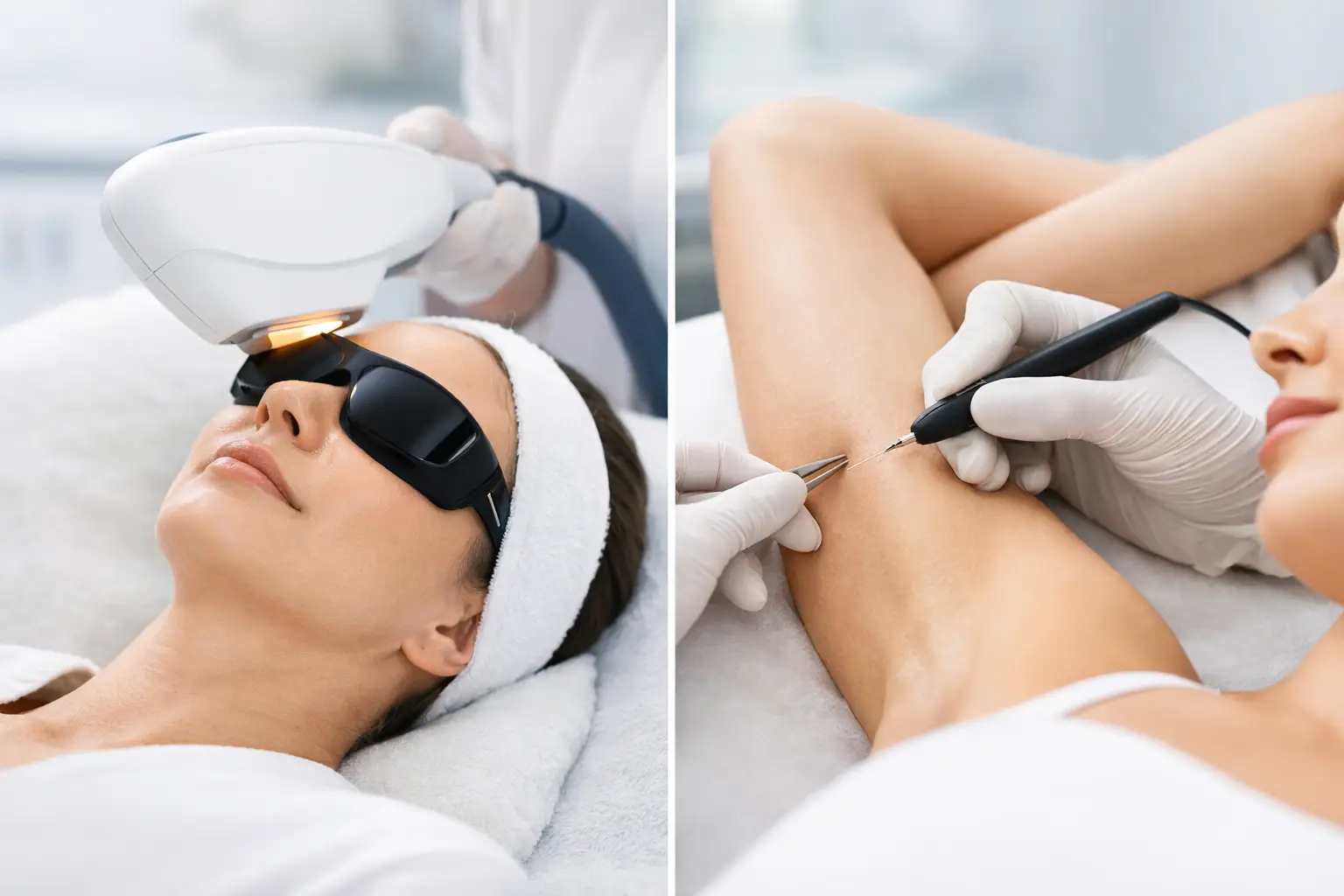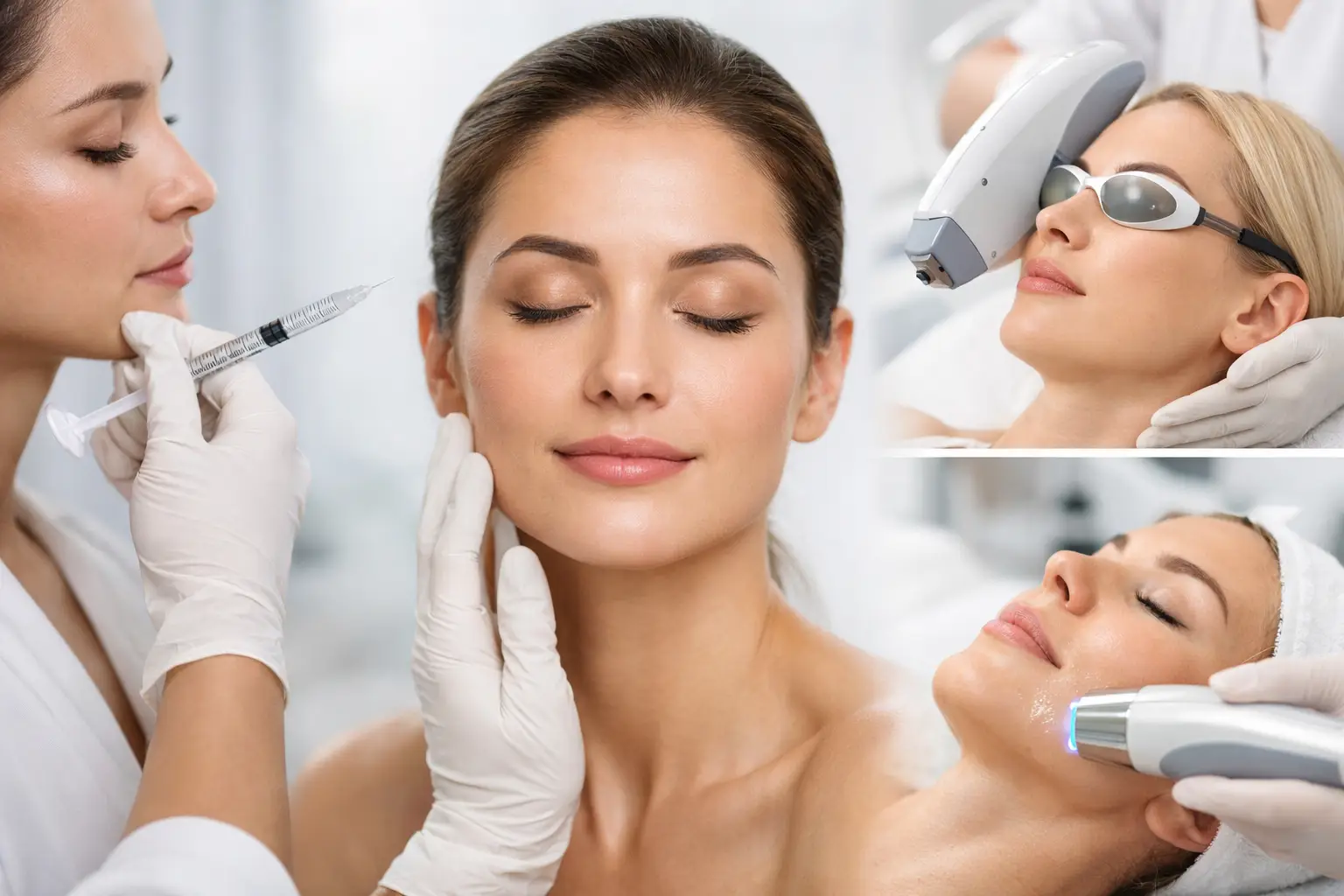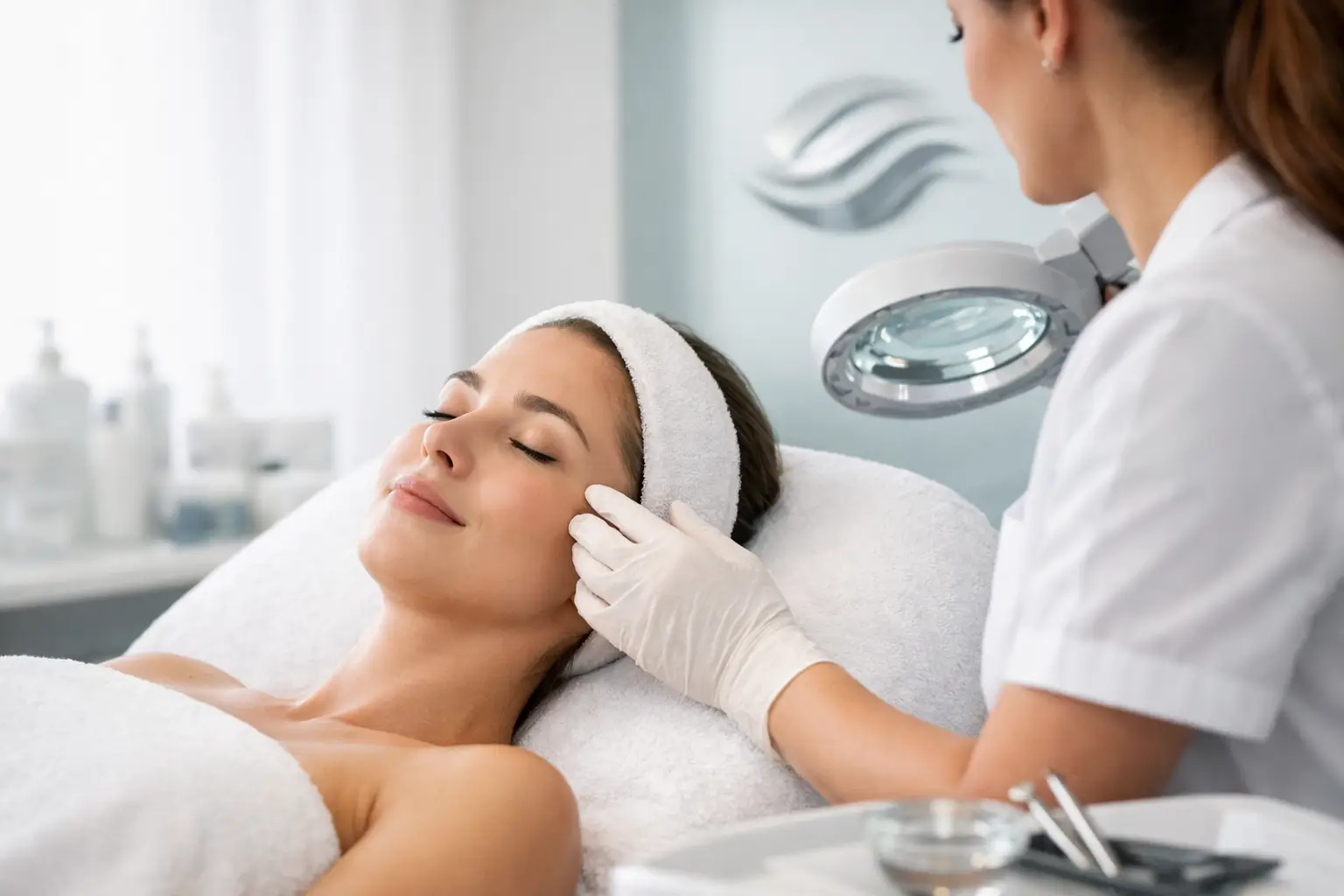
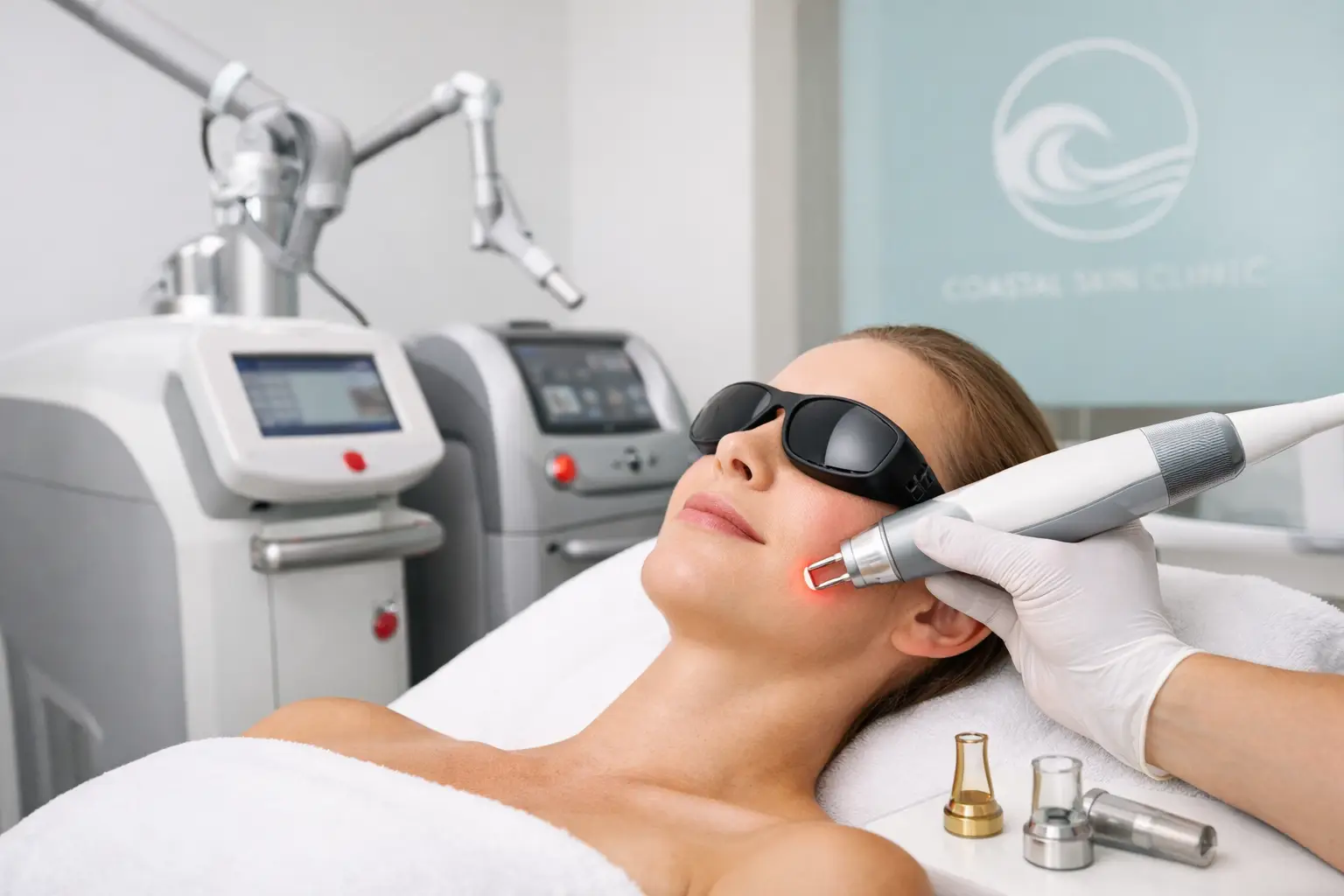
A treatment that works beautifully for a friend’s sun damage may not be the right answer for your redness, acne scarring or fine lines. When you choose laser rejuvenation options, the best starting point is not a device or a social media result. It is an honest assessment of your skin, your goals and the downtime you can comfortably manage.
Laser rejuvenation can improve the look of uneven tone, rough texture, enlarged pores, fine lines and some forms of scarring. But the term covers different treatments with different levels of intensity. The right choice should feel considered, safe and tailored to you.
Start with the concern you want to treat
Most people do not need to treat every visible skin concern at once. Deciding what bothers you most helps shape a realistic plan and avoids choosing a treatment simply because it is popular.
If pigmentation from sun exposure is your main concern, a light-based treatment may be considered to target areas of unwanted colour and support a clearer-looking complexion. If your skin feels rough, has visible pores or shows acne scarring, a resurfacing laser may be more suitable because it works differently within the skin. Fine lines can also respond well to rejuvenation treatments, although the result and recovery period will depend on the technology and treatment depth used.
Redness, active breakouts, melasma, deeper scars and loose skin each need particular care. Some conditions can become more noticeable if treated with the wrong settings or at the wrong time. This is why a professional consultation matters more than choosing from a menu of treatments.
Choose laser rejuvenation options based on downtime
One of the clearest differences between rejuvenation options is recovery. There is no universally “best” laser. There is only the treatment that balances your desired result with what your skin needs and what your schedule allows.
Gentle treatments for gradual improvement
Lower-downtime laser or light-based treatments are often chosen by people who want a fresher, more even appearance with minimal interruption to work, family life or social plans. You may experience temporary warmth, mild redness or a darker appearance in pigmented spots before they settle.
These treatments usually work as a series. They suit clients who are happy to build results gradually and who can commit to good daily sun protection and follow-up appointments where recommended.
Fractional and CO2 resurfacing for texture and renewal
For concerns such as deeper lines, acne scarring, pronounced texture or more significant sun damage, fractional laser or CO2 resurfacing may be discussed. These treatments create controlled micro-injuries in the skin to support the natural renewal process. They can offer more noticeable change, but they also involve more recovery and aftercare.
Following a stronger resurfacing treatment, your skin may be red, swollen, dry or flaky while it heals. The recovery is temporary, but it needs to be planned for. You will need to avoid sun exposure, follow your practitioner’s aftercare instructions closely and allow your skin the time it needs.
The trade-off is straightforward: more intensive treatment may address deeper concerns, but it is not always necessary or suitable. A conservative approach or a staged plan can be the wiser choice, particularly for first-time laser clients.
Your skin type and history matter
A safe treatment plan considers more than the issue you can see in the mirror. Your natural skin tone, sensitivity, history of pigmentation, tendency to scar and previous treatments all influence which technology and settings may be appropriate.
Be open during your consultation about recent sun exposure, tanning products, active skincare, past reactions and any medical conditions or medications that may affect healing. It is also helpful to mention whether you have had cosmetic treatments, peels, needling or laser procedures recently. This is not about making treatment complicated. It is about reducing avoidable risks and giving your skin the best chance to respond well.
For example, skin that is tanned or irritated may need time to settle before treatment. Clients prone to post-inflammatory pigmentation may require a more cautious approach and a carefully prepared skincare plan. Active acne or a compromised skin barrier may mean treating the underlying issue first.
A responsible practitioner will sometimes recommend waiting. That advice protects your result.
Look beyond before-and-after photos
Before-and-after images can be helpful when they show realistic changes, consistent lighting and results from a similar skin concern. They should not be treated as a guarantee. Every person’s skin heals and responds differently.
Ask what result is realistic for your particular concern, how many sessions may be needed, when you are likely to see improvement and what maintenance could involve. Skin rejuvenation is often a process rather than a one-off event, especially when the goal is long-term skin health and a natural-looking result.
It is also worth asking what the treatment will not change. Laser resurfacing may soften lines and improve texture, for instance, but it cannot replace lost volume or change facial structure. Clear expectations create a much more satisfying treatment experience.
Safety should guide the decision
Laser treatments are powerful clinical procedures, not simply a beauty add-on. The quality of the consultation, technology, practitioner training and aftercare all matter.
Choose a clinic that takes time to assess your skin rather than promising the same treatment to every client. You should feel comfortable asking about the practitioner’s experience, the type of laser being used, expected healing and what support is available if you have questions after treatment.
At Coastal Skin Clinic, treatment planning is centred on professional guidance, modern technology and a warm, supportive experience. For Sunshine Coast clients considering laser rejuvenation, this means discussing your concerns in person and receiving advice that reflects your skin rather than a one-size-fits-all package.
Good aftercare is part of safe, effective treatment. Depending on your procedure, this may include gentle cleansing, specific moisturising products, avoiding heat and exercise briefly, not picking or exfoliating healing skin, and using broad-spectrum sunscreen every day. Sun protection is particularly important after laser treatment, when fresh skin is more vulnerable to pigmentation changes.
Consider whether a combination plan makes sense
Laser treatment does not always need to do all the work. In some cases, a personalised plan may combine laser rejuvenation with medical-grade facial peels, facials or a targeted home skincare routine. The order and spacing of treatments matter, so this should be professionally planned rather than self-directed.
A combination approach can be useful where concerns overlap. Someone with dullness, uneven texture and congestion may benefit from a staged plan that supports skin quality between laser sessions. On the other hand, piling on treatments too quickly can irritate the skin and delay progress. Thoughtful timing is more valuable than doing more.
Questions to ask at your consultation
You do not need to know the technical language before you arrive. A good consultation should make the options clear. Ask which treatment is recommended for your main concern, why it suits your skin, what recovery will look like, and whether a patch test or skin preparation is needed.
Also ask about the likely number of sessions, the spacing between them and what you can do at home to protect your investment. If you are planning a holiday, wedding or other major event, raise it early. Stronger treatments should never be booked too close to an occasion when you want your skin to be fully settled.
Trust how the consultation feels. You should leave with a plan you understand, realistic expectations and no pressure to proceed before you are ready.
The most rewarding rejuvenation results usually come from choosing carefully, preparing well and letting your skin heal at its own pace. A personalised consultation gives you the space to ask questions, weigh your options and move forward with confidence.