A dull complexion, sun spots that seem more noticeable each year, or texture that makeup no longer sits smoothly over can all change how you feel when you look in the mirror. Skin rejuvenation is not about chasing a different face. It is about choosing professional treatments that support clearer, smoother, healthier-looking skin in a way that suits your concerns, lifestyle and comfort level.
At Coastal Skin Clinic, the starting point is always understanding your skin rather than simply selecting the strongest available treatment. Some concerns respond beautifully to a gentle course of treatments. Others need a more targeted approach and a little more recovery time. The right plan is personal.
What skin rejuvenation can address
Skin changes for many reasons. Sunshine exposure, pigmentation, breakouts, hormonal shifts, ageing, dehydration and day-to-day stress can all affect tone, texture and firmness. Often, there is not one single concern. You might notice freckles and uneven colour alongside fine lines, enlarged pores or old acne scarring.
Professional skin rejuvenation treatments can be used to improve the appearance of concerns such as uneven pigmentation, sun damage, rough texture, fine lines, dullness, congested skin and some forms of scarring. Results depend on your skin type, the concern being treated, your home care and how consistently you follow your recommended plan.
A worthwhile consultation looks beyond the surface. Your practitioner should ask about your medical history, current skincare, previous treatments, sun exposure and the result you would genuinely like to achieve. This helps determine not only what may work, but what is appropriate and safe for your skin.
Choosing a skin rejuvenation treatment
There is no one treatment that is best for every face. The most effective option depends on what is causing the concern and how much downtime you can accommodate. A person preparing for a wedding in a fortnight may choose a different pathway from someone ready to commit to corrective treatment over several months.
Medical-grade facial peels
Professional facial peels use carefully selected active ingredients to exfoliate the skin and encourage a fresher-looking surface. Depending on the formulation and strength, they may be recommended for congestion, uneven tone, dullness, mild pigmentation, breakouts and fine textural concerns.
Peels can range from light, with minimal visible downtime, to more active treatments that create temporary dryness or peeling. They are often a sensible choice for clients wanting gradual improvement or preparing their skin before more intensive procedures. The key is appropriate treatment selection, not simply choosing the strongest peel.
Microdermabrasion and tailored facials
For skin that feels dull, congested or rough, microdermabrasion and professional facials can provide a gentle, refreshing starting point. These treatments focus on surface exfoliation, cleansing and hydration, and can be incorporated into a regular maintenance routine.
They are not designed to replace laser treatment for deeper pigmentation, wrinkles or scars. However, they can be valuable when your goal is a brighter, smoother appearance with little to no downtime. They may also support a broader plan when timed appropriately around other treatments.
IPL for visible sun damage and uneven tone
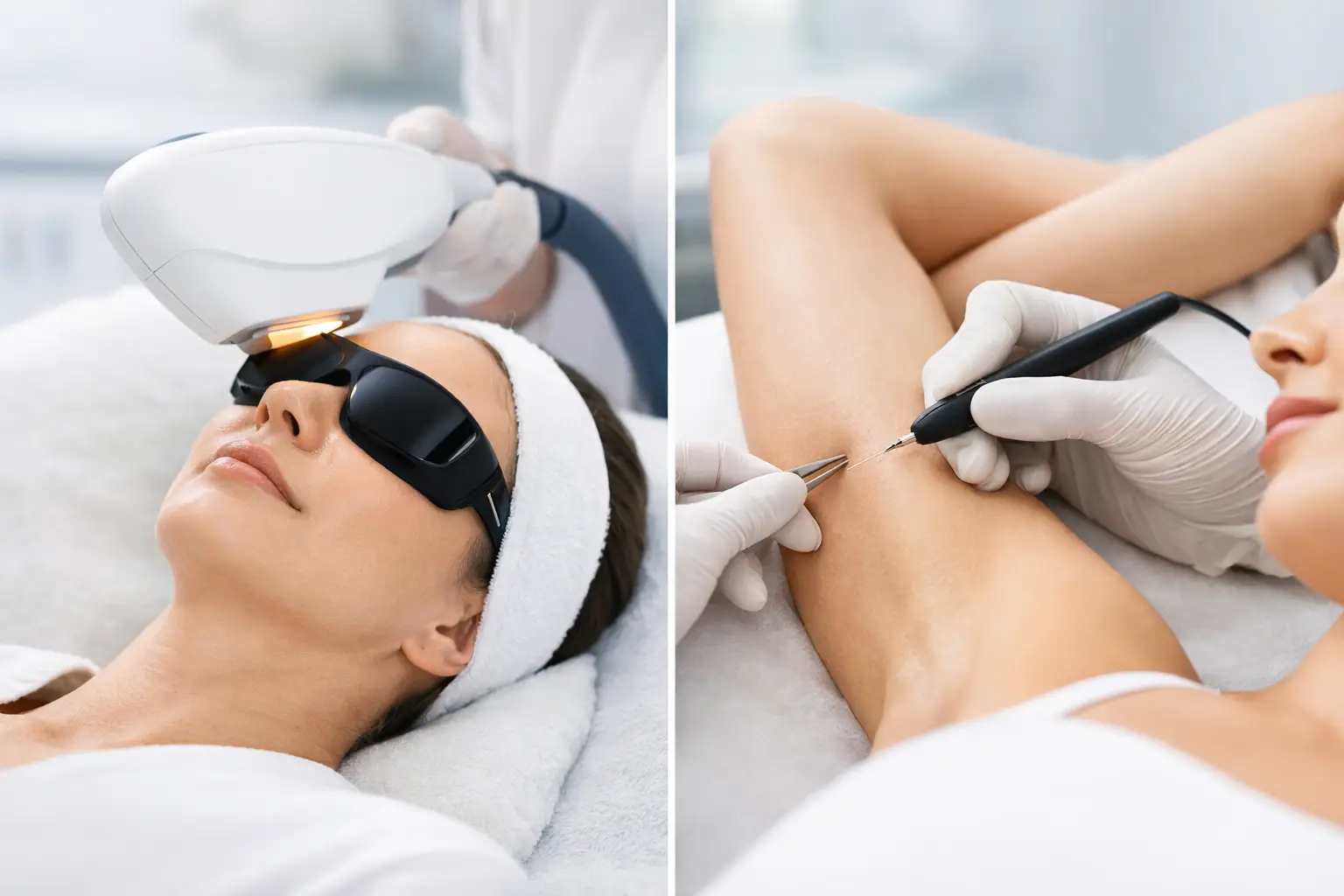
Intense pulsed light, often called IPL, is commonly considered for visible pigmentation, freckles, sun-related spots and redness. Light energy is delivered to targeted areas of the skin, with treatment settings chosen according to your concerns and skin suitability.
IPL can be an excellent option for the right client, but it is not suitable for every skin tone, skin condition or type of pigmentation. Recent tanning, sun exposure and certain medications can also affect whether treatment should go ahead. A proper assessment matters because treating pigment incorrectly can lead to disappointing results or further irritation.
Laser and CO2 rejuvenation
Laser skin rejuvenation and CO2 laser treatments are more intensive options that may be considered for concerns including lines, texture, enlarged pores, acne scarring and visible signs of sun damage. These treatments work in different ways to stimulate the skin’s repair response and support collagen remodelling over time.
With stronger laser treatments comes a greater commitment to recovery. Redness, swelling, sensitivity and peeling can be expected, and careful aftercare is essential. The visible healing period varies between people and treatment intensity. While this downtime can feel like a trade-off, it may be worthwhile for clients with deeper concerns who want a more significant level of correction.
No laser treatment should be approached as a quick fix. Your practitioner will discuss preparation, realistic recovery expectations, sun protection and the number of sessions likely to be appropriate. Gradual changes are often a sign of the skin responding and remodelling over time.
Why personalised treatment planning matters
Two people can arrive with what looks like the same concern and need different recommendations. For example, brown marks may be superficial sun spots, post-inflammatory pigmentation from acne, melasma or a combination of factors. Each can behave differently, and some are more likely to worsen if treated too aggressively.
Your skin’s sensitivity, natural pigment, history of scarring and ability to avoid sun exposure during healing all influence the plan. This is particularly relevant on the Sunshine Coast, where daily UV exposure can quickly undo progress if sun protection is not taken seriously.
A considered plan may involve treating the skin in stages. You may begin with skin preparation and home care, move into a series of peels or IPL sessions, then consider laser resurfacing for persistent texture or scarring. Alternatively, a maintenance-focused approach may be exactly right for your goals. More treatment is not always better treatment.
What to expect before and after treatment
Before any professional treatment, be honest about products and medications you use, prior cosmetic procedures, allergies, cold sores and any history of pigmentation changes or poor healing. These details help your practitioner choose suitable settings and provide the right preparation advice.
Aftercare is part of the treatment, not an optional extra. Depending on the procedure, you may need to pause active skincare ingredients, avoid heat and exercise for a short period, keep the area hydrated or allow peeling skin to shed naturally. Picking, scrubbing or introducing new products too soon can interfere with healing.
Daily broad-spectrum sunscreen is essential. It protects vulnerable skin after treatment and helps preserve your results long term. A hat, shade and sensible sun habits are equally valuable, particularly when you are treating pigmentation or recovering from laser procedures.
When to book a consultation
A consultation is especially helpful if you are unsure whether your concern is pigmentation, scarring, redness or general loss of glow. It is also the right place to talk through downtime, treatment comfort, costs, timing around holidays or events, and what results are realistic for you.
You should feel comfortable asking who will perform your treatment, what technology is being used, what recovery will involve and how your progress will be reviewed. Professional, licensed care and clear guidance provide reassurance, particularly if this is your first aesthetic treatment.
Healthy-looking skin is rarely created in one appointment. It comes from informed treatment choices, patient consistency and protecting the progress you make. When you are ready, a personalised consultation can give you a clear, safe path forward that feels right for your skin and your life.