When your skin looks patchy, dull or blotchy no matter how much moisturiser you use, it can start to feel like nothing is really working. The best treatments for uneven skin tone are usually not about one miracle product – they come down to identifying what is actually causing the discolouration, then choosing the right professional treatment for your skin.
Uneven skin tone can show up in a few different ways. For some people, it is sun damage and brown spots that have built up over time. For others, it is post-acne marks, redness, hormonal pigmentation, or skin that just never looks as clear and balanced as they would like. The reason this matters is simple – different causes respond to different treatments, and using the wrong approach can waste time or make the issue more stubborn.
What causes uneven skin tone?
Uneven skin tone is a broad term, but it usually comes back to excess pigment, inflammation, vascular redness, rough texture, or a combination of all four. Sun exposure is one of the biggest contributors, especially in Australia, where UV levels are strong for much of the year. Even small amounts of repeated sun exposure can trigger pigmentation and make existing discolouration darker.
Hormonal changes can also play a part, particularly with melasma, which often appears as larger patches of pigmentation across the cheeks, forehead or upper lip. Acne is another common cause. Once the breakout settles, the skin can be left with lingering red or brown marks that take months to fade on their own.
Then there is texture. Sometimes skin tone looks uneven not because of pigment alone, but because dry, rough or sun-damaged skin reflects light poorly. In those cases, improving skin renewal can make the complexion look brighter and more even overall.
Best treatments for uneven skin tone in clinic
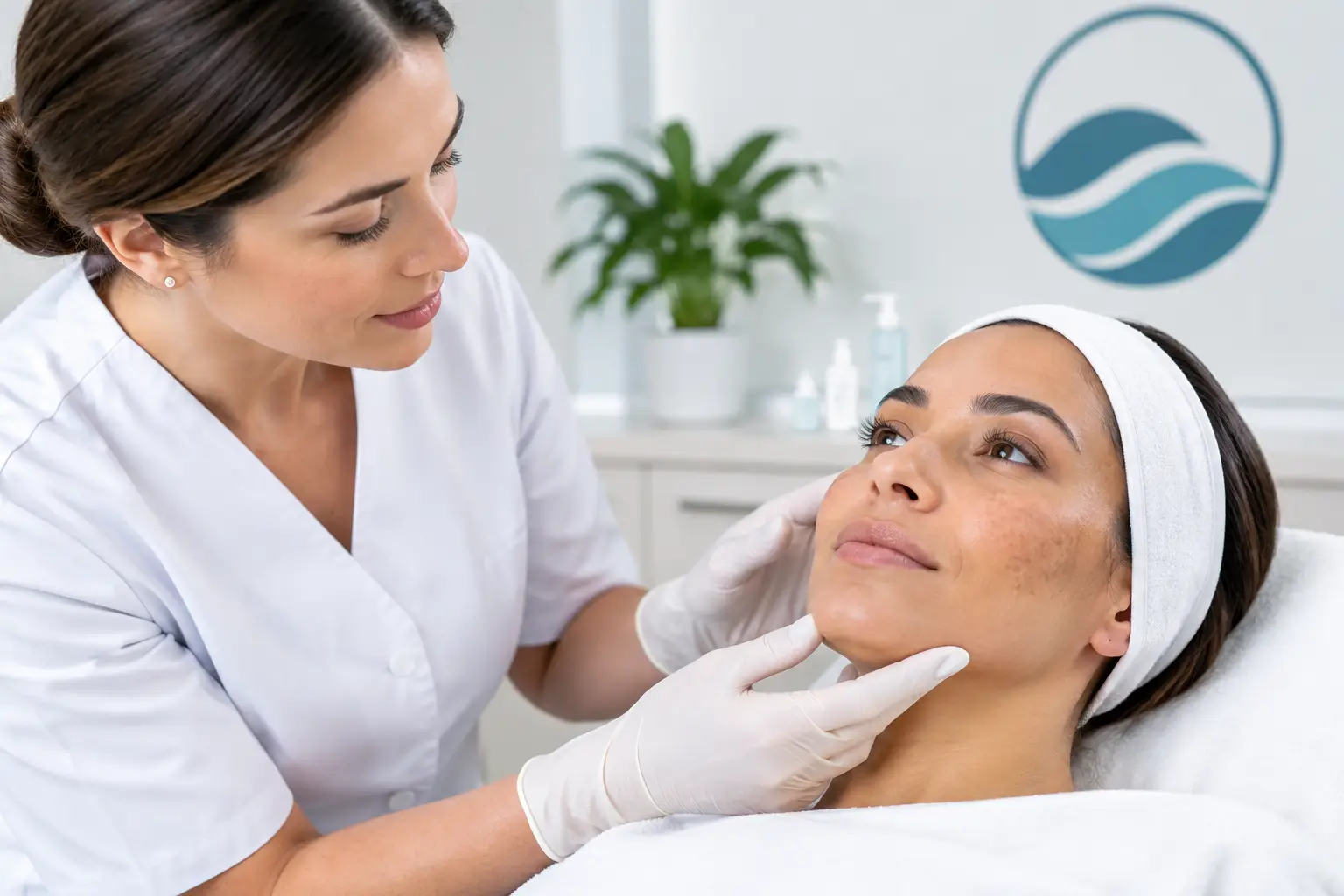
The most effective treatment depends on what your skin is doing. A proper skin assessment is what separates a personalised result from guesswork.
Medical-grade chemical peels
Chemical peels are one of the most reliable starting points for uneven skin tone. They work by encouraging the outer layers of skin to shed more evenly, which can help reduce superficial pigmentation, post-acne marks and dullness.
A peel can be a smart option if your skin needs brightening but you are not ready for a more intensive laser-based treatment. They can also work well as part of a series, because results tend to build gradually. The trade-off is that deeper pigmentation often needs more than a peel alone, and some skin types need a gentler plan to avoid irritation.
For many clients, peels are especially useful when uneven tone is paired with congestion, roughness or mild acne scarring. They offer improvement in clarity and texture at the same time.
Laser skin rejuvenation
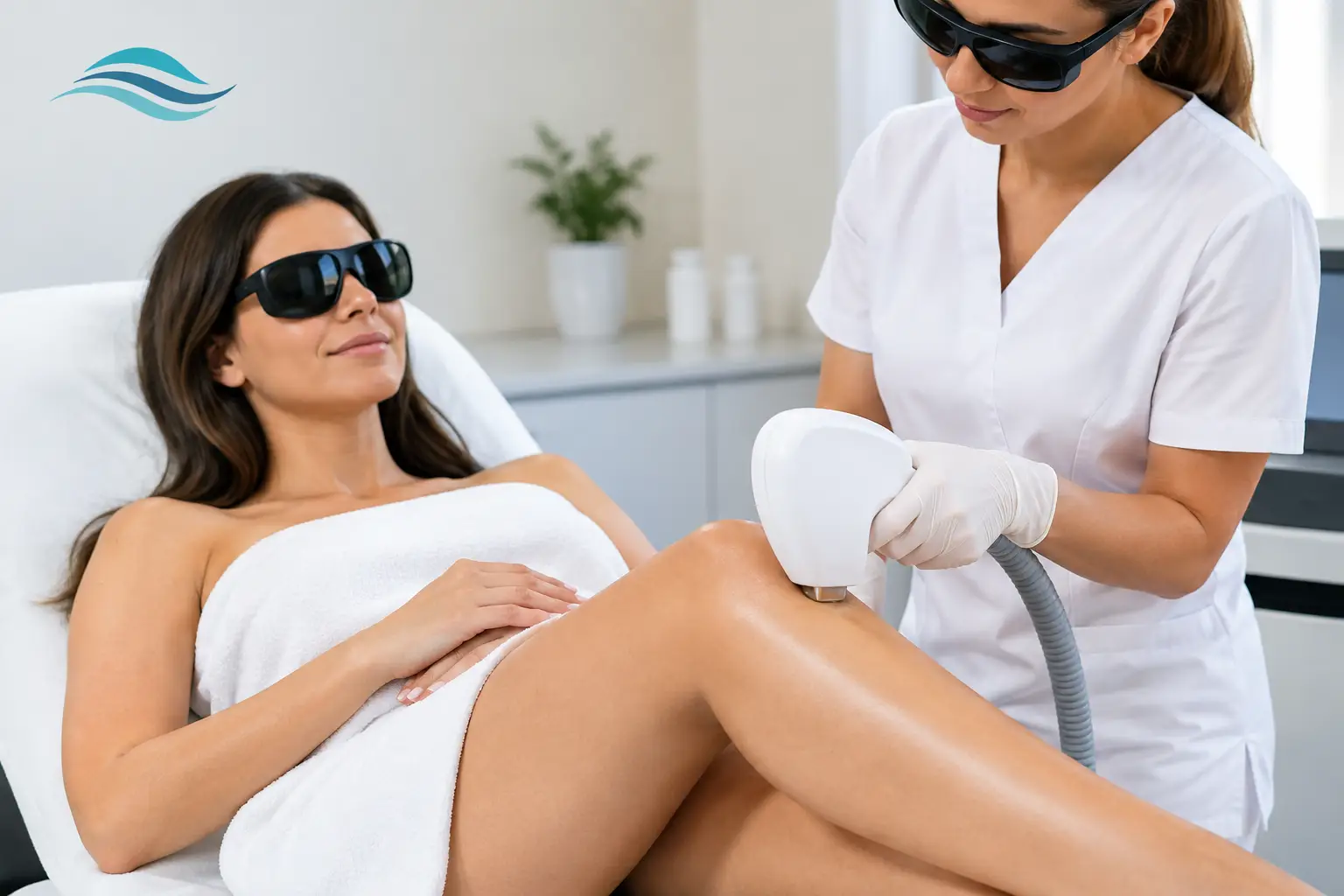
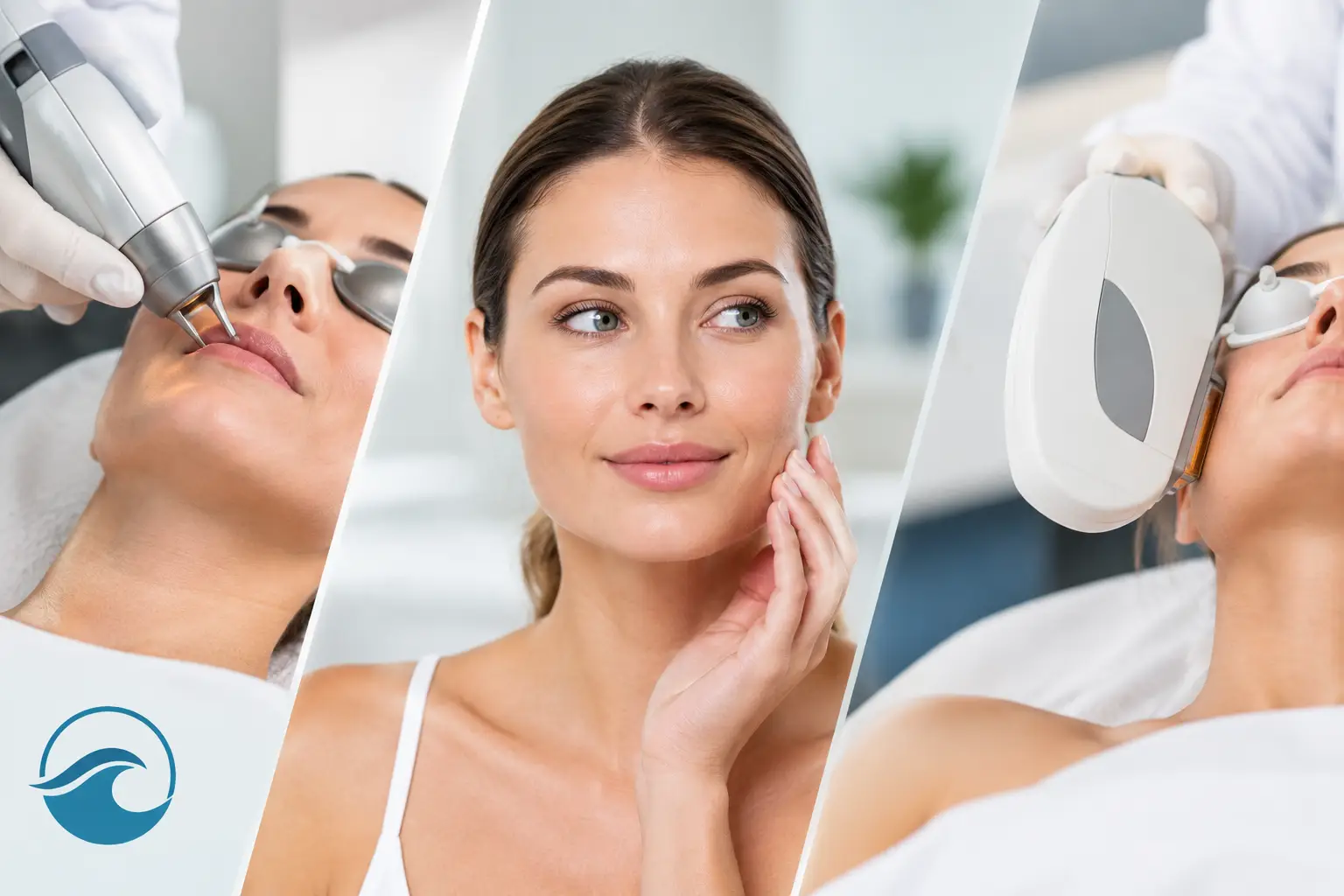
Laser treatments are often among the best treatments for uneven skin tone when pigmentation is more established or when texture and ageing concerns sit alongside discolouration. Depending on the device and treatment plan, laser can target pigment, stimulate skin renewal and improve the overall quality of the skin.
This option tends to suit people who want more visible correction and are comfortable with some downtime, depending on the treatment intensity. It is not a one-size-fits-all category. Some laser treatments are gentle and progressive, while others are more intensive and designed for deeper resurfacing.
The benefit of laser is that it can address more than just colour. If your skin tone looks uneven because of sun damage, fine lines and rough texture, laser may offer a more complete result. The key is choosing a treatment strength that matches your skin type, concerns and lifestyle.
IPL for sun damage and visible pigmentation
IPL, or intense pulsed light, is a well-known option for treating visible sun damage, freckles, redness and superficial pigmentation. It is often chosen by clients who want to improve overall skin clarity without a highly invasive treatment.
IPL can be very effective for the right person, particularly when uneven tone is linked to sun exposure and scattered pigment. It can also help with redness and broken capillaries, which is important because not all uneven tone is brown – sometimes it is red.
That said, IPL is not suitable for every skin type or every kind of pigmentation. Melasma, for example, can sometimes worsen if treated too aggressively or with the wrong modality. That is why professional assessment matters. A treatment that is excellent for one client may not be the safest choice for another.
Microdermabrasion and brightening facials
If the concern is mild dullness, rough texture or early unevenness rather than deeper pigmentation, microdermabrasion or professional brightening facials can help refresh the skin. These treatments are less aggressive and usually involve minimal downtime.
They are best thought of as supportive treatments rather than the strongest corrective option. For some clients, that is exactly the right place to start. If your skin is sensitive, new to treatments, or simply in need of maintenance, a gentler approach can improve radiance and help active skincare perform better.
Combination treatment plans
Quite often, the best answer is not a single treatment. Uneven skin tone may involve pigment, redness and texture all at once, which is why combination plans tend to produce the most balanced results.
For example, a client might start with a course of peels to improve surface clarity, then move into laser or IPL for more targeted correction. Others may combine in-clinic treatments with a home skincare routine designed to calm pigment and support skin barrier function. This is where personalised care makes a real difference. Good skin treatment is rarely about doing the most – it is about doing what is appropriate, in the right order.
Choosing the best treatment for your skin
The phrase best treatments for uneven skin tone sounds simple, but the real answer depends on your skin history, tone, sensitivity and goals. A person with post-inflammatory acne marks needs a different plan from someone with melasma. A client with fair, sun-damaged skin may respond well to IPL, while someone with a deeper skin tone may need a more cautious approach.
Downtime matters too. Some clients want gradual improvement with little interruption to work or social plans. Others are happy to commit to a more intensive treatment if it means stronger results. Neither option is better – it depends on what fits your life and how quickly you want to progress.
A consultation is also important because not every patch of pigment should be treated casually. Skin needs to be properly assessed before any advanced procedure, especially when pigmentation is irregular, changing, or paired with high sensitivity.
What to expect after treatment
One of the biggest misconceptions about pigmentation treatment is that it disappears instantly and stays gone forever. In reality, skin tone correction is a process. Some pigment darkens before it lifts. Some redness settles slowly over weeks. Some concerns improve quickly, while others need several sessions and ongoing maintenance.
Aftercare also matters more than many people realise. Sun protection is essential. Without it, even excellent treatment results can be undone very quickly, especially in the Sunshine Coast climate. Professional skincare may also be recommended to support healing, reduce inflammation and help prevent new pigment from forming.
This is where consistency counts. Strong treatments can create momentum, but long-term results usually come from a combination of professional care and daily skin habits.
When professional treatment is worth it
If you have tried brightening products for months and your skin still looks uneven, it is often a sign that over-the-counter options are not enough on their own. Professional treatments can reach concerns that sit deeper in the skin and can be adjusted based on what your complexion actually needs.
They also offer something just as valuable – clarity. Instead of cycling through products and hoping for the best, you can get a treatment plan that reflects your skin type, your triggers and your priorities. For many people, that takes a lot of the frustration out of the process.
At Coastal Skin Clinic, this kind of personalised approach is a big part of getting safe, effective results. The goal is not to push one treatment for everyone, but to work out what will genuinely help your skin look clearer, calmer and more even over time.
If your skin tone has been bothering you for a while, the next helpful step is not guessing harder. It is getting the right eyes on your skin, so your treatment plan starts making sense from day one.