A well-planned eyebrow tattoo can make the small, everyday moments easier: getting ready for work, heading to the beach, exercising, or simply feeling more like yourself without reaching for a brow pencil. But brows sit at the centre of the face, so this is not a treatment to choose on impulse. The best result is one that respects your natural features, skin and personal style.
At Coastal Skin Clinic, the focus is on safe, professional care and brows that look considered rather than overly stamped-on. A consultation is where the real work begins: listening to what you would like to improve, assessing your existing brow hair and skin, and creating a plan that feels right for you.
What is an eyebrow tattoo?
An eyebrow tattoo is a form of cosmetic tattooing that places pigment in the skin to create the appearance of fuller, more defined or more balanced brows. Depending on the technique and desired finish, it may recreate fine hair-like strokes, a softly shaded makeup effect, or a combination of both.
The phrase can mean different things, which is one reason a proper consultation matters. Traditional body tattoos, microblading, machine hairstrokes and powder-style brows are not interchangeable. They differ in the tools used, how pigment is implanted, the effect they create and how they can fade over time.
Modern cosmetic brow work is generally designed to soften and fade gradually rather than remain unchanged forever. This allows your brow shape and colour to be refreshed as your face, hair colour and preferences evolve. It also means results require ongoing care, rather than being a once-only decision.
Who may benefit from cosmetic brows?
Cosmetic tattooing can suit people with naturally sparse brows, uneven growth, gaps from over-plucking, or brows that have become less defined over time. It can also be helpful for anyone who spends time filling their brows each morning and wants a more consistent starting point.
The goal does not have to be dramatic. Many clients want to retain the look of their own brows, just with better symmetry, density or shape. Others prefer a more polished, softly made-up appearance. Neither approach is more correct. The right choice depends on your features, lifestyle and how much definition feels comfortable to you.
It is worth being realistic about symmetry. Faces are naturally asymmetrical, and brows are sisters, not identical twins. A skilled treatment plan aims for balance and harmony, rather than forcing two brows into an unnaturally matching shape.
Choosing a shape that still feels like you
A flattering brow is not copied from a trend or a filtered photo. It is mapped in relation to your bone structure, facial proportions, natural hair pattern and expression. The same high arch or strong tail that suits one person can look severe or out of place on another.
During the design stage, take the time to speak honestly about your usual makeup. If you rarely wear makeup, a very bold brow may feel unfamiliar once the initial novelty wears off. If you regularly create a defined brow, a subtle treatment may not give you the finish you expect. Good cosmetic tattooing starts with a clear conversation, not a one-size-fits-all template.
Colour selection deserves the same care. Brow pigment is chosen with your hair colour, skin tone and undertone in mind, but it will also settle and soften during healing. Fresh pigment can appear stronger, warmer or darker at first. The healed result is what matters most.
Why skin type affects the result
Skin plays a major role in the technique that may be appropriate. Oily skin, mature skin, dry skin, sun damage and the condition of the natural brow area can all influence pigment retention and the crispness of fine hairstrokes.
For example, very fine hairstrokes may not heal as sharply in some skin types. In those cases, soft shading or a combination approach can offer a more reliable and natural-looking result. This is not about compromising on quality. It is about selecting a method that works with your skin rather than against it.
What happens at an eyebrow tattoo appointment?
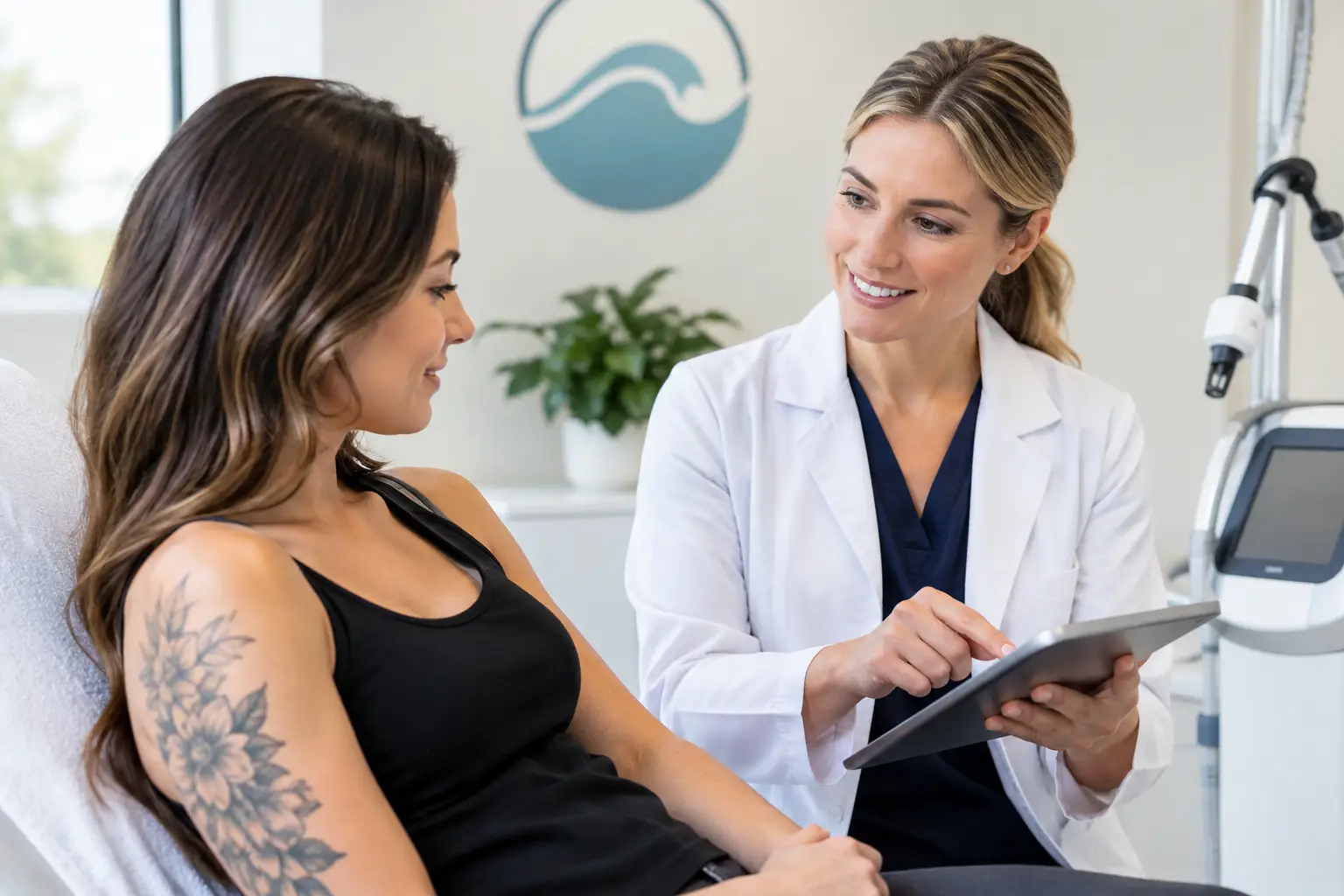
An appointment should feel calm and well explained. Before treatment begins, your practitioner should discuss your medical history, current skin condition, previous cosmetic tattooing and the look you want to achieve. This is also the time to raise concerns, particularly if you have had an old brow tattoo that has changed colour or shape.
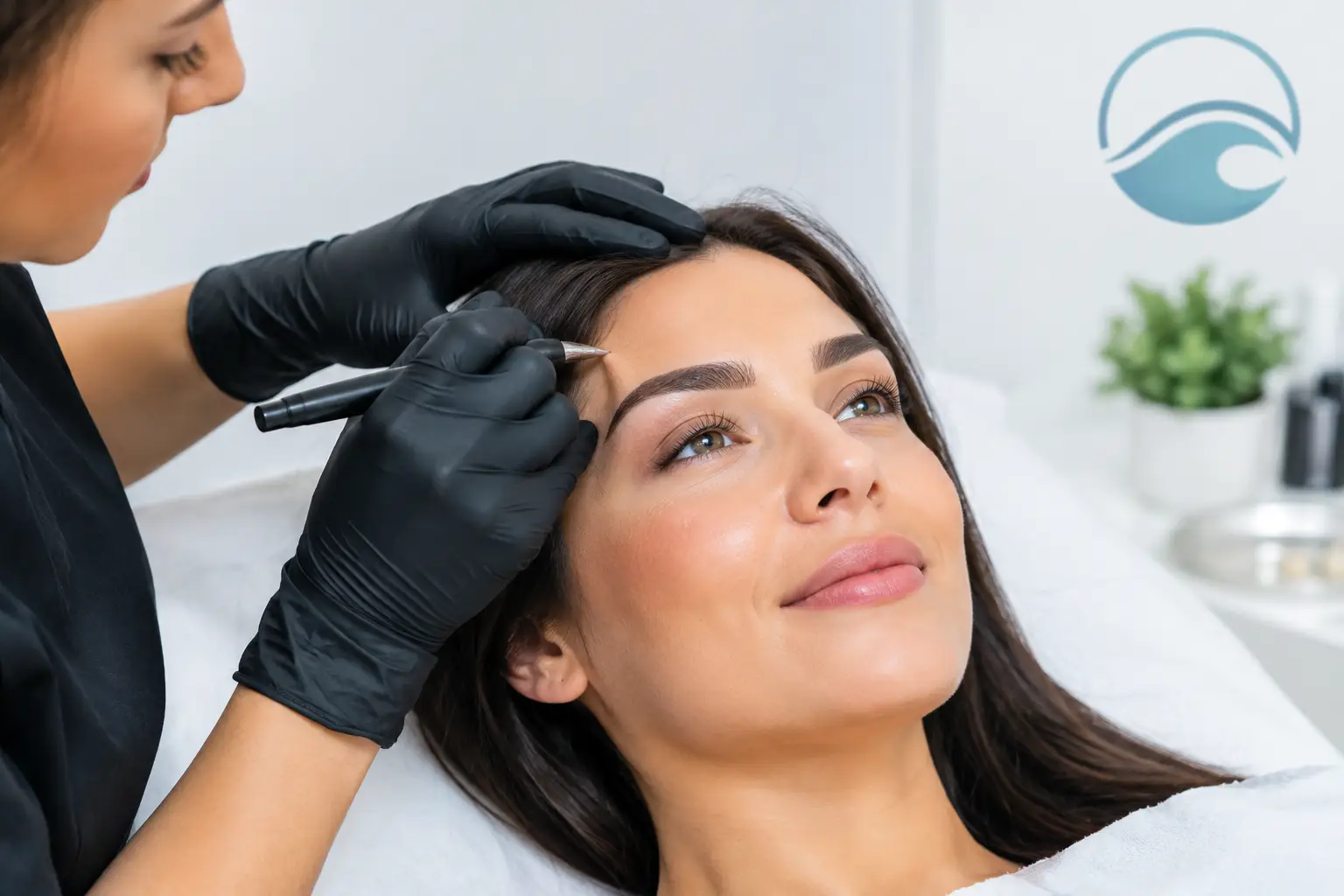
The brows are measured and mapped before pigment is placed. You should have the opportunity to view and discuss the proposed design. Nothing should feel rushed. Once the shape is agreed, the treatment can begin using appropriate hygiene and safety practices.
Sensations vary. Most people describe cosmetic tattooing as manageable, though some areas can feel more sensitive than others. Your practitioner will guide you through the process and give you clear aftercare instructions before you leave.
A follow-up appointment is commonly part of the process. The first session establishes the shape and foundation, while the follow-up allows the healed result to be assessed and refined where needed. Skin does not retain pigment in exactly the same way from person to person, so this stage is valuable.
Healing: what to expect after treatment
The healing phase requires patience. Fresh brows often look darker and more defined than their final healed appearance. Over the following days, the area may feel slightly tender or tight, and light flaking can occur. As the skin heals, the colour may appear to fade significantly before it settles.
Avoid picking, rubbing or scratching the brow area. Let the skin heal naturally. It is also usually necessary to keep the area protected from excess moisture, sweating, direct sun exposure, swimming, exfoliating products and active skincare ingredients for the period advised by your practitioner.
Your exact aftercare plan should be tailored to the treatment performed and your skin. Following it closely helps protect the result and reduces the risk of uneven healing. If anything concerns you while healing, contact your clinic rather than relying on general advice found online.
Important reasons to book a consultation first
A consultation is especially important if you have previous brow tattooing, because existing pigment can affect both colour choice and shape. In some cases, correction is possible. In others, lightening or laser tattoo removal may need to be considered before a new brow design can be created safely and effectively.
You may also need to postpone treatment if the skin is irritated, sunburnt, actively breaking out or healing from another procedure. Certain medical conditions, medications and skin treatments can affect suitability too. A reputable clinic will be open about these limitations. Being told to wait is not a setback – it is part of putting your safety and result first.
It is wise to bring reference images, but use them as a starting point rather than a fixed promise. Your practitioner can help translate what you like about an image into a brow style that suits your own face and skin.
Maintaining your brows over time
Cosmetic brow pigment fades gradually, but the timing varies. Sun exposure, skincare products, skin type, lifestyle and the original technique can all affect longevity. Regular use of high-strength exfoliating acids or retinoid products close to the brow area may contribute to faster fading, while daily sun protection helps support both your skin and your cosmetic tattoo.
A colour refresh may be appropriate when your brows begin to look lighter, less even or less defined than you prefer. There is no universal schedule. The best time for a refresh is based on how your individual brows have healed and faded, not a calendar alone.
A good eyebrow tattoo should give you confidence, not make you feel like you are wearing someone else’s face. Take your time, ask questions and choose a practitioner who values your safety, comfort and long-term result as much as you do.