A brown patch that seems to appear overnight can be frustrating, especially when your usual skincare no longer seems to make a difference. This guide to pigmentation treatment will help you understand why uneven colour develops, which professional options may help, and why the right plan starts with looking closely at your individual skin.
A guide to pigmentation treatment starts with the cause
Pigmentation is the skin’s natural production of melanin, the pigment that gives skin its colour. When melanin is produced unevenly or in excess, it can show up as darker spots, patches or an overall uneven tone. The marks may be flat, light brown, dark brown or grey-brown, and they can become more noticeable with sun exposure.
Not all pigmentation behaves the same way. Treating a sun spot as though it were melasma, for example, can lead to disappointing results or potentially make the area more reactive. A careful assessment is the difference between choosing a treatment because it is popular and choosing one because it is appropriate for your skin.
Common types of pigmentation include sun spots and freckles, post-inflammatory pigmentation left after acne or irritation, and melasma. Melasma often appears as symmetrical patches across the cheeks, forehead, upper lip or jawline. Hormonal changes, heat, visible light and UV exposure can all contribute, which is why it often needs ongoing management rather than a one-off treatment.
If a spot is new, changing in shape or colour, raised, bleeding, itchy or concerning in any way, arrange an assessment with your GP or dermatologist before seeking cosmetic treatment. A professional skin treatment should only begin once suspicious lesions have been properly checked.
Why pigmentation treatment needs a personalised approach
There is no single treatment that suits every pigment concern. Your skin type, the depth and cause of the pigmentation, your history of sensitivity, current skincare, sun exposure and lifestyle all influence what is suitable.
Surface-level sun damage may respond well to a course of targeted light-based treatments or professional peels. Post-acne marks can sometimes improve when treatment also addresses congestion, inflammation and skin barrier health. Melasma is often more complex. It may require a gentle, staged plan focused on pigment control, careful treatment selection and consistent home care.
This is also where timing matters. If you have recently had a tan, are planning a sunny holiday, have active irritation or are using certain active skincare ingredients, it may be safer to delay treatment or adjust the approach. Good results are rarely about doing the strongest treatment first. They come from working with the skin, not against it.
Professional options for uneven skin tone
A consultation allows your practitioner to assess whether your concern is likely to benefit from professional treatments, supportive skincare or a combination of both. Depending on your skin and goals, options may include the following.
Medical-grade facial peels
Professional peels use carefully selected exfoliating ingredients to encourage skin renewal and improve the appearance of surface pigmentation, dullness and uneven texture. They can be a valuable option for some forms of sun damage and post-inflammatory marks.
Peels vary considerably in strength and depth. A peel that is too aggressive for reactive skin can cause inflammation, and inflammation itself may trigger more pigmentation. Your practitioner should select the peel, preparation and spacing between sessions with your skin response in mind.
IPL and laser-based treatments
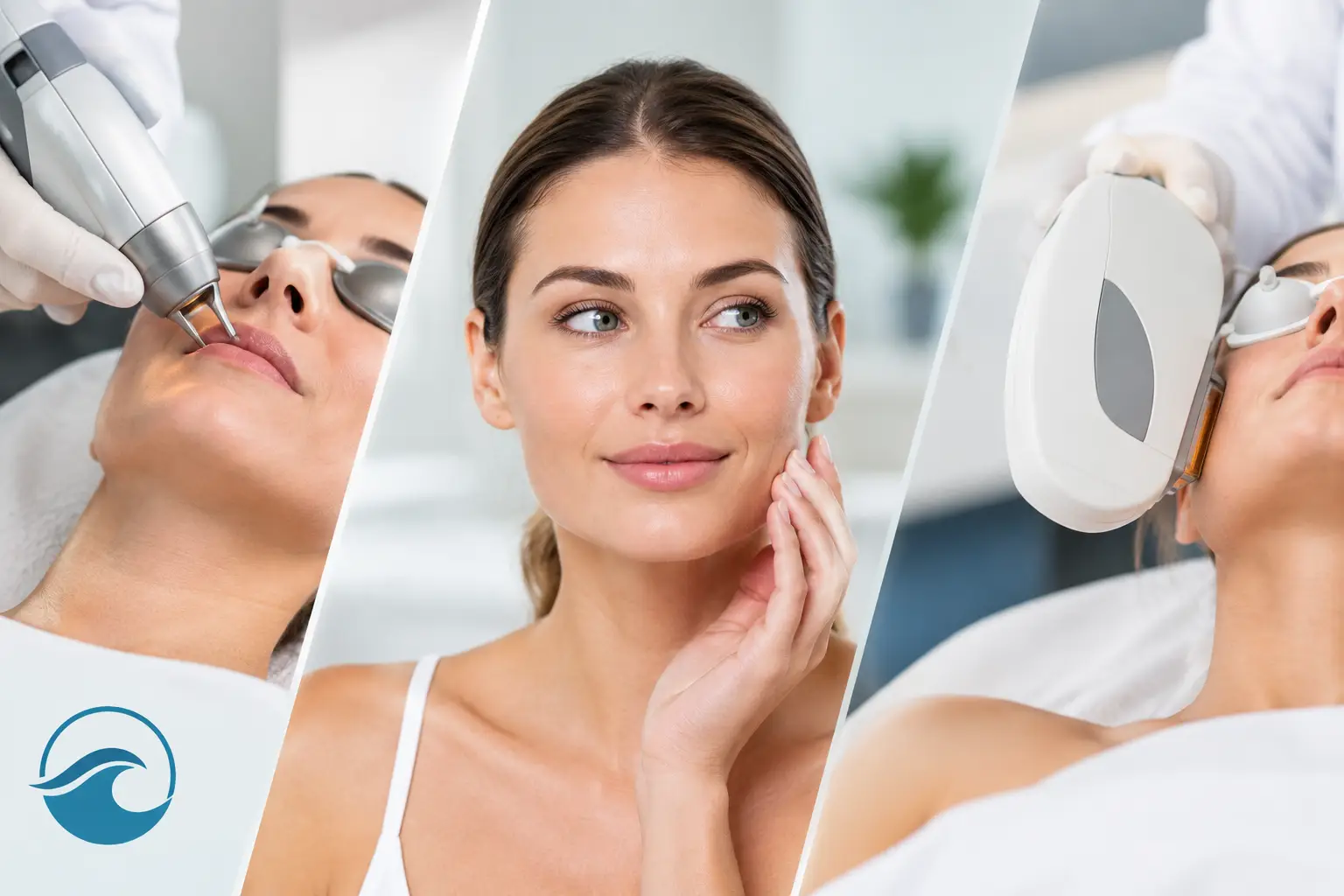
IPL and some laser treatments target pigment within the skin using light energy. They can be effective for suitable concerns such as sun spots, freckles and general photodamage, with treatments tailored to the area being addressed.
These options are not automatically right for every type or tone of skin. Pigment can be deeper than it appears, and conditions such as melasma may flare if treated too aggressively. An experienced practitioner will consider your skin type, the pattern of pigmentation and your ability to follow aftercare before recommending light-based treatment.
Skin rejuvenation treatments
Skin rejuvenation treatments may support a clearer, more even-looking complexion by improving texture, encouraging skin renewal and addressing signs of sun exposure. In some cases, this broader approach is more useful than focusing only on a visible spot.
The trade-off is that rejuvenation is usually a process. You may need several sessions, gradual improvements and a maintenance plan rather than expecting every mark to disappear after one appointment.
Home skincare and daily protection
Professional treatment works best when it is supported at home. Your practitioner may recommend a tailored routine that helps manage pigment while protecting the skin barrier. This may include ingredients selected for your tolerance and concerns, rather than a shelf full of strong products used all at once.
Daily sun protection is essential. Use a broad-spectrum sunscreen with SPF 50+ each morning, apply enough product for your face and neck, and reapply when you are outdoors. A hat, sunglasses and shade are practical additions, particularly on the Sunshine Coast where incidental sun exposure can quickly add up.
What to expect from your consultation and treatment plan
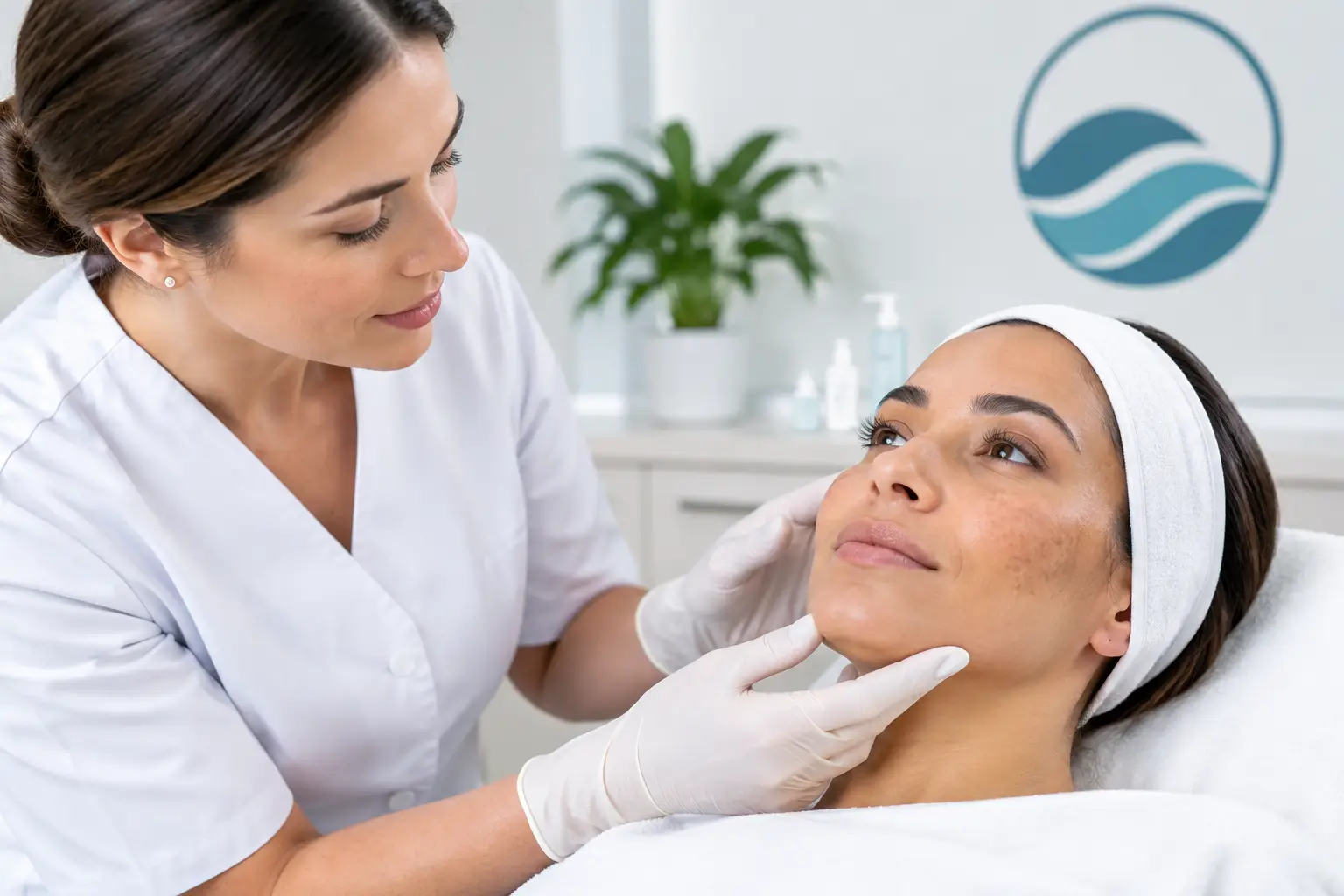
A good pigmentation consultation should feel clear, not pressured. You should have time to discuss when the marks first appeared, whether they changed after acne, pregnancy, medication, sun exposure or a previous treatment, and what you have already tried.
Your practitioner may assess the colour, pattern and location of the pigmentation, along with your skin sensitivity and current routine. Photos can also be useful for tracking changes over time, particularly where improvement is gradual.
From there, your plan should outline the recommended treatment, the expected number and timing of sessions, likely downtime, aftercare and realistic outcomes. Some pigmentation may fade significantly; some can recur or need maintenance, especially if it is influenced by hormones or ongoing sun exposure. Honest expectations protect both your skin and your confidence.
At Coastal Skin Clinic, this personalised approach is central to care. Treatment recommendations are based on what is appropriate for your skin, with professional guidance throughout the process in a warm, supportive clinic environment.
Aftercare can protect your results
The days after a pigment treatment matter. Your skin may feel warm, look pink or develop temporary darkening in treated spots before they lift or fade. This can be a normal part of the process, but your practitioner will explain what is expected for your treatment and when to get in touch.
Avoid picking, scrubbing or using unapproved active products while the skin is recovering. Keep your routine gentle, follow the recommended aftercare and be particularly strict with sun protection. Heat can also be a trigger for some pigment concerns, so ask whether you should temporarily avoid hot yoga, saunas or intense exercise.
It is tempting to add extra acids, retinoids or brightening products when you want faster change. More is not always better. Overdoing actives can impair the skin barrier, create irritation and leave pigmentation looking worse.
When is the right time to begin?
The right time is when you can commit to the full plan, including aftercare and sun protection. If you have an event approaching, allow enough time for treatment, recovery and gradual results rather than booking at the last minute.
Pigmentation can be persistent, but it does not need to be something you manage alone or guess your way through. A professional assessment can give you a practical starting point and a plan that respects both your skin and your goals.