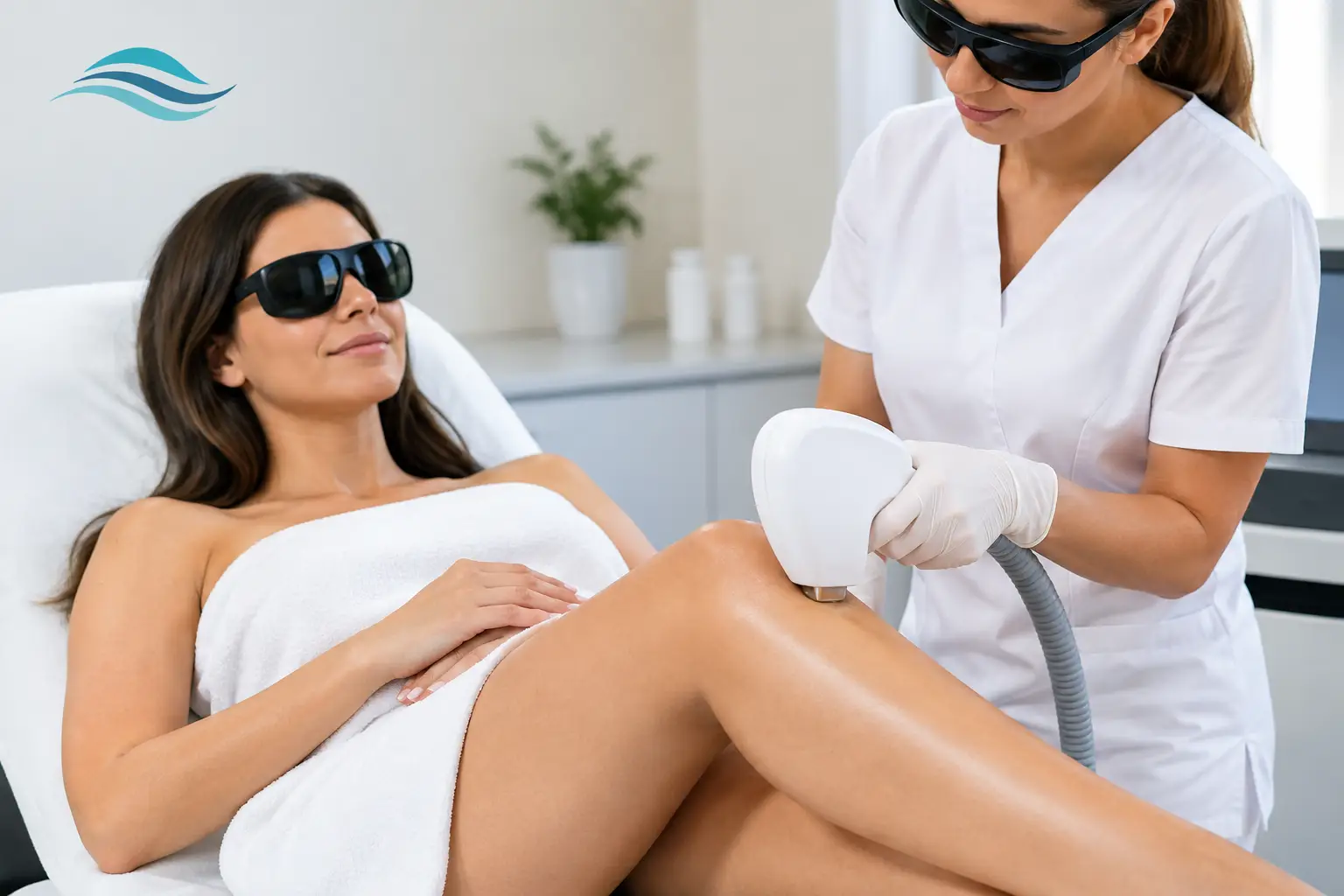
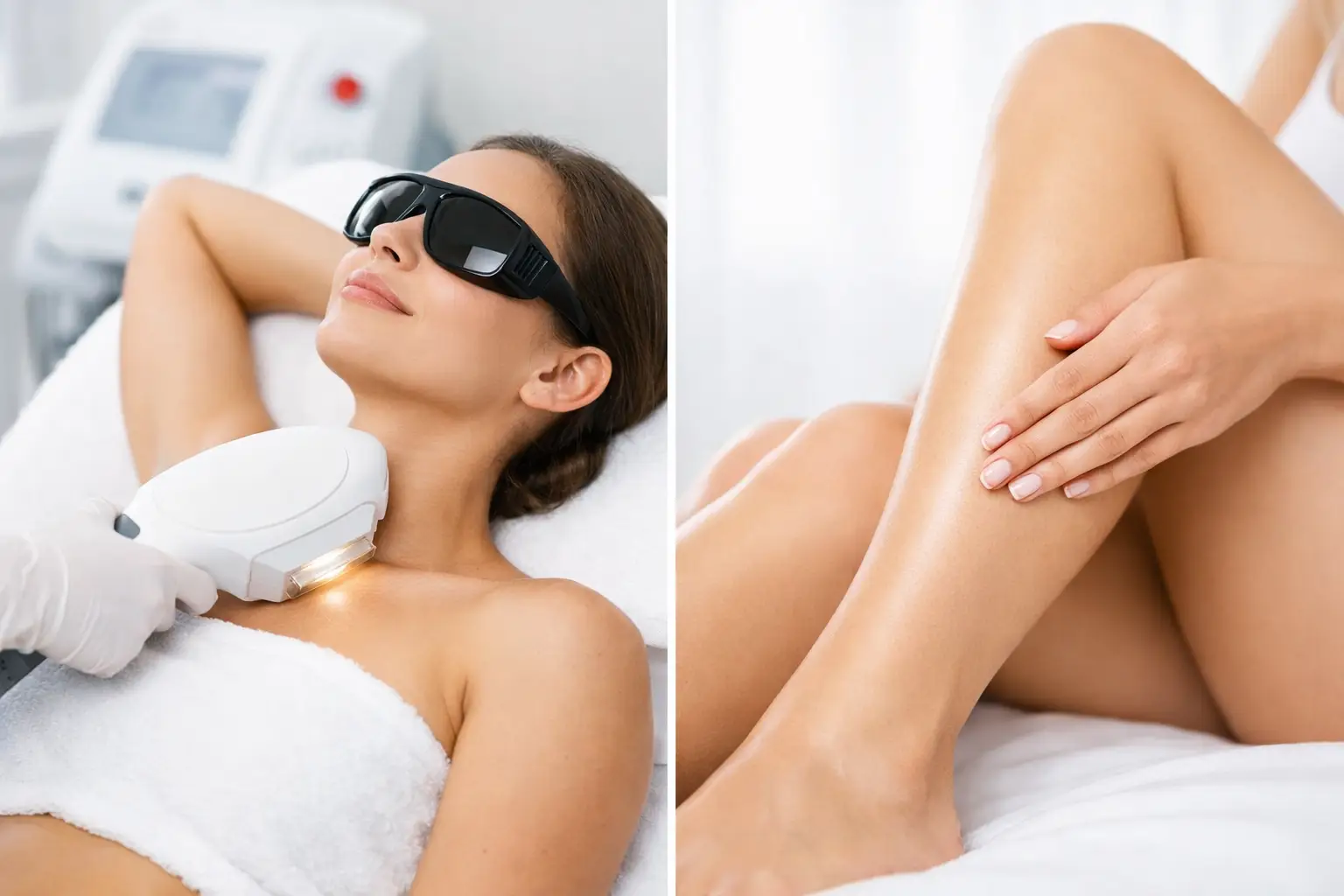
If you are considering treatment for unwanted hair, the first question is usually simple – what kind of IPL hair reduction results can I realistically expect? That is the right place to start, because good treatment is not about promises of perfection. It is about safe, effective reduction based on your skin, your hair type and a treatment plan that is properly tailored.
For many clients, IPL can make a noticeable difference. Hair often grows back finer, softer and more slowly, and some areas become patchy or significantly reduced over time. But results are not instant, and they are rarely identical from one person to the next. The best outcomes come from understanding how the treatment works, what influences progress and why professional guidance matters.
What IPL hair reduction results usually look like
IPL stands for Intense Pulsed Light. It targets the pigment in the hair follicle, using light energy to heat the follicle and reduce its ability to keep producing strong regrowth. Because hair grows in cycles, only some follicles are effectively treatable at each appointment. That is why a course of sessions is needed rather than a one-off treatment.
In practical terms, most clients do not walk out after one appointment completely hair-free. What they usually notice first is slower regrowth. Hair may take longer to appear, and when it does, it often feels finer and less dense. After a series of treatments, many people see a meaningful reduction in overall hair volume and spend far less time shaving, waxing or dealing with irritation.
The word reduction matters here. IPL is designed to reduce hair growth, not guarantee permanent removal of every single hair forever. Some follicles respond very well, some more gradually, and some may need maintenance over time.
How many sessions are usually needed?
This depends on the treatment area, your hair growth cycle, your skin tone and the thickness and colour of the hair. As a general guide, most people need a series of treatments to achieve strong IPL hair reduction results. It is common to begin with regular appointments spaced several weeks apart, then reassess once the area has responded.
Areas with coarse, dark hair often respond well, but they still require consistency. Hormonal areas, such as the face for some women, can be more stubborn and may need more sessions or ongoing maintenance. Finer hair may also respond more slowly than thicker hair with strong pigment.
This is where expectations need to be realistic. A professional clinic should explain your likely treatment course based on assessment, rather than offering blanket claims that sound too good to be true.
What affects your IPL hair reduction results?
Several factors influence how well IPL works. Hair colour is one of the biggest. Darker hair usually responds better because it contains more pigment for the light to target. Very blonde, grey, white or red hair can be much less responsive.
Skin tone also matters. Not every device is suitable for every skin type, and settings need to be selected carefully. Safety and effectiveness depend on matching the technology and treatment approach to the individual.
Hormones can play a major role as well. If you have hormonal hair growth, particularly on the face, chin or neck, your results may still be good, but maintenance is often part of the long-term plan. This does not mean treatment is not worthwhile. It simply means results need to be viewed in the context of your body and your hair growth pattern.
Consistency is another major factor. Skipping appointments or leaving too long between sessions can slow progress because hair is no longer being treated in the most effective growth phase. Home care matters too, especially avoiding hair removal methods that disturb the follicle between appointments.
Why some areas respond better than others
Not all body areas behave the same way. Underarms and lower legs often respond very well because the hair tends to be darker and coarser. Bikini areas can also achieve strong reduction, though sensitivity and hair density can vary.
Facial hair can be more complex. It may be finer, more hormonally influenced or more prone to stimulation from underlying factors. That does not rule out treatment, but it does mean careful assessment is important. A clinic with experience will explain where IPL is likely to perform strongly and where results may be slower or require maintenance.
This kind of honesty is valuable. It helps you invest in treatment with confidence, rather than guessing your way through a package that may not suit your needs.
What to expect after each session
Immediately after treatment, the skin may look slightly pink or feel warm, similar to mild sun exposure. This usually settles quickly. Over the following days or couple of weeks, treated hairs may begin to shed. Some clients mistake this for new growth, but it is often the body clearing out affected hairs.
It is also normal to see some hairs continue growing between sessions. That does not mean the treatment has failed. It usually reflects the natural hair cycle, with untreated follicles becoming active at different times.
Results build gradually. That is one of the most important things to understand before starting. IPL is a process, and the best outcomes come from giving that process time.
Professional treatment vs at-home devices
A lot of clients ask whether home devices can deliver the same result. The short answer is usually no. At-home IPL devices can be useful for some people, but they generally operate at lower power levels and are designed with broad safety margins. That can make them less effective, especially for thicker or more persistent hair.
Professional treatment offers more than stronger equipment. It includes skin assessment, appropriate settings, treatment planning and adjustment over time. If your skin is reactive, your hair is hormonally influenced, or you are treating multiple areas, this guidance can make a real difference to both safety and results.
For clients who want visible change rather than endless trial and error, clinic-based care is usually the more reliable path.
How to get the best possible result
Preparation and aftercare are not the most glamorous part of treatment, but they matter. Shaving the area as advised before your appointment helps ensure the light is directed where it needs to go. Waxing, plucking or threading between sessions is usually discouraged because these methods remove the hair root that the treatment is targeting.
Sun exposure also matters. Recently tanned skin can increase treatment risk and may affect whether a session should go ahead. Following aftercare advice, including protecting the skin and avoiding heat-based irritation straight after treatment, helps support a smooth recovery.
Most importantly, stick to your schedule. IPL works best when sessions are timed to catch hair in the right stage of growth. Delays can reduce momentum and stretch out the course unnecessarily.
Is IPL worth it?
For the right client, yes. If you are tired of shaving, prone to ingrown hairs, frustrated by fast regrowth or simply want a more low-maintenance routine, IPL can be a very worthwhile investment. The value is not only in less hair. It is also in the time saved, the smoother skin and the confidence that comes from not constantly thinking about unwanted hair.
That said, it is not a magic fix for everyone. If your hair is too light, your expectations are for total permanent removal, or your skin and hair combination is better suited to another approach, that should be discussed openly. Good treatment decisions come from proper assessment, not sales pressure.
Choosing a clinic for better IPL hair reduction results
The quality of your provider matters. A professional clinic should assess suitability properly, explain expected outcomes clearly and prioritise safe settings over aggressive treatment. You want a practitioner who is honest about what IPL can and cannot do, and who adjusts the plan based on how your skin and hair respond.
That approach is especially important if you are new to aesthetic treatments or feeling unsure. The right clinic will not rush you. It will guide you through the process, answer practical questions and make sure you feel comfortable at each stage.
At Coastal Skin Clinic, this personalised approach is central to treatment. Clients are assessed as individuals, with safety, skin response and realistic outcomes all taken seriously.
If you are thinking about IPL, the most helpful next step is not guessing from other people’s experiences. It is having your own skin and hair assessed properly, so you know what results are realistic for you and what kind of plan will give you the best chance of seeing them.