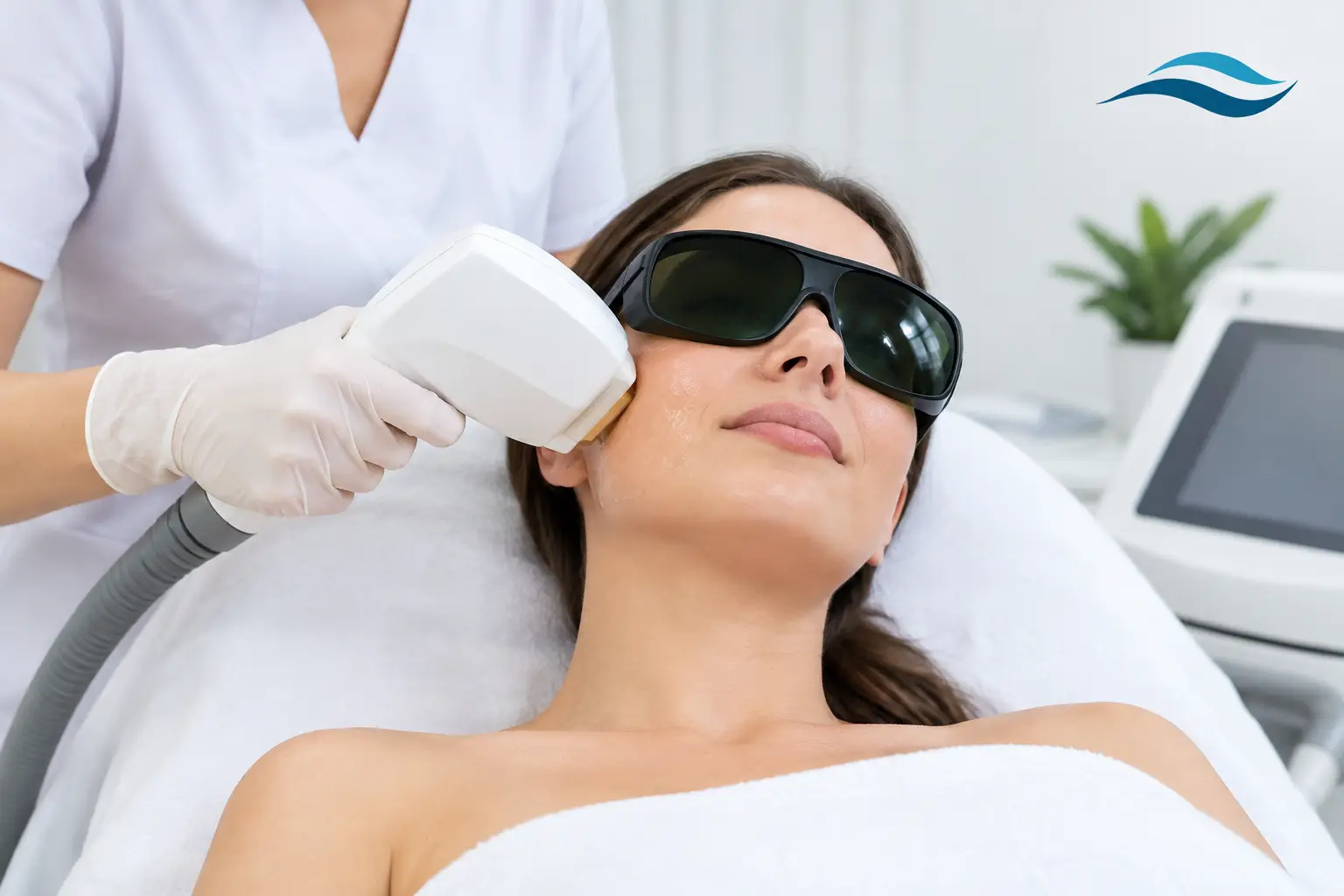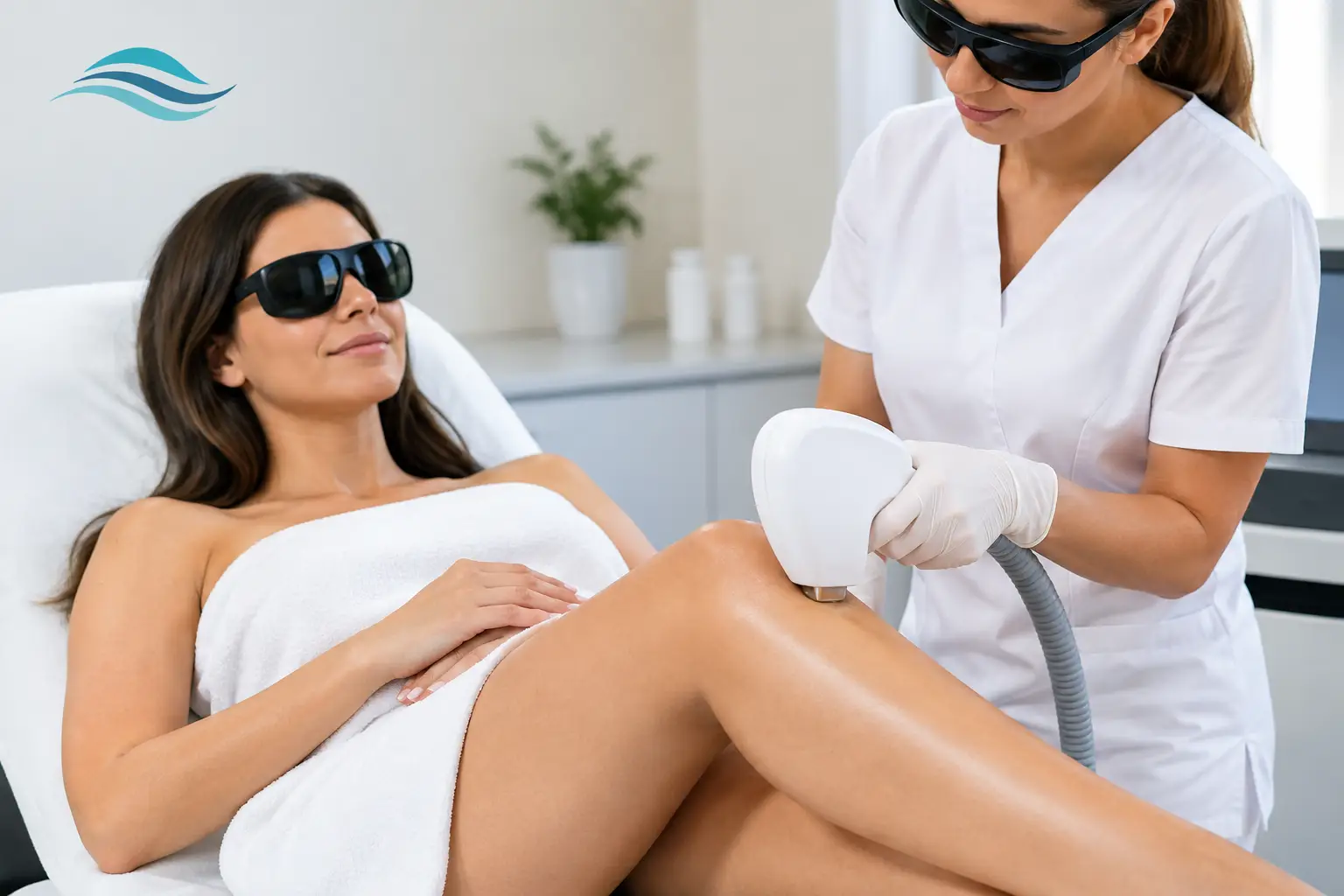
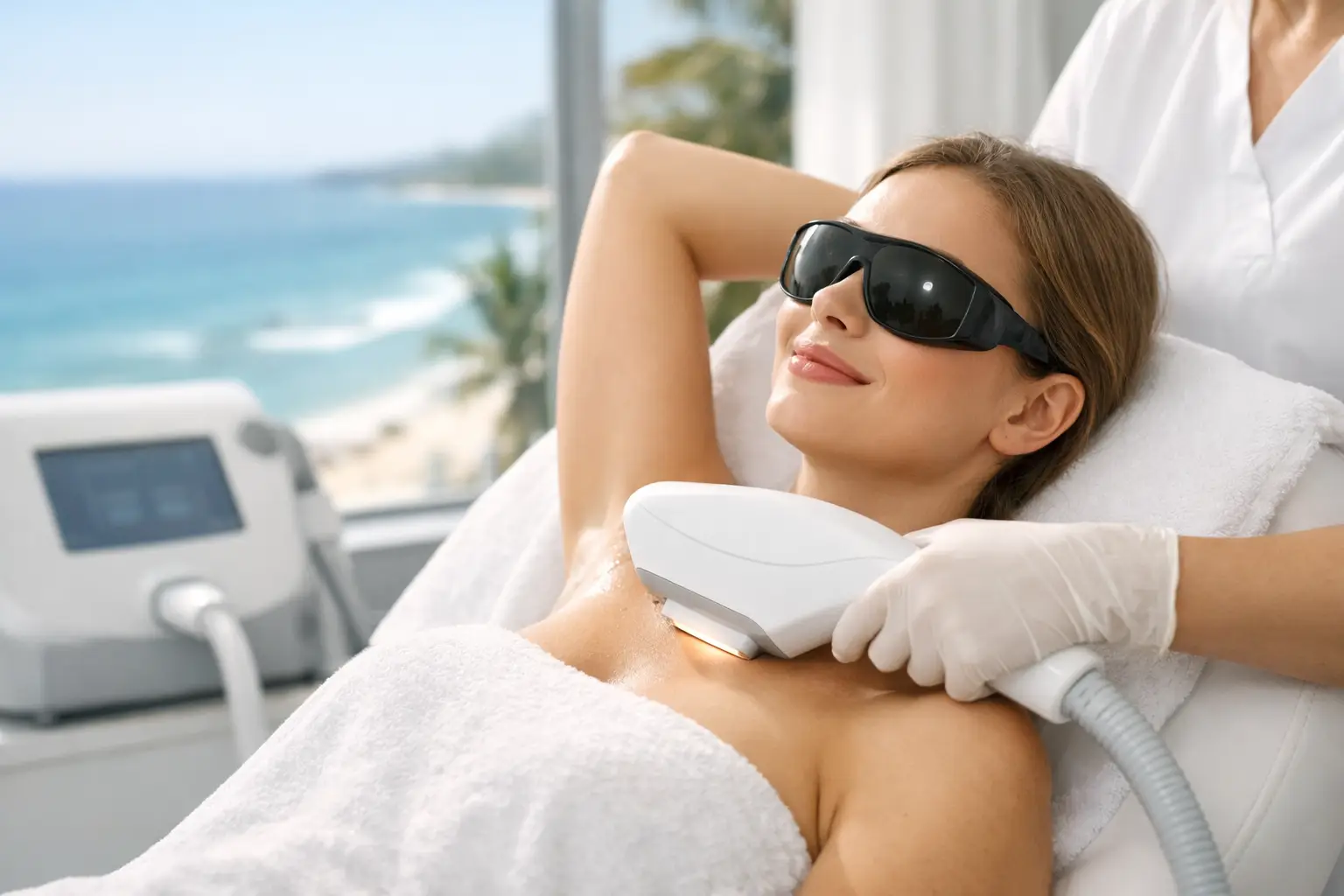
Shaving before work, waxing before holidays, checking for regrowth in bright bathroom light – it gets old quickly. That is usually the point where people start looking seriously at IPL hair reduction Sunshine Coast clinics and asking the right question: will this actually work for me?
For many people, the answer is yes – but not in a one-size-fits-all way. Hair reduction is always more effective when the treatment plan matches your skin, hair type, treatment area and expectations. That is why a proper consultation matters just as much as the machine itself.
What IPL hair reduction actually does
IPL stands for intense pulsed light. It uses controlled bursts of light energy to target pigment in the hair follicle. That heat helps disrupt the follicle’s growth cycle, which gradually reduces the amount of hair that returns.
The key word is reduction. Professional IPL can deliver a noticeable long-term decrease in hair growth, thickness and density, but it is not usually described as permanent hair removal in the absolute sense. Some follicles respond quickly, some more slowly, and maintenance treatments are often needed over time.
That might sound less dramatic than the promises you see elsewhere, but it is the more honest way to look at it. Most clients are not chasing a technical definition. They want smoother skin, less regrowth, fewer ingrown hairs and less time spent managing hair week after week.
Why people choose IPL hair reduction on the Sunshine Coast
In a warm climate, hair removal is rarely a once-in-a-while concern. It tends to become part of your routine all year round. Whether it is legs, underarms, bikini line, back, chest or facial hair, regular upkeep can be frustrating, expensive and irritating to the skin.
That is where professional IPL hair reduction on the Sunshine Coast becomes appealing. It offers a more consistent, treatment-led approach for people who are tired of the cycle of shaving, waxing and dealing with stubble or sensitivity. For many clients, the biggest benefit is not only the cosmetic result. It is the convenience.
There is also the confidence factor. If you feel self-conscious about visible hair, fast regrowth or constant irritation, reducing that burden can make everyday life feel easier. A good clinic understands that this is personal. The right treatment experience should feel supportive, not rushed or transactional.
Who IPL suits best
IPL tends to work best when there is a strong contrast between the hair and the skin – for example, darker hair on lighter skin. That is because the light is drawn to pigment in the follicle. Coarser, darker hair often responds more predictably than very fair, grey, red or fine hair.
That said, suitability is not something to guess from a website. Skin tone, recent sun exposure, medications, hormonal factors and the area being treated all affect how safely and effectively IPL can be performed. A professional consultation should assess these details before any treatment starts.
There are also times when IPL may not be the best option, or when treatment needs to be delayed. Fresh tanning, some skin conditions, certain medications and active irritation in the area can change the treatment plan. Good advice here matters. Safe. Effective. Those two words belong together.
What areas can be treated?
Most adults seeking IPL want help with areas they are constantly maintaining. Common treatment zones include underarms, legs, arms, bikini line, Brazilian, face, chest and back. Some clients choose one area first, then add others once they see how much easier their routine becomes.
Different parts of the body can respond differently. Underarms and lower legs may improve quite quickly, while facial hair can be more complex, especially where hormones play a role. That does not mean facial IPL cannot help. It just means expectations need to be realistic and the treatment plan needs to be tailored.
How many sessions will you need?
This is one of the most common questions, and the honest answer is that it depends. Hair grows in cycles, and IPL is most effective when the follicle is in the right growth phase. Because not all hairs are in that phase at the same time, a course of treatments is needed.
Many clients need a series of sessions spaced over several weeks, followed by occasional maintenance. The exact number depends on the area, your hair type, hormonal influences and how consistently treatments are scheduled. If a clinic promises the same result for every person in the same number of sessions, be cautious.
A better approach is to look for steady progress. Hair often returns more slowly, grows finer and becomes patchier. For most people, that change is what makes the treatment worthwhile.
What treatment feels like
IPL is generally well tolerated. Clients often describe the sensation as a warm flick against the skin. Some areas are more sensitive than others, but treatment is usually quite manageable, especially when performed by an experienced practitioner using quality equipment and appropriate settings.
After treatment, it is normal to have some temporary warmth or mild redness. The skin should settle, and aftercare advice will usually include sun protection, avoiding excessive heat for a short period and following any area-specific guidance provided by your clinician.
This is another reason professional care matters. The goal is not only to deliver energy to the follicle. It is to do so safely, comfortably and in a way that respects your skin.
Safety matters more than price
When comparing clinics, it is tempting to focus on package deals alone. Cost matters, of course, but IPL is not the sort of treatment where cheapest is automatically best value.
The safer question is: who is assessing your skin, explaining the process and adjusting the treatment to suit you? Professional training, experience, suitable equipment and proper licensing all contribute to better care. So does the willingness to say no, postpone treatment or recommend a different approach if that is what your skin needs.
That is especially important for first-time clients who may feel unsure about what to ask. A quality clinic will explain likely outcomes, limitations, timing and aftercare clearly. You should leave a consultation feeling informed and comfortable, not pressured.
How to prepare for IPL hair reduction
Preparation is usually straightforward, but it does affect results. The area is commonly shaved before treatment so the light can target the follicle more effectively without excess hair on the surface. Waxing, plucking and threading are generally avoided beforehand because they remove the follicle that the light needs to target.
Sun exposure also matters. Recently tanned skin can increase the risk of unwanted reactions and may make treatment unsuitable until the skin returns to its normal tone. If you live locally and spend a lot of time outdoors, that is worth planning around.
At your consultation, you should also mention medications, active skin products and any recent changes in your health. It may feel minor, but those details can influence treatment decisions.
Choosing a clinic for IPL hair reduction Sunshine Coast
If you are comparing providers, look beyond the treatment menu. The better signs are usually in the process: a proper consultation, personalised advice, realistic timeframes, clear safety protocols and a calm, professional environment.
For clients who want trusted, expert-led care, that level of support makes a real difference. It helps you understand whether IPL is right for you, what sort of result is realistic, and how to approach treatment in a way that fits your skin and lifestyle.
At Coastal Skin Clinic, that treatment-led approach is central to how care is delivered. Clients are guided through the process with professional advice, modern technology and a warm, supportive experience that never loses sight of safety.
Is IPL worth it?
For the right person, it often is. If you are tired of frequent hair removal, prone to irritation, or simply want a lower-maintenance routine, IPL can be a very worthwhile investment. The result is not magic and it is not instant, but it can meaningfully reduce both regrowth and the effort that goes with it.
It is also fine if the answer is not straightforward yet. Maybe your hair colour is lighter, your skin has had recent sun exposure, or your goals need a more tailored conversation. That does not mean you are out of options. It just means the next step should be expert guidance rather than guesswork.
The best place to start is with a clinic that will assess you properly, answer questions clearly and recommend a plan based on your skin – not a generic package. When treatment is personalised from the start, the whole process tends to feel simpler, safer and far more worthwhile.