A quick treatment advertised as “suitable for everyone” should give you pause. IPL hair reduction can be an effective way to reduce unwanted hair, but IPL safety relies on far more than the machine itself. Your skin tone, hair colour, recent sun exposure, health history and the practitioner’s assessment all influence whether treatment is appropriate and how it should be performed.
The goal is not simply to get through an appointment quickly. It is to protect your skin while working towards a gradual, visible reduction in hair growth. A professional consultation gives you the space to ask questions, understand realistic results and feel confident in the plan ahead.
What IPL does and why IPL safety matters
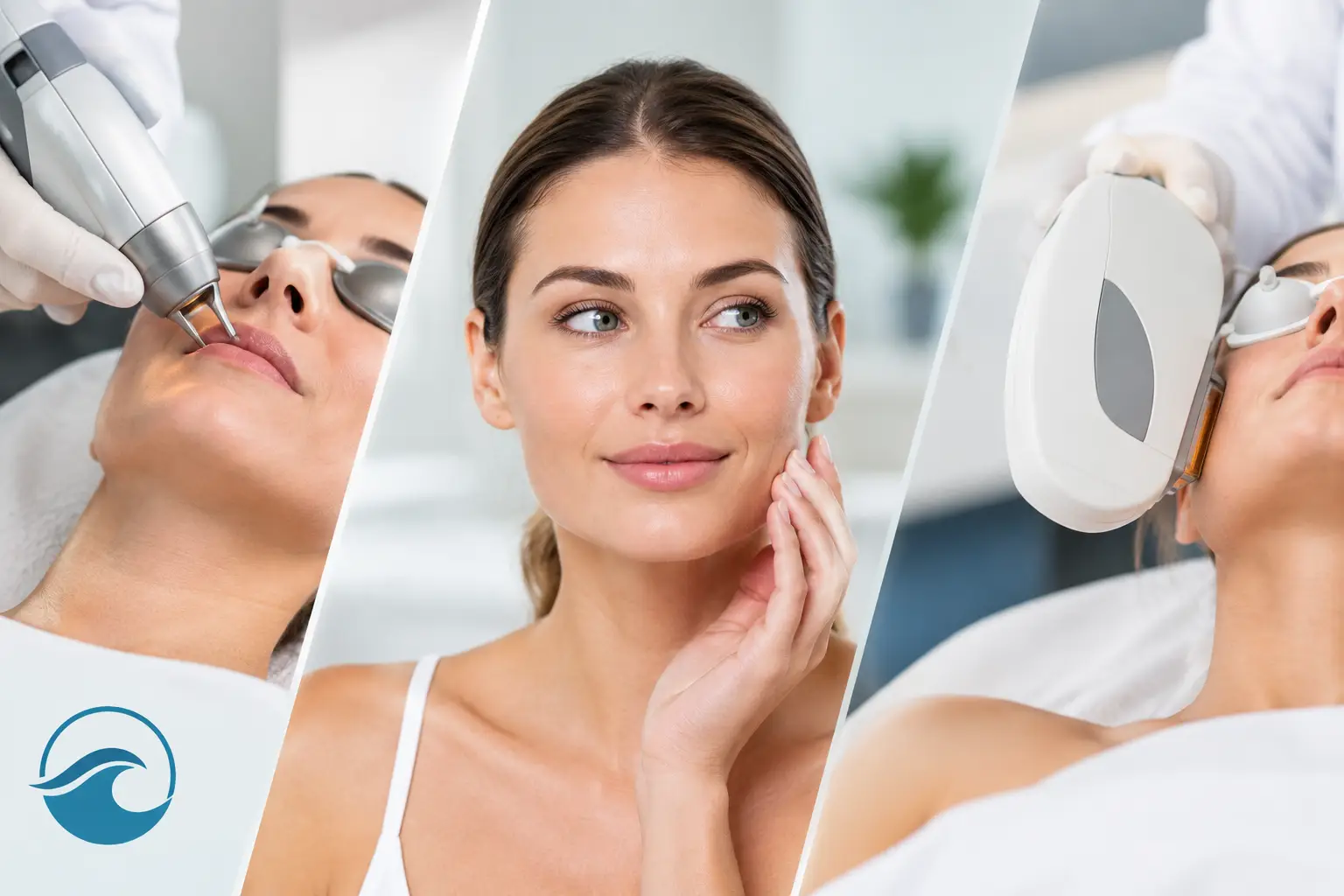
IPL stands for Intense Pulsed Light. Unlike a single-wavelength laser, IPL uses a broad spectrum of light that is filtered to target pigment in the hair. The light energy is absorbed by melanin in the hair, converted to heat and used to disrupt the hair follicle’s growth cycle.
That same principle explains why a careful approach matters. Melanin is also present in the skin, and skin can react if the settings, timing or treatment suitability are not properly assessed. A professional practitioner considers the contrast between your skin and hair, selects suitable settings, monitors your response and adjusts the plan as needed.
IPL is often most responsive for darker, coarser hair against lighter skin. It may be less effective for very blonde, grey, red or fine hair because there is less pigment for the light to target. For deeper skin tones, treatment may still be possible, but the assessment and device choice become especially important. Honest advice is always safer than promising a result that your hair and skin combination may not support.
Start with a thorough consultation
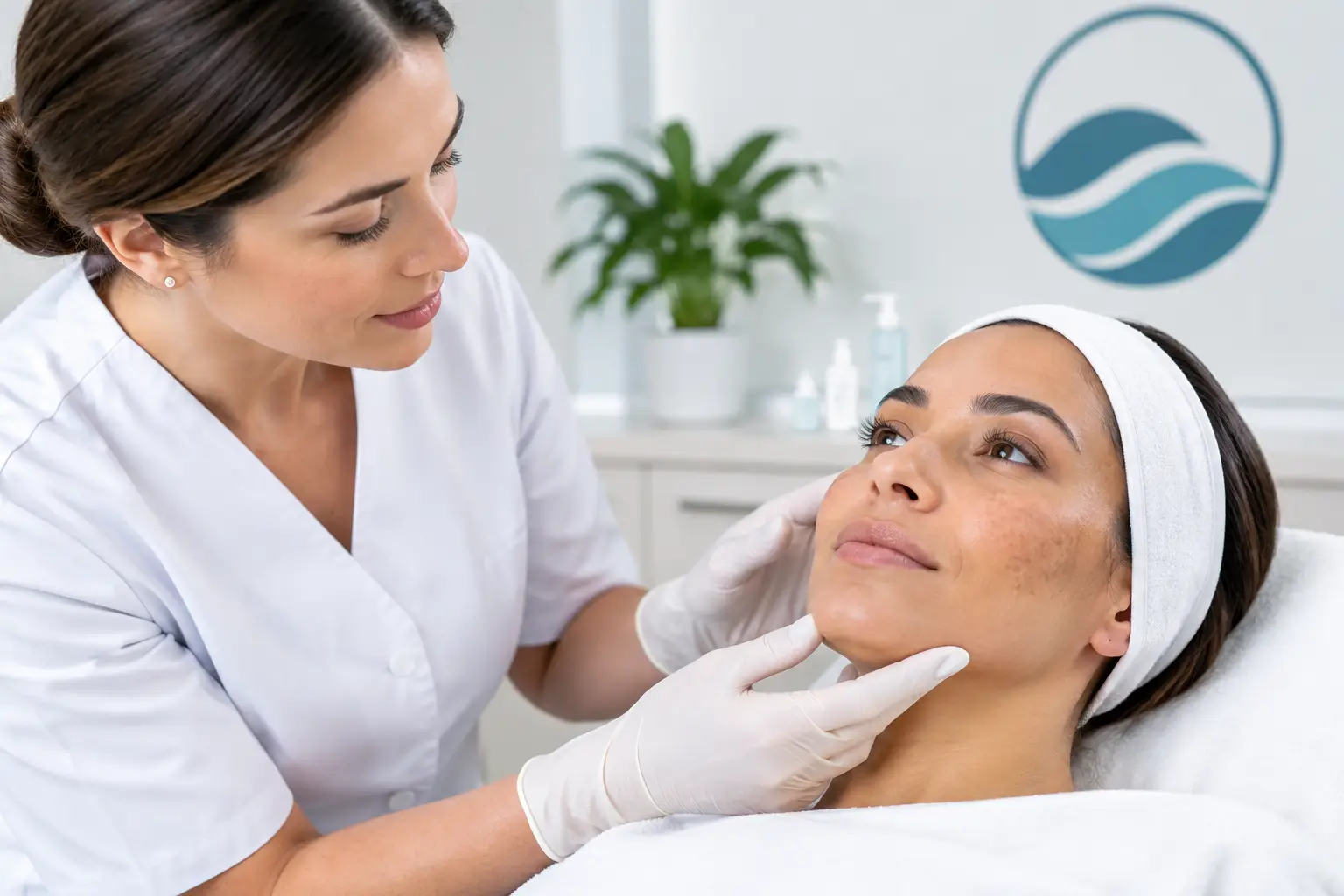
A consultation is not an optional extra before IPL. It is where safety begins. Your practitioner should ask about your skin, hair-removal history, medical conditions, current medications and skincare routine. They should also explain what you may feel during treatment, the likely number of sessions and the aftercare required.
Be open about anything that could affect your skin’s response, even if it seems unrelated. Recent tanning, fake tan, a history of pigmentation changes, cold sores in the treatment area, active skin infections and previous reactions to light-based treatments are all relevant. So are medications or topical products that can make skin more sensitive to light.
Pregnancy, breastfeeding, hormonal changes and certain health conditions can also affect the timing or suitability of treatment. The right answer is sometimes to postpone, choose another option or seek clearance from your treating health professional. That is not a setback. It is a practitioner putting your wellbeing first.
A patch test may be recommended before a first session, particularly when treating a new area, changing settings or working with skin that may be more reactive. This small step can provide valuable information about how your skin responds before a larger area is treated.
Questions worth asking at your consultation
You do not need to know the technical language to make a good decision. Ask whether IPL is suitable for your skin tone and hair type, what outcomes are realistic, who will perform the treatment and what training they have. It is also reasonable to ask how the clinic manages an unexpected skin reaction and what support is available after your appointment.
At Coastal Skin Clinic, personalised treatment planning is central to the experience. A supportive consultation should leave you feeling informed, never rushed or pressured.
How to prepare your skin safely
Good preparation helps reduce avoidable irritation and gives IPL the best chance to work as intended. Your practitioner will give instructions tailored to your treatment area and skin, but sun care is usually a major focus.
Avoid tanning and protect the area from sun exposure in the lead-up to treatment. This includes natural sun, tanning beds and self-tanning products. Tanned skin contains more surface pigment, which can increase the risk of unwanted heat absorption and make it harder to treat safely. On the Sunshine Coast, this can mean being particularly thoughtful about beach days, outdoor sport and everyday incidental exposure.
Hair should generally be shaved shortly before treatment as advised by your practitioner. Avoid waxing, plucking, threading or epilating in the weeks beforehand because these methods remove the hair root that IPL needs to target. Keep the area clean and free from deodorant, perfume, makeup, body oils or active skincare products on the day unless your practitioner advises otherwise.
If you use retinoids, exfoliating acids or other active products, do not assume they are fine to continue. Let your practitioner know exactly what you use, including products bought without a prescription. They can tell you if a pause is needed before and after treatment.
What safe treatment should feel like
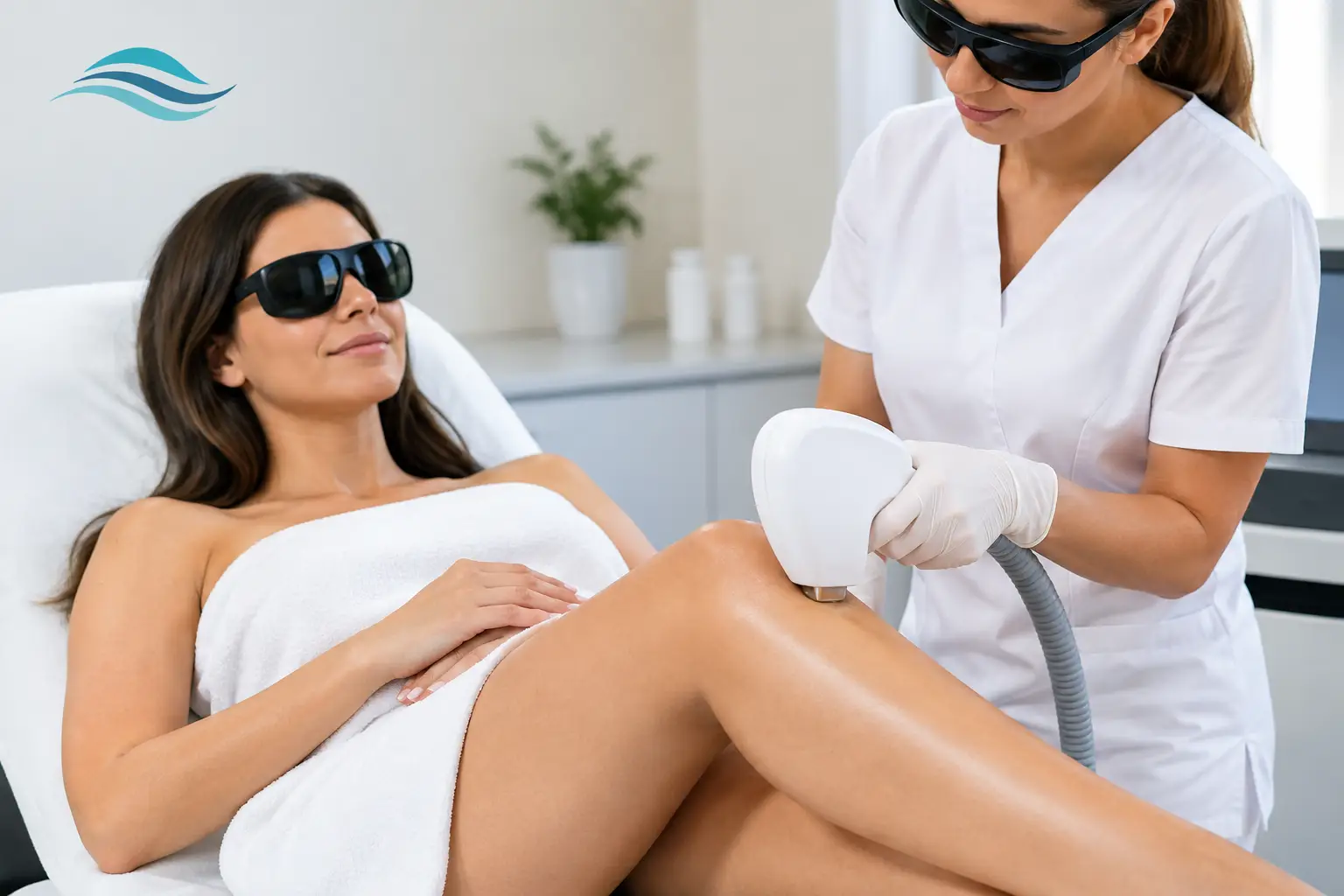
During IPL hair reduction, many clients describe a quick warm flick or elastic-band sensation. Some areas are more sensitive than others, particularly where the skin is thinner or hair is denser. Your practitioner should check in with you, use appropriate cooling where needed and respond if the sensation is more intense than expected.
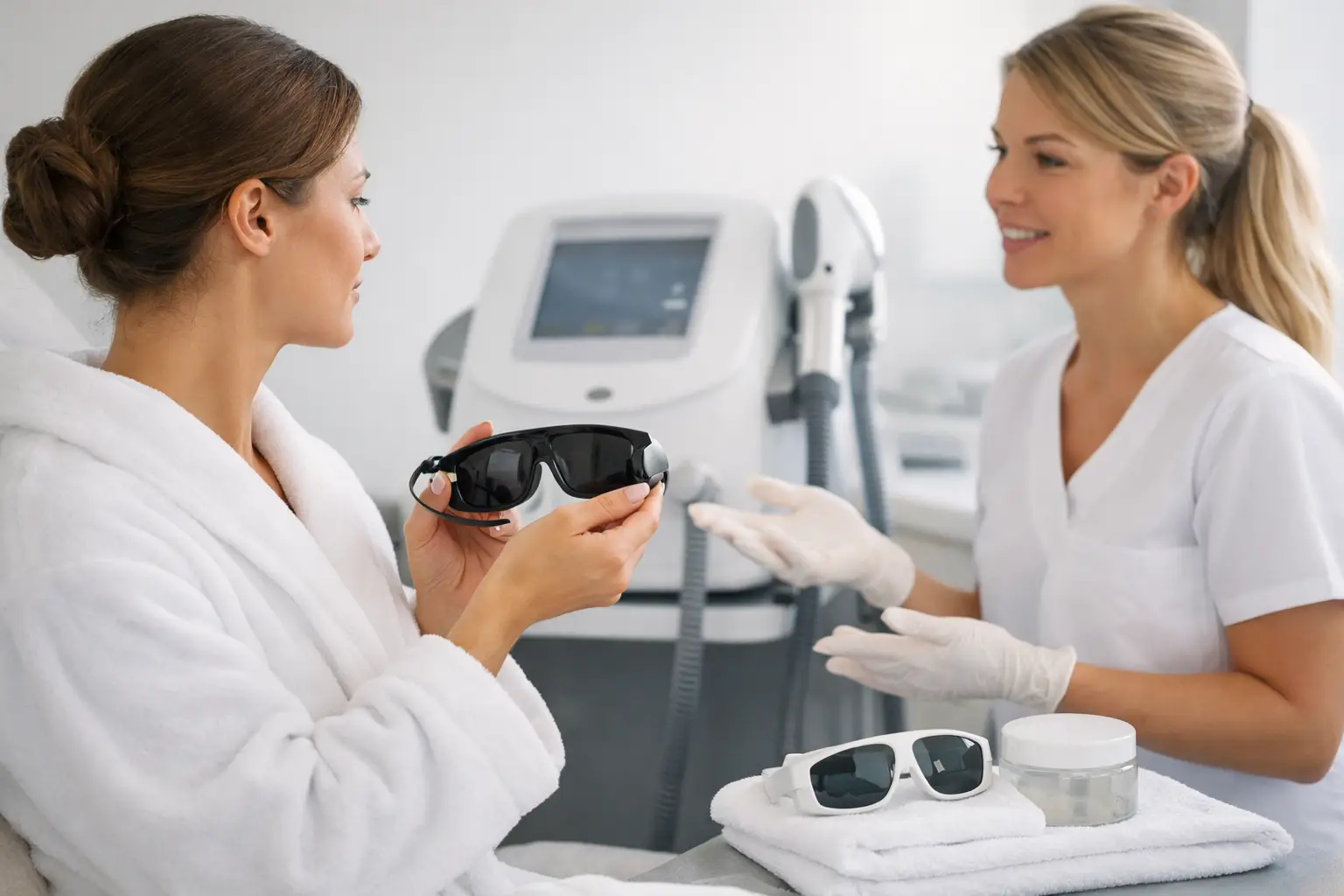
Protective eyewear is essential for both you and the practitioner. The treated skin should be assessed before treatment begins, and the practitioner should not continue over broken, irritated or suspicious-looking skin without appropriate advice.
Do not be concerned if your practitioner changes the settings, skips an area or recommends waiting. These are signs that they are responding to your skin rather than applying a one-size-fits-all protocol. Safe. Effective. Treatment is always individual.
Aftercare protects your results and your skin
Mild redness, warmth and small bumps around the follicles can occur after IPL. This can resemble a light sunburn and usually settles within a short time. A cool compress and a gentle, fragrance-free moisturiser may feel soothing if recommended for you.
For the first day or two, treat the area gently. Avoid hot showers, saunas, spas, vigorous exercise and tight clothing if they are likely to add heat or friction. Skip scrubs, exfoliants and active skincare until your skin has settled. Most importantly, keep the area out of direct sun and use appropriate sun protection.
Do not pick, scratch or exfoliate any dry or irritated patches. Hair may appear to continue growing after a session, but it is often shedding from the treated follicle over the following days or weeks. Shaving is usually acceptable between sessions if needed, while waxing and plucking can interrupt the treatment cycle.
Contact your clinic promptly if you experience significant swelling, blistering, increasing pain, crusting or a reaction that concerns you. While uncommon with appropriate assessment and treatment, these symptoms deserve professional guidance rather than guesswork.
Choose professional care over a bargain
At-home IPL devices and heavily discounted treatments can look tempting, especially when unwanted hair feels like a routine problem. The trade-off is that home devices are generally lower powered, and they cannot replace a practitioner’s trained assessment of your skin, hair and risk factors. A cheap appointment is not necessarily poor treatment, but price alone should never be the deciding factor.
For Queensland clients, look for a clinic that takes standards seriously, uses well-maintained equipment and operates with the relevant QLD Health licensing requirements. Experience matters, but so does the willingness to say no, alter a plan or refer you elsewhere when IPL is not the right option.
Results take a plan, not a single session
Hair grows in cycles, and IPL is most effective when follicles are in an active growth phase. That is why a course of sessions, spaced according to the treatment area and your hair cycle, is usually recommended. Results vary with hormones, genetics, hair density, skin tone and the area being treated.
Some clients notice finer or slower regrowth early in their course. Others need more sessions or occasional maintenance to keep results on track. A trustworthy practitioner will discuss this clearly rather than guarantee permanent hair removal from a fixed number of visits.
The safest next step is a proper consultation where your skin is seen, your questions are welcomed and the treatment plan is designed around you. Feeling looked after is not separate from IPL safety – it is part of it.