A few hours of redness after IPL can be completely normal. A blister, increasing pain or a patch of skin that changes colour is not something to brush off. Understanding IPL treatment risks helps you separate expected healing from warning signs, and choose treatment with confidence rather than guesswork.
IPL, or Intense Pulsed Light, uses broad-spectrum light to target pigment in hair or the skin. It may be used for hair reduction, sun-related pigmentation, redness and certain rejuvenation concerns. While IPL is non-surgical and can be an effective option for suitable clients, it is still a powerful light-based treatment. The quality of the consultation, the settings selected and your preparation all matter.
What reactions are normal after IPL?
The skin’s response depends on the area treated, the concern being addressed and the energy used. After IPL hair reduction, it is common to experience temporary redness and mild swelling around individual hair follicles. It can look a little like goosebumps or a mild sunburn and generally settles over several hours to a couple of days.
Following IPL for pigmentation or skin rejuvenation, freckles and sunspots may temporarily darken before they lift or fade. The area can feel warm, dry or slightly tight. These responses can be part of the intended treatment process, provided they are mild and improve as expected.
Your clinician should explain what is likely for your particular treatment and give you clear aftercare instructions. If you are unsure whether your reaction is normal, it is always sensible to contact the clinic rather than relying on advice found online.
IPL treatment risks to understand
Most IPL complications are uncommon when a treatment is properly planned and performed, but no aesthetic procedure is entirely risk-free. A careful provider will discuss the relevant possibilities before proceeding, rather than promising a one-size-fits-all result.
Burns, blistering and skin irritation
Because IPL works by delivering heat, burns are a possible risk. They can occur when settings are unsuitable for the skin, if the skin is recently tanned, if treatment overlaps excessively or if aftercare is not followed. A burn may appear as marked redness, swelling, tenderness, crusting or blistering.
Minor irritation should steadily improve. Skin that becomes increasingly painful, develops blisters or weeps needs prompt professional assessment. Do not pick, scrub or apply active skincare products in an attempt to speed up healing, as this can worsen irritation and raise the chance of scarring.
Changes in pigmentation
IPL is drawn to pigment, which is why it can be helpful for some spots and uneven tone. It also means there is a risk of temporary or, less commonly, longer-lasting pigment changes. Hyperpigmentation is darkening of the skin, while hypopigmentation is lightening.
This risk is greater when skin has recent sun exposure or fake tan, when there is existing inflammation, or when the device settings do not suit the individual’s skin tone and concern. Some clients with deeper skin tones can be treated safely, but suitability and settings require particular care. IPL is not automatically the best light-based option for every skin tone or condition.
Scarring and changes in texture
Scarring from IPL is rare, but it can occur after a significant burn, infection or trauma to healing skin. People with a history of keloid or raised scarring should discuss this during consultation. So should anyone prone to cold sores when treating around the mouth, as light-based treatments can sometimes trigger a recurrence.
The best response is prevention: disclose your history, follow aftercare closely and let the skin heal without friction, exfoliation or sun exposure.
Eye injury
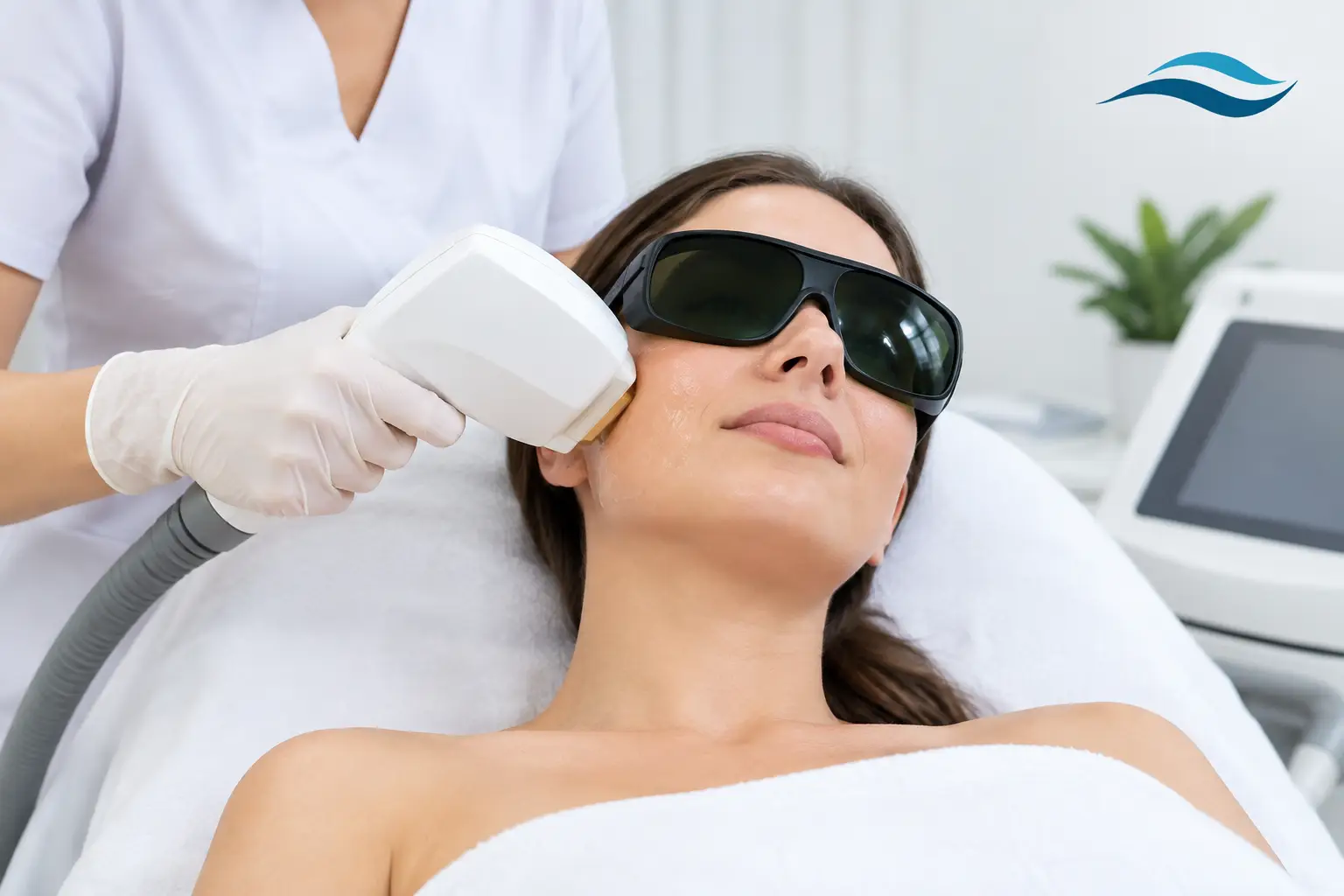
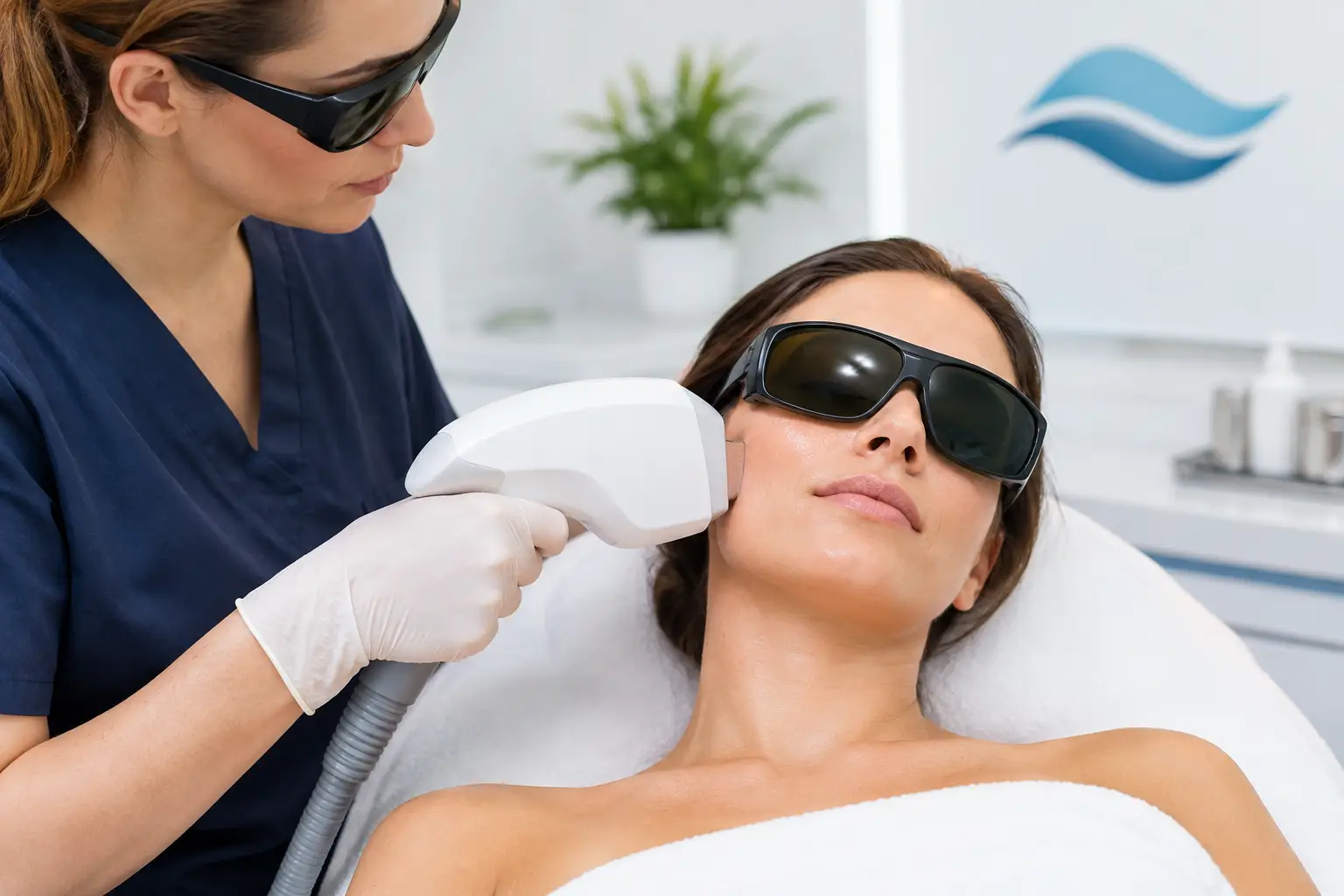
IPL light can seriously damage the eyes if appropriate protection is not used. Proper, treatment-specific eye protection is non-negotiable for both the client and practitioner. This is especially important when treating near the face, including the upper lip, cheeks and forehead.
Never look directly at the flash, and do not accept treatment where eye protection is treated as optional or inconvenient.
Unexpected hair responses
With IPL hair reduction, the goal is to reduce visible hair growth over a series of treatments. Results vary by hair colour, density, hormones, treatment area and consistency with appointments. Very light, grey or red hair may not respond well because it contains less pigment for the light to target.
In a small number of cases, particularly in certain hormonal areas, clients may notice increased or finer hair growth around the treated zone. This is known as paradoxical hypertrichosis. It is not always predictable, which is why a personalised discussion about the treatment area and your hair growth pattern matters.
Who needs extra care before treatment?
IPL is not a treatment to book immediately after a beach holiday or a weekend outdoors. Recent sun exposure, tanning beds and fake tan can all increase risk and make it difficult to assess your natural skin tone accurately. Even a tan that seems mild can affect how skin responds.
Your clinician also needs to know about current medications, supplements and topical products. Some can make skin more sensitive to light or affect healing. Retinoid products, exfoliating acids and certain prescription medicines may need to be paused or managed differently, but only under appropriate professional guidance. Do not stop prescribed medication without speaking with the clinician who prescribed it.
Active skin infections, open wounds, severe dermatitis or a flare of an inflammatory skin condition may mean treatment should be delayed. Pregnancy and breastfeeding policies can vary between clinics and treatments, but elective IPL is commonly postponed during pregnancy due to limited safety evidence and changing skin behaviour. A consultation allows these factors to be considered properly.
Why a consultation reduces IPL risk
A consultation is not a formality. It is where safe treatment begins. A trained practitioner should ask about your medical history, previous cosmetic treatments, medication, sun exposure, skin sensitivity and what you hope to achieve. They should assess whether IPL is suitable, or whether another approach would better protect your skin and suit your goals.
A test patch may be recommended, particularly for first-time clients, people with sensitive or deeper-toned skin, or when treating a new area. It gives the skin time to show its response before a full session. It may feel like an extra step, but it is a sensible one.
At Coastal Skin Clinic, treatment planning is personalised rather than rushed. The aim is to select an appropriate approach for your skin, explain realistic outcomes and ensure you know how to care for the area afterwards.
Practical steps that protect your skin
Safe results rely on both the clinic and the client. Before your appointment, avoid sun exposure as advised, arrive with clean skin free from fake tan and disclose any changes to your health or products. If you are having IPL hair reduction, shave the area when instructed rather than waxing, plucking or epilating, as the hair root needs to be present for IPL to work.
After treatment, keep the skin cool and calm. Avoid heat, vigorous exercise, saunas, hot showers and active skincare until your clinician says it is appropriate. Use gentle products, do not scratch or exfoliate treated skin, and apply broad-spectrum sun protection diligently. Sun protection is particularly important after pigmentation treatments, where UV exposure can undo progress and increase the chance of uneven colour.
When to seek advice promptly
Contact your clinic as soon as possible if you develop severe or worsening pain, extensive swelling, blisters, broken skin, pus, fever, pronounced redness that spreads, or any unexpected eye symptoms. Early guidance can reduce the likelihood of further skin damage.
IPL can be a safe, effective part of a skin or hair-reduction plan when it is chosen carefully and delivered by trained professionals using suitable technology. The right treatment should leave you feeling informed and looked after, with a clear plan for both results and recovery.