Unwanted hair is rarely just about hair. It can mean planning outfits around shaving, managing irritation, or feeling self-conscious when regrowth appears sooner than expected. When comparing IPL versus electrolysis treatments, the most useful question is not which option is universally better. It is which treatment suits your hair, skin, goals and available time.
Both methods can play a valuable role in a professional hair-removal plan, but they work in very different ways. A thoughtful consultation helps turn a confusing choice into a treatment plan that feels safe, realistic and right for you.
IPL versus electrolysis treatments: the key difference
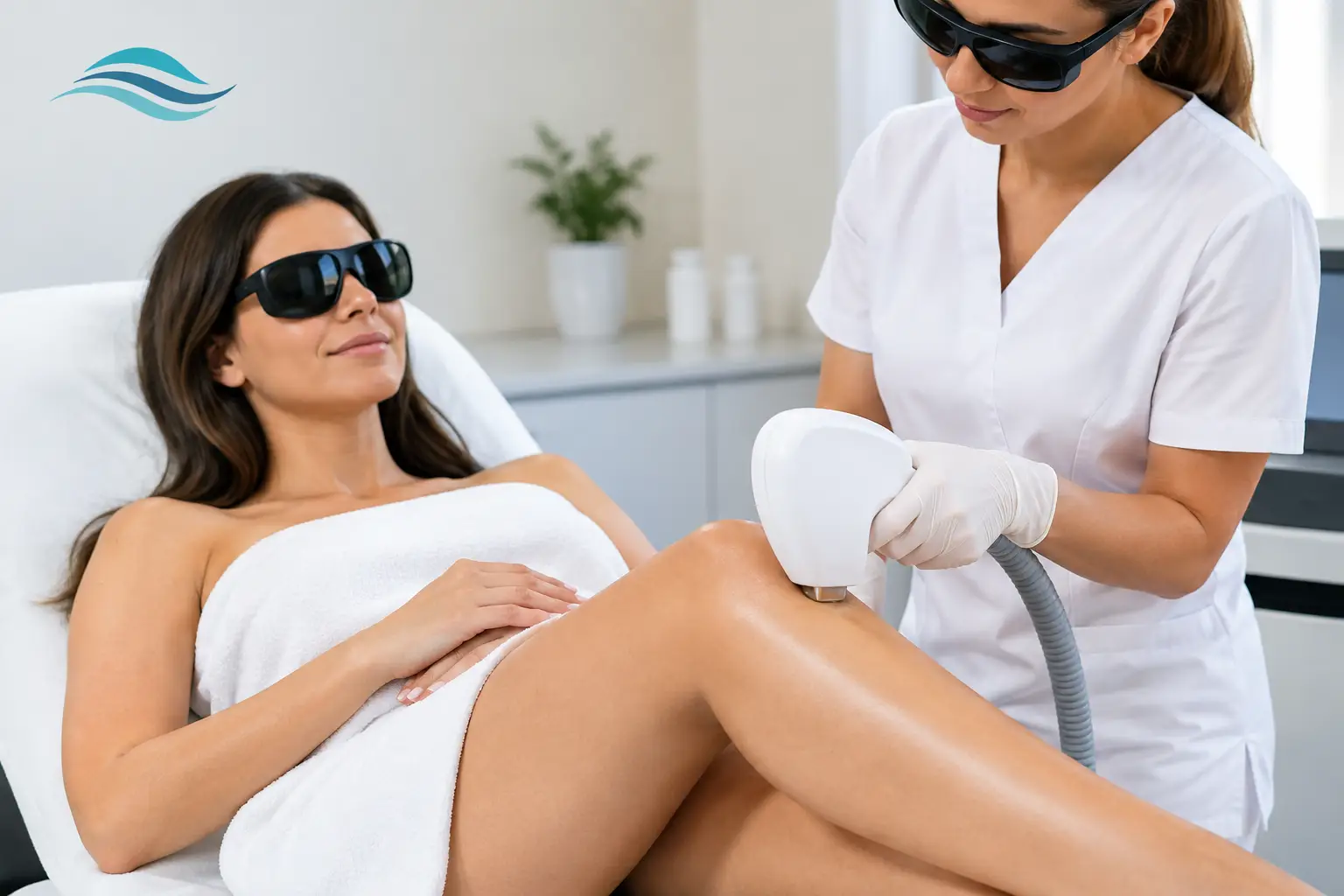
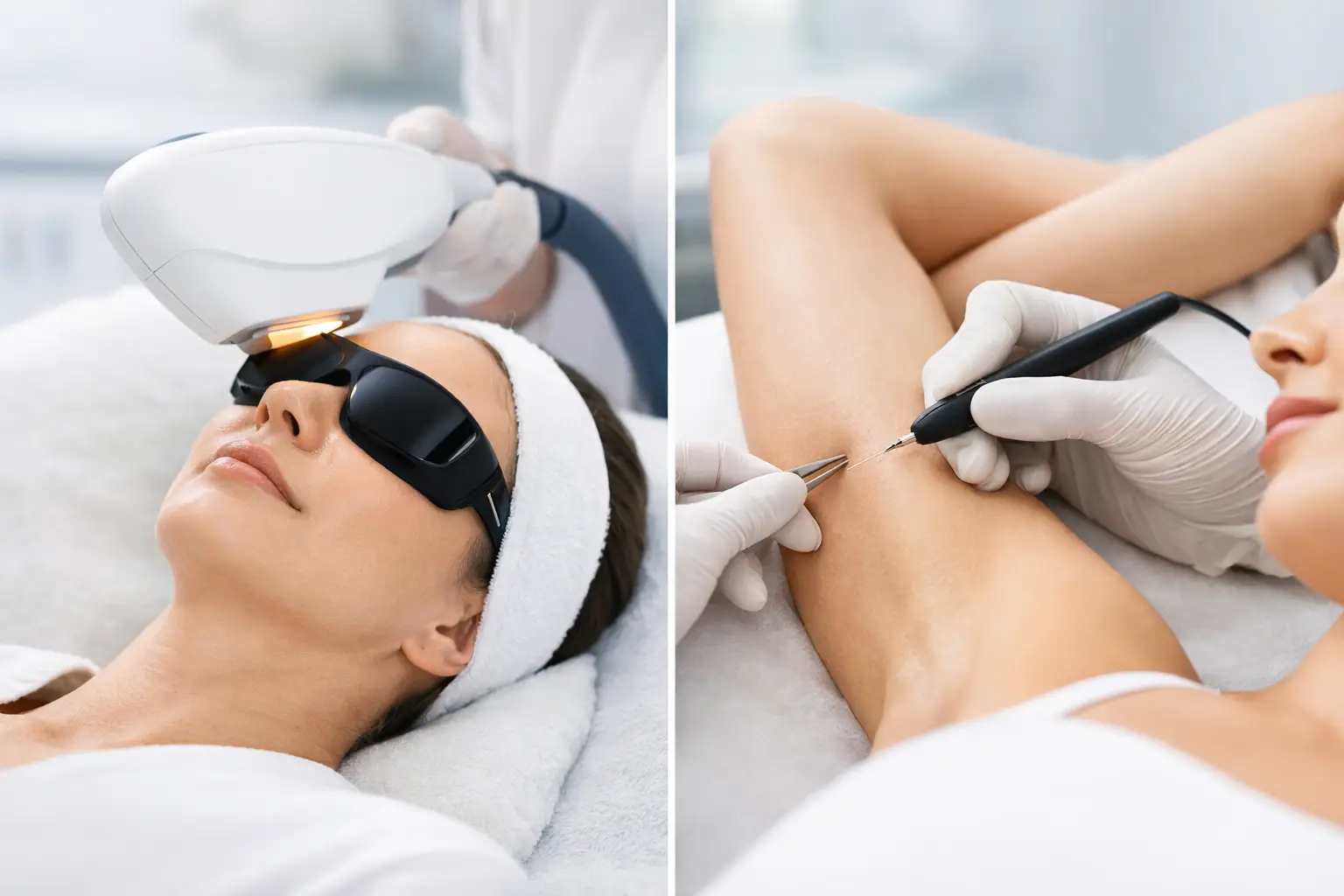
IPL stands for Intense Pulsed Light. It uses broad-spectrum pulses of light that are absorbed by pigment in the hair. The heat travels down the hair shaft to target the follicle, helping to reduce future growth. Because IPL can treat many follicles at once, it is commonly chosen for larger areas such as legs, underarms, bikini lines, backs and chests.
Electrolysis works follicle by follicle. A very fine sterile probe is inserted into the natural opening of each follicle and a small electrical current is used to treat the growth centre. The treated hair is then removed with tweezers. This detailed approach makes electrolysis suitable for smaller areas and individual hairs that are difficult to address with light-based treatments.
In simple terms, IPL is designed for efficient reduction across an area, while electrolysis is a highly targeted method for permanent hair removal of individual follicles. Neither should be viewed as a quick fix. Hair grows in cycles, and successful treatment relies on timing, consistency and an approach tailored to the person in front of us.
When IPL may be the better choice
IPL is often the practical starting point for people who have a larger treatment area and dark, visible hair. The contrast between darker hair and lighter skin generally gives light-based technology a clearer target, although modern settings and suitability will always need to be assessed individually.
A treatment appointment can be relatively quick compared with treating each hair one at a time. This makes IPL appealing for clients who are tired of regular shaving, waxing or dealing with ingrown hairs over broad areas. As hair growth reduces, many people find their routine becomes easier and their skin feels less irritated between appointments.
IPL works best when hairs contain sufficient pigment. Blonde, grey, white, red and very fine hairs may not absorb enough light to respond well. It is also not appropriate to treat every skin tone or recent tan in the same way. A trained practitioner will consider skin tone, hair colour, hair density, medications, sun exposure and treatment history before recommending a course.
It is helpful to set the right expectation from the beginning: IPL is generally described as long-term hair reduction, not a guarantee that every follicle will be permanently removed. Some areas can respond very well, while hormonal changes, genetics and new growth cycles may mean occasional maintenance appointments are useful.
What an IPL course usually involves
IPL treatments are spaced to catch hairs in their active growth phase. Not every hair is active on the day of your appointment, which is why a series is usually recommended rather than a single session. Your practitioner will advise a schedule based on the body area and your individual growth pattern.
Before treatment, the area is usually shaved rather than waxed or plucked. The hair root needs to remain in place for the light energy to do its job. Protecting the area from sun exposure and following aftercare advice are equally important for both comfort and safety.
When electrolysis may be the better choice
Electrolysis is often the stronger option for hairs that IPL cannot reliably target. That includes light, grey, white, red or very fine hairs, along with isolated coarse hairs on areas such as the chin, upper lip, jawline or around the brows. It can also be helpful after a course of IPL when only a small number of stubborn hairs remain.
Because electrolysis treats one follicle at a time, the process is precise. It does not rely on the colour of the hair in the same way IPL does, which gives it an advantage across hair colours and skin types when performed appropriately by a qualified professional.
The trade-off is time. Clearing a small facial area may be manageable in short, regular appointments, but treating an entire leg follicle by follicle would be far less efficient than IPL. Electrolysis also requires repeat treatments because follicles are only effectively treated while hairs are in the right stage of growth.
For the follicles that are successfully treated, electrolysis is recognised as a method of permanent hair removal. That does not mean every hair in an area is treated in one visit, or that the body will never produce new hair due to hormonal changes. It means the focus is on permanently disabling treated follicles over time.
Comfort and skin response
Both treatments involve sensation, but it is different for each person and area. IPL is often compared with the quick flick of an elastic band, followed by warmth. Electrolysis may feel like a brief heat or prickling sensation in each follicle. Sensitive zones can feel more noticeable than areas such as the lower legs.
Temporary redness, warmth or minor swelling around follicles can occur after either treatment. With electrolysis, tiny scabs may occasionally develop as the skin heals, particularly in delicate areas. They should not be picked. A practitioner should provide clear aftercare instructions and discuss what a normal response looks like for your treatment area.
Your hair and skin matter more than the trend
The best hair-removal plan is personal. A friend’s excellent IPL result does not automatically mean IPL is ideal for your hair colour or skin tone. Likewise, electrolysis may be exactly what you need for a few pale chin hairs, but not the most time-efficient choice for extensive body hair.
Hormonal influences deserve an honest conversation too. Conditions that affect hair growth, as well as life stages and medication changes, can influence both the amount of hair present and the maintenance a person may need. Professional treatment can still be worthwhile, but realistic expectations matter.
If you have a history of pigmentation changes, scarring, cold sores near a facial treatment area, active skin irritation, recent sun exposure or are using particular skincare or medications, mention it before booking. Treatment may need to be adjusted, delayed or avoided for your safety.
Can IPL and electrolysis be used together?
Yes. For many people, a combined strategy makes practical sense. IPL can reduce dark, dense hair over larger areas efficiently, then electrolysis can focus on the lighter, finer or remaining hairs that light-based treatment does not effectively target.
This is particularly useful for clients who want meaningful reduction first but also have a goal of clearing isolated hairs over time. It is not about committing to the most intensive option. It is about using the right technology for the right hair.
At Coastal Skin Clinic, personalised guidance starts with understanding what is bothering you, what you have already tried and what result would genuinely make a difference to your daily routine. A consultation allows us to assess suitability, explain the likely treatment pathway and answer questions without pressure.
How to make a confident decision
Start by thinking about the area you want to treat. Is it broad with dark hair, or small with pale or stubborn hairs? Then consider your priority. Are you looking to reduce the time spent shaving and waxing, or are you focused on permanently treating specific individual hairs?
It also helps to consider how regularly you can attend appointments. IPL courses are planned around hair cycles and are generally efficient for large zones. Electrolysis can be completed in shorter sessions but rewards consistency, especially where there is a larger number of hairs to clear.
Avoid choosing solely based on a promotion, a device type or someone else’s result. Safe, effective treatment depends on correct settings, suitable technique and honest advice. A professional assessment gives you a clearer understanding of the likely results, possible limitations and aftercare involved.
The right treatment should leave you feeling informed, comfortable and supported. Whether IPL, electrolysis or a combination is appropriate, a carefully planned approach can replace the cycle of daily hair removal with progress you can see and feel.