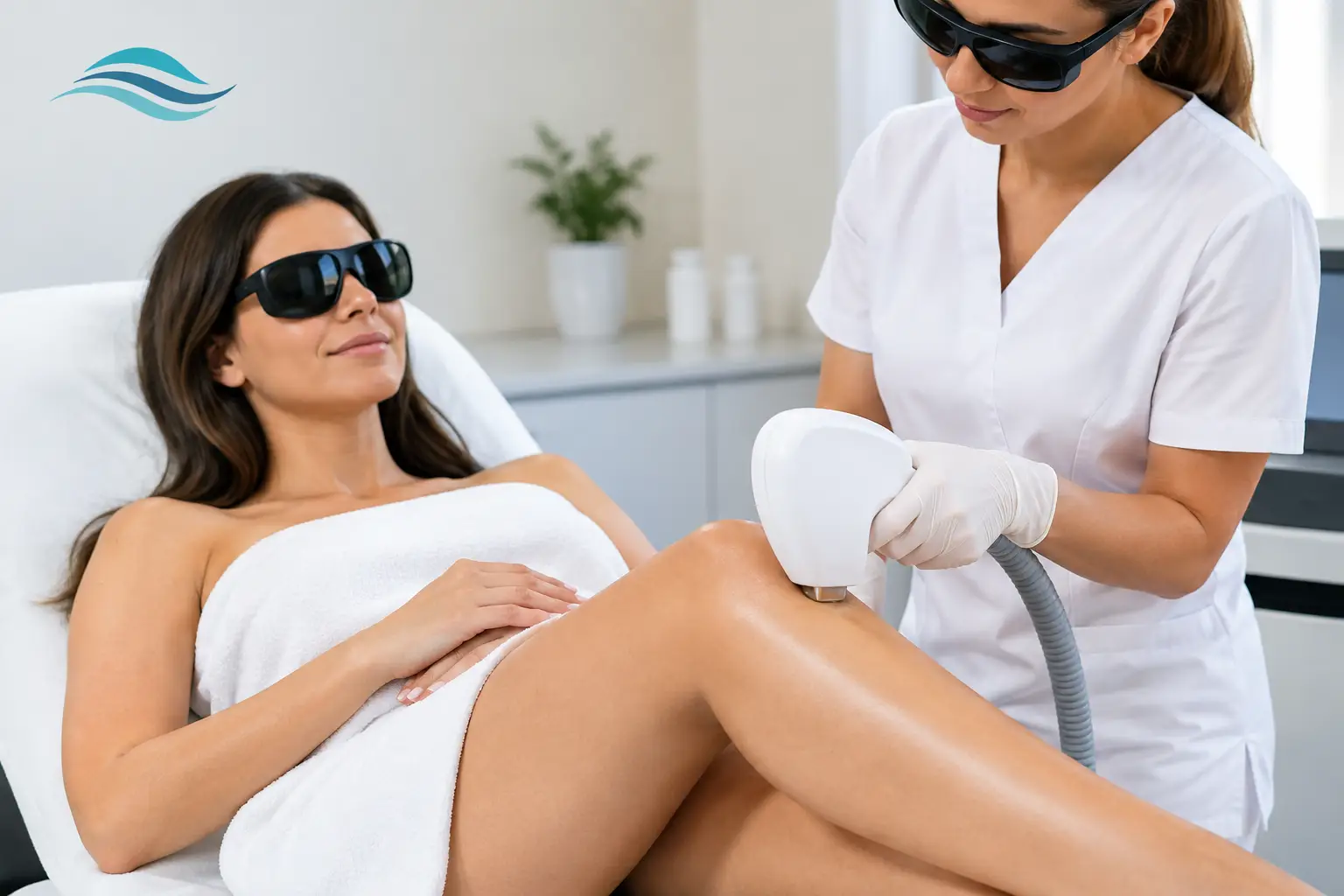

If you are tired of shaving every few days or booking regular waxing appointments, it is completely fair to ask: is IPL hair reduction permanent? The short answer is no, not in the strict once-and-never-again sense. But it can deliver long-term hair reduction, with many clients seeing less regrowth, finer hair and much slower return after a full treatment course.
That distinction matters because expectations shape satisfaction. IPL can be an excellent option for reducing unwanted hair safely and effectively, but the best results come when you understand what the treatment can do, what it cannot do, and why ongoing maintenance is usually part of the plan.
Is IPL hair reduction permanent or long-lasting?
IPL hair reduction is best described as long-lasting hair reduction rather than permanent hair removal. The light energy targets pigment in the hair and heats the follicle, which helps disrupt future growth. Some follicles may stop producing hair for a very long time, while others may recover and grow hair again later.
So when people ask if IPL hair reduction is permanent, the more accurate answer is that it can create a significant and lasting reduction in hair, but it does not guarantee that every treated hair will be gone forever. Hormones, genetics, the treatment area and your hair type all affect how durable the result will be.
For many people, the outcome is still well worth it. Even when hair does return, it is often lighter, finer and more manageable than before.
Why IPL needs more than one session
Hair grows in cycles, and IPL is most effective when hairs are in the active growth phase. Not all hairs are in that phase at the same time, which is why one session cannot treat every follicle effectively.
This is the reason treatment plans are spaced out across a series of appointments. Each session targets a new group of hairs at the right stage of growth. Over time, that repeated approach gives you a much better reduction in overall hair density.
In a professional clinic setting, your practitioner will recommend a schedule based on the area being treated, your skin tone, your hair colour and how your body responds. That personalised planning is a big part of getting consistent results.
What kind of results can you realistically expect?
Most clients notice that hair starts growing back more slowly after the first few sessions. As treatment continues, the regrowth usually becomes patchier and finer. Areas that once needed frequent shaving may only need occasional maintenance.
Results are not identical for everyone. Darker, coarser hair usually responds best because it contains more pigment for the light to target. Very fair, grey, white or red hair can be more difficult to treat effectively with IPL. Skin tone also matters, because the treatment needs enough contrast between the pigment in the hair and the surrounding skin.
The body area makes a difference as well. Underarms, bikini and lower legs often respond well. Facial hair can improve too, but it may be more influenced by hormones, which can make long-term management a little less predictable.
Why maintenance treatments are usually needed
Even after a great initial course, maintenance matters. That does not mean the treatment has failed. It simply reflects how the body works.
Hair follicles can recover over time, and dormant follicles may become active later. Hormonal changes, ageing, pregnancy, menopause and certain medical conditions can all influence regrowth. This is especially relevant for areas like the face, chin and neck.
For some clients, maintenance may mean a session every six to twelve months. Others may need them a little sooner or less often. It depends on how your hair behaves over time. A good clinic will be honest about this, because realistic advice is part of safe and professional care.
Is IPL the same as laser hair removal?
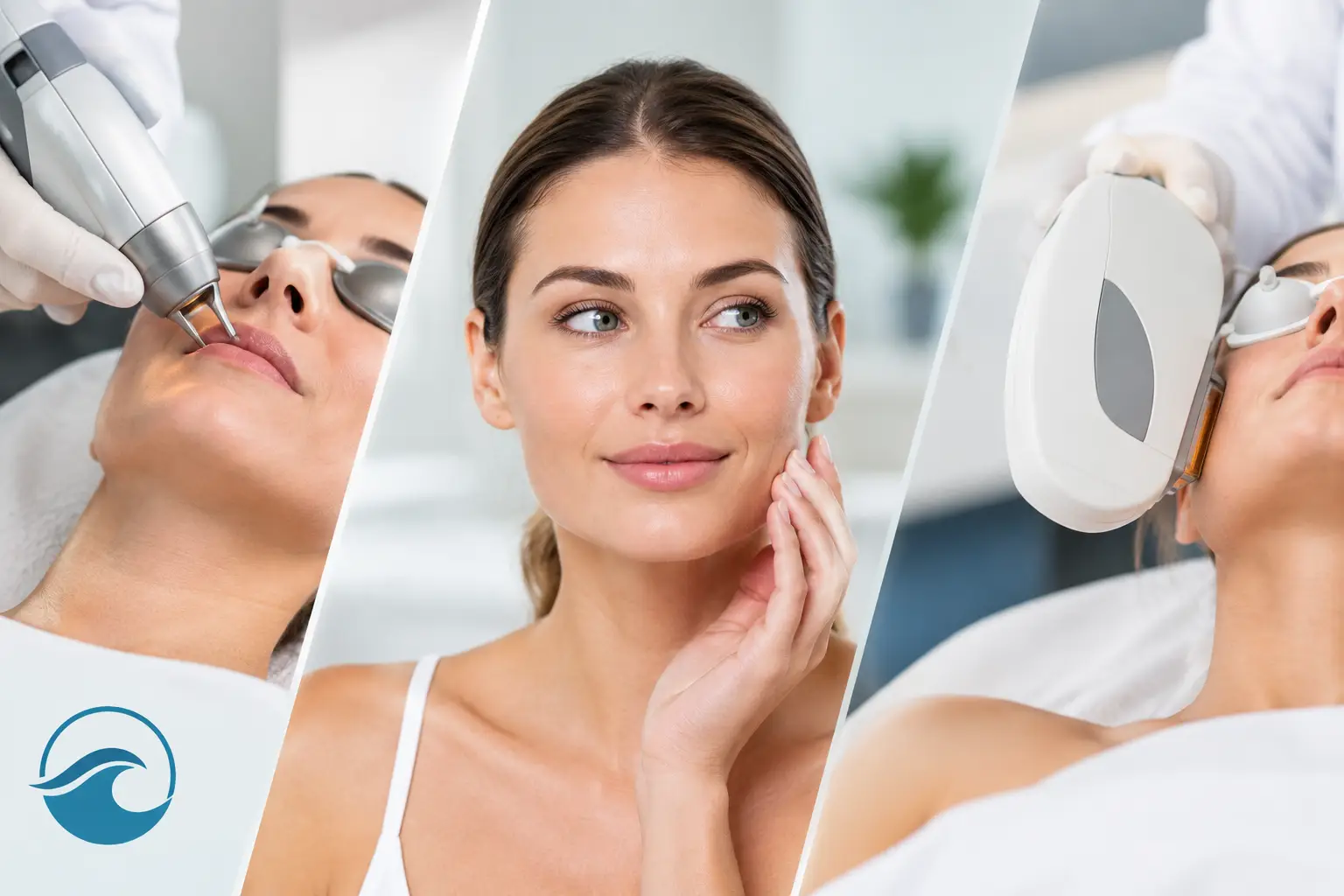
Not exactly. IPL stands for Intense Pulsed Light. It uses broad-spectrum light, while laser uses a single concentrated wavelength. Both can reduce hair growth, but they work slightly differently and can suit different skin and hair types.
IPL can be a very effective treatment when performed with quality equipment and proper settings. The key is not just the device itself, but the training and judgement behind it. Choosing a clinic that takes skin assessment seriously, explains likely outcomes clearly and tailors your treatment plan can make a real difference to both safety and results.
Who is a good candidate for IPL?
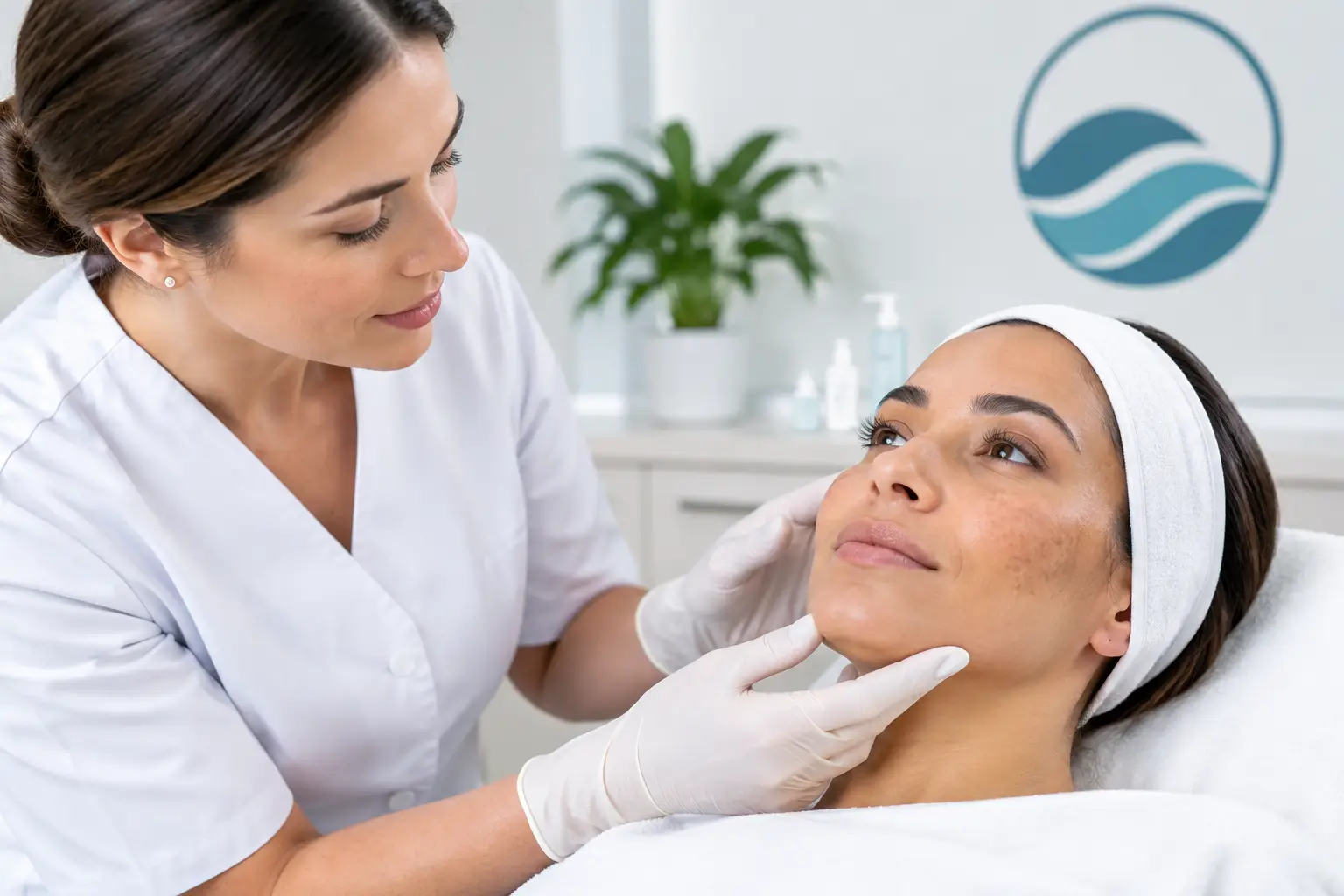
IPL tends to work best for clients with darker hair and lighter skin, although newer technologies and professional assessment can broaden suitability. A consultation is the best way to determine whether it is the right option for you.
You may be a strong candidate if you want to reduce ongoing shaving or waxing, you are happy to commit to a series of sessions, and you understand that maintenance is likely. You may need a different approach if your hair is very light, your skin requires a more specialised setting, or your regrowth is heavily hormone-driven.
This is one reason a professional consultation matters more than online promises. A tailored assessment can tell you what is realistic for your skin and hair, rather than giving you a generic answer.
What affects how permanent your results feel?
When clients ask whether IPL feels permanent, they are often really asking how much their daily routine will change. In practical terms, that comes down to a few factors.
Your hair colour and thickness play a major role. Dark, coarse hair usually responds more strongly than fine or pale hair. The treatment area matters too, because body hair and facial hair can behave very differently. Hormonal influences are another big factor, especially for women dealing with chin or jawline hair.
Consistency also matters more than many people realise. Skipping sessions or stopping too early can reduce the overall result. A complete treatment course, followed by maintenance at the right intervals, usually gives the best long-term outcome.
What should you ask before starting treatment?
Before beginning IPL, it helps to ask a few practical questions. How many sessions are likely for your area? What level of reduction is realistic for your hair type? How often are maintenance sessions usually needed? And how should you prepare your skin between appointments?
Clear answers build confidence. They also help you compare clinics on more than price alone. Safe, effective treatment depends on proper assessment, suitable settings and experienced care, not just the promise of quick results.
If you are in the Sunshine Coast area, working with a clinic that offers personalised treatment planning and professional guidance can make the whole process feel far more straightforward. At Coastal Skin Clinic, that supportive, treatment-led approach is central to helping clients choose the option that suits them best.
Is IPL worth it if it is not fully permanent?
For many people, yes. If your goal is completely hair-free skin forever, IPL may not match that expectation. But if your goal is far less regrowth, smoother skin, fewer ingrown hairs and much less reliance on shaving or waxing, it can be an excellent investment.
That is often the better way to judge success. Not by whether every follicle is gone forever, but by whether the treatment meaningfully reduces the time, effort and frustration involved in managing unwanted hair.
The most satisfied clients are usually the ones who begin with a clear understanding of the trade-off. IPL offers strong long-term reduction, not a lifetime guarantee. When that expectation is set properly, the results can feel transformative.
The bottom line on whether IPL hair reduction is permanent
IPL hair reduction is not usually permanent in the absolute sense, but it can provide lasting, visible reduction that makes everyday hair management much easier. With the right candidate, the right treatment plan and the right maintenance schedule, results can be impressive and long-lasting.
If you are weighing up treatment, the best next step is not guessing from general advice. It is having your skin and hair assessed properly, asking honest questions and choosing a clinic that will guide you with care. Good treatment starts with clear expectations, and confidence tends to follow from there.