Pigmentation rarely feels like a major issue until it starts catching your eye every morning. It might be sun spots that have built up over time, uneven patches left behind after breakouts, or areas of discolouration that make your skin look less clear than it feels. If you are searching for laser pigmentation treatment Maroochydore, the real question is usually not just what treatment exists, but what is likely to work safely for your skin.
That is where a proper clinical approach matters. Pigmentation is not one single concern, and treating it well means understanding what type of pigment you are dealing with, how deep it sits in the skin, and whether laser is the right option at all.
What laser pigmentation treatment in Maroochydore is designed to treat
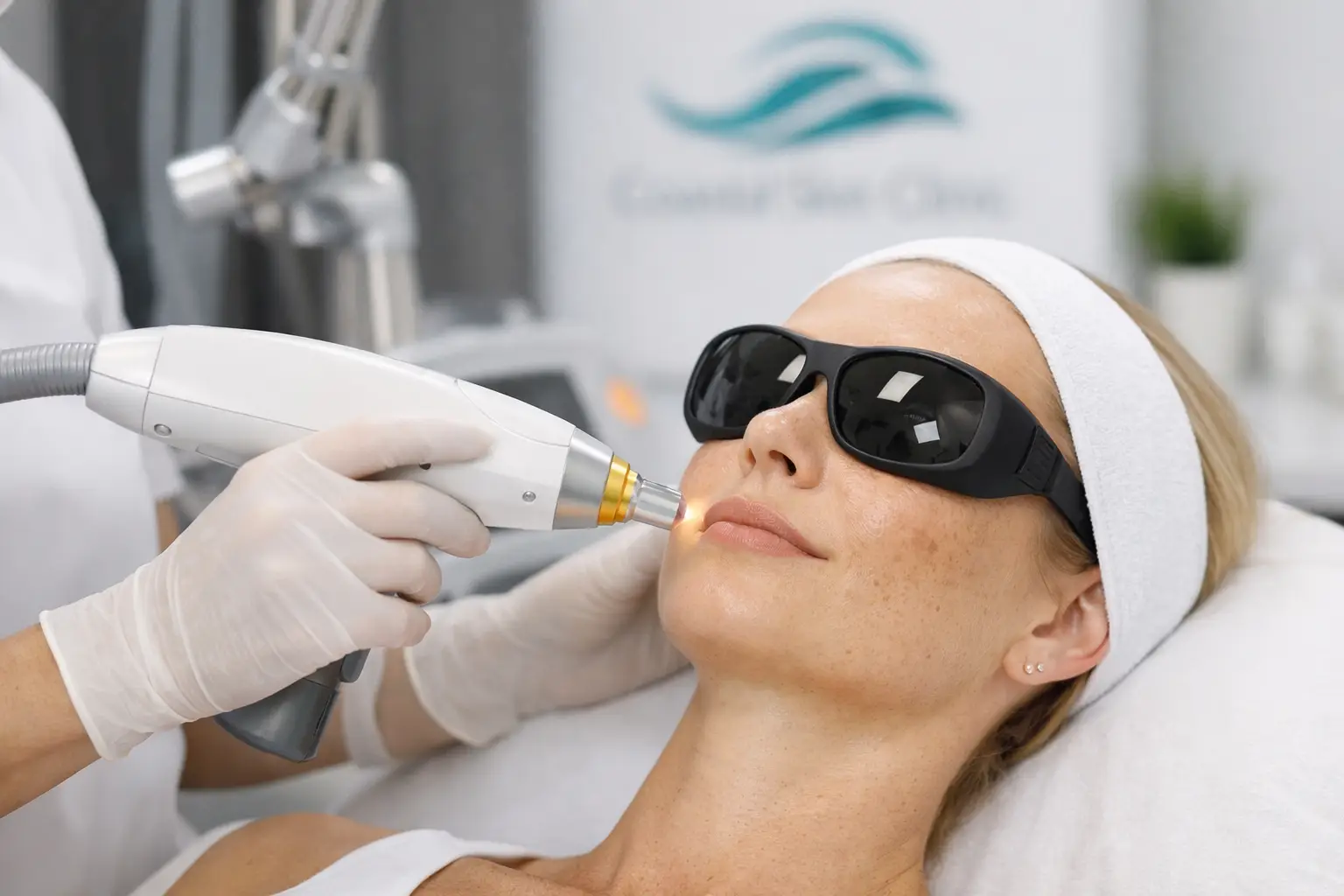
Laser pigmentation treatment targets visible excess pigment in the skin. In simple terms, the device delivers light energy that is absorbed by darker pigment, helping the body gradually break it down and clear it away. The goal is a more even-looking complexion, not an artificial or overtreated result.
This can be a good option for concerns such as sun spots, age spots and some forms of superficial pigmentation. Clients often seek treatment for pigmentation on the face, chest, shoulders and hands because those areas tend to receive years of cumulative sun exposure. In Queensland, that is hardly surprising.
What matters here is accuracy. Not all brown marks are the same. Freckles, sun damage, post-inflammatory pigmentation and melasma can look similar to the untrained eye, yet they do not all respond in the same way. Some forms of pigmentation improve well with laser-based treatments, while others may need a more cautious plan or a combination approach.
Why an assessment comes before treatment
A consultation should never be treated as a formality. It is the point where your skin is assessed properly, your history is reviewed, and the safest path is mapped out.
This is especially important with pigmentation because there are several factors that affect results. Your natural skin tone, recent sun exposure, whether you are prone to sensitivity, and the specific cause of the pigment all shape the treatment plan. Even the same mark can behave differently on two different people.
A clinician may also need to determine whether laser is the most suitable option, or whether another treatment would be better. That can include a medical-grade peel, a skin-focused homecare plan, or staged treatments that prepare the skin first. Good care is not about pushing one device for every concern. It is about choosing the right treatment for the skin in front of you.
How laser pigmentation treatment works
When used for pigmentation, laser energy is directed at areas of concentrated melanin. The pigment absorbs that energy more readily than the surrounding skin. Over time, the treated pigment darkens, breaks apart and is naturally cleared by the body.
For many clients, this sounds straightforward, but the experience varies depending on the type of lesion being treated and the technology used. Some spots may appear darker before they flake away. Others fade more gradually over a series of sessions. Results are usually a process rather than a one-off transformation.
There is also a difference between treating isolated spots and treating more diffuse uneven tone. Spot treatment can be quite targeted, while broader correction often needs a more measured approach to protect surrounding skin and support a balanced result.
Who may be a suitable candidate
Laser pigmentation treatment can suit adults wanting to improve visible sun damage or unwanted pigmented spots, particularly when the pigment is superficial and clearly assessed beforehand. People often choose it because they want a treatment that is professional, precise and able to address concerns that skincare alone has not shifted.
Suitability depends on more than the presence of pigment. Recent tanning, certain medications, active skin irritation, pregnancy in some cases, or a history of reactive pigmentation can all influence whether treatment should go ahead now, later, or in a different format.
Skin tone is another important consideration. Some clients with darker skin tones can still be treated, but the settings, technology and treatment plan need to be selected carefully to reduce the risk of unwanted pigment changes. This is one reason experience and clinical judgement matter so much in pigment work.
Laser pigmentation treatment Maroochydore clients should expect a tailored plan
No reputable practitioner should promise the exact same timeline for every client. Some pigmentation lifts quite quickly. Other cases are more stubborn, especially if the pigment has been present for years or has a hormonal component.
A personalised plan may include several sessions spaced out over time, along with advice around sun protection and maintenance. If your skin is prone to ongoing pigmentation, treatment is often about improvement and control rather than a once-and-done fix.
This is often the most helpful shift in expectations. Better skin is realistic. Perfectly uniform skin may not be. The strongest treatment plans are honest about that from the start.
What treatment feels like and what happens after
Most clients describe laser pigmentation treatment as quick and manageable, though the sensation depends on the area treated and the intensity required. Some compare it to a light snapping feeling on the skin. Comfort levels vary, but treatment is generally well tolerated when performed correctly.
Afterwards, the skin may look pink or mildly warm for a short period. Pigmented spots often darken before they lighten, which can be surprising if you are not expecting it. That darkening is often part of the normal response.
Downtime is usually mild, but aftercare still matters. You may be asked to avoid heat, active skincare, picking at treated spots and direct sun exposure while the skin settles. Consistent sun protection is essential. Without it, new pigmentation can return and undermine your results.
Why sun exposure matters so much on the Sunshine Coast
Pigmentation treatment and sun behaviour are closely linked. Even excellent treatment can be undone by repeated UV exposure, especially in a region where outdoor living is part of daily life.
That does not mean you need to stay indoors. It means being realistic about prevention. Wearing broad-spectrum SPF daily, using a hat when practical, and avoiding deliberate tanning all help protect the progress you make. For many clients, maintenance is not just about future appointments. It starts with what happens after they leave the clinic.
When laser may not be the best option
This is where honest guidance matters. Not every pigmentation concern should be treated with laser first.
Melasma is the clearest example. It can sometimes worsen with heat-based treatments if the approach is too aggressive or poorly selected. In those cases, a clinician may recommend a different strategy focused on calming pigment pathways, strengthening the skin barrier and managing triggers before considering device-based treatment.
Likewise, if your skin is irritated, compromised or heavily sun-exposed, it may be safer to delay treatment. Waiting is not a setback. It is often part of getting a better result.
Choosing a clinic for pigmentation treatment
When comparing providers, the key issue is not who offers the cheapest session. It is who can assess your skin properly, explain the likely outcome clearly and treat within safe parameters.
Pigmentation work calls for more than a machine. It requires training, sound judgement and a willingness to personalise treatment rather than taking a one-size-fits-all approach. A clinic should be able to talk you through what they are treating, why they recommend that method, how many sessions may be needed and what risks or limitations apply in your case.
That level of transparency builds trust for a reason. Clients generally feel more confident when they know what to expect and why a treatment plan has been recommended.
At Coastal Skin Clinic, that treatment-led mindset is central to how care is delivered. The aim is not simply to book a procedure. It is to help clients feel informed, safe and supported while working towards visible skin improvement.
The result most people are really looking for
Most clients asking about pigmentation are not chasing skin that looks filtered or artificial. They want their complexion to look clearer, calmer and more even. They want to leave the house without feeling distracted by marks that seem to stand out in every mirror.
That is why the best outcomes are often measured in confidence as much as photographs. When treatment is chosen carefully and carried out professionally, pigmentation correction can make skin look fresher without changing what makes it yours.
If you are considering treatment, the most useful next step is not guessing from photos online or comparing yourself to someone else’s results. It is having your skin assessed properly, asking direct questions and getting advice that fits your skin, your concerns and your goals. That is where good decisions start.