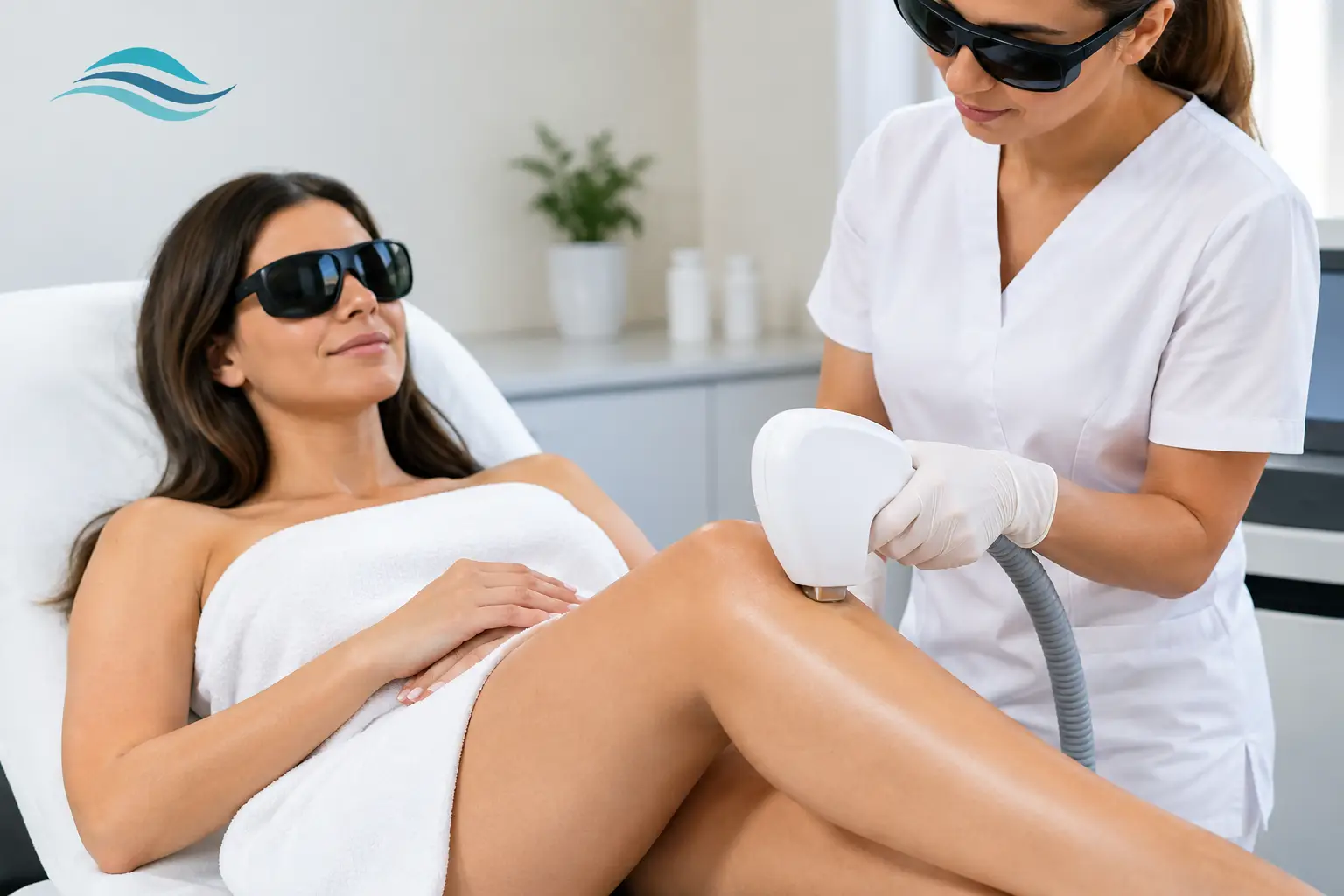
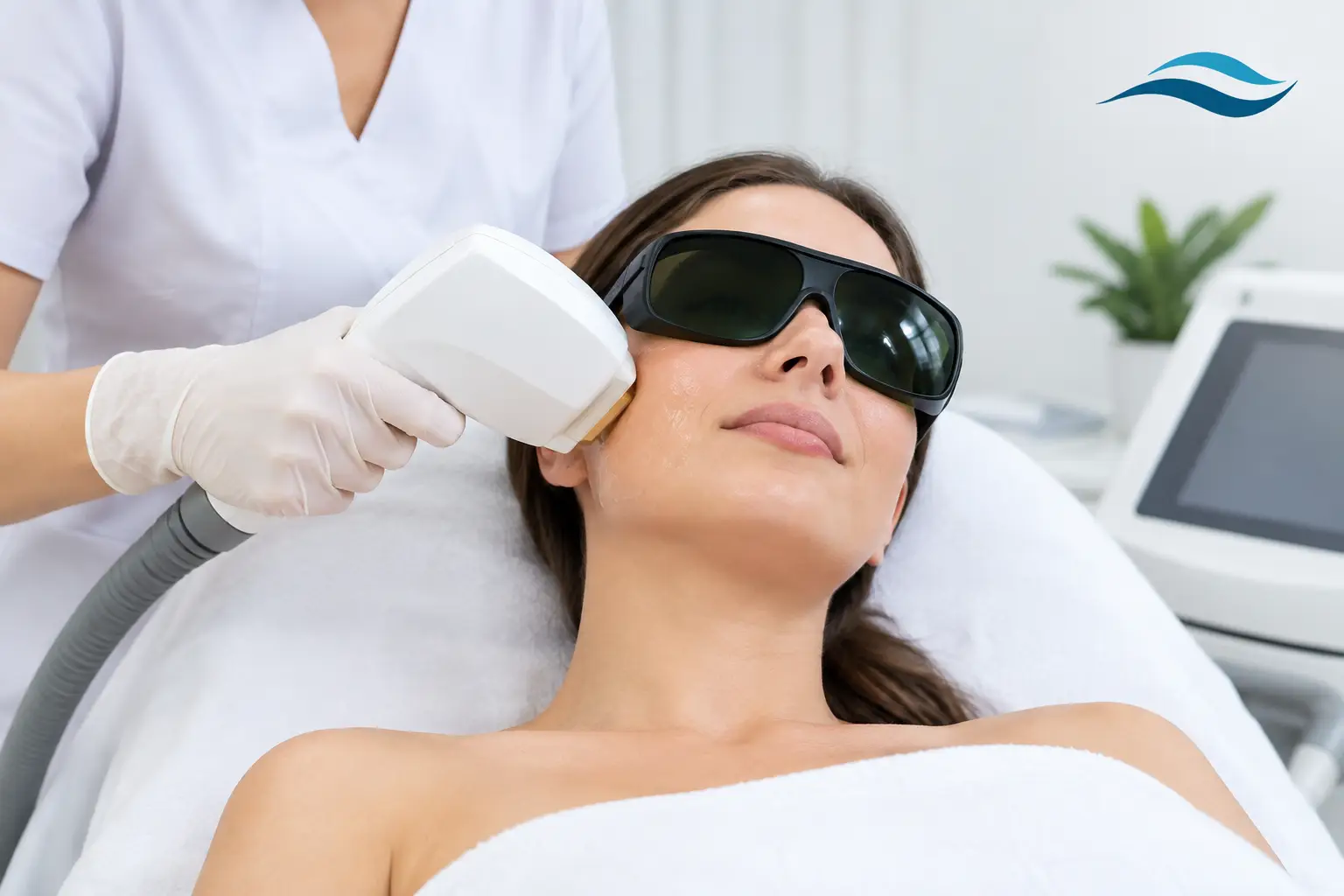
IPL hair reduction should feel manageable, not something you have to grit your teeth through. While a brief warmth or snap-like sensation is common, there are practical ways to reduce IPL treatment discomfort without compromising the safety or effectiveness of your session.
The biggest difference usually comes from personalised treatment planning. Your skin tone, hair colour, treatment area, sensitivity, recent sun exposure and comfort level all matter. A professional provider should adjust the approach around you, rather than expecting you to simply tolerate a standard setting.
Why IPL Can Feel Uncomfortable
IPL uses controlled pulses of light to target pigment in the hair follicle. As the light is absorbed, it creates heat. That heat is what makes the treatment effective, but it can also create a short, sharp sensation that some people compare to a warm elastic band flicking the skin.
Certain areas can feel more sensitive than others. The bikini line, underarms, upper lip and areas where hair is denser often require a little more care. Hormonal changes, a disrupted skin barrier, lack of sleep and even arriving stressed can make you feel more aware of the sensation on the day.
Discomfort is not a measure of results. Higher intensity is not automatically better, and a safe treatment plan is never about pushing through unnecessary pain. The right settings are those that appropriately target the hair while respecting your skin’s response.
How to Reduce IPL Treatment Discomfort Before Your Appointment
Good preparation starts well before you arrive at the clinic. Following your pre-treatment advice carefully gives your practitioner the clearest possible picture of your skin and helps reduce avoidable sensitivity.
Avoid sun exposure and fake tan
Sun-exposed or tanned skin contains more pigment, which can increase sensitivity and limit suitable treatment settings. Avoid deliberate tanning, sunbeds and fake tan before your appointment according to the guidance you have been given. Fake tan can also interfere with an accurate skin assessment, so it needs to be completely removed from the treatment area.
On the Sunshine Coast, this is particularly worth planning for. A quick beach walk, outdoor sport or even a long lunch in the sun can add up. Keep the area covered where practical and use sun protection as advised by your clinician.
Shave, but do not wax or pluck
For most IPL hair reduction treatments, shaving is preferred shortly before your session. It leaves the hair follicle in place for the light energy to target, while minimising surface hair that can absorb heat and create extra discomfort.
Waxing, plucking and epilating remove the root, which means there may be no suitable target in the follicle. Your clinic will tell you how long to avoid these methods before beginning treatment and between sessions.
Keep your skin calm and uncomplicated
Skip harsh exfoliants, strong active skincare and fragranced products on the treatment area if your practitioner has advised this. Skin that is dry, irritated or freshly exfoliated may be more reactive. Arrive with clean skin, free from deodorant, perfume, body oils and make-up where relevant.
If you have experienced a rash, sunburn, active skin irritation or a change in your health since booking, let the clinic know before your treatment begins. Rescheduling may be the safer choice, and that is always preferable to treating compromised skin.
Eat, hydrate and allow enough time
Being hungry, dehydrated or rushed can make any cosmetic treatment feel more uncomfortable. Have a normal meal, drink water and allow time to arrive without feeling flustered. These small details will not change the IPL technology, but they can change how settled and comfortable you feel throughout the appointment.
Comfort During IPL Hair Reduction
A skilled practitioner will check in regularly, explain what is happening and adjust the treatment where appropriate. This supportive communication matters, particularly if you are new to IPL or are treating a more sensitive area.
Cooling makes a real difference
Modern IPL treatments often incorporate cooling through the handpiece, chilled gels or other cooling measures. Cooling helps protect the surface of the skin while making the heat pulse feel more tolerable. You may still notice each flash, but it should be brief and manageable.
Tell your practitioner if the sensation changes from a quick snap to prolonged or escalating pain. They can pause, assess the skin response and consider appropriate adjustments. Speaking up is useful information, not a disruption to the appointment.
Settings should be tailored, not rushed
The most effective plan considers your individual skin and hair characteristics, alongside how your skin responds over time. A lower setting may be appropriate when beginning treatment, after recent skin sensitivity or in a delicate area. In other cases, settings can be carefully progressed as your skin tolerates treatment.
This is one reason a consultation and patch test can be valuable. They help establish a safe starting point, set realistic expectations and reduce surprises on your first session.
Ask about topical numbing before using anything
Some clients assume numbing cream is always the answer. It may be appropriate in limited circumstances, but it is not necessary for everyone and should not be used without professional advice. Some products can affect the skin, mask important feedback or be unsuitable for particular areas.
If you are concerned about discomfort, raise it during your consultation. Your practitioner can discuss the treatment process, cooling options and whether any additional comfort measures are suitable for you.
Aftercare That Helps Your Skin Settle
It is common to have mild warmth or temporary redness around the follicles after IPL. This typically settles quickly, but your aftercare can make the recovery period more comfortable.
Use a cool compress if recommended, keep the area clean and choose gentle, fragrance-free moisturising products. Wear loose clothing after treating areas that may rub, such as the underarms or bikini line. Avoid hot showers, saunas, vigorous exercise and other heat exposure for the timeframe provided by your clinician, as these can intensify warmth and redness.
Sun protection is essential after treatment. Freshly treated skin can be more vulnerable to irritation and pigment changes when exposed to UV. Follow your practitioner’s advice on covering the area and using suitable sun protection, especially when treating exposed areas such as the face, arms or legs.
Resist the urge to exfoliate, pick at the skin or pull shedding hairs out. Treated hair often works its way out naturally over the following days or weeks. Letting the process happen gently is better for your skin than trying to speed it up.
When Discomfort Needs a Closer Look
A short heat sensation during treatment and mild redness afterwards can be expected. Blistering, significant swelling, persistent pain or a reaction that concerns you is different. Contact your clinic promptly for advice rather than experimenting with active skincare, home remedies or excessive cooling.
It is also important to mention any medications, new skincare products, recent cosmetic procedures or changes in your medical history before each appointment. Some factors can alter skin sensitivity or mean treatment should be postponed. Honest, up-to-date information helps your provider make safe decisions for you.
A More Comfortable IPL Experience Starts With a Conversation
IPL hair reduction works best as a series of considered appointments, not a one-size-fits-all process. At Coastal Skin Clinic, your comfort, skin response and treatment goals can all be discussed before treatment begins, so you know what to expect and can feel confident speaking up at any point.
If discomfort has put you off IPL in the past, a personalised consultation can be a reassuring place to start. With suitable preparation, professional cooling, carefully selected settings and attentive aftercare, treatment can feel far more manageable while keeping your skin’s safety at the centre of every session.