Not every skin concern needs the same answer. Two clients can both say they want fresher, clearer, more even-looking skin, yet one may be dealing with sun damage and rough texture while the other is more concerned by redness, fine lines or post-acne marking. That is why a skin rejuvenation results case study is often more useful than broad promises. It shows what changed, why a treatment plan was chosen, and what realistic progress looked like over time.
For many people, the biggest question is not whether skin rejuvenation can help. It is whether it can help their skin, safely, and whether the results will look natural rather than overdone. A good case study answers that by focusing on the consultation process, the treatment sequence and the pace of improvement.
A realistic skin rejuvenation results case study
Consider a client in her early 40s who came in feeling that her skin looked tired no matter how well she cared for it at home. Her main concerns were uneven pigment across the cheeks, fine lines around the eyes, a rougher skin surface than she used to have, and a general loss of brightness. She was not looking for dramatic change. She wanted her skin to look healthier, smoother and more refreshed.
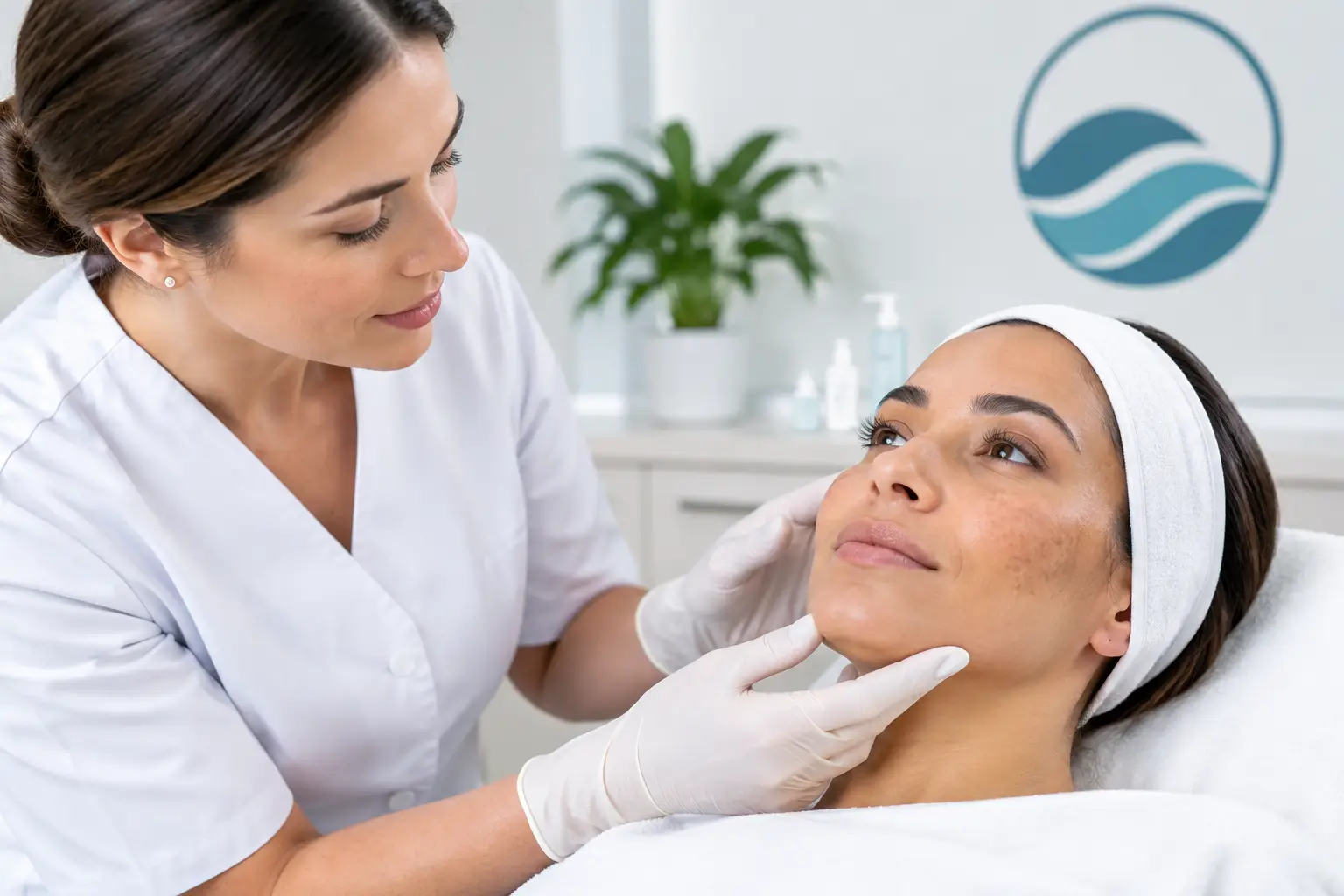
At consultation, the first priority was assessing the skin properly rather than jumping straight to a treatment. We looked at sun exposure history, skin sensitivity, current skincare, any previous laser or peel treatments, and how much downtime she could realistically manage. This matters because the best treatment on paper is not always the best treatment for the person sitting in front of you.
Her skin showed signs of cumulative sun damage, mild textural irregularity and early collagen loss. There was no single issue causing the overall dullness, so a one-off treatment was unlikely to give the level of change she wanted. Instead, the plan needed to improve pigment, stimulate renewal and support healthier skin function over several appointments.
Why a personalised plan mattered
Some clients assume there must be one gold-standard rejuvenation treatment that suits everyone. In practice, it depends. Stronger resurfacing can be excellent for texture and lines, but not every client wants the downtime. Gentler options can improve tone and clarity with less disruption, but they may require a series and a bit more patience.
For this client, a staged approach made the most sense. The goal was visible improvement without pushing the skin too hard. That usually leads to better compliance, better comfort and more confidence throughout the process.
The treatment approach and expected timeline
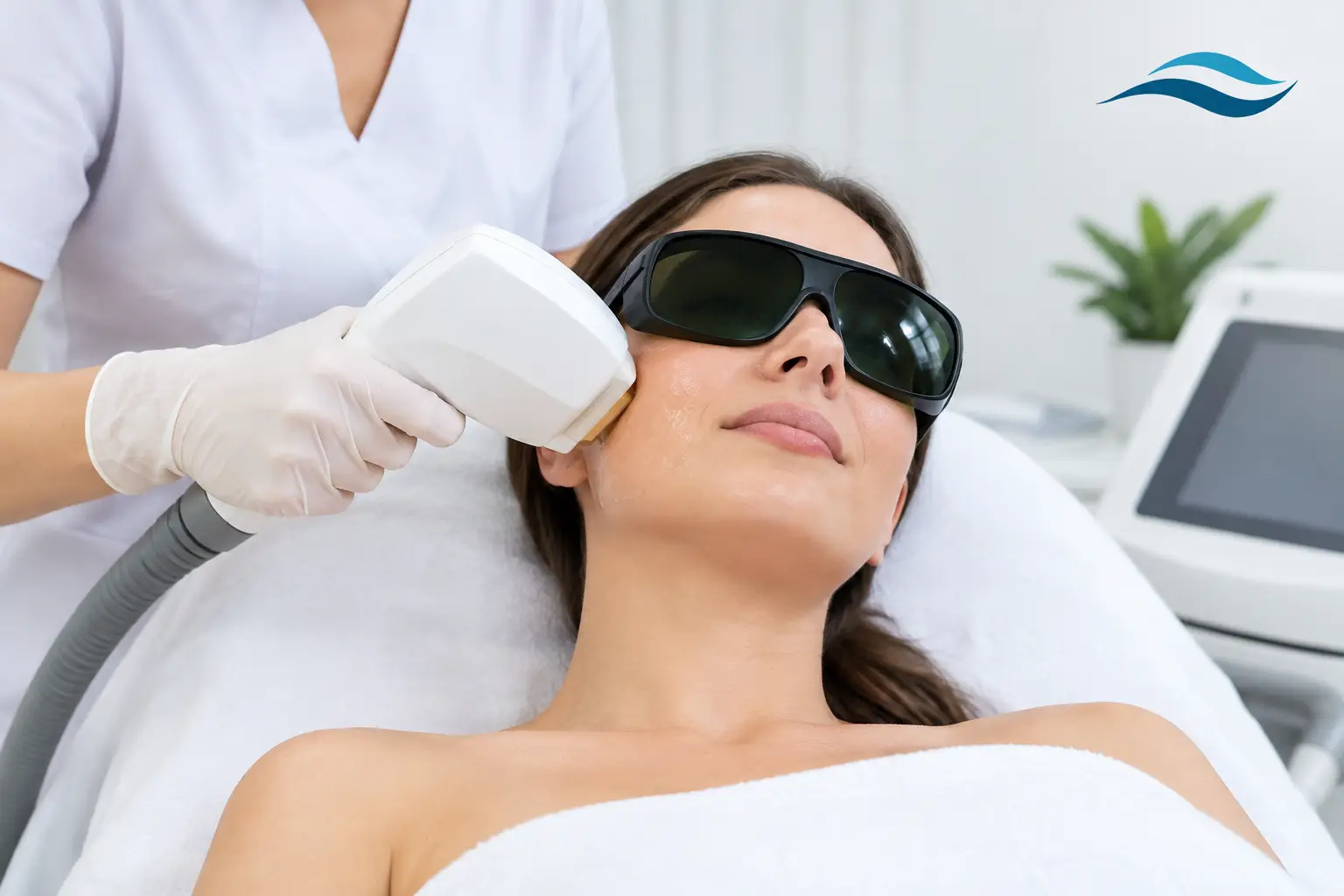
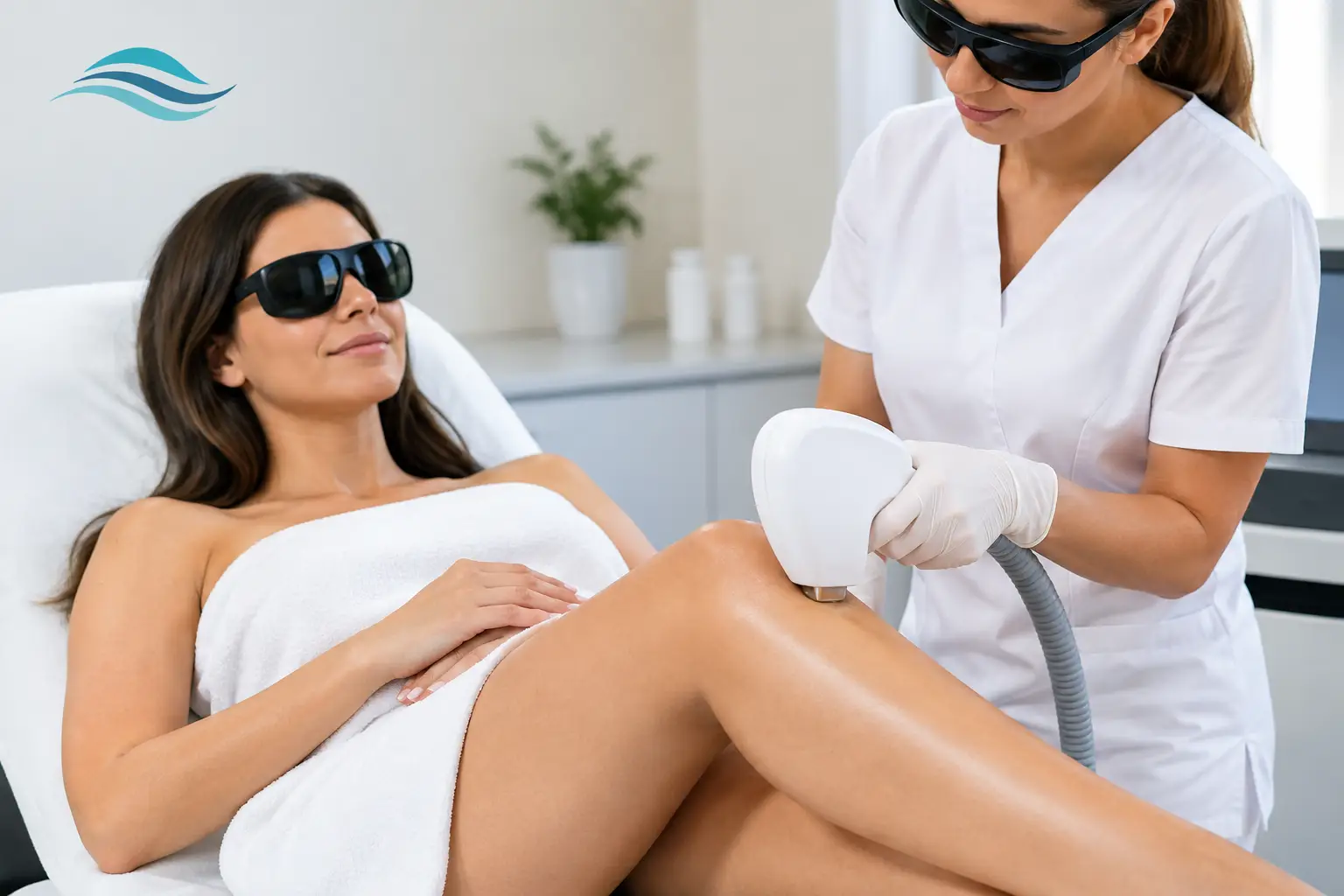
Her plan combined clinic-based rejuvenation treatments with supportive home care. In simple terms, the clinic treatments targeted pigment, texture and collagen stimulation, while home care helped maintain skin health between visits. Neither works as well in isolation.
The first phase focused on preparing the skin and reducing surface congestion. This is often overlooked, but it can make later treatments more effective and more comfortable. Once the skin barrier was stable and home care had been adjusted, we moved into a series of rejuvenation sessions spaced several weeks apart.
After the first treatment, the client noticed mild tightness and a slightly brighter look once the initial settling period had passed. That early response was encouraging, but still subtle. This is where expectation management is important. Genuine skin rejuvenation is usually progressive. The skin needs time to renew, and collagen changes do not happen overnight.
By the second and third sessions, the changes became easier to see. Pigmentation looked softer, the skin surface felt smoother and makeup sat more evenly. Fine lines had not disappeared, but they were less pronounced because the skin texture and hydration had improved. For many clients, that is the point where treatment starts to feel worthwhile – not because they look like a different person, but because they look more rested and polished.
What changed by the end of the series
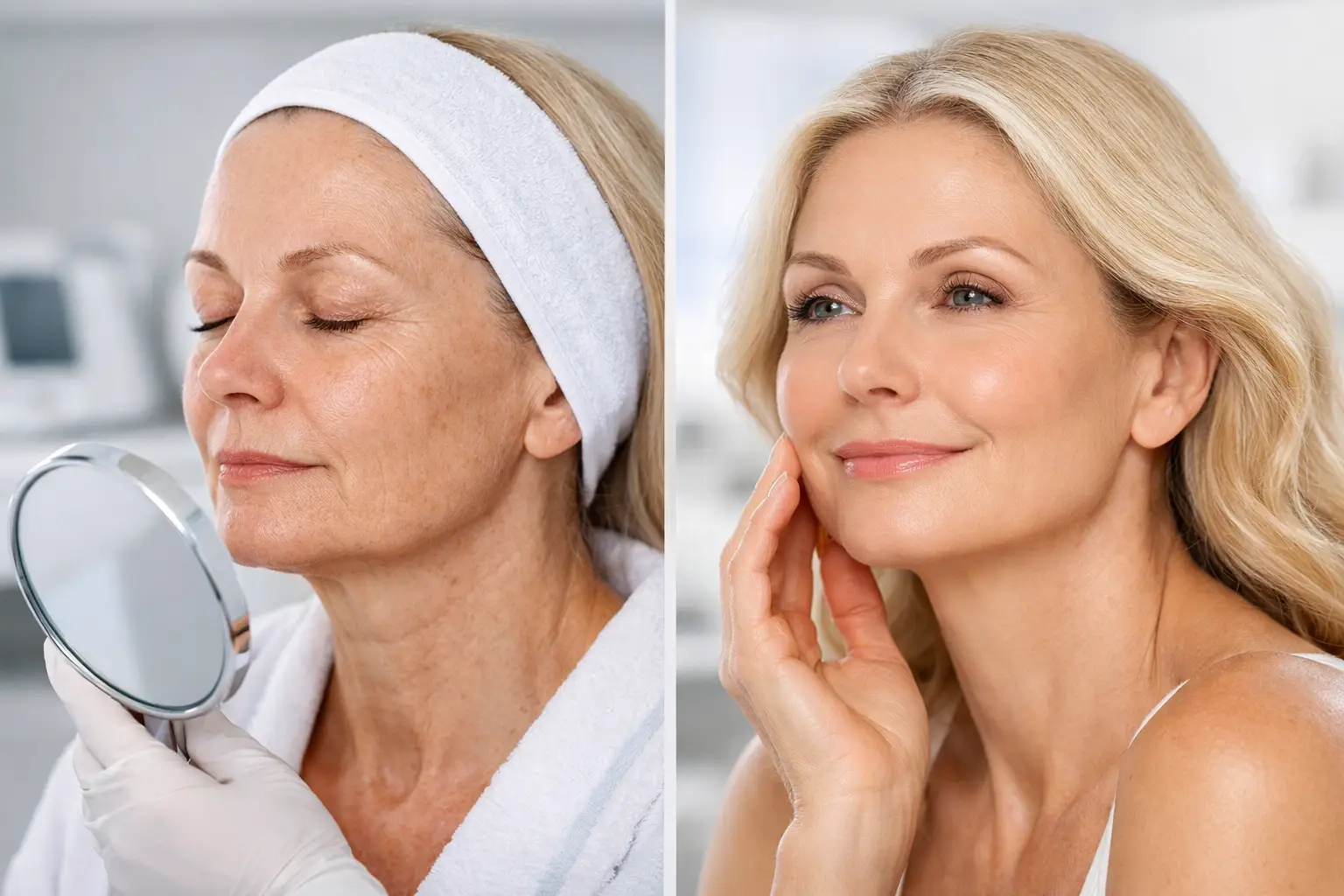
At the end of the treatment plan, the most noticeable improvements were in overall skin clarity and texture. Sun-related pigment had reduced, the complexion looked more even and the skin reflected light better, giving it a fresher appearance. There was also a visible softening of fine surface lines, particularly where dryness and roughness had been exaggerating them.
Just as importantly, the client felt more comfortable leaving the house with lighter makeup. That confidence shift is often one of the most meaningful outcomes. Clinical improvements matter, but so does how a person feels when they look in the mirror each morning.
What this skin rejuvenation results case study shows
This skin rejuvenation results case study highlights a point many people miss: results are often cumulative, not instant. A proper treatment plan usually layers improvements. One stage may calm and prepare the skin, another may target pigment, and another may refine texture or support collagen renewal.
It also shows why photos taken too early can be misleading. Clients sometimes expect dramatic before-and-after changes after one appointment. For some treatments that can happen, but more often the difference is a combination of several smaller gains – better texture, less blotchiness, smoother makeup application, improved brightness and healthier skin quality overall.
That is why we talk about visible outcomes in realistic terms. Safe, effective skin rejuvenation is not about chasing extremes. It is about choosing the right intervention for the skin in front of us, then allowing enough time for that skin to respond.
The trade-offs clients should understand
Every rejuvenation plan comes with choices. More intensive treatment may deliver stronger correction in fewer sessions, but it can involve more downtime and stricter aftercare. Lower-downtime options can be easier to fit around work and family life, though they may need a longer series.
There is also the question of maintenance. Skin continues to age, and in Australia sun exposure is part of everyday life. Even excellent results benefit from maintenance treatments and consistent skincare. That is not a failure of treatment. It is simply how skin works.
For clients in the Sunshine Coast area, this point is especially relevant. Our climate and UV exposure can accelerate pigment and textural change, so protecting results is just as important as achieving them.
Who tends to get the best outcomes
The strongest results usually come from clients who are open to a tailored plan rather than a quick fix. They attend consultation, follow aftercare, use the recommended home care consistently and understand that visible improvement often happens in stages.
That does not mean you need severe skin concerns to benefit. Some of the happiest clients are those with mild to moderate concerns who start treatment early, before damage becomes harder to correct. Others come in after years of frustration with dullness, uneven tone or rough texture and finally get a clearer plan built around what their skin actually needs.
Suitability still matters. Not every treatment suits every skin type, lifestyle or goal. A professional assessment helps identify whether laser rejuvenation, resurfacing, peels or another approach is the better fit. It can also flag when a gentler path is the safer option.
Why professional guidance makes a difference
Skin rejuvenation is not only about technology. It is about judgement. The device or treatment itself matters, but outcomes are shaped by proper assessment, treatment selection, timing and follow-up care.
That is why a clinic-led approach tends to produce better long-term results than choosing treatments based on trends or price alone. When treatment is personalised, the plan can be adjusted as the skin responds. If sensitivity appears, the pace can be modified. If one concern improves faster than another, the focus can shift. That flexibility helps protect both safety and results.
For first-time clients, this often brings peace of mind. For experienced clients, it provides a more refined strategy than repeating the same treatment out of habit.
A well-run skin journey should feel both professional and supportive. You should know what the treatment is aiming to improve, what the likely downtime will be, what results are realistic and what your skin will need afterwards. That clarity builds trust and usually leads to better decisions.
When you look at any skin rejuvenation case study, the most valuable question is not whether the result looks good. It is whether the plan behind it makes sense for the person, their skin and their goals. That is where real confidence starts – with honest advice, careful treatment and progress you can actually recognise in your own reflection.