If your skin has started to look dull, uneven or simply harder to manage with at-home products, professional facial peel benefits can be surprisingly noticeable. A well-chosen peel does more than give skin a quick glow. It can help reset texture, improve clarity and support healthier skin function over time, especially when treatment is tailored to your skin rather than chosen off a shelf.
For many people, the real value of a professional peel is not just stronger ingredients. It is the assessment behind it. Skin behaves differently depending on pigmentation, sensitivity, breakouts, age, sun exposure and even how consistent you have been with skincare. That is why a peel that works beautifully for one person may irritate another. Professional guidance matters.
What a professional peel actually does
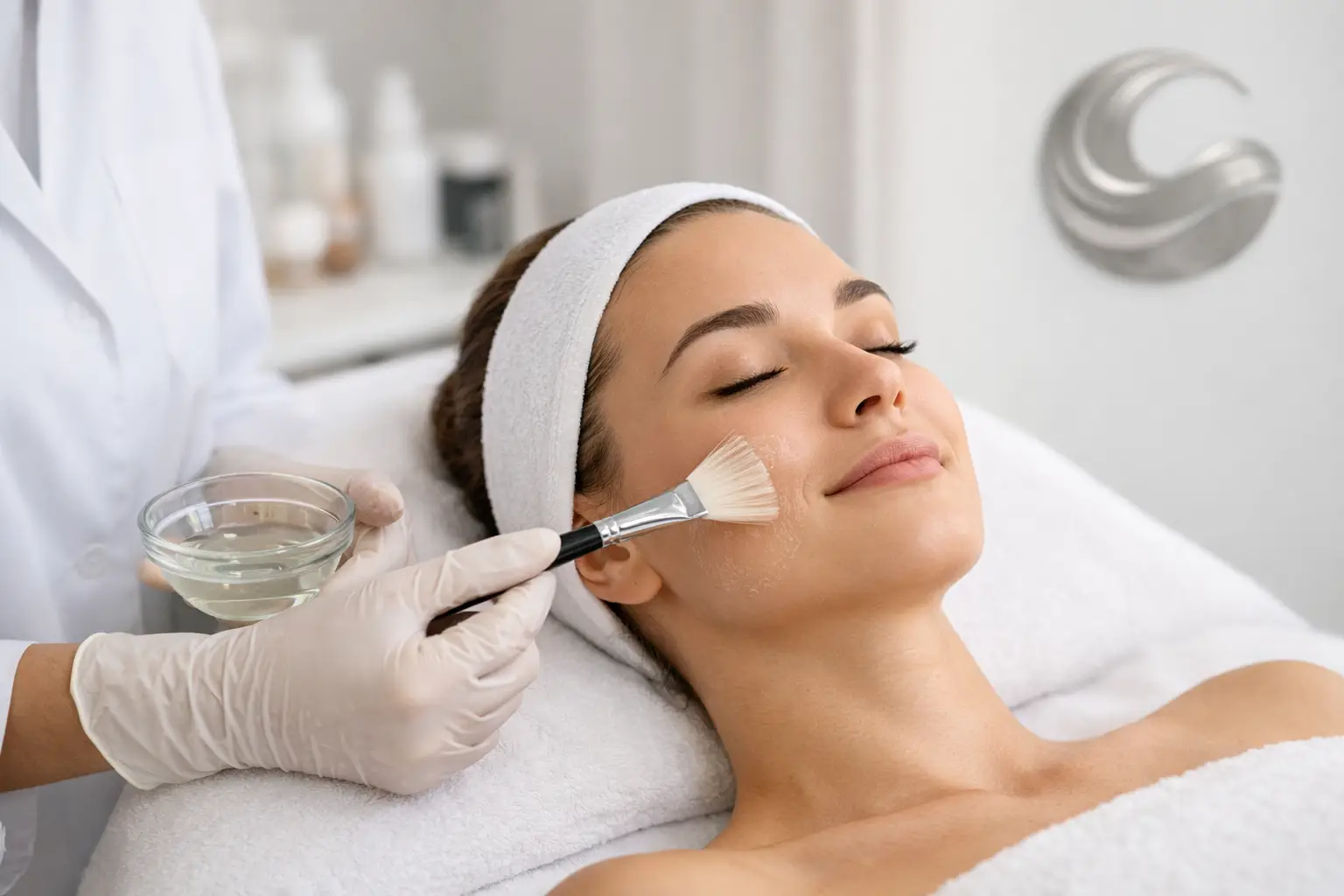
A facial peel uses active ingredients to exfoliate the upper layers of the skin in a controlled way. Depending on the type and strength, this can loosen dead skin cells, speed up cell turnover and encourage fresher, smoother skin to come through.
Some peels sit at the lighter end and are ideal for brightening and maintenance. Others are more corrective and are selected for concerns such as acne, pigmentation, fine lines or rough texture. The goal is not to make skin peel dramatically every time. In many cases, the best results come from measured, repeat treatments that improve the skin steadily while protecting its barrier.
Professional facial peel benefits for common skin concerns
One of the biggest professional facial peel benefits is that treatment can be matched to the issue you actually want to improve. Rather than using a one-size-fits-all approach, a clinician can choose the right acid blend, strength and treatment spacing for your skin goals.
Brighter, more even skin tone
Sun exposure, post-acne marks and general skin fatigue can leave the complexion looking patchy or flat. Professional peels help lift surface build-up and encourage more even turnover, which can improve overall brightness. If pigmentation is a concern, the right peel can be part of a broader plan to gradually soften discolouration.
It is worth being realistic here. Deeper pigmentation often needs a staged approach and ongoing skin management, especially in Australia where UV exposure is a constant factor. A peel can make a meaningful difference, but maintenance and sun protection are part of the result.
Smoother texture and softer fine lines
Rough skin, congestion and early signs of ageing often respond well to peels because they target the surface where these issues first become visible. By increasing exfoliation in a controlled way, skin can feel smoother and look more refined.
Fine lines caused by dryness and sluggish cell turnover may appear softer after a course of treatments. That does not mean a peel replaces every other rejuvenation option. It does mean it can be an effective, lower-intervention way to improve skin quality and support a fresher appearance.
Support for acne and congestion
Peels are often used for breakout-prone skin because they can help clear pore build-up and reduce some of the factors that contribute to congestion. Certain formulations are particularly useful for oily skin, blackheads and recurring surface breakouts.
That said, acne is not always straightforward. Hormones, inflammation and barrier damage can all be involved. In some cases, aggressive treatment can make skin more reactive rather than calmer. A professional approach helps avoid overdoing it and allows treatment to be adjusted based on how your skin is responding.
Better absorption of home skincare
When dead skin cells build up, even good skincare can struggle to do its job properly. One of the less talked about professional facial peel benefits is that skin often becomes more receptive to the products you use at home afterwards.
This does not mean stronger products should automatically be added in. In fact, after a peel, simpler is often better for a few days. But over time, improving skin turnover can help your existing skincare routine work more effectively.
Why professional treatment is different from at-home peeling products
At-home acids have their place, especially for maintenance. The difference is that professional peels are chosen after looking at your skin history, sensitivity level, current routine and long-term goals. That level of assessment can make treatment both safer and more effective.
There is also the issue of timing. If your skin barrier is compromised, if you are using active ingredients too frequently, or if you have recently had sun exposure, a peel may need to be delayed or adjusted. A trained provider will look at those details before treatment rather than assuming every glow treatment is suitable every time.
Another point people often miss is that visible peeling is not the only sign a treatment is working. Some professional peels cause little to no obvious flaking, yet still improve clarity and texture over the following days. Chasing dramatic shedding is not always the smartest path.
What to expect after a peel
Most clients want to know two things straight away: will it hurt, and how much downtime is there? The answer depends on the peel. Many medical-grade peels cause tingling, warmth or a mild stinging feeling during application, but this is usually brief and manageable. Some lighter peels have little downtime, while more active peels can lead to dryness, tightness or visible flaking for several days.
Your skin may look slightly pink after treatment, and it can feel a bit drier than usual while it renews itself. Picking or scrubbing is one of the quickest ways to create irritation, so aftercare matters. Gentle cleansing, moisturising and strict sun protection are usually the basics.
If you have an event coming up, timing matters. A peel can be excellent for skin preparation, but the wrong peel too close to an occasion can leave you flaky when you wanted to look polished. This is another reason consultation and planning are so valuable.
Who tends to get the best results
The best candidates are not necessarily the people with perfect skin. They are usually the people who want targeted improvement and are prepared to follow a personalised plan. Peels can suit adults dealing with acne, post-inflammatory pigmentation, uneven tone, rough texture or signs of ageing, provided the treatment is selected carefully.
Results are often strongest when peels are part of a broader skin strategy rather than a once-off fix. That might include spacing treatments appropriately, adjusting homecare and protecting the skin from UV exposure. If you are expecting one peel to erase years of sun damage or longstanding pigmentation, you may be disappointed. If you are looking for steady, visible improvement with professional support, peels can be an excellent option.
When a peel may need caution
There are times when a peel is not the right treatment, or not the right treatment yet. Very inflamed skin, a damaged skin barrier, certain medications, recent procedures or high recent sun exposure can all affect suitability. Sensitive skin is not automatically excluded, but it does require care in product choice and treatment strength.
This is where a reputable clinic approach makes a real difference. In a treatment-led setting, the goal is not to fit everyone into the same service. It is to choose what is safest and most appropriate for your skin on the day.
Are professional facial peel benefits worth it?
For the right person, yes. The main reason is that peels can deliver visible changes without surgery or lengthy downtime, while still being flexible enough to suit different skin concerns. They can brighten tired skin, help refine pores, support acne management and soften early texture changes.
But the bigger benefit is confidence in the plan. Knowing your treatment has been selected for your skin, with realistic guidance on what it can and cannot do, usually leads to better outcomes than guessing your way through strong exfoliants at home.
If you are based around Maroochydore or elsewhere on the Sunshine Coast and have been wondering whether a peel is right for your skin, a professional consultation is the best place to start. Good treatment should feel both effective and reassuring.
Healthy skin rarely comes from one dramatic step. More often, it comes from consistent, well-chosen treatment and advice you can trust.