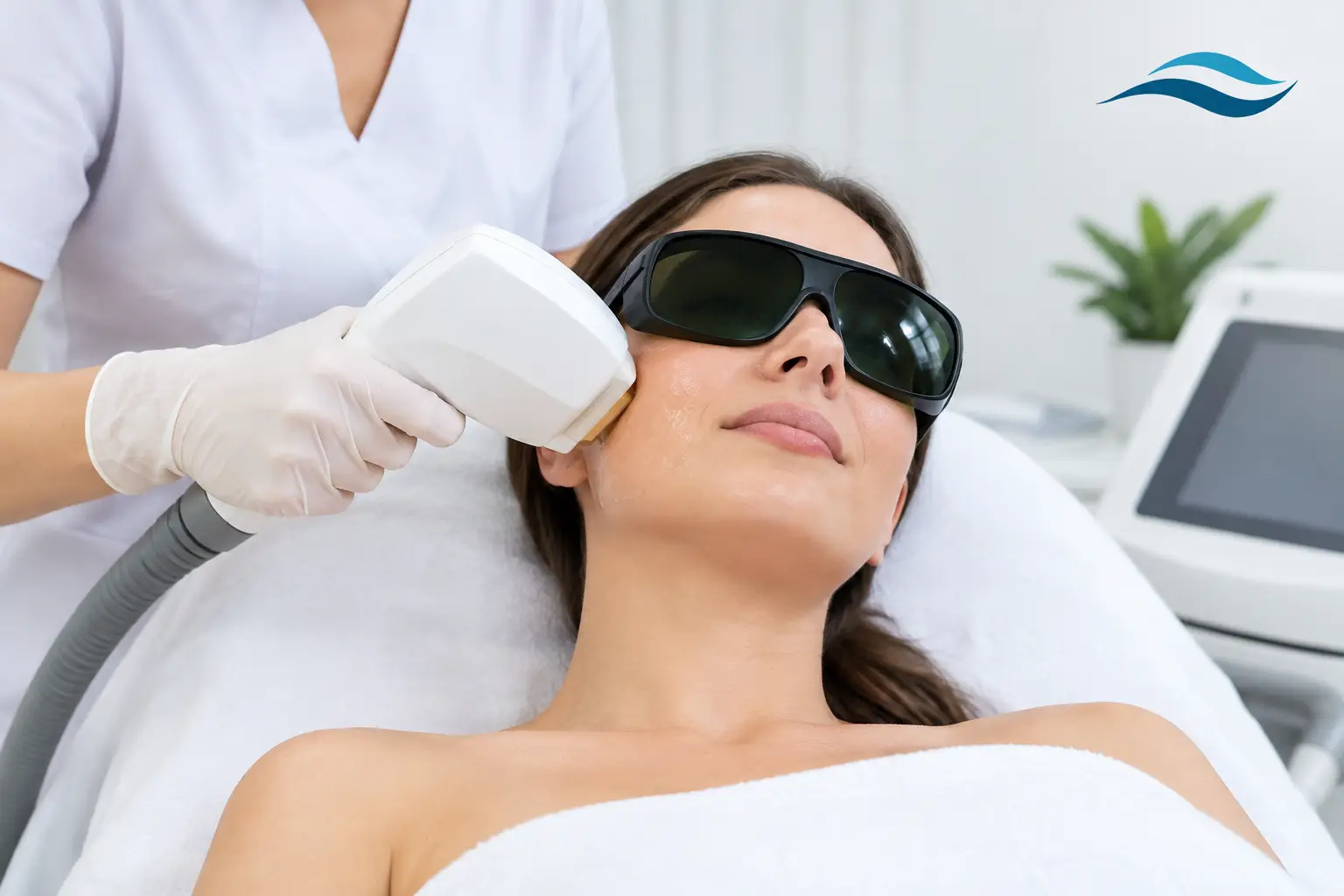
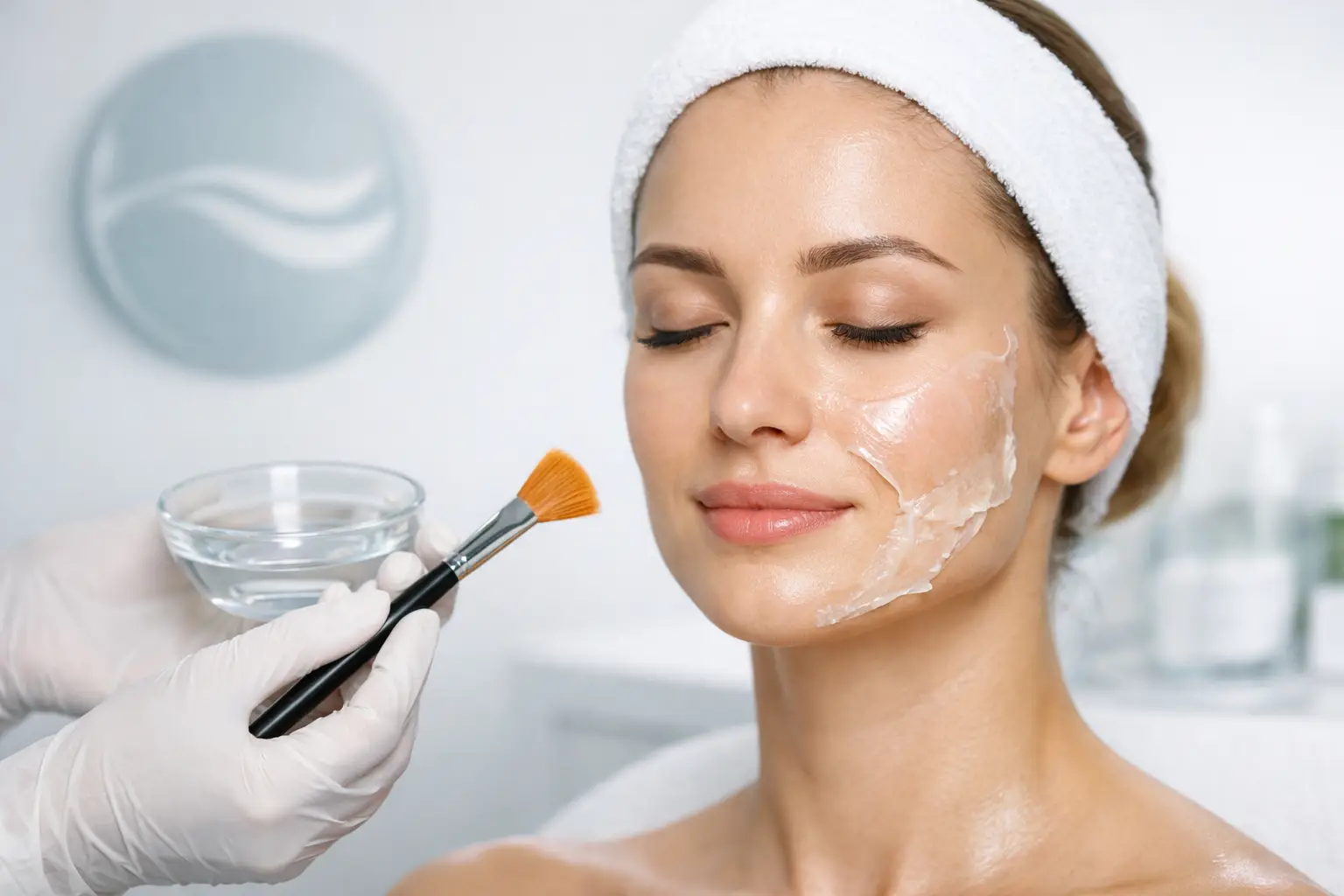
Great peel results often start before your appointment. If you are wondering how to prepare for facial peels, the short answer is this: your skin needs to be calm, supported and properly assessed before treatment. The days leading up to a peel can affect how evenly it penetrates, how comfortable it feels and how well your skin recovers afterwards.
A professional facial peel is not just a quick beauty add-on. It is a treatment designed to improve concerns like uneven texture, congestion, acne, dullness, pigmentation and early signs of ageing. Because peels work by accelerating exfoliation and skin renewal, preparation matters. Well-prepared skin is generally less reactive and more likely to heal smoothly.
How to prepare for facial peels before your appointment
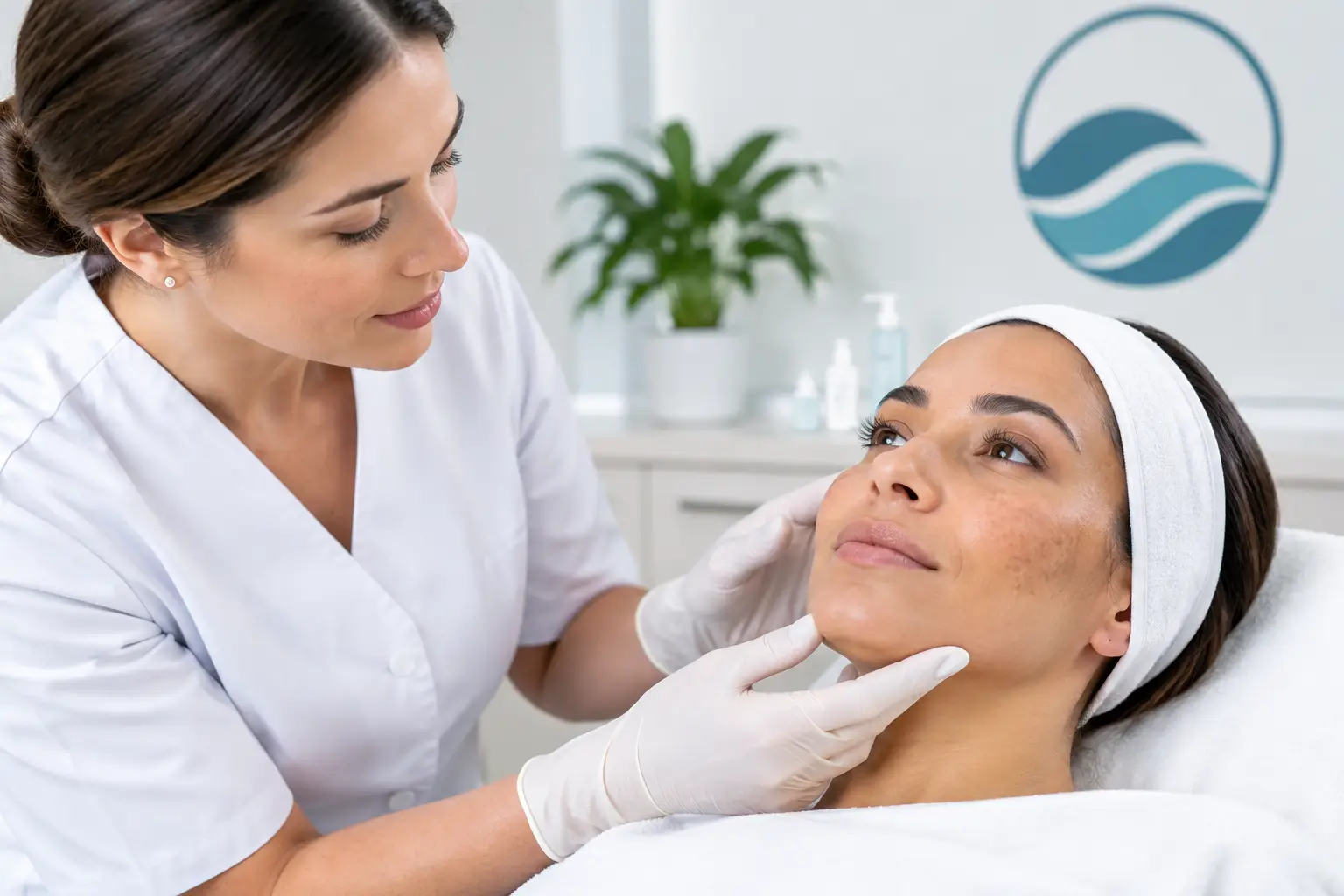
The most important first step is a proper consultation. Not every peel suits every skin type, and stronger is not always better. A qualified practitioner should ask about your skin history, current products, medications, sensitivity, recent treatments and what you are trying to achieve. This helps determine whether a peel is appropriate now, or whether your skin would benefit from a gentler treatment plan first.
If your skin has been feeling irritated, over-exfoliated or generally unsettled, it may be worth delaying treatment. Facial peels tend to perform best on skin that is healthy and balanced, not inflamed. Many people arrive thinking they should scrub, polish or “get all the dead skin off” beforehand, but that can do the opposite of what you want. Overworking the skin barrier before a peel can increase stinging, patchy peeling and post-treatment sensitivity.
For at least several days before your appointment, keep your routine simple unless your practitioner advises otherwise. Focus on gentle cleansing, a basic moisturiser and daily SPF. If you use active ingredients such as retinol, AHAs, BHAs, benzoyl peroxide or strong vitamin C, you may be told to pause them in the lead-up to treatment. The exact timing depends on the type of peel, your skin tolerance and the strength of your home care.
Sun exposure is another big one. Fresh tanning, sunburn or even mild heat-related irritation can make skin less suitable for a peel. If you spend a lot of time outdoors, use broad-spectrum sunscreen carefully and avoid intentional sun exposure before treatment. This is especially relevant on the Sunshine Coast, where even a normal day outside can add up quickly.
What to avoid in the days before a peel
A little restraint goes a long way here. In the week before your peel, it is usually best to avoid waxing, depilatory creams, scrubs, microdermabrasion and any treatment that leaves the skin freshly exfoliated or irritated. If you are planning other cosmetic treatments, tell your practitioner so they can space everything safely.
It is also important to mention any history of cold sores, allergies, eczema, dermatitis or pigmentation after skin trauma. These factors do not always rule out a peel, but they can change how your treatment is planned. Some clients need prep products, a different peel type or a more gradual approach.
If you are using prescription skincare or acne medication, do not guess. Ask for specific guidance. Certain medications and topical treatments can increase sensitivity significantly, and timing matters. This is one of the clearest differences between a professional clinic and a one-size-fits-all beauty service. Your skin should be treated according to its condition, not according to a standard booking slot.
Skin prep is not about making your skin tougher
One common misunderstanding is that skin prep means “training” your skin to handle a stronger peel. In reality, good preparation is usually about reducing unnecessary stress on the skin. A healthy barrier does more for your outcome than pushing through irritation.
That can mean different things for different people. If you have oily, resilient skin with congestion, your prep might involve temporarily pausing exfoliants and keeping the skin hydrated. If your skin is dry, reactive or prone to redness, prep may focus even more heavily on barrier support. If pigmentation is the main concern, your practitioner may be particularly careful about recent sun exposure and inflammation.
This is why personalised advice matters. Two clients can book the same category of peel and need completely different preparation.
What to do on the day of your facial peel
Come to your appointment with clean skin if possible, and skip harsh exfoliation, shaving or any at-home treatment that morning. If you are wearing makeup, it will usually be removed in clinic, but arriving with a bare face can be helpful if your skin is sensitive.
Try to keep the rest of the day low-key. A peel is not always something you want to squeeze in between a gym session, a beach swim and a long lunch in the sun. Heat, sweating and direct UV exposure can make freshly treated skin more reactive. If you can, plan a quieter day and head straight home afterwards.
It is also worth setting realistic expectations. Not every peel leads to dramatic visible peeling. Some cause only mild flaking, while others leave the skin feeling tight, dry or slightly pink for a few days. Visible peeling is not the only sign a treatment has worked, and more peeling does not automatically mean better results.
Questions to ask before treatment
If you are not sure how to prepare for facial peels in your specific case, ask direct questions. A good clinic will welcome them. You should feel clear on what products to stop, when to stop them, how your skin may look afterwards and what aftercare will involve.
It is also reasonable to ask what type of peel is being recommended and why. Superficial peels, acne peels, brightening peels and resurfacing peels can all behave differently. The right choice depends on your skin goals, your lifestyle and how much downtime you can realistically manage.
For example, someone preparing for an event may need a very different treatment plan from someone working on long-term pigmentation or acne scarring. Sometimes the best option is a lighter peel done strategically rather than a more aggressive approach.
How lifestyle can affect your peel outcome
Preparation is not only about skincare. Your general skin health can be influenced by sleep, stress, hydration and how inflamed your skin has been lately. No clinic should promise that drinking extra water will transform your results overnight, but it is fair to say that skin tends to cope better when you are not run down.
Be honest about what is practical for you, too. If you know you are unlikely to avoid the sun, have a busy social weekend or need to wear heavy makeup the next day, mention it before treatment. There is no point choosing a peel that clashes with your schedule. A treatment plan should suit your real life, not an ideal version of it.
This is especially important for first-time clients. Starting conservatively can be the smarter move. It gives your practitioner a chance to see how your skin responds and adjust future treatments accordingly.
When to reschedule instead of pushing through
Sometimes the best preparation is knowing when not to proceed. If you have active sunburn, broken skin, an unexplained rash, a cold sore outbreak or significant irritation from skincare products, let the clinic know. Pushing ahead rarely leads to a better result.
The same applies if you have recently had another treatment that affects the skin barrier. Layering procedures too closely together can create more inflammation than benefit. Safe, effective treatment is rarely rushed.
At Coastal Skin Clinic, this kind of decision-making is part of responsible care. The goal is not to fit everyone into the same peel protocol. It is to treat the skin in front of you, with the right timing and the right level of treatment.
The best preparation leads to better recovery
Good peel prep makes aftercare easier. When the skin goes into treatment calm and supported, it is often less reactive afterwards. That can mean more comfort, less surprise and a smoother recovery period.
If you are considering a peel, think of preparation as part of the treatment itself, not an extra step. The products you pause, the sun you avoid and the guidance you follow all contribute to the final result. And if you are ever unsure, ask before your appointment rather than guessing with your skin.
A facial peel should feel like a considered treatment, not a gamble – and the right preparation is where that confidence begins.