There is a real difference between hair removal that feels like another chore and a treatment that leaves your skin feeling genuinely cared for. The top benefits of professional waxing come down to more than smooth skin: they include skilled technique, personalised product selection and a calmer experience from start to finish. For many clients, particularly those new to waxing or prone to sensitivity, that professional guidance makes all the difference.
Waxing is a practical option for unwanted hair on areas such as the brows, face, underarms, arms, legs and bikini line. While results and comfort levels vary from person to person, an appointment with a trained therapist provides a level of care that at-home methods cannot easily replicate.
Longer-lasting smoothness than shaving
Shaving cuts hair at the skin’s surface, so regrowth can be noticeable quickly. Waxing removes the hair from the root, which generally means skin stays smoother for longer. Most people enjoy results for several weeks, although your individual hair growth cycle, treatment area and hormones will affect the timing.
Over regular appointments, many clients find that hair begins to grow back softer or less densely in the treated area. This is not guaranteed, and waxing is not a permanent hair-reduction treatment, but consistent removal at the root can make maintenance feel more manageable for some people.
The practical benefit is simple: less time spent reaching for a razor every morning, and more confidence wearing what you want without planning around visible stubble.
The top benefits of professional waxing include safer technique
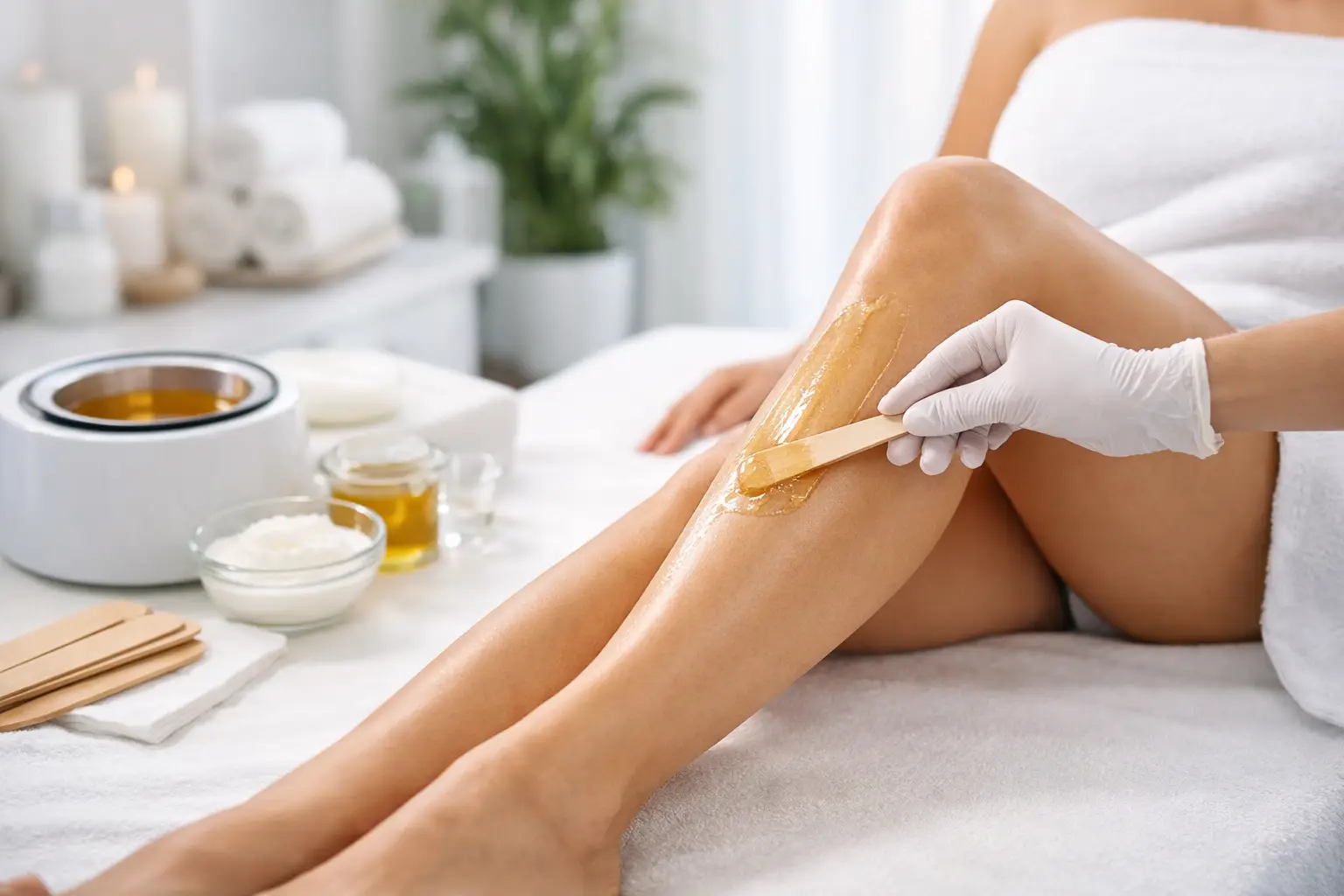
Waxing looks straightforward, but good technique matters. Temperature, wax type, skin preparation, application direction and removal method all affect both comfort and results. A qualified therapist is trained to assess the area before beginning and adjust the treatment where needed.
At a professional appointment, your therapist can choose products appropriate to the body area and your skin’s needs. Delicate facial skin, for example, should not be approached in exactly the same way as the legs. They will also work methodically to reduce unnecessary passes over the skin and remove hair as effectively as possible.
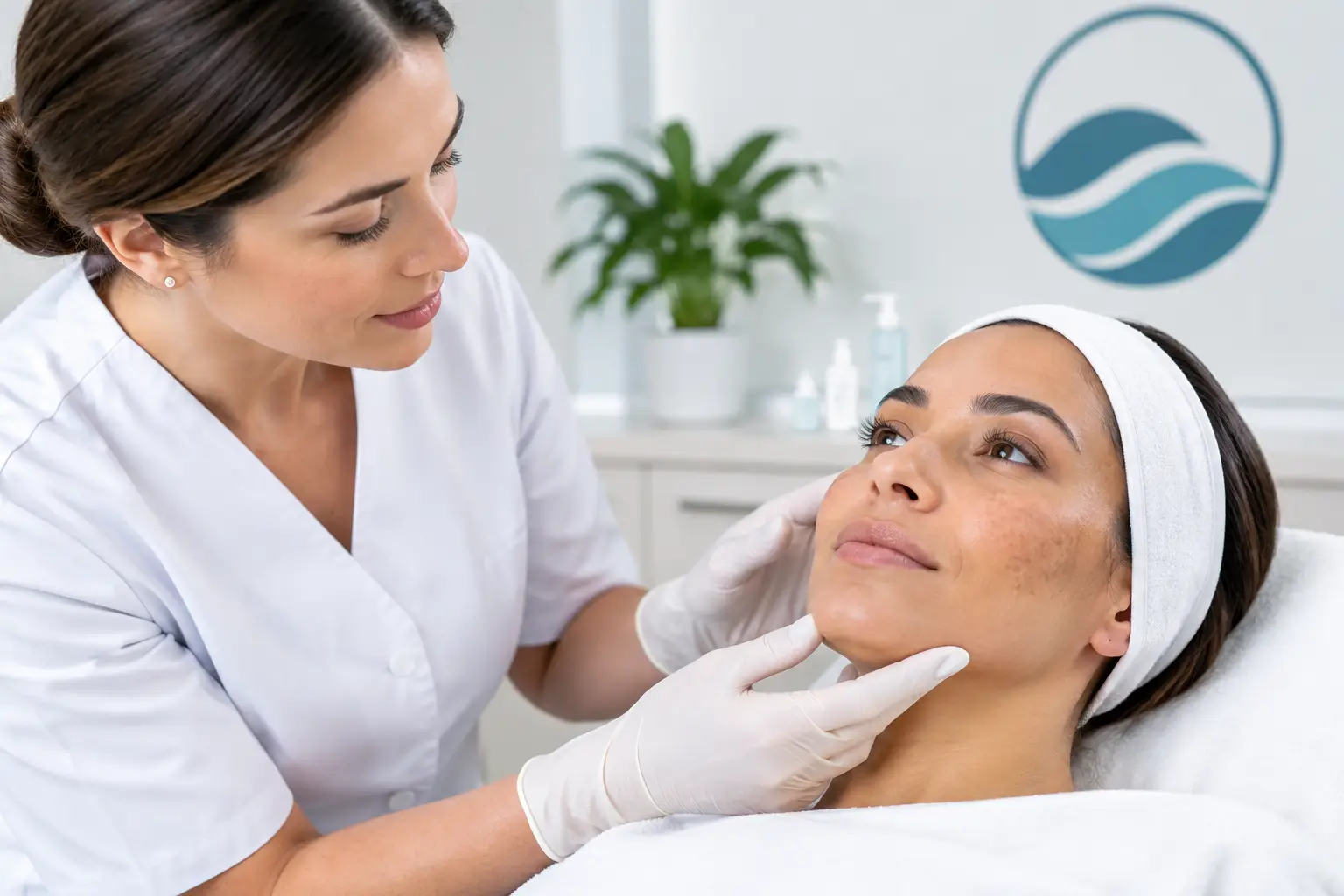
Professional care is particularly valuable if you are unsure whether waxing is suitable for you. Some active skin concerns, recent cosmetic or skin treatments, sun exposure, or certain skincare products may mean waxing should be postponed or an alternative should be considered. Being honest about your current routine and any relevant health information helps your therapist make the safest recommendation.
A more comfortable, supported experience
No one needs to pretend waxing is completely sensation-free. There can be a brief sting, especially in sensitive areas or when it is your first appointment. The benefit of seeing a professional is that you are not left to guess what is normal, how to hold the skin, or whether you are using the right technique.
An experienced therapist will explain the process, work at a considered pace and check in with you throughout your treatment. That reassurance can be especially helpful for intimate waxing, first-time facial waxing or eyebrow shaping, where nerves are common.
Comfort also comes from preparation. Your therapist may recommend allowing the hair to grow to a suitable length before your appointment, arriving with clean skin and avoiding exfoliation or strong active skincare products immediately beforehand. Following these simple steps gives the wax a better chance of gripping the hair rather than the skin.
More precise shaping where it counts
Brows and facial waxing benefit from a careful eye. A professional can work with your natural brow shape, facial features and everyday styling preferences rather than taking a one-size-fits-all approach. The goal is not to create identical brows or follow a trend that does not suit you. It is to achieve a clean, balanced result that still feels like you.
Precision matters beyond brows, too. A therapist can treat tricky areas more evenly than you may be able to at home, including the backs of the legs, underarms and bikini line. This can help reduce missed patches and the temptation to repeatedly wax the same spot.
If you are growing out brows after over-plucking, communicate that at the beginning of the appointment. A tailored plan can preserve the hairs you are trying to keep while tidying the areas around them.
Better aftercare for calmer-looking skin
A little temporary redness or sensitivity after waxing is common, particularly on the face or in areas where hair is coarser. Professional waxing includes clear aftercare guidance so you know how to look after your skin once you leave the clinic.
For the first 24 to 48 hours, it is usually wise to avoid heat, friction and anything likely to irritate freshly waxed skin. This may mean skipping hot baths, saunas, intense exercise, fragranced body products and tight clothing for a short period. Freshly waxed areas should also be protected from sun exposure.
Gentle exfoliation can help minimise the chance of ingrown hairs once your skin has settled, but timing matters. Exfoliating immediately after waxing can cause irritation. Your therapist can advise what is appropriate for your skin and the area treated, rather than relying on generic advice online.
A cleaner, more consistent treatment environment
Professional hygiene practices are a major reason to choose an established clinic. Treatment areas should be clean, products should be handled appropriately, and single-use items should be used where required. These details may not be glamorous, but they are central to a safe, comfortable appointment.
Consistency is another advantage. Booking regular appointments with the same clinic allows your therapist to understand your skin, hair growth pattern and preferences over time. Perhaps you prefer a natural brow clean-up rather than a defined shape, have a sensitive patch of skin, or find a particular aftercare approach works best. That information can be carried into future visits.
At Coastal Skin Clinic, waxing is approached as a personal treatment, not a rushed task. A warm and friendly atmosphere, combined with professional attention to skin health, helps clients feel comfortable asking questions and making choices that suit them.
Waxing is not the right answer for every hair-removal goal
Professional waxing delivers excellent short-term smoothness, but it is worth being clear about what it does and does not do. It requires ongoing maintenance and hair needs to be long enough to wax effectively, which can be inconvenient if you prefer to be completely hair-free at all times.
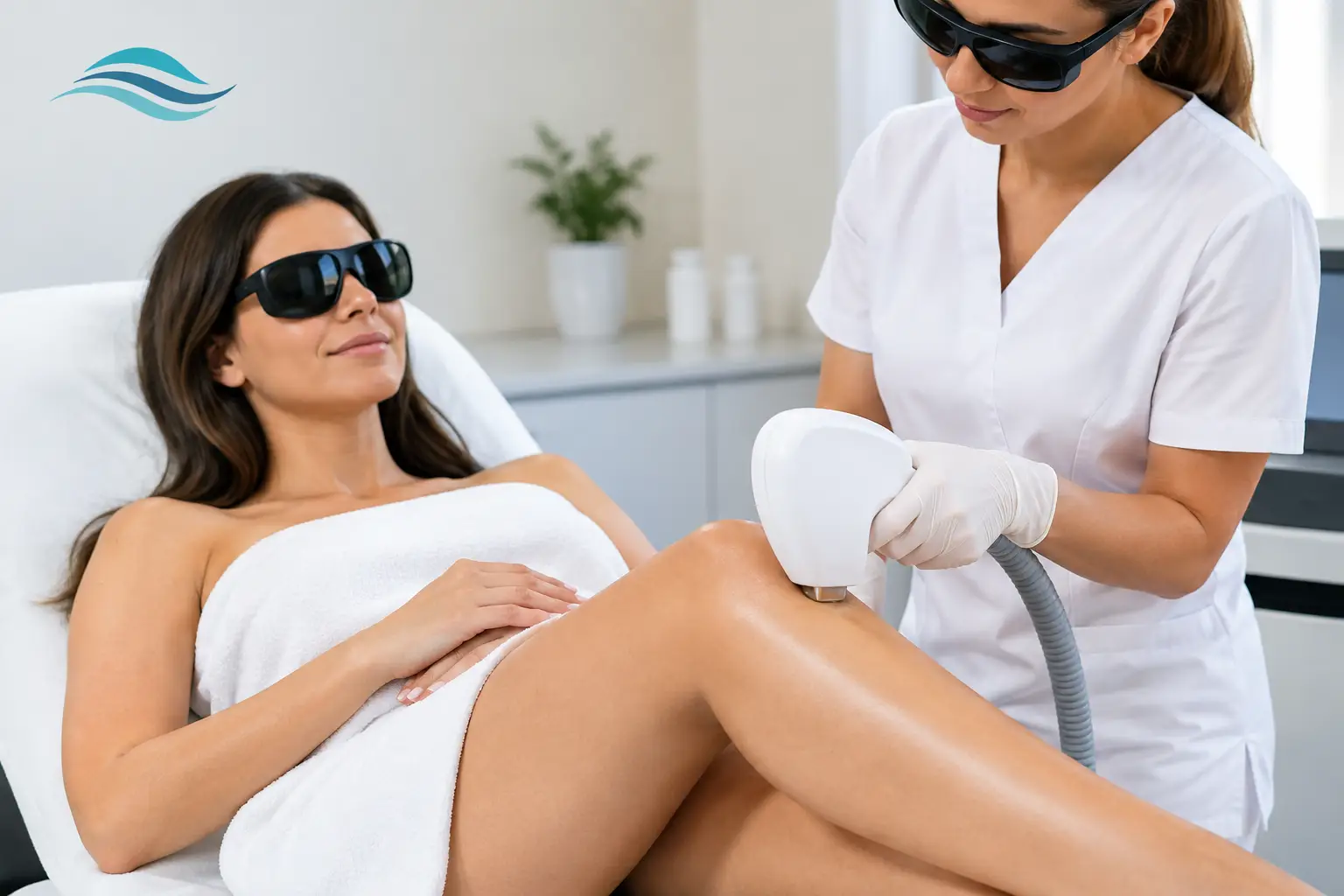
If your goal is long-term reduction in hair growth, IPL hair reduction may be worth discussing instead. Suitability depends on factors including your skin tone, hair colour and the treatment area, so a consultation is the right place to compare options. Some clients also combine approaches, using waxing for certain areas and a longer-term treatment plan for others.
Waxing may need to be delayed if your skin is irritated, sunburnt, recently treated or unusually reactive. This is not a setback. It is a sensible part of protecting your skin and ensuring the best possible result when treatment does go ahead.
How to get the best from your appointment
Your results begin before the wax is applied. Let your therapist know if you have used retinol, exfoliating acids or other active skincare recently, particularly before facial waxing. Mention any skin treatments you have had and flag changes in your skin since your last visit.
Wear comfortable clothing if you are having body waxing, avoid booking immediately before a beach day or major event if you know your skin tends to redden, and give yourself a little breathing room afterwards. If you are uncertain about the best method for an area, ask. A professional recommendation should consider your skin, your goals and your lifestyle, not simply the quickest available option.
Smooth skin is a welcome result, but feeling confident in the care behind it matters just as much. A brief conversation with a qualified therapist can help you choose a hair-removal routine that feels comfortable, realistic and right for you.