Those sore, red bumps that keep turning up after shaving or waxing are more than a nuisance. If you are asking does Laser Hair Removal help ingrown hairs, the short answer is yes – in many cases it can make a real difference by reducing the hair growth that causes the problem in the first place.
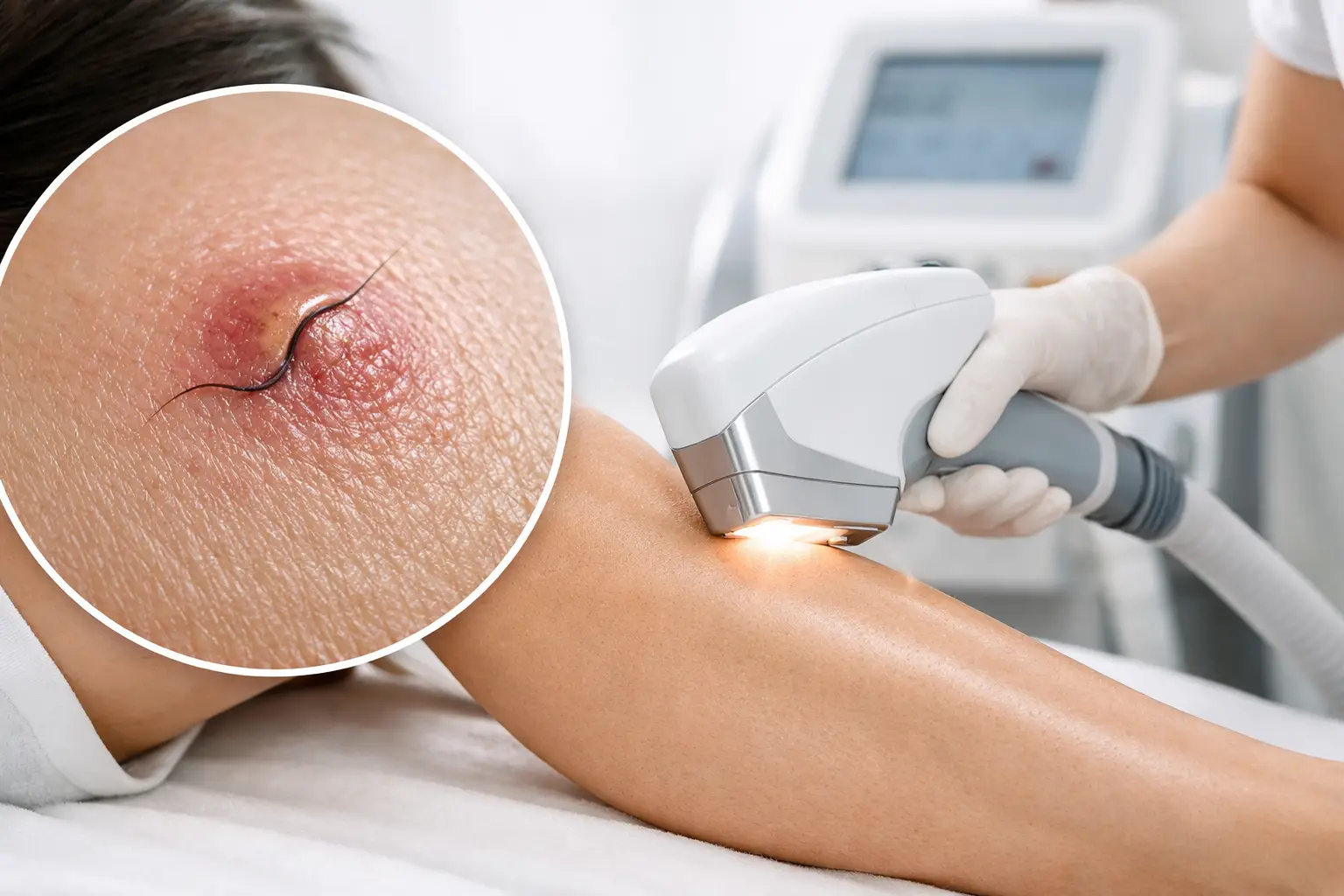
Ingrown hairs happen when a hair curls back into the skin or struggles to break through the surface. This is especially common in areas where hair is coarse, dense or regularly removed, such as the face, underarms, bikini line, legs and neck. For some people, it is an occasional annoyance. For others, it becomes an ongoing cycle of bumps, inflammation, pigmentation and discomfort.
Does Laser Hair Removal help ingrown hairs or just remove hair?
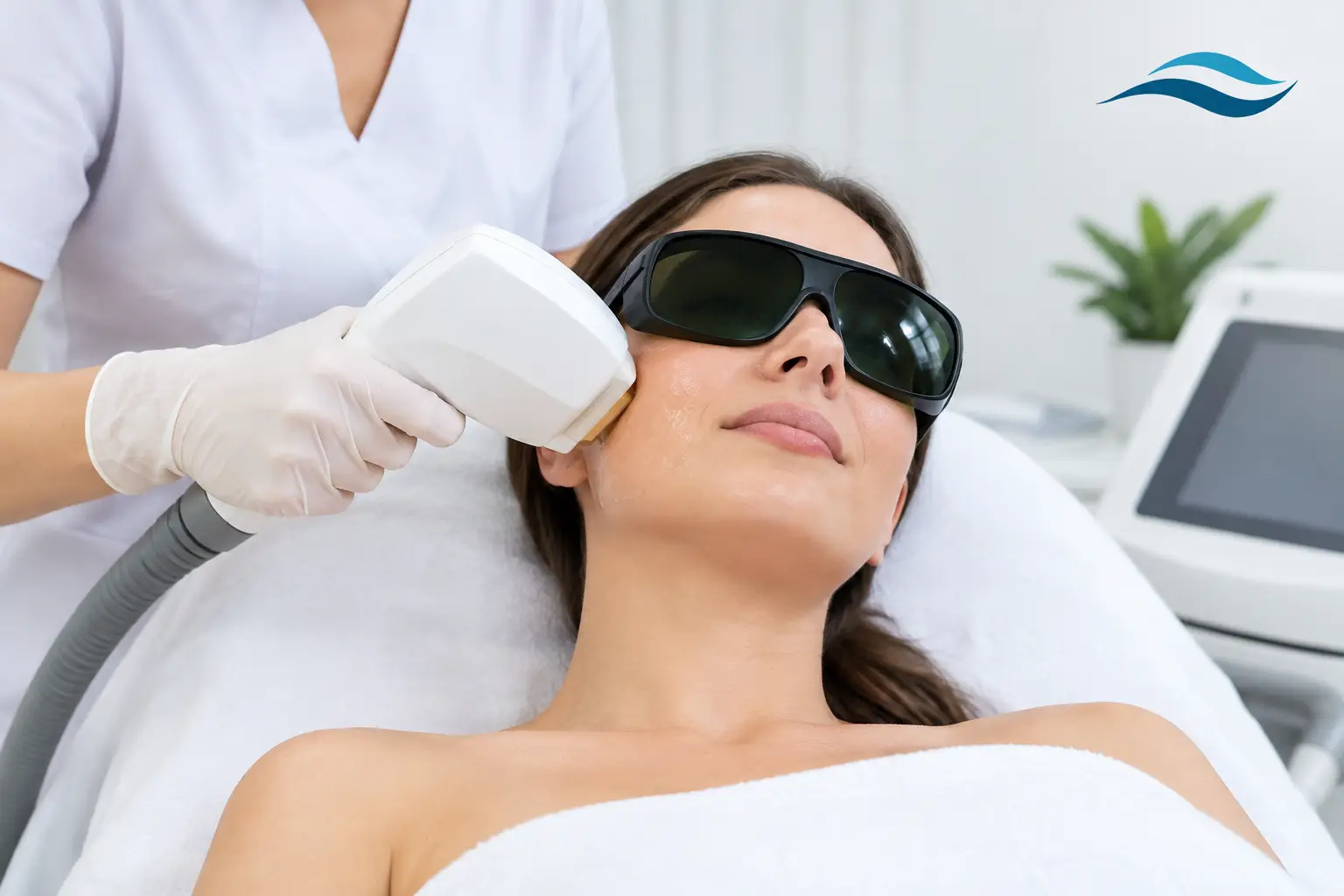
Laser can help with ingrown hairs because it targets the root cause, not just the visible bump. The Intense Pulsed Light works by delivering light energy into the hair follicle, where pigment in the hair absorbs the energy. Over a course of treatments, this reduces the hair’s ability to grow back as strongly, quickly or densely.
When there is less hair pushing through the skin, there is less chance of that hair becoming trapped, curling inward or causing irritation after removal. That is why many clients notice fewer ingrown hairs alongside smoother skin and slower regrowth.
That said, Laser Hair Removal is not a one-off cure. Ingrown hairs already sitting under the skin may still need time to resolve, and results depend on your skin, your hair type and the area being treated.
Why Laser can reduce ingrown hairs
Traditional hair removal often creates the exact conditions that lead to ingrowns. Shaving leaves a blunt edge. Waxing can irritate the follicle. Tweezing can distort the direction of growth. If the hair is thick or curly, it may re-enter the skin as it grows back.
Laser changes that pattern by reducing active follicles over time. Fewer follicles producing thick regrowth usually means fewer opportunities for the hair to become trapped. In many cases, the hair that does return is finer and softer, which also lowers the risk of bumps and post-hair-removal irritation.
This is why Laser is often a strong option for people who are tired of managing ingrowns rather than preventing them. Instead of treating the same area again and again with razors, wax or exfoliants, the focus shifts to reducing the amount of hair that is causing the issue.
Where Laser tends to work best for ingrown hairs
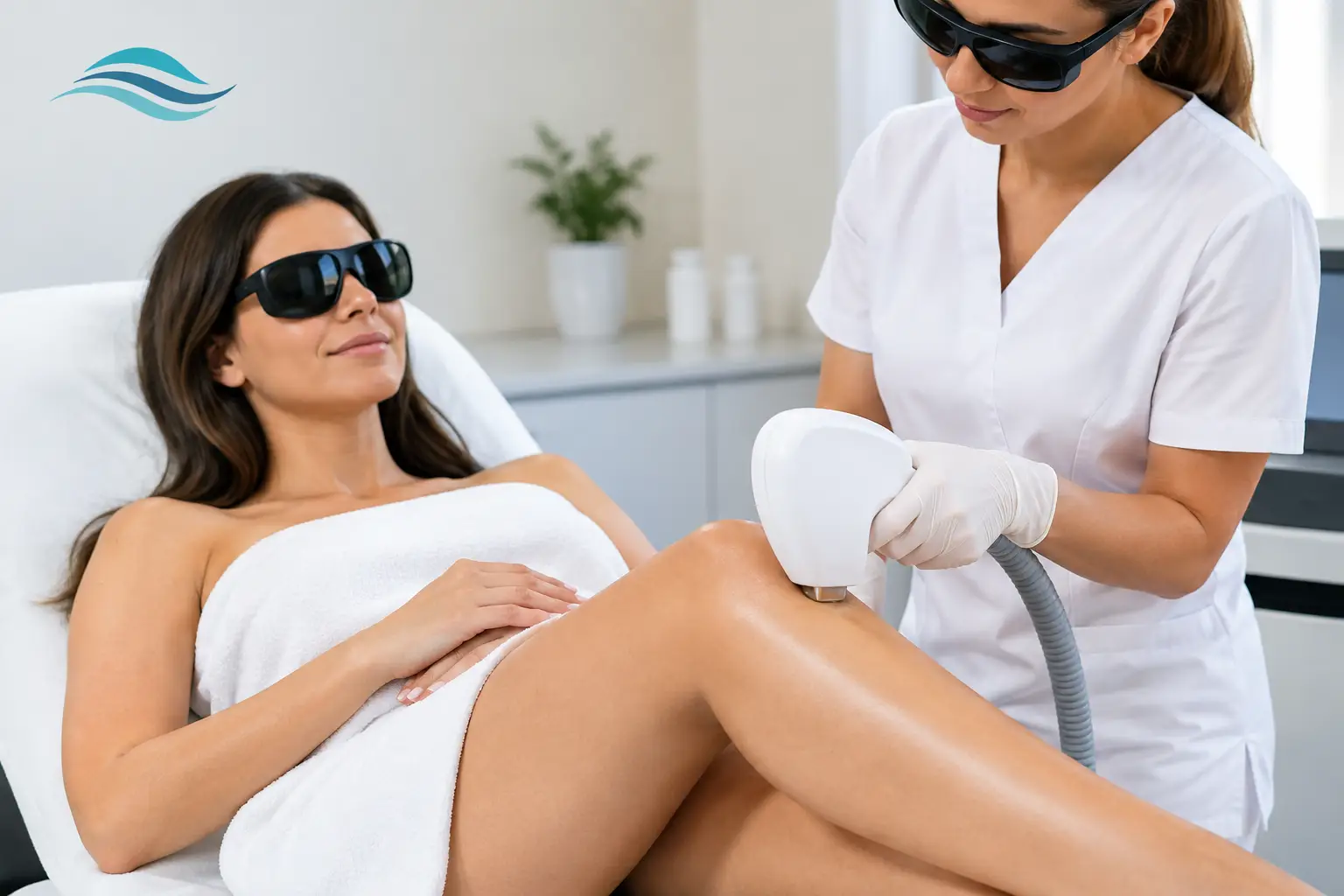
Some treatment areas respond particularly well because they are common sites for recurrent ingrowns. The bikini line is one of the most frequent. Coarse hair, friction from clothing and repeated shaving can make this area especially prone to inflammation.
Underarms are another common concern, particularly for clients who shave often and develop dark marks or tenderness from recurring ingrown hairs. On the face and neck, Laser may also help people who experience shaving-related bumps, although suitability here needs a careful professional assessment because skin sensitivity, hair colour and hormonal factors can all affect results.
Legs can respond very well too, especially when ingrown hairs are linked to dense regrowth after shaving. The back, chest and other body areas may also benefit if hair density is contributing to repeated irritation.
What kind of results should you realistically expect?
The most helpful answer is that Laser often improves ingrown hairs, but the degree of improvement varies. Some clients notice the area settles quickly once regrowth slows down. Others see a gradual reduction in bumps over several sessions as the hair becomes finer and patchier.
Most people need a course of treatments rather than a single session. Hair grows in cycles, and Laser only affects follicles effectively when the hair is in the right growth phase. That is why treatment plans are spaced out and tailored to the area and your response.
You may also find that the skin looks calmer between appointments because you are not shaving or waxing as aggressively or as often. This matters. Sometimes the benefit is not just the light-based treatment itself, but the break it gives your skin from constant irritation.
When Laser may not be the full answer
Not every bump is an ingrown hair. Folliculitis, acne-like breakouts, friction rash and other skin conditions can look similar, so proper assessment matters. If the area is inflamed, infected or heavily pigmented from past ingrowns, treatment may need to be timed carefully or combined with other skin support.
Laser also works best when there is enough contrast between the hair and the skin for the device to target the follicle effectively. Very light, grey or red hair tends to be more difficult to treat. Deeply curled hair can improve with Laser, but some clients may need a longer treatment course depending on the pattern of regrowth.
There is also the question of expectations. If you want every ingrown hair gone immediately, Laser may feel slower than hoped. If your goal is fewer bumps, less shaving, softer regrowth and longer-term improvement, it is often a much better fit.
Does Laser help ingrown hairs in sensitive skin?
It can, but sensitive skin needs a thoughtful approach. People with reactive skin are often caught in a frustrating cycle where shaving causes irritation, irritation makes ingrowns worse, and attempts to treat the bumps only inflame the area further.
Because Laser reduces the need for frequent hair removal, it can be a good option for sensitive skin over time. However, the treatment settings, skin preparation and aftercare all matter. A professional consultation helps determine whether your skin is suitable, whether there are any contraindications, and how to pace treatment safely.
This is where a clinic-led plan is valuable. It is not simply about whether the machine can target hair. It is about whether the treatment is being delivered in a way that respects your skin condition, history and comfort.
What to do between Laser sessions
If ingrown hairs are a regular issue, what you do between appointments can influence your results. Picking, squeezing or digging out hairs often increases the risk of pigmentation and scarring. Gentle exfoliation may help in some cases, but over-exfoliating irritated skin can make matters worse.
Shaving advice will vary depending on the area and your treatment plan, but many clients benefit from reducing friction, avoiding very close shaves and keeping the skin calm and hydrated. If you are prone to pigmentation after inflammation, sun protection is also important, particularly on exposed areas.
A personalised plan is usually the best option because there is no single routine that suits every skin type. Someone with coarse bikini line hair may need different advice from someone managing shaving bumps on the neck or legs.
Why professional assessment matters
Home Laser devices are widely marketed, but they are not the same as professional treatment. They are generally lower strength, which can mean slower or less consistent results, especially when ingrown hairs are stubborn and linked to coarse regrowth.
A professional consultation looks at more than the hair itself. Skin tone, hair colour, recent sun exposure, medications, hormonal influences and your history of irritation all affect whether Laser is appropriate and how treatment should be delivered. Safe. Effective. That combination depends on more than the device.
For clients on the Sunshine Coast who want a clearer answer than generic online advice, a clinic assessment can save time and guesswork. It gives you a realistic idea of what improvement is possible and whether Laser is the right treatment for your skin.
The bottom line on Laser Hair Removal and ingrown hairs
If you are dealing with recurrent bumps after shaving or waxing, Laser is often one of the most effective ways to reduce the pattern over time. It helps by decreasing hair growth, softening regrowth and reducing the repeated trauma that keeps ingrown hairs coming back.
It is not instant, and it is not identical for every person or every treatment area. But for many clients, it offers something that temporary hair removal methods do not – a longer-term way to calm the cycle rather than keep chasing it.
If your skin is sore, marked or constantly flaring after hair removal, it is worth getting proper advice before it becomes an even more stubborn issue. The right treatment plan should leave you feeling informed, comfortable and confident about what comes next.