
Sensitive skin does not mean you have to put up with unwanted hair. It does mean waxing for sensitive skin areas deserves more care than a quick, one-size-fits-all appointment. The difference between a smooth result and skin that feels red, sore or irritated often comes down to preparation, professional technique and the right aftercare.
Areas such as the face, underarms and bikini line naturally have thinner, more reactive skin or are exposed to more friction. At Coastal Skin Clinic, waxing is approached as a personalised treatment. Your comfort, your skin history and the condition of your skin on the day all matter.
Why sensitive areas react differently to waxing
Waxing removes hair from the root, which is why it can leave skin smooth for longer than shaving. However, the process also places temporary stress on the skin. When the wax is removed, the surface can become warm, flushed and more vulnerable to irritation.
This reaction is often more noticeable in high-sensitivity areas. The bikini line and underarms experience rubbing from clothing, sweat and movement. Facial skin may be affected by active skincare ingredients, recent exfoliation or environmental exposure. Even normally resilient skin can become reactive when it is dehydrated, sun-exposed or already inflamed.
Some redness immediately after waxing is common and usually settles within hours. Persistent burning, swelling, broken skin, worsening discomfort or a rash that does not settle should not be ignored. These signs may mean the skin needs professional advice rather than another hair-removal treatment.
Waxing for sensitive skin areas starts before the appointment
The best preparation is simple: arrive with calm, clean skin. Avoid applying heavy moisturiser, body oil, deodorant or perfume to the treatment area on the day, as these can interfere with wax adhesion or increase sensitivity.
For several days beforehand, avoid aggressive exfoliation and treatments that may leave skin more vulnerable. This includes scrubs, strong at-home peels and hair-removal creams. If you are waxing the face, let your practitioner know about any active skincare you use, particularly retinoids, prescription acne products or exfoliating acids. Depending on the product and your skin, it may be safer to pause it before waxing. Your practitioner can guide you, but it is also wise to follow advice from the clinician who prescribed it.
Try to avoid booking a wax immediately after a day in the sun, a hot yoga session or an intense gym workout. Sunburnt, heat-stressed or irritated skin should not be waxed. Similarly, it may be sensible to schedule around times when you know your skin feels more reactive, such as just before your period.
Hair needs enough length for the wax to grip effectively, but it does not need to be long. As a general guide, allowing hair to grow for around three to four weeks after shaving is often suitable. If you are unsure, leave it as it is and ask at your appointment. Trimming too short can make waxing less effective, while very long hair can make the process less comfortable.
The wax and technique both matter
Not all waxing services are the same. For sensitive areas, the practitioner needs to assess the skin, select an appropriate wax and work with a controlled technique. Hard wax is often preferred for smaller, delicate zones because it adheres to the hair rather than pulling as strongly on the surrounding skin. Strip wax may still be suitable in certain areas, depending on hair growth, skin condition and the practitioner’s assessment.
Temperature is equally important. Wax that is too hot can irritate or burn skin, while wax at the wrong consistency may not remove hair cleanly. A trained practitioner works methodically in small sections, supports the skin during removal and avoids repeatedly waxing the same patch where possible.
That final point matters. Going over an area again and again to catch every fine hair can increase irritation and lift the surface of already delicate skin. Sometimes the safest choice is to leave a few very short hairs to grow through rather than overwork the skin. A good result should always include respect for the skin barrier, not only a perfectly hair-free finish.
Be open about your skin history
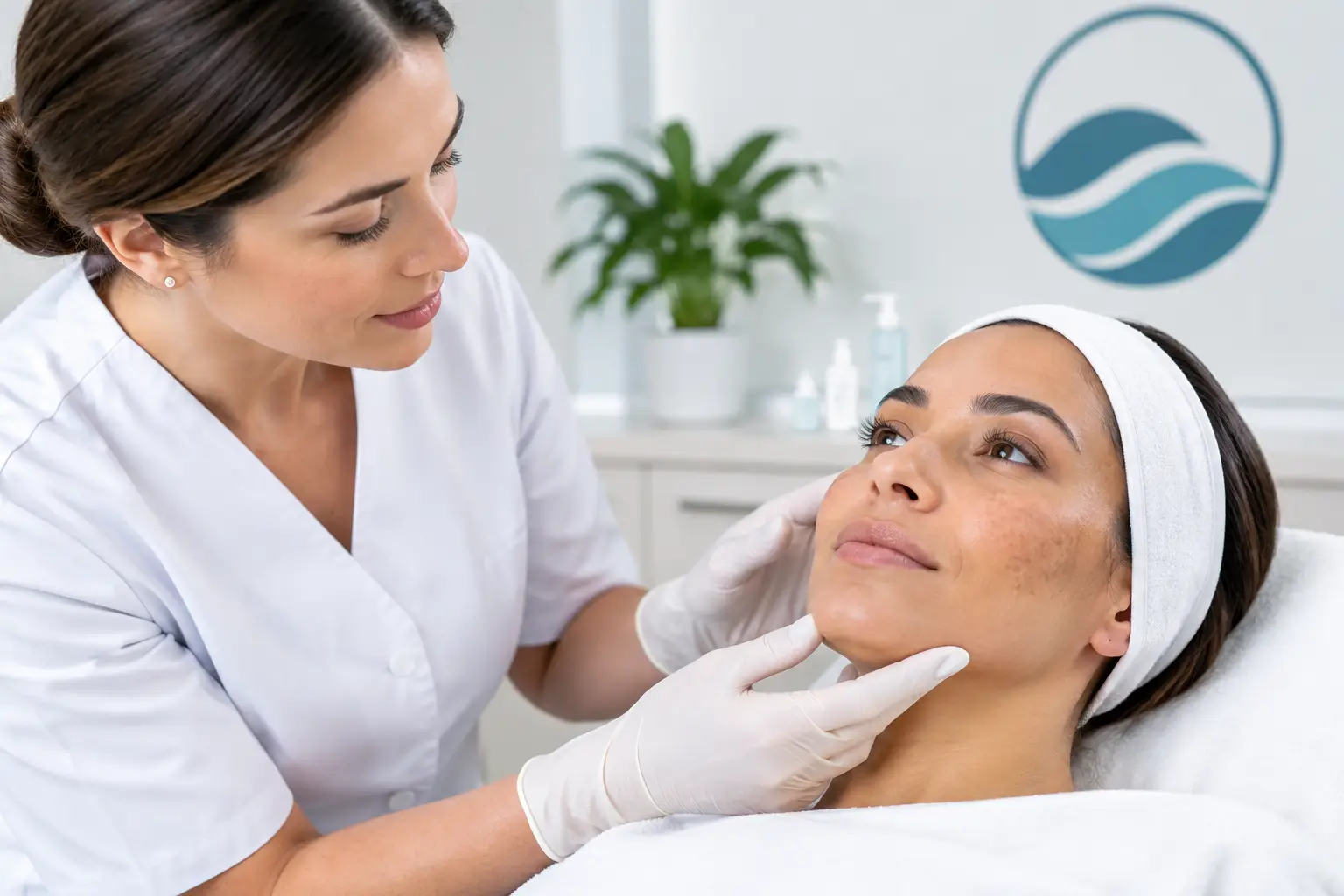
Before your wax, tell your practitioner about allergies, previous waxing reactions, current skin concerns and any medications or products you are using. Mention eczema, dermatitis, psoriasis, cold sores, acne or recent cosmetic and skin treatments, even if they seem unrelated.
A patch test can be valuable if you are new to waxing, have had a reaction in the past or are trying a different treatment area. It cannot predict every possible response, but it gives your practitioner useful information and can provide welcome reassurance.
Waxing may need to be postponed if you have broken skin, an active infection, a fresh tan, significant sun exposure, a flare-up of a skin condition or unexplained irritation. Postponing is not a setback. It is a careful decision that helps protect your skin and supports a better treatment outcome later.
Aftercare that keeps skin comfortable
Freshly waxed skin needs a little breathing room. For the rest of the day, keep the area clean, cool and free from unnecessary friction. Loose, breathable clothing is especially helpful after bikini or underarm waxing.
For 24 to 48 hours, avoid hot baths, saunas, spas, swimming pools, strenuous exercise and direct sun exposure where possible. Heat, chlorine, sweat and bacteria can all aggravate follicles that are temporarily open after waxing. Avoid fragranced products, deodorant on freshly waxed underarms, exfoliants and active skincare on waxed facial areas until the skin feels settled.
A cool compress can ease temporary warmth or redness. Use a clean cloth and cool water rather than applying ice directly to the skin. A gentle, fragrance-free moisturiser may also help, provided the area is intact and your practitioner has confirmed it is suitable.
Ingrown hairs are another common concern, particularly around the bikini line and underarms. Once any redness has settled, gentle exfoliation can help reduce the risk. The timing matters: exfoliating too soon can create more irritation, while beginning a few days later and maintaining a gentle routine is usually more useful. Your practitioner can recommend an approach based on your skin and hair type.
When waxing may not be the best choice
Waxing is effective for many people with sensitive skin, but it is not the right option for everyone at every appointment. If your skin reacts strongly each time, if you regularly experience folliculitis or ingrown hairs, or if you are tired of ongoing maintenance, it may be worth discussing alternatives.
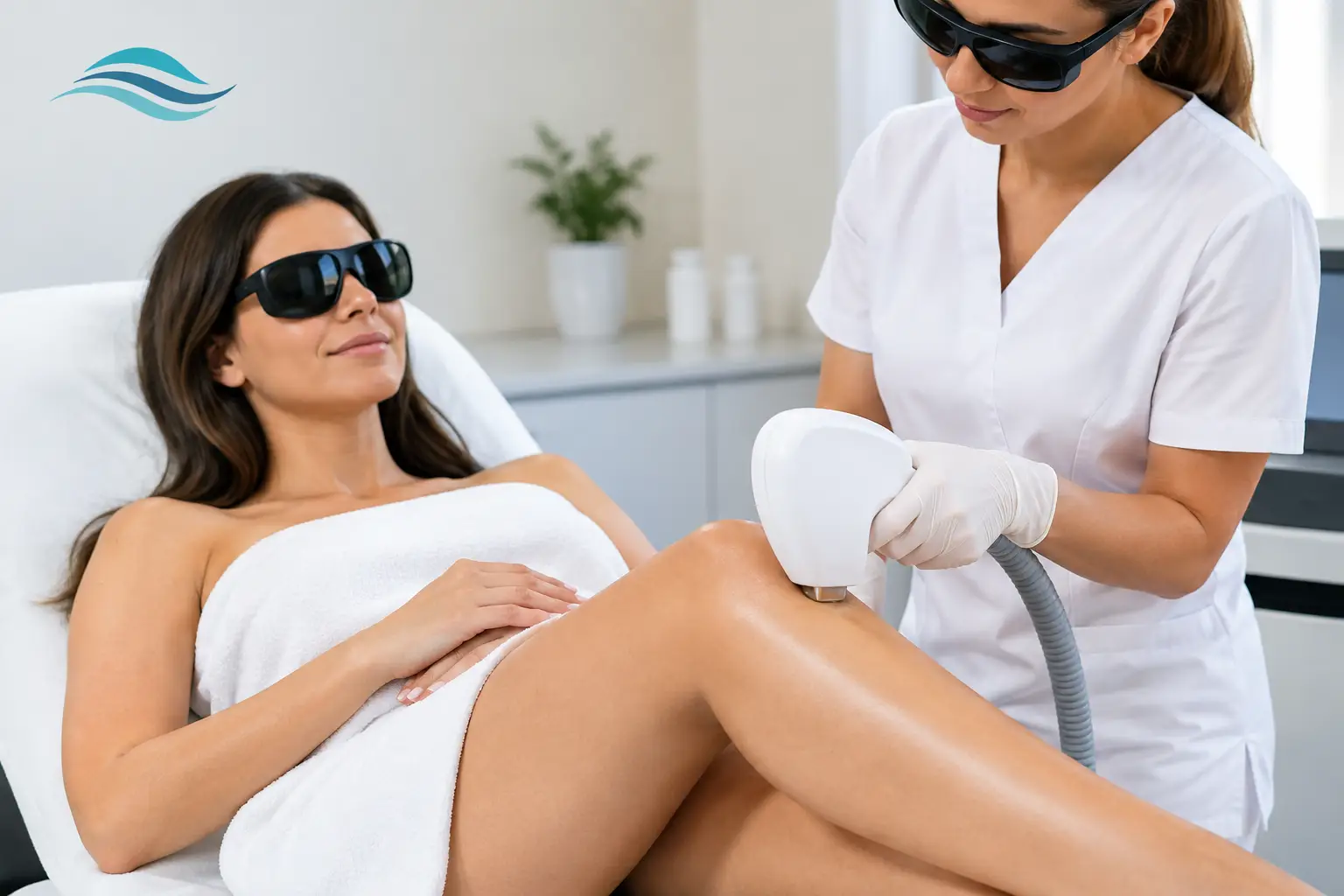
IPL hair reduction can be an option for suitable skin and hair types, although it requires a consultation and a course of treatments rather than delivering an immediate hair-free result. Shaving may be the gentler short-term option when skin is compromised. The right choice depends on your skin condition, hair colour, treatment area, lifestyle and desired outcome.
For facial hair, it is particularly worthwhile seeking personalised guidance instead of experimenting with multiple methods at home. The skin on the face is visible, often exposed to active skincare and more likely to show irritation. A cautious treatment plan is usually kinder to both your skin and your confidence.
A more comfortable waxing experience
There is no prize for pushing through a wax when your skin is clearly not ready. The most reliable approach is to work with a trained practitioner who listens, checks the skin before starting and adjusts the treatment when needed.
If you are in the Sunshine Coast area and feel unsure about waxing a sensitive area, a consultation at Coastal Skin Clinic can help you make a comfortable, informed choice. Healthy-looking skin is not about forcing one treatment to suit everyone. It is about choosing care that respects what your skin needs on the day.