
Booking a consultation is often the moment skin concerns start to feel manageable. Whether you are dealing with pigmentation, acne scarring, texture, redness, unwanted hair or early signs of ageing, knowing how to prepare for skin consultation appointments can help you get clearer answers and a treatment plan that actually fits your skin.
A good consultation is not about being sold the most intensive treatment in the room. It is about understanding your skin, your goals, your lifestyle and any factors that could affect results or safety. A little preparation before you walk in can make that conversation far more useful.
Why preparation matters
Skin consultations work best when they are based on a full picture, not just what your skin looks like on one particular day. Treatments such as laser rejuvenation, peels, facials, microdermabrasion or IPL may all suit different concerns, but suitability depends on more than the concern itself. Your skin history, current products, recent sun exposure and even upcoming events can all influence what is recommended.
Preparation also helps reduce nerves. Many clients arrive worried they will not know the right terms, or that they need to have already decided on a treatment. You do not. What helps most is being able to explain what has been bothering you, what you have tried, and what kind of outcome you are hoping for.
How to prepare for skin consultation appointments
Start with your goal, not the treatment name. You might think you need a peel, laser session or facial, but the more helpful starting point is the issue you want to improve. For example, you may want smoother texture, more even tone, fewer breakouts or fresher-looking skin before an event. When you lead with the result you want, your clinician can guide you towards options that are both suitable and realistic.
It is also worth thinking about your timeline. Some treatments are gentle with minimal downtime, while others can involve a period of redness, flaking or sensitivity. If you have a wedding, holiday, work event or beach weekend coming up, mention it early. Timing matters just as much as treatment choice.
Bring your skin history
One of the most useful things you can do is arrive ready to talk through your history clearly. That includes when the concern started, whether it has changed, what tends to trigger it and what treatments or products you have already tried. If a past treatment caused irritation, that is just as important as one that worked well.
Your clinician may also ask about allergies, medications, pregnancy or breastfeeding, medical conditions and previous cosmetic procedures. These details are not a formality. They help protect your skin and make sure any treatment plan is safe and appropriate.
If you are taking prescription skincare, including acne medication or pigment treatments, make a note of it. Even products that seem routine at home can affect how your skin responds in clinic.
Know what you are using at home
You do not need to memorise every ingredient in your bathroom cabinet, but it helps to know the basics. If you can, bring a list or photos of your current skincare products on your mobile. Include cleansers, serums, exfoliants, retinoids, acne products and sunscreen.
This matters because active ingredients can change what your skin needs before treatment. For example, frequent use of acids, retinol or strong exfoliants may leave the skin more reactive. On the other hand, some clients are under-treating their skin at home and need a simpler, more consistent routine before moving into corrective treatment.
A strong consultation looks at both in-clinic options and home care. The right plan is often a combination of both.
What to do in the days before your appointment
Keep things calm. If you are wondering how to prepare for skin consultation visits properly, the short answer is this: avoid doing anything dramatic to your skin right before you come in.
That means no last-minute scrubs, strong exfoliation, at-home peels or trying a new active product the night before. If your skin is irritated, inflamed or unusually dry from something avoidable, it becomes harder to assess its baseline condition.
Sun exposure is another big one. Try to avoid excessive sun in the lead-up to your appointment, especially if you are discussing laser or IPL-based treatments. Fresh tanning, sunburn or heat irritation can limit your options and may mean treatment needs to be delayed.
If you wax, shave, tweeze or use hair removal creams on the area you want assessed, check whether that may affect your consultation, particularly if IPL hair reduction is part of the discussion. The right advice can vary depending on the treatment area and your appointment purpose.
Come with clean skin if possible
It helps to arrive with skin that is free from heavy makeup, fake tan or thick skincare layers, especially if the consultation is for facial skin concerns. Clean skin allows for a more accurate assessment of tone, texture, redness, congestion and sensitivity.
If you are coming straight from work or another appointment, do not worry. A professional clinic will guide you. But if you can make things easier before you arrive, it gives your clinician a clearer starting point.
Questions worth asking during a consultation
A good consultation should feel informative, not rushed. You should leave understanding not only what is recommended, but why.
Ask what treatment is most suitable for your concern and whether there are other options worth considering. Sometimes the best treatment for visible results is not the fastest one, and sometimes a gentler approach is the smarter place to start.
It also helps to ask how many sessions are typically needed, what kind of downtime to expect, how results build over time and what maintenance may be involved. Skin treatment is rarely one-size-fits-all. Some concerns respond well in a few appointments, while others improve gradually with a staged plan.
You can also ask what you should avoid before and after treatment, and whether your current skincare routine needs to change. These practical details often have a direct impact on both comfort and outcome.
Be honest about budget and commitment
This part is often skipped, but it matters. A realistic treatment plan should suit not only your skin, but your schedule and budget as well. There is no value in recommending an intensive series if it does not fit your life.
Being upfront allows your clinician to guide you towards the most effective option within your comfort zone. In many cases, a well-planned, steady approach gives better long-term results than jumping into something unsuitable and stopping halfway through.
What to expect on the day
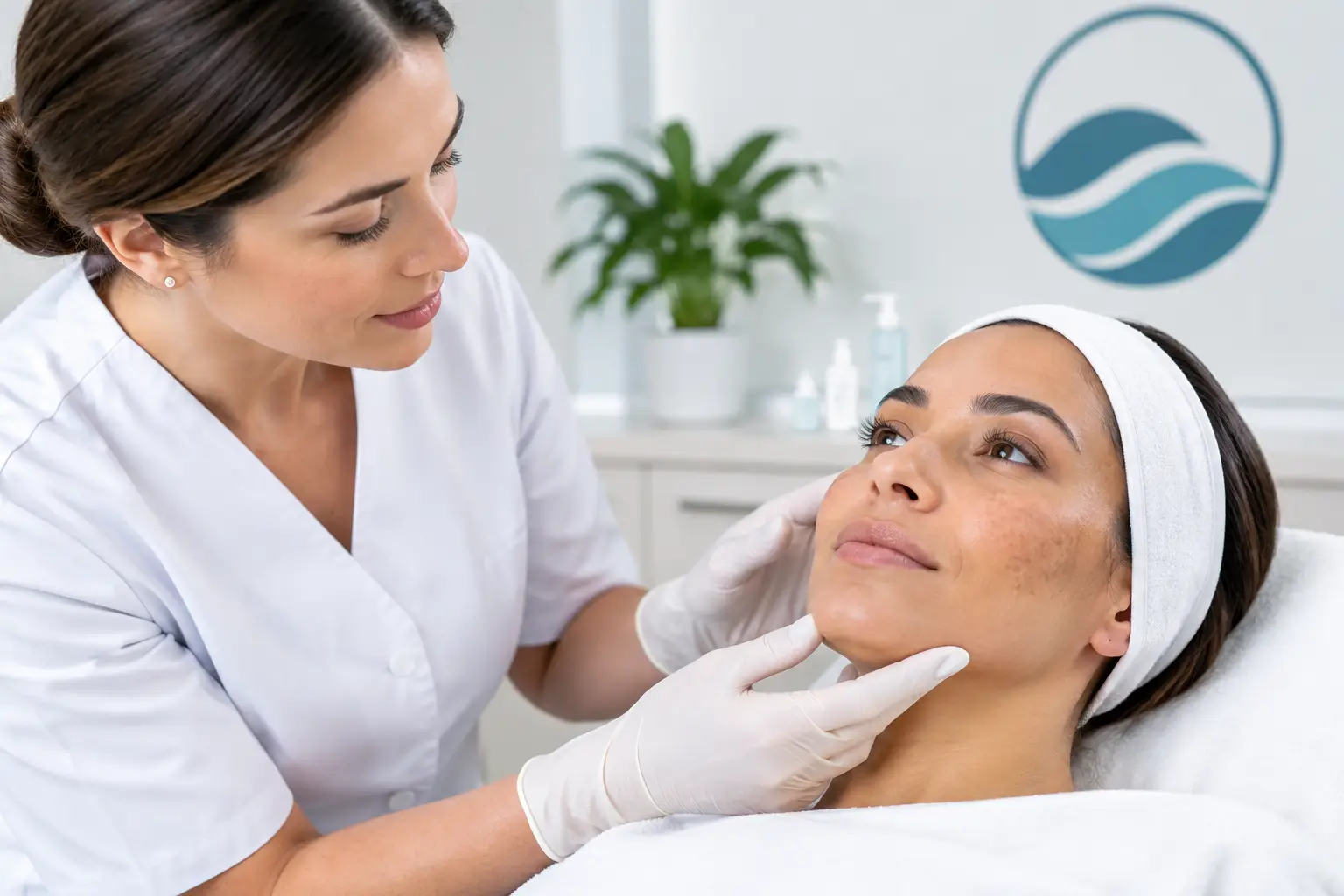
Most skin consultations involve a conversation first, followed by an assessment of the treatment area and discussion of suitable options. You may also have clinical photos taken to help track progress over time. This can feel slightly confronting at first, but it is a helpful way to measure results properly rather than relying on memory alone.
The best consultations are personalised. That means you may not walk out with the treatment you first had in mind, and that is not a bad thing. Expert guidance should narrow down what is safest, most effective and most worthwhile for your skin.
If you are visiting a clinic for the first time, pay attention to how the experience feels. You should feel listened to, not pressured. Good care is not just about technology or treatment menus. It is about whether the advice is tailored, transparent and focused on results you can realistically achieve.
A few small things that make a big difference
If your skin concern fluctuates, bring photos of flare-ups, breakouts or pigmentation when it is at its worst. Skin does not always behave on appointment day, and photos can add useful context.
Arrive a few minutes early so you are not rushed. If you are anxious, write down your main questions beforehand. And if this is your first time seeking professional skin advice, remember that you do not need perfect skin knowledge to have a productive appointment. You just need a clear sense of what is bothering you and an openness to guidance.
At clinics such as Coastal Skin Clinic, the consultation is where the treatment journey starts to make sense. Safe, effective care begins with understanding the person behind the skin concern.
The more prepared you are, the easier it is to move from guessing to having a plan you can feel confident about.