

A Practical Guide to Facial Treatment Safety

A Practical Guide to Facial Treatment Safety

A facial treatment should leave you feeling cared for, not pressured, confused or worried about what comes next. This guide to facial treatment safety is designed to help you make calm, informed choices, whether you are booking your first professional facial or considering a more corrective treatment for pigmentation, texture, acne scarring or signs of ageing.

The safest treatment is not always the strongest one. It is the one selected for your skin, delivered by an appropriately trained practitioner, and supported with clear preparation and aftercare. Your goals, skin history, lifestyle and recovery window all matter.

Start with a proper consultation

A quality consultation is where facial treatment safety begins. It should feel like a conversation, not a sales pitch. Your practitioner needs to understand what you would like to improve, but also what may affect your skin’s response.

Be ready to discuss your current skincare, allergies, skin conditions, medications and previous treatments. This includes prescription creams, active ingredients such as retinoids, recent cosmetic procedures, a history of cold sores, and any tendency to pigmentation changes or raised scarring. If you are pregnant or breastfeeding, mention this too, as some treatments and topical products may need to be postponed or adjusted.

Your practitioner should assess your skin rather than simply choosing the treatment you saw on social media. A treatment that works beautifully for a friend may be too stimulating for sensitive skin, or not targeted enough for your concerns. Good advice sometimes means starting gently, preparing the skin first, or recommending a different treatment altogether.

At Coastal Skin Clinic, personalised consultations help ensure that the treatment plan matches both your skin and the result you are hoping to achieve.

Questions worth asking before you book

You do not need to know every technical detail, but you should feel comfortable asking who will perform your treatment, what training and experience they have, what results are realistic, and what the recovery may look like. Ask what can go wrong, even if the risks are uncommon, and how the clinic would support you if your skin reacts unexpectedly.

For laser or energy-based treatments, ask about the technology being used and the clinic’s licensing and safety processes. In Queensland, laser services should operate within the relevant regulatory requirements. A professional clinic will welcome sensible questions and explain the process in plain language.

Choose the treatment for your skin, not the trend

Professional facials, microdermabrasion, medical-grade peels and laser rejuvenation can all have a place in a well-considered skin plan. They do different jobs, have different recovery requirements, and suit different skin types.

A gentle facial may focus on hydration, congestion and relaxation with little to no downtime. Microdermabrasion provides controlled physical exfoliation and may suit some clients looking to refresh dull or uneven skin. Chemical peels use selected active ingredients to encourage renewal, while laser treatments can be used for more targeted rejuvenation concerns. The trade-off is that corrective treatments often require more preparation, stricter aftercare and a greater chance of temporary redness, flaking or sensitivity.

More intensity does not automatically mean better results. Over-treating the skin can compromise its barrier, increase irritation and, for some skin types, raise the risk of post-inflammatory pigmentation. A staged approach can be safer and more effective than trying to solve every concern in one appointment.

Prepare your skin honestly and carefully

Your practitioner may ask you to pause certain products before treatment. This is not an optional extra. Exfoliating acids, retinoids, scrubs, waxing and some hair-removal methods can make the skin more reactive, depending on the procedure planned.

Follow the preparation instructions you are given rather than relying on a generic checklist online. The correct approach depends on whether you are having a peel, a facial, microdermabrasion or a laser-based service. Avoid trying a new active skincare product in the days before your appointment. If your skin becomes irritated, sunburnt, broken or unusually sensitive, contact the clinic before attending. Rescheduling is often the safer choice.

Sun exposure deserves special attention on the Sunshine Coast. A recent tan, even if it seems mild, can affect treatment suitability and recovery. Protecting your skin from the sun before and after treatment is one of the simplest ways to support an even result.

Patch testing and treatment planning

Patch testing may be recommended for certain treatments, particularly where light-based technology or active products are involved. It gives the practitioner useful information about how your skin may respond. It cannot predict every outcome, but it is a valuable safety measure when appropriate.

If your practitioner recommends a course of treatments, ask why the spacing matters. Skin needs time to respond and recover. Booking sessions too close together because you are eager for change can work against your results.

What safe treatment delivery looks like

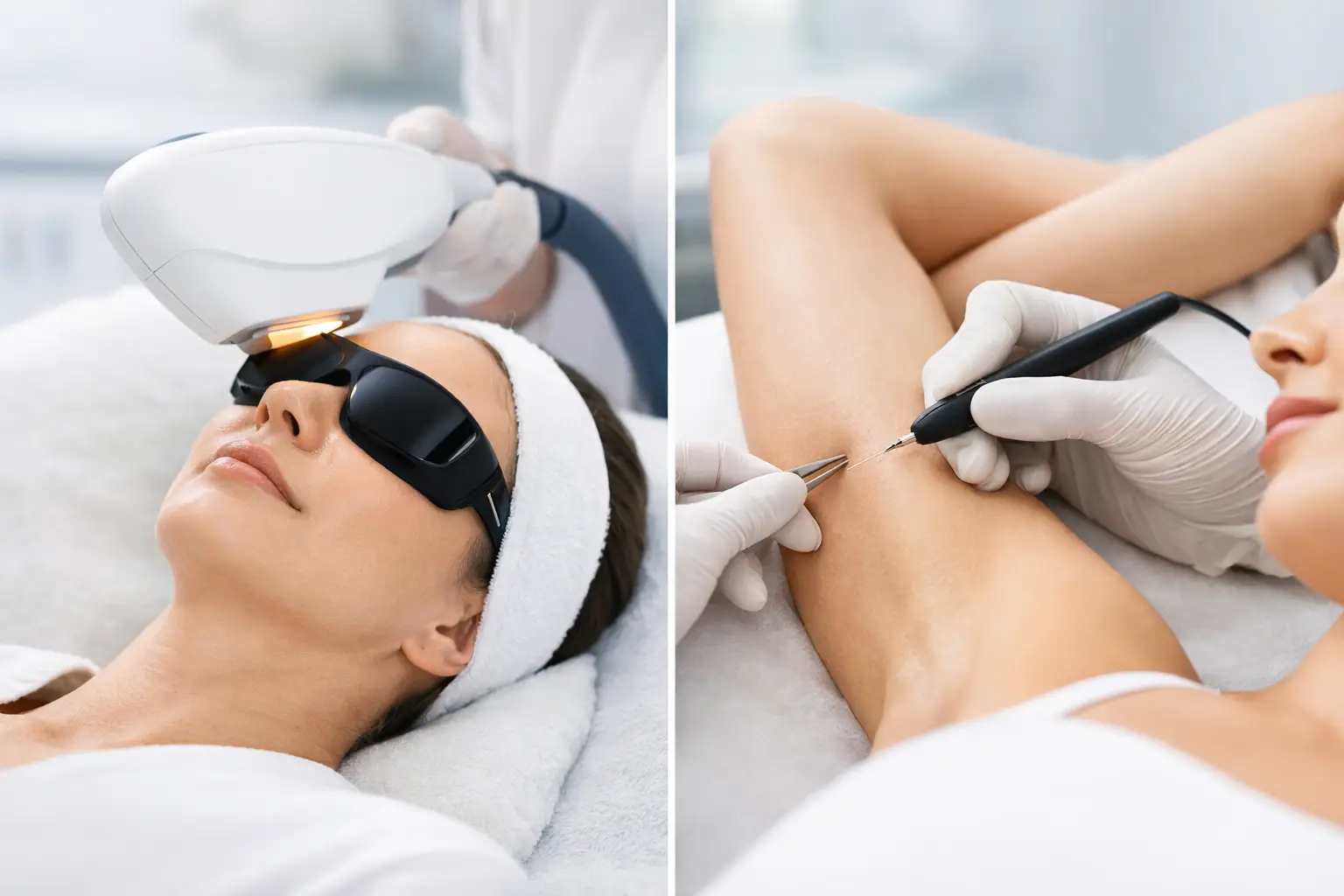
A professional environment should feel clean, organised and calm. Your practitioner should explain what they are doing, check your comfort throughout the appointment and provide appropriate protective measures. For laser and IPL procedures, this includes correct eye protection for everyone in the treatment room.

Consent matters. Before treatment begins, you should understand the intended benefit, possible side effects, recovery expectations and aftercare. You should never feel rushed into a procedure, especially if it is more intensive than you originally planned.

Be cautious of clinics that promise dramatic results without assessing your skin, offer one identical treatment to everyone, or make you feel that asking questions is inconvenient. Bargain pricing can be tempting, but training, hygiene, equipment maintenance, consultation time and aftercare support are all part of what you are paying for.

Aftercare is part of the treatment

The appointment is only one part of your facial treatment. The days that follow can strongly influence both comfort and outcome. Your practitioner should give you specific aftercare instructions, ideally in writing, and explain what is expected versus what needs attention.

Redness, warmth, mild swelling, tightness, dryness or light flaking can be normal after some treatments. The exact response depends on the procedure and your skin. Resist the urge to scrub, pick, peel or use strong products to speed things up. Let the skin recover at its own pace.

Keep skincare simple while your skin is settling. Use the products recommended for your recovery, avoid heat and excessive sweating if advised, and stay out of direct sun. Daily broad-spectrum sunscreen is essential, particularly after exfoliating or light-based treatments. Make-up may need to wait for a period after certain services, so ask before your appointment if you have plans straight afterwards.

Know when to contact your practitioner

Get in touch promptly if you experience worsening pain, significant swelling, blistering, weeping, spreading redness, signs of infection or a reaction that concerns you. Taking clear photos can help your practitioner assess the situation. Do not attempt to treat a significant reaction with random home remedies or harsh products.

A supportive clinic will want to hear from you. Follow-up care is not an inconvenience – it is part of safe, professional treatment.

Be realistic about results and recovery

Visible skin improvement usually takes consistency. Some treatments offer a fresh glow quickly, while others work gradually as the skin renews over several weeks. Pigmentation, acne scarring, redness and deeper texture concerns may require a tailored series of treatments and a committed home-care routine.

Results also depend on factors outside the clinic, including sun exposure, smoking, stress, hormones and how consistently you follow aftercare. A trustworthy practitioner will be clear about these variables rather than guaranteeing an outcome.

If you are preparing for a wedding, holiday or major event, allow a generous buffer. Even a treatment with minimal downtime can produce an unexpected response. Planning ahead gives your skin the breathing room it deserves.

Your skin does not need to be perfected to be treated well. Choose qualified care, speak openly about your history, and give yourself permission to take a slower path when that is what safe, healthy progress requires.
Related Blogs

A Practical Guide to Facial Treatment Safety

A facial treatment should leave you feeling cared for, not pressured, confused or worried about what comes next. This guide to facial treatment safety is designed to help you make calm, informed choices, whether you are booking your first professional facial or considering a more corrective treatment for pigmentation, texture, acne scarring or signs of ageing.

The safest treatment is not always the strongest one. It is the one selected for your skin, delivered by an appropriately trained practitioner, and supported with clear preparation and aftercare. Your goals, skin history, lifestyle and recovery window all matter.

Start with a proper consultation

A quality consultation is where facial treatment safety begins. It should feel like a conversation, not a sales pitch. Your practitioner needs to understand what you would like to improve, but also what may affect your skin’s response.

Be ready to discuss your current skincare, allergies, skin conditions, medications and previous treatments. This includes prescription creams, active ingredients such as retinoids, recent cosmetic procedures, a history of cold sores, and any tendency to pigmentation changes or raised scarring. If you are pregnant or breastfeeding, mention this too, as some treatments and topical products may need to be postponed or adjusted.

Your practitioner should assess your skin rather than simply choosing the treatment you saw on social media. A treatment that works beautifully for a friend may be too stimulating for sensitive skin, or not targeted enough for your concerns. Good advice sometimes means starting gently, preparing the skin first, or recommending a different treatment altogether.

At Coastal Skin Clinic, personalised consultations help ensure that the treatment plan matches both your skin and the result you are hoping to achieve.

Questions worth asking before you book

You do not need to know every technical detail, but you should feel comfortable asking who will perform your treatment, what training and experience they have, what results are realistic, and what the recovery may look like. Ask what can go wrong, even if the risks are uncommon, and how the clinic would support you if your skin reacts unexpectedly.

For laser or energy-based treatments, ask about the technology being used and the clinic’s licensing and safety processes. In Queensland, laser services should operate within the relevant regulatory requirements. A professional clinic will welcome sensible questions and explain the process in plain language.

Choose the treatment for your skin, not the trend

Professional facials, microdermabrasion, medical-grade peels and laser rejuvenation can all have a place in a well-considered skin plan. They do different jobs, have different recovery requirements, and suit different skin types.

A gentle facial may focus on hydration, congestion and relaxation with little to no downtime. Microdermabrasion provides controlled physical exfoliation and may suit some clients looking to refresh dull or uneven skin. Chemical peels use selected active ingredients to encourage renewal, while laser treatments can be used for more targeted rejuvenation concerns. The trade-off is that corrective treatments often require more preparation, stricter aftercare and a greater chance of temporary redness, flaking or sensitivity.

More intensity does not automatically mean better results. Over-treating the skin can compromise its barrier, increase irritation and, for some skin types, raise the risk of post-inflammatory pigmentation. A staged approach can be safer and more effective than trying to solve every concern in one appointment.

Prepare your skin honestly and carefully

Your practitioner may ask you to pause certain products before treatment. This is not an optional extra. Exfoliating acids, retinoids, scrubs, waxing and some hair-removal methods can make the skin more reactive, depending on the procedure planned.

Follow the preparation instructions you are given rather than relying on a generic checklist online. The correct approach depends on whether you are having a peel, a facial, microdermabrasion or a laser-based service. Avoid trying a new active skincare product in the days before your appointment. If your skin becomes irritated, sunburnt, broken or unusually sensitive, contact the clinic before attending. Rescheduling is often the safer choice.

Sun exposure deserves special attention on the Sunshine Coast. A recent tan, even if it seems mild, can affect treatment suitability and recovery. Protecting your skin from the sun before and after treatment is one of the simplest ways to support an even result.

Patch testing and treatment planning

Patch testing may be recommended for certain treatments, particularly where light-based technology or active products are involved. It gives the practitioner useful information about how your skin may respond. It cannot predict every outcome, but it is a valuable safety measure when appropriate.

If your practitioner recommends a course of treatments, ask why the spacing matters. Skin needs time to respond and recover. Booking sessions too close together because you are eager for change can work against your results.

What safe treatment delivery looks like

A professional environment should feel clean, organised and calm. Your practitioner should explain what they are doing, check your comfort throughout the appointment and provide appropriate protective measures. For laser and IPL procedures, this includes correct eye protection for everyone in the treatment room.

Consent matters. Before treatment begins, you should understand the intended benefit, possible side effects, recovery expectations and aftercare. You should never feel rushed into a procedure, especially if it is more intensive than you originally planned.

Be cautious of clinics that promise dramatic results without assessing your skin, offer one identical treatment to everyone, or make you feel that asking questions is inconvenient. Bargain pricing can be tempting, but training, hygiene, equipment maintenance, consultation time and aftercare support are all part of what you are paying for.

Aftercare is part of the treatment

The appointment is only one part of your facial treatment. The days that follow can strongly influence both comfort and outcome. Your practitioner should give you specific aftercare instructions, ideally in writing, and explain what is expected versus what needs attention.

Redness, warmth, mild swelling, tightness, dryness or light flaking can be normal after some treatments. The exact response depends on the procedure and your skin. Resist the urge to scrub, pick, peel or use strong products to speed things up. Let the skin recover at its own pace.

Keep skincare simple while your skin is settling. Use the products recommended for your recovery, avoid heat and excessive sweating if advised, and stay out of direct sun. Daily broad-spectrum sunscreen is essential, particularly after exfoliating or light-based treatments. Make-up may need to wait for a period after certain services, so ask before your appointment if you have plans straight afterwards.

Know when to contact your practitioner

Get in touch promptly if you experience worsening pain, significant swelling, blistering, weeping, spreading redness, signs of infection or a reaction that concerns you. Taking clear photos can help your practitioner assess the situation. Do not attempt to treat a significant reaction with random home remedies or harsh products.

A supportive clinic will want to hear from you. Follow-up care is not an inconvenience – it is part of safe, professional treatment.

Be realistic about results and recovery

Visible skin improvement usually takes consistency. Some treatments offer a fresh glow quickly, while others work gradually as the skin renews over several weeks. Pigmentation, acne scarring, redness and deeper texture concerns may require a tailored series of treatments and a committed home-care routine.

Results also depend on factors outside the clinic, including sun exposure, smoking, stress, hormones and how consistently you follow aftercare. A trustworthy practitioner will be clear about these variables rather than guaranteeing an outcome.

If you are preparing for a wedding, holiday or major event, allow a generous buffer. Even a treatment with minimal downtime can produce an unexpected response. Planning ahead gives your skin the breathing room it deserves.

Your skin does not need to be perfected to be treated well. Choose qualified care, speak openly about your history, and give yourself permission to take a slower path when that is what safe, healthy progress requires.

Related Blogs

Go to Top