The first few days after a CO2 laser treatment can feel more intense than many people expect. Your skin may look red, feel warm and tight, and develop swelling or tiny areas of crusting as it begins its repair process. A clear guide to CO2 laser recovery helps you plan for this normal healing phase, protect your results and know when you need personalised advice.
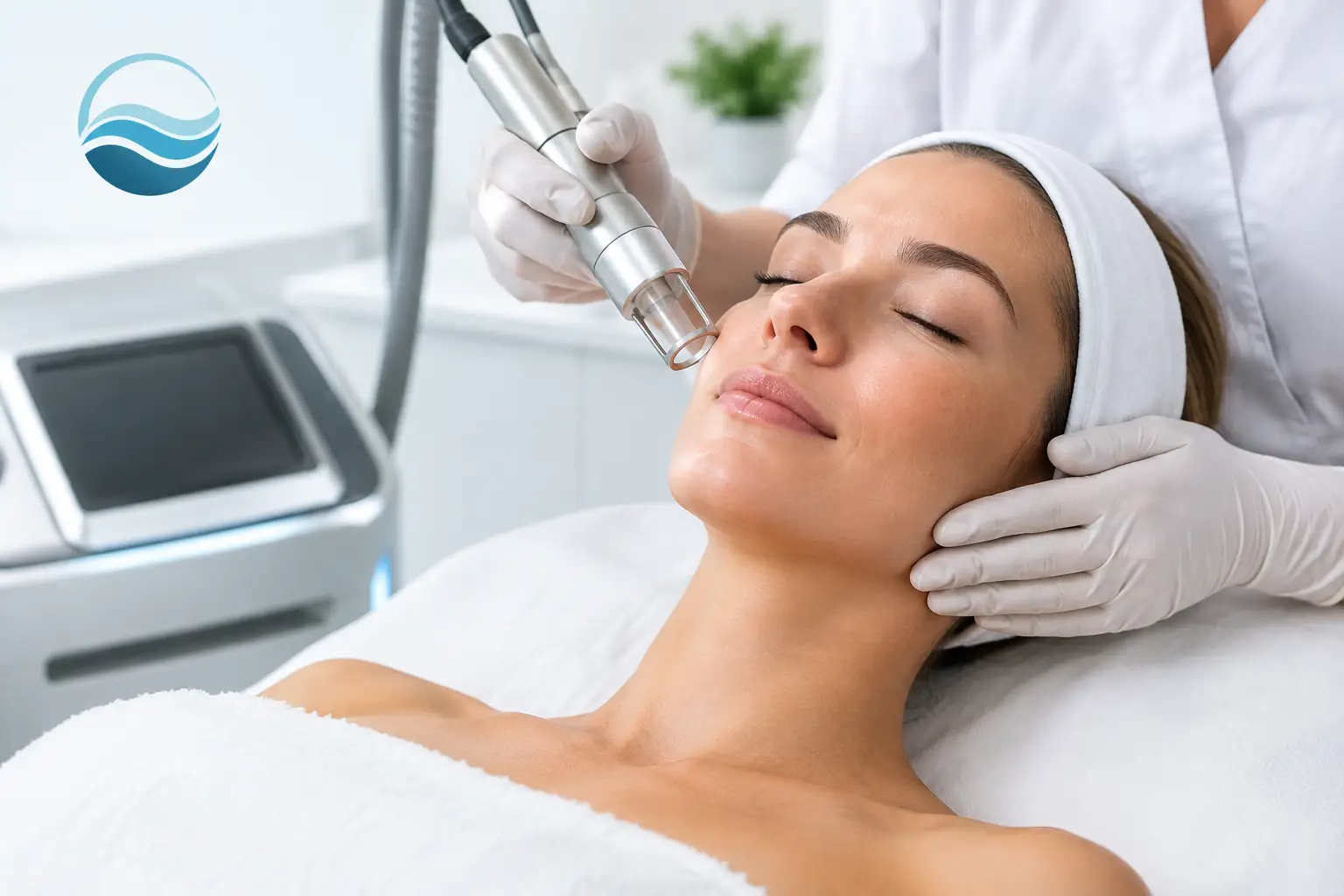
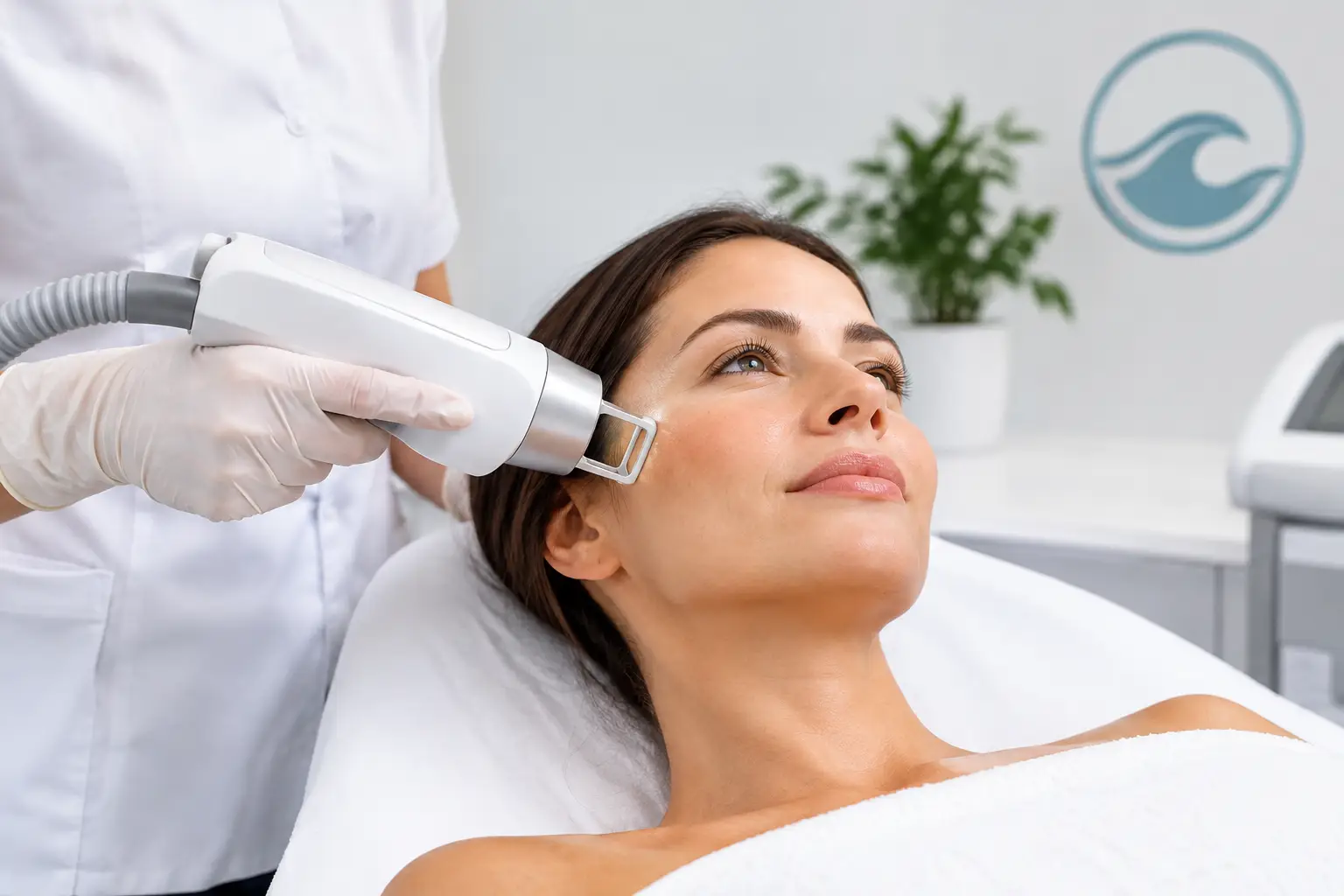
CO2 laser treatment works by creating controlled micro-injuries in the skin. This encourages the skin’s natural renewal process and can improve concerns such as texture, fine lines, sun damage, enlarged pores and some types of scarring. Because it is a powerful skin rejuvenation treatment, recovery deserves the same care and attention as the treatment itself.
Your guide to CO2 laser recovery
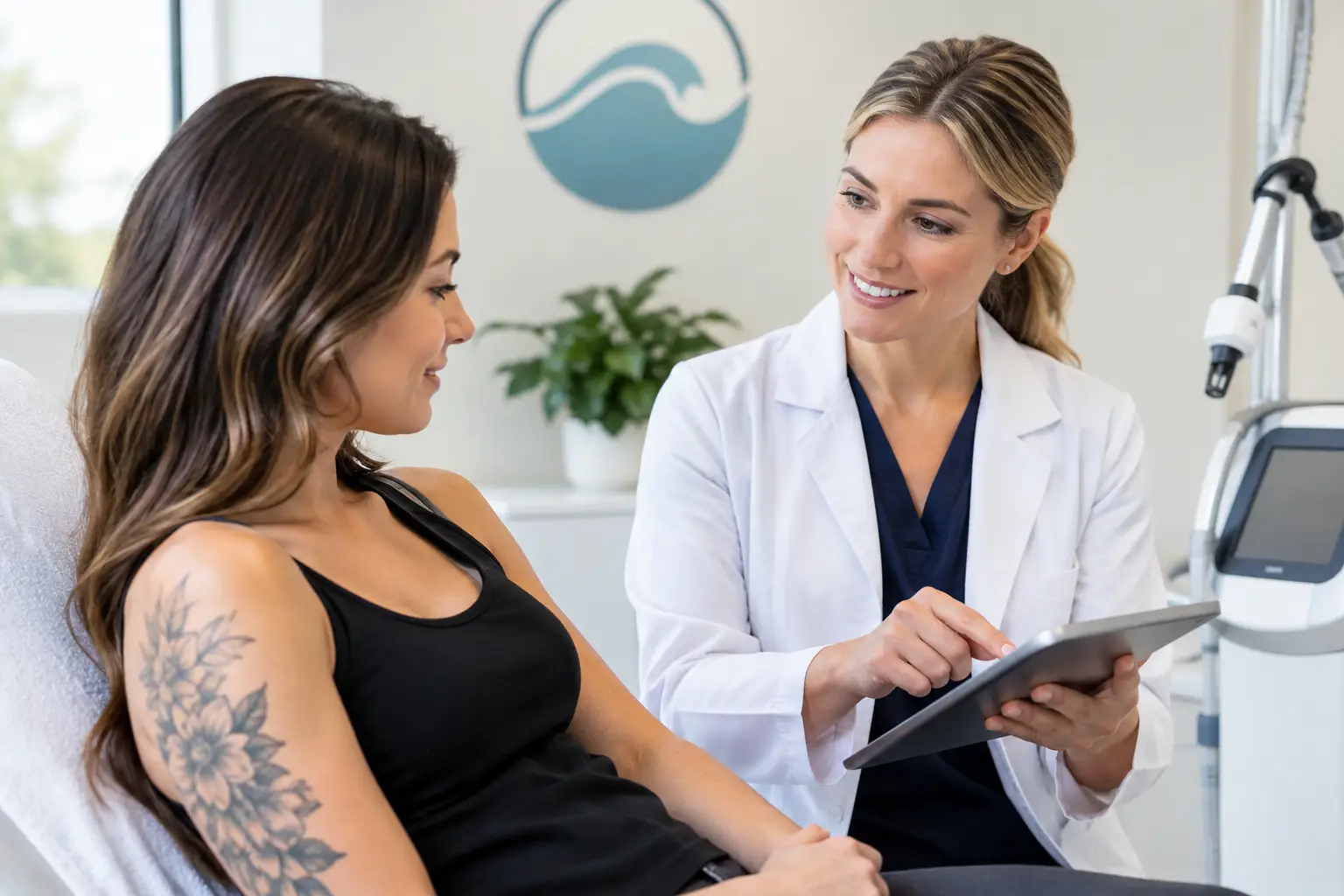
Your exact recovery will depend on the treatment settings, the area treated, your skin type, the concern being addressed and your individual healing response. A lighter fractional treatment may involve a shorter period of redness and flaking, while a more intensive treatment can require more downtime. Your clinician should explain what is realistic for your particular treatment plan before you leave the clinic.
For most people, the initial recovery period involves redness, swelling, sensitivity and a sunburn-like warmth. These symptoms are generally most noticeable in the first 24 to 72 hours. As healing progresses, skin can darken slightly, feel dry or tight, and then peel or shed. This is not a sign to scrub or pick at the skin. It is part of the renewal process.
It can be helpful to schedule treatment when you have a little flexibility in your calendar. If you have an important event, wedding, work presentation or beach holiday coming up, allow enough time for visible redness and peeling to settle. Your clinician can help you choose a treatment date and intensity that suits your lifestyle.
The first 48 hours: keep it calm and clean
In the first couple of days, your priority is reducing irritation and keeping the treated area clean. Follow the specific cleansing directions supplied by your clinician. In many cases, this means gently cleansing with cool or lukewarm water and a recommended mild cleanser, then patting the skin dry with a clean towel rather than rubbing.
Use only the recovery products recommended for you. After CO2 laser treatment, the skin barrier is temporarily vulnerable. Even skincare products that usually suit you can sting or cause irritation during this period. A simple, clinician-approved moisturising or protective product is often all that is needed while the skin is settling.
Cool compresses may ease warmth and swelling, especially around delicate areas such as the eyes. Keep the compress clean, avoid applying ice directly to the skin and do not use excessive pressure. Sleeping with your head slightly elevated can also help if facial swelling is bothersome.
Avoid hot showers, saunas, steam rooms, strenuous exercise and anything that makes you sweat heavily during the early recovery stage. Heat and perspiration can increase discomfort and irritation. It is also wise to keep hands away from the treated area unless you are cleansing or applying your prescribed aftercare.
What not to do while your skin heals
The urge to speed up peeling is understandable, but it can work against your results. Picking flakes, rubbing crusted areas or using an exfoliating scrub can increase the risk of prolonged redness, infection and uneven pigmentation. Let the skin release naturally, even if it looks uneven for a few days.
Pause active skincare until your clinician confirms it is appropriate to restart. This commonly includes retinol or vitamin A products, exfoliating acids, scrubs, benzoyl peroxide and strong vitamin C formulas. Fragranced products and essential oils can also be irritating when the skin barrier is healing.
Make-up should only be worn once the skin has closed and your clinician says it is safe. Applying foundation too early can trap bacteria, irritate sensitive skin and interfere with healing. When you do return to make-up, use clean brushes and sponges, and remove products gently at the end of the day.
Sun exposure is one of the biggest threats to a smooth recovery. Newly treated skin is especially susceptible to pigmentation changes. Stay out of direct sunlight where possible, use physical protection such as a broad-brimmed hat, and apply a high-protection broad-spectrum sunscreen once your clinician has advised that it is suitable. On the Sunshine Coast, this step is particularly important, even on overcast days or during short trips in the car.
Days three to seven: expect peeling and changing skin
This is often the stage when clients begin to see dryness, bronzing, flaking or peeling. The skin may appear rougher before it appears clearer. That temporary change can be confronting, particularly if you are used to a polished skincare routine, but it does not mean your treatment has gone wrong.
Keep cleansing gently and apply your recommended recovery product as directed. If your skin feels itchy, resist scratching. A cool compress can be more helpful than adding unapproved products. Continue avoiding swimming pools, ocean water and spas until the skin has healed sufficiently, as exposure can irritate compromised skin and introduce bacteria.
Some people recover quickly enough to return to normal social activities within several days. Others have visible redness for longer, particularly after stronger treatment settings or when treating areas with deeper texture concerns. Neither experience is automatically better. CO2 laser treatment is tailored, and recovery is not identical for every person.
When can you return to your usual skincare and routine?
Your clinician will advise when you can gradually reintroduce your normal products. This should be done slowly, rather than returning to several active products at once. If a product stings, causes new redness or makes the skin feel tight, stop using it and ask for advice.
Exercise, swimming and other normal activities can also be resumed according to your clinician’s guidance and how your skin is healing. Avoid treating recovery as a deadline. The goal is not to get back to every product or activity as quickly as possible. The goal is to give your skin the conditions it needs to repair well.
Results continue to develop after the obvious peeling has passed. Fresh skin may remain pink and sensitive for a period, while collagen remodelling takes place more gradually. Improvements in smoothness, clarity and firmness can continue to emerge over the following weeks and months.
Signs you should contact your clinician
A little warmth, redness, swelling and flaking can be expected after CO2 laser treatment. However, contact your treating clinic promptly if you experience worsening pain, spreading redness, increasing swelling after the initial period, pus-like discharge, a fever, blisters, or any symptom that feels unusual or concerning.
It is always better to ask a question early than to try to manage a concern alone. A professional clinic will want to assess how your skin is progressing and give clear next steps. If you have a history of cold sores, pigmentation concerns, allergies or a skin condition, make sure these are discussed during your consultation so your treatment and aftercare can be planned carefully.
Personalised aftercare makes a difference
The best guide to CO2 laser recovery is not a one-size-fits-all checklist. It is the aftercare plan designed around your treatment, your skin and your day-to-day life. At Coastal Skin Clinic, clients are supported with professional guidance before and after treatment, so they know what healing should look and feel like at each stage.
Give yourself permission to slow down for a few days, protect your skin from the sun and follow the plan provided by your clinician. Thoughtful recovery is part of achieving a safe, effective result – and your skin will thank you for the patience.