Loose skin rarely shows up all at once. More often, it starts as a softer jawline, fine creasing around the eyes, or that slightly tired texture makeup never seems to sit on properly. If you’ve been asking, can CO2 laser tighten skin, the short answer is yes – but the result depends on your skin quality, the depth of treatment, and what “tightening” means for you.
CO2 laser is one of the more effective non-surgical options for improving skin texture and creating a firmer, smoother look. It works by creating controlled micro-injury in the skin, which stimulates collagen remodelling during healing. That collagen response is what helps skin feel denser and look tighter over time. It is not the same as surgery, and it won’t remove large amounts of sagging skin, but for the right person, it can make a very noticeable difference.
How CO2 laser tightens skin
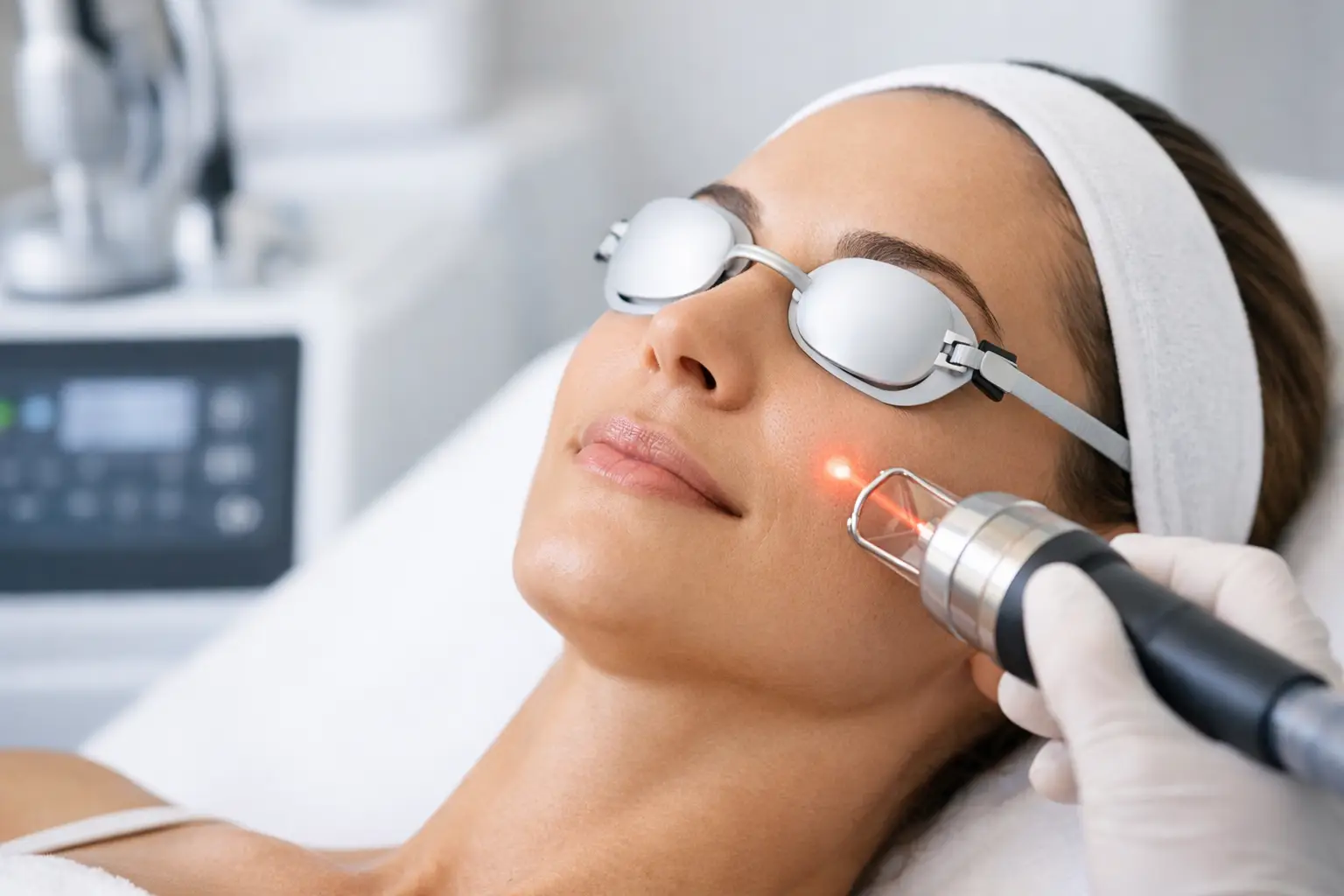
CO2 laser resurfacing targets the skin with focused light energy. Depending on the treatment settings, it removes columns of damaged skin and heats deeper layers at the same time. That heat matters. It encourages existing collagen to contract and signals the skin to produce new collagen as it repairs itself.
This is why the improvement is often twofold. In the short term, there can be some visible firming as the skin settles and heals. Over the following weeks and months, the more meaningful change comes from collagen remodelling. Skin can look smoother, finer lines may soften, and areas with mild laxity can appear firmer.
It’s especially useful when looseness is paired with textural concerns such as sun damage, acne scarring, enlarged pores, or crepey skin. In those cases, CO2 laser can improve more than one issue at once, which is part of its appeal.
Can CO2 laser tighten skin on all areas?
The face is the most common treatment area, particularly around the eyes, cheeks, mouth, and jawline. These areas often respond well because the skin quality can improve alongside collagen stimulation. The delicate eye area is a common example, where treatment may help soften fine lines and reduce that papery look that can make the area seem older.
CO2 laser can also be used on areas such as the neck, chest, and sometimes selected body areas, but results can vary more outside the face. Skin thickness, healing capacity, and sun exposure history all play a role. Some areas require a more cautious approach, and not everyone is a suitable candidate for aggressive resurfacing.
This is where a proper consultation matters. The best treatment plan is based on your skin condition, not just the area you want treated.
What kind of tightening can you realistically expect?
This is the part many people want answered clearly. CO2 laser can improve mild to moderate skin laxity. It can make skin look firmer, smoother, and more refreshed. It can soften fine lines and improve that creased or thinning texture that often makes skin appear loose. What it does not do is replace a surgical lift when there is significant sagging.
If someone has early signs of ageing, sun-damaged skin, acne scarring, or textural change, the result can be very rewarding. The skin often looks healthier and tighter because its surface and deeper support structure are both being addressed. If someone has heavy jowling or more advanced laxity, laser may still improve skin quality, but the lift will be limited.
A good practitioner will be honest about that difference. Promising dramatic lifting from a resurfacing treatment alone is not realistic.
Results depend on more than the laser itself
Age is one factor, but it is not the whole story. Your baseline collagen levels, skin thickness, degree of sun damage, healing ability, and home care all influence the final outcome. Smoking, certain medications, and some medical conditions may also affect how well the skin repairs itself.
Treatment intensity matters too. A lighter treatment may involve less downtime but usually gives a subtler result. A more intensive treatment can deliver stronger resurfacing and tightening, but with greater recovery and more aftercare. Neither approach is automatically better. The right option depends on your goals, your skin, and how much downtime you can realistically manage.
Who is a good candidate for CO2 skin tightening?
In general, CO2 laser suits people who want noticeable skin rejuvenation without surgery and who are prepared for proper downtime. It can be a strong option for those with fine lines, sun damage, rough texture, acne scarring, or mild skin laxity.
It is often a particularly good fit for clients who want to improve several concerns together rather than chasing one issue with multiple light treatments. When skin looks dull, uneven, lined, and slightly loose, CO2 laser can address the overall quality of the skin in a more comprehensive way.
That said, not every skin type is best treated with CO2. Darker skin tones may have a higher risk of pigmentation changes if treatment is not carefully selected and managed. Active acne, certain infections, poor wound healing, and recent use of some medications may also mean treatment needs to be delayed or avoided.
A personalised assessment is essential here. Safe treatment starts with choosing the right person, the right settings, and the right timing.
What is recovery like after CO2 laser?
Downtime is one of the main trade-offs. CO2 laser is not a lunchtime treatment. After treatment, the skin usually feels hot and tight, then becomes red, dry, and flaky as it heals. Depending on the intensity, recovery can range from several days to a couple of weeks, with some lingering pinkness beyond that.
During this period, aftercare is not optional. Gentle cleansing, skin barrier support, sun protection, and following your clinician’s instructions closely all matter. Picking, scrubbing, or returning to active skincare too early can interfere with healing and increase the risk of complications.
For many clients, the downtime is worth it because the results are more significant than what lighter treatments tend to deliver. But it does require planning. If you have events coming up, outdoor work, or limited flexibility around healing time, that should be part of the conversation before treatment.
Are there risks or side effects?
Every advanced skin treatment comes with potential risks, and good clinics are upfront about that. Common temporary effects include redness, swelling, dryness, itching, and sensitivity. More significant risks can include infection, prolonged redness, pigmentation changes, or scarring, particularly if the treatment is not appropriate for your skin or aftercare is poor.
This is one reason people often feel more comfortable choosing a clinic that takes consultation and skin assessment seriously rather than treating laser as a one-size-fits-all service. Settings need to be tailored. Preparation matters. Aftercare matters just as much.
For clients on the Sunshine Coast who are comparing options, safety and practitioner experience should carry as much weight as the machine itself.
CO2 laser versus other tightening treatments
If your main concern is skin laxity, you may be wondering whether CO2 is the best option compared with radiofrequency, ultrasound-based treatments, skin needling, or other laser approaches. The answer depends on the problem you are trying to solve.
CO2 laser is especially strong when laxity comes with surface damage – wrinkles, roughness, scarring, and sun damage. It improves skin quality and firmness together. Treatments that work deeper beneath the skin may be better suited when surface texture is less of a concern and the goal is more structural support with less downtime.
Sometimes combination treatment gives the best overall result. In other cases, keeping the plan simple is wiser. A quality consultation should not push the most aggressive option. It should match the treatment to the skin in front of you.
So, can CO2 laser tighten skin enough to be worth it?
For many people, yes. CO2 laser can absolutely tighten skin to a meaningful degree when laxity is mild to moderate and the treatment is well chosen. It can also improve texture, tone, and overall skin quality in a way that makes the skin look fresher and firmer, not just smoother.
The real question is whether it is the right treatment for your skin, your goals, and your downtime tolerance. That answer is always personal. At Coastal Skin Clinic, that is exactly where the conversation should start – with clear advice, realistic expectations, and a treatment plan that makes sense for you.
If you’re considering CO2 laser, the most helpful next step is not chasing a promise of perfect skin. It’s getting honest guidance about what your skin can respond to, and what will help you feel confident in it again.