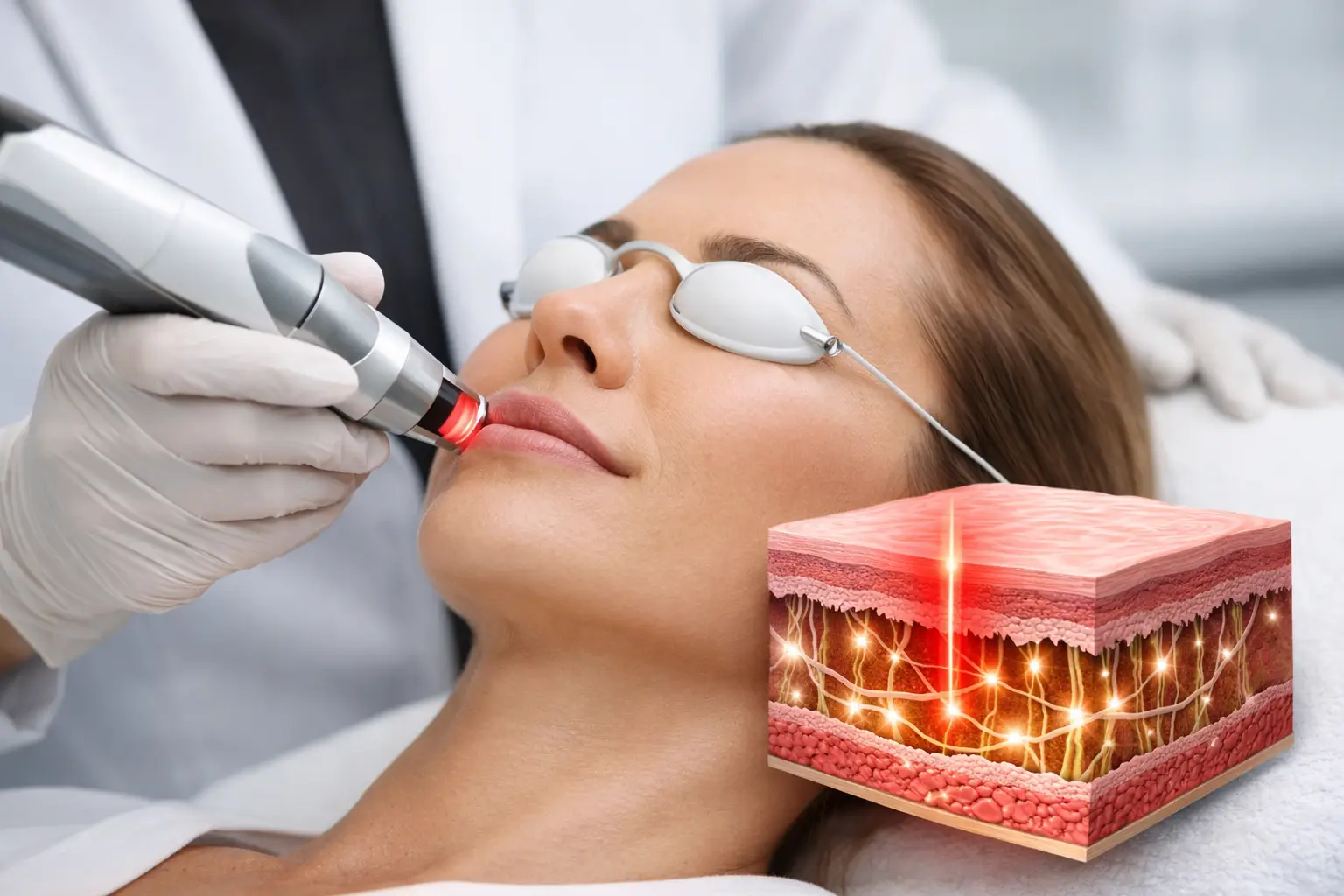
Fine lines that seem to linger, skin that feels less springy, and texture that no longer reflects how well you look after yourself often come back to one key change – collagen loss. If you have been wondering how laser rejuvenation boosts collagen, the short answer is that it creates a controlled healing response in the skin, prompting fresh collagen production where support has started to thin.
That sounds simple, but the way it works matters. Collagen is the structural protein that helps keep skin firm, smooth and resilient. As we age, natural collagen production slows. Sun exposure, lifestyle factors and past skin damage can speed that process up, which is why skin may begin to show roughness, enlarged pores, creasing or a looser feel.
How laser rejuvenation boosts collagen in the skin
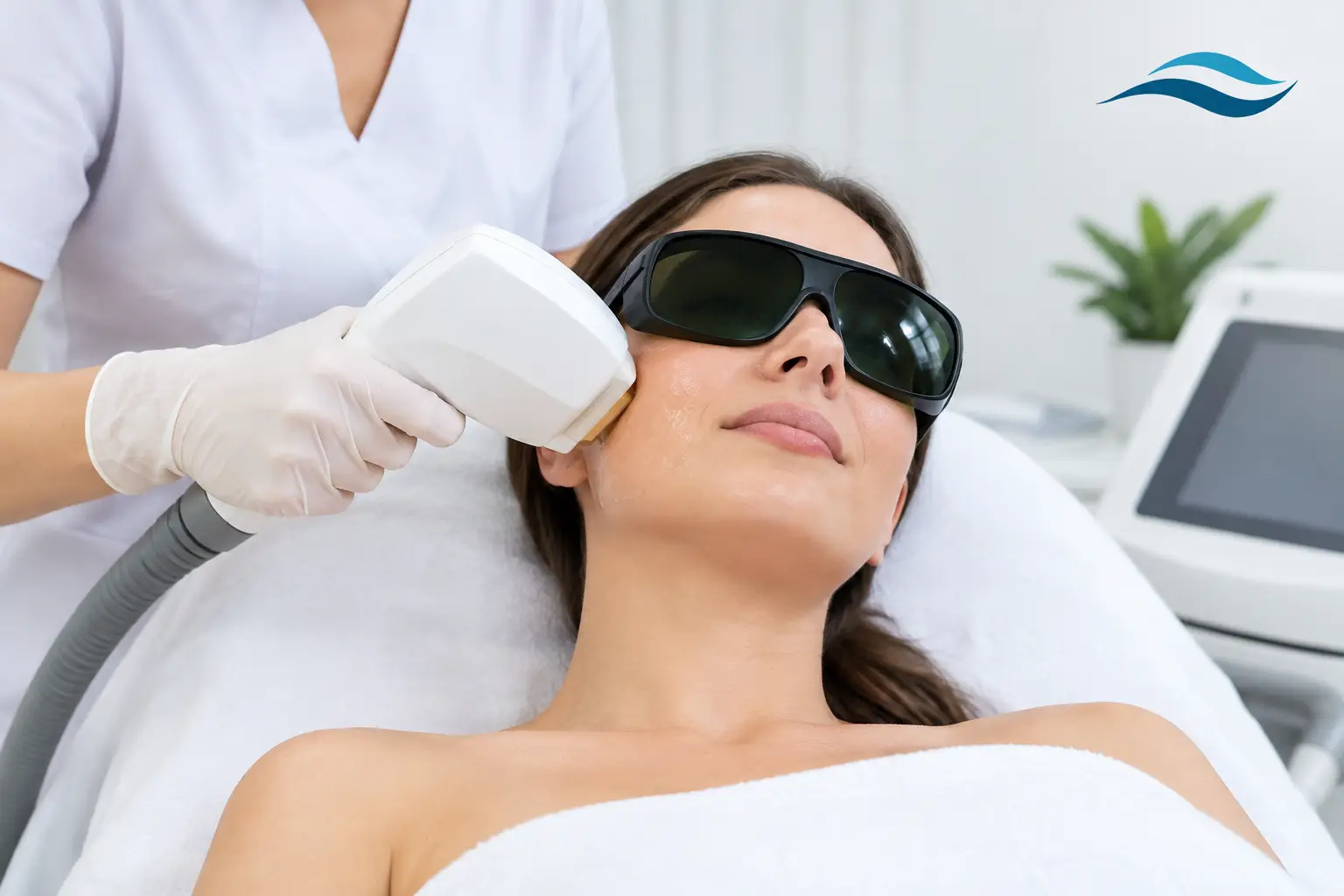
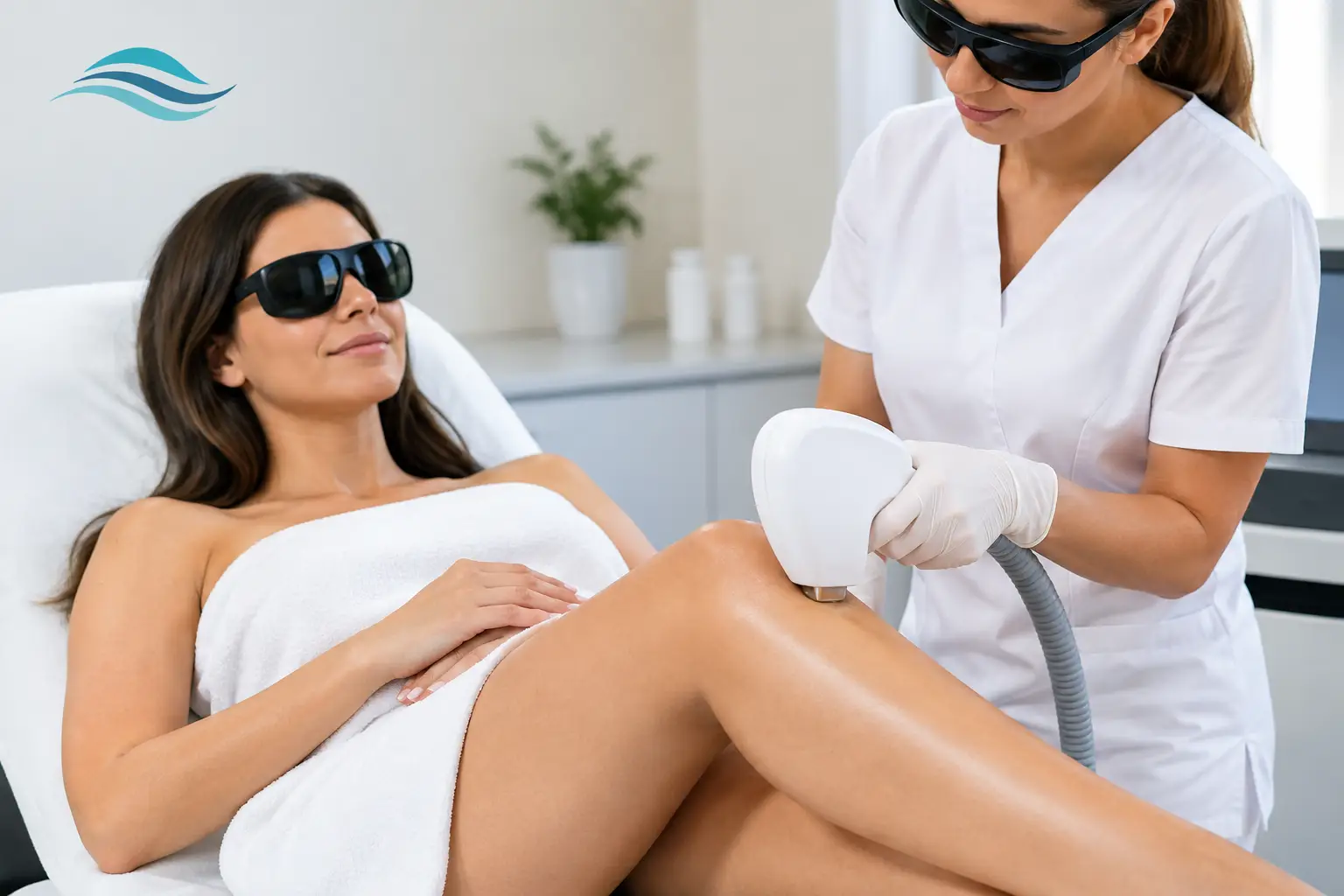
Laser rejuvenation works by delivering carefully targeted energy into the skin. Depending on the technology being used, that energy either heats specific layers beneath the surface or creates tiny, controlled treatment zones in the tissue. The surrounding skin is left intact enough to support healing, while the treated areas trigger the body to repair and rebuild.
This repair process is where collagen comes in. When the skin recognises controlled thermal injury, it starts producing new collagen and remodelling older collagen fibres. Over time, that can lead to firmer skin, a smoother surface and a more refined overall texture.
It is not about forcing the skin into a dramatic overnight change. Good laser rejuvenation is a progressive treatment. The skin responds gradually as collagen develops over the weeks and months after treatment. That is one reason results often look natural rather than overdone.
Why collagen matters so much for visible skin quality
Collagen sits beneath the surface, but its effect is visible. When collagen levels are stronger, skin tends to look firmer and more even. It can also reflect light better, which gives skin a fresher appearance. When collagen breaks down, the signs usually show up as fine lines, crepey texture, shallow acne scarring and general dullness.
That is why collagen-focused treatments are often recommended for concerns that seem unrelated at first glance. A person bothered by early lines around the eyes and another person worried about acne scarring may both benefit from collagen stimulation, because both concerns involve changes in the skin’s structural support.
Laser rejuvenation can be especially useful because it does more than sit on the surface. Skincare has an important role, but collagen remodelling requires a deeper response than most topical products can create on their own.
What happens during collagen remodelling
After laser treatment, the skin enters a repair cycle. In the early stage, there may be redness, warmth or a mild sunburn-like feeling depending on the laser type and treatment intensity. This is the body’s normal response to controlled stimulation.
Over the following weeks, fibroblasts in the skin become more active. These are the cells involved in producing collagen and other supportive proteins. New collagen begins forming, and older collagen can reorganise into a healthier structure. This remodelling phase is where the longer-term improvements happen.
Because collagen takes time to build, most people do not see the final result straight away. Some notice an early improvement in brightness or smoothness once the initial healing settles, but firmer texture and softening of lines tend to appear more gradually. This delayed payoff can actually be reassuring – it reflects a genuine biological process rather than a temporary surface effect.
How laser rejuvenation boosts collagen for different concerns
Not every client is looking for the same outcome, and that is where tailored treatment planning matters. Laser rejuvenation may be used to support collagen in skin affected by sun damage, fine lines, pigmentation irregularity, enlarged pores or mild to moderate textural scarring.
For ageing skin, collagen stimulation can help improve firmness and soften the appearance of lines. For post-acne changes, new collagen may help reduce the depth of shallow scars and create a smoother skin surface. For skin that feels tired or weathered, collagen remodelling can contribute to a fresher, stronger look over time.
Still, it depends on the starting point. Deeper folds, significant skin laxity or more advanced scarring may need a broader treatment plan or combination approach. A consultation is important because the most suitable option depends on your skin condition, treatment history, downtime tolerance and goals.
Not all laser treatments work the same way
This is where many people get confused. “Laser rejuvenation” is a broad term, and different devices target different concerns at different depths. Some treatments are gentler with minimal downtime, while others are more intensive and can create a stronger collagen response but require more recovery.
Fractional laser treatments, for example, create microscopic treatment columns in the skin while leaving surrounding tissue to assist healing. CO2 laser treatments are often chosen when texture, lines or scarring need a more intensive approach. Other non-ablative options heat the deeper skin without removing the surface layer, which may mean less downtime but often a slower or subtler result.
There is no universal best treatment. The right choice depends on how much correction is needed, how your skin behaves, and how much recovery time you can realistically manage. A safe plan is always better than an aggressive one that does not suit your skin.
What results can you realistically expect?
Laser rejuvenation can deliver impressive improvement, but realistic expectations are essential. Collagen stimulation can make skin look firmer, smoother and more refined. It can soften certain lines and improve textural irregularities. It can also help skin feel stronger and healthier over time.
What it usually does not do is replace surgical lifting, erase every line or produce instant final results after one appointment in all cases. Some clients do very well with a single stronger treatment, while others achieve the best outcome through a series of lighter sessions. Skin quality, age, sun exposure and aftercare all influence the result.
This is where experienced guidance matters. Honest advice should include not only what laser can do, but also what it cannot do on its own.
Safety, skin assessment and aftercare matter
Because laser rejuvenation works by creating controlled injury, treatment should never be treated casually. Proper assessment is important to minimise avoidable risks such as irritation, prolonged redness or pigment changes. Your practitioner should consider your skin type, medical history, current skincare and recent sun exposure before treatment goes ahead.
Aftercare also affects collagen outcomes more than many people realise. Freshly treated skin needs protection while it heals. Sun exposure can interfere with recovery and increase the risk of complications, so diligent sun protection is a must. Gentle skincare, avoiding heat where advised, and following your practitioner’s instructions all support better healing.
Clients in the Sunshine Coast area often need extra reminders about sun habits for this reason. Our climate is part of the lifestyle here, but post-laser skin needs respect. Protecting your results is part of the treatment, not an optional extra.
Is laser rejuvenation right for everyone?
Not always. Some skin types and concerns need a more cautious approach, and some clients may be better suited to another treatment altogether. If you are pregnant, using certain medications, prone to abnormal scarring, or dealing with an active skin condition, treatment may need to be delayed or adjusted.
This is not a drawback so much as a sign of good care. A personalised consultation should never feel like a sales pitch. It should help you understand whether laser rejuvenation is appropriate, what level of collagen response is realistic, and how to plan treatment safely.
For many people, the real benefit of collagen-focused laser treatment is not chasing perfection. It is restoring some of the skin quality that time, sun and life gradually take away. When done well, the change can be subtle in the best possible way – your skin looks fresher, smoother and more supported, but still like you.
If you are considering treatment, the most helpful next step is not guessing which laser sounds strongest. It is getting clear, personalised advice about your skin, your goals and the safest way to build results that last.