A CO2 laser review should be more useful than a gallery of dramatic before-and-after images. If you are considering treatment for lines, sun damage, uneven texture, acne scarring or a dull, tired-looking complexion, the real question is whether the treatment suits your skin, lifestyle and recovery window.
CO2 laser resurfacing can deliver meaningful skin renewal, but it is not a quick facial with no downtime. It is a clinical treatment that needs careful assessment, an experienced practitioner and realistic expectations. For the right person, that investment in preparation and aftercare can make a genuine difference to the quality, texture and confidence of their skin.
What CO2 laser resurfacing actually does
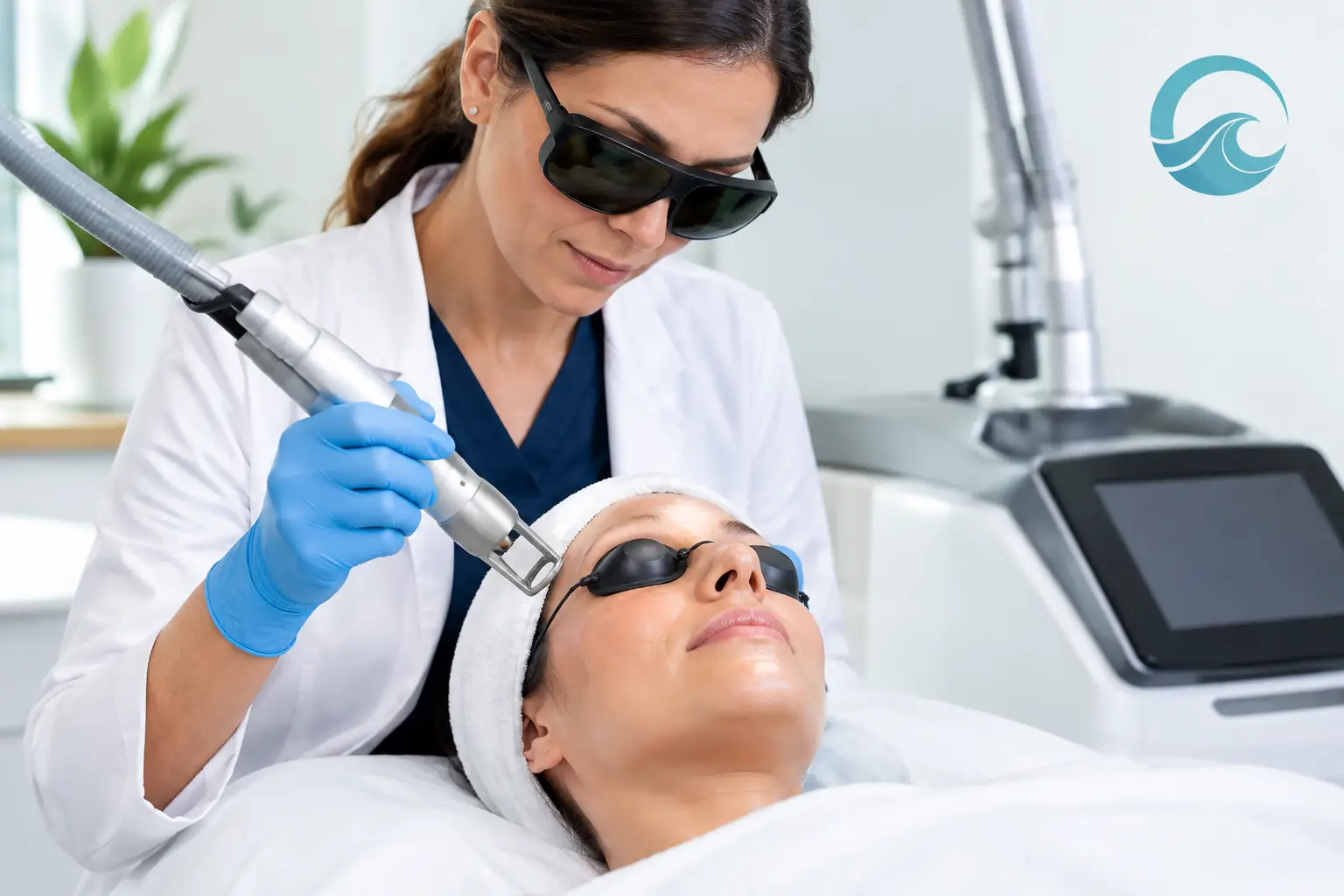
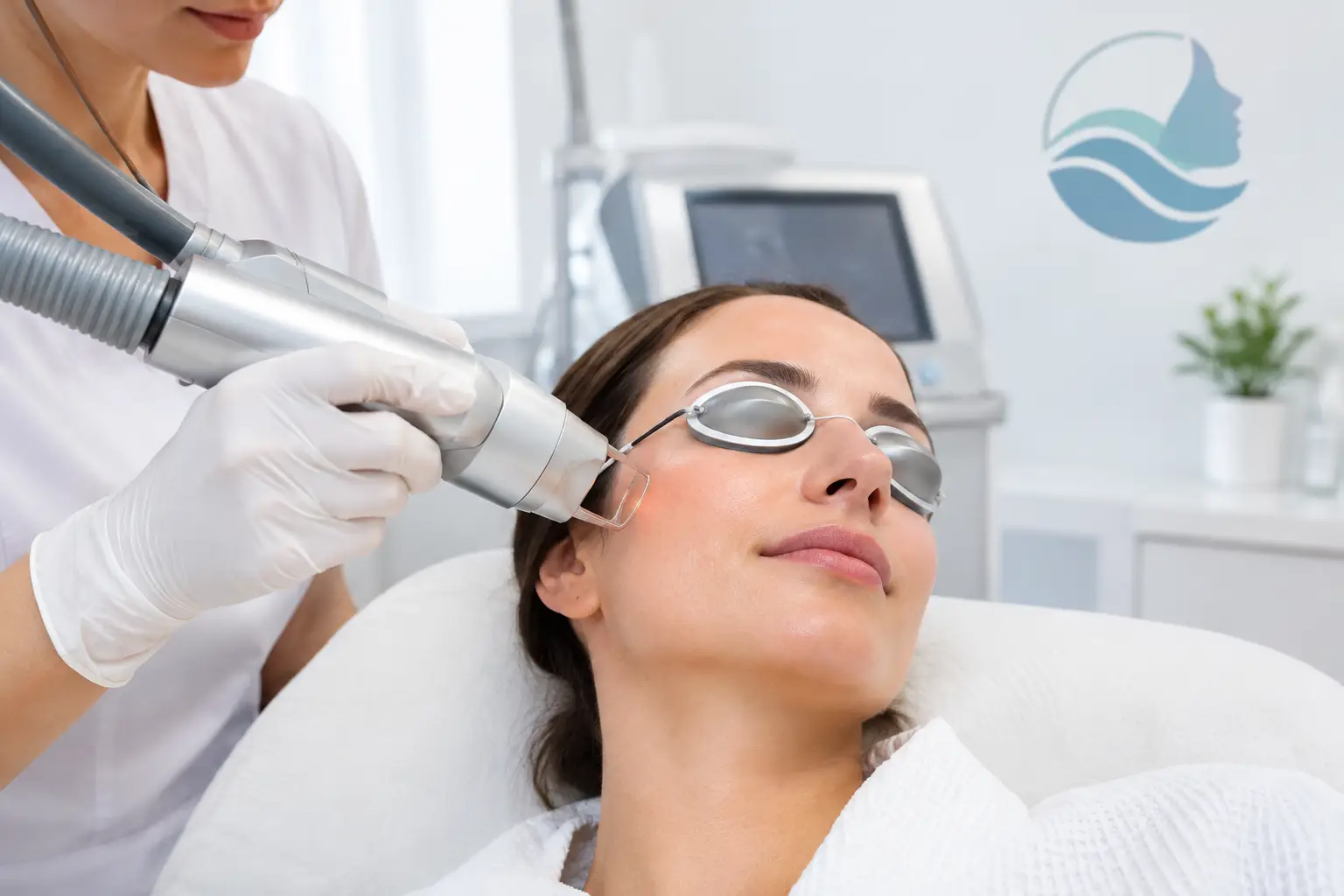
A CO2 laser uses controlled energy to create tiny treatment channels in the skin. This process removes damaged surface tissue while stimulating the skin’s natural repair response deeper down. As the skin heals, collagen remodelling can improve firmness, refine texture and soften the appearance of certain lines and scars.
Many modern treatments use fractional technology, meaning only a fraction of the skin is treated in microscopic columns at a time. The surrounding untreated tissue supports healing, while the treated areas trigger renewal. Settings can be adjusted according to the concern being addressed, the area treated, your skin type and how much downtime you can manage.
This is why CO2 laser treatment is often considered for concerns that are difficult to shift with topical skincare alone. It may be suitable for fine lines around the mouth and eyes, sun damage, enlarged pores, uneven skin texture, surgical scars and some acne scarring. It is not a one-size-fits-all answer, however. Deep folds, active acne, significant pigmentation concerns and loose skin may require another approach, or a treatment plan that combines carefully selected options.
CO2 laser review: the benefits and the trade-offs
The appeal of CO2 resurfacing is its ability to treat skin quality at a deeper level than many non-invasive treatments. Rather than simply creating a temporary glow, it is designed to encourage gradual renewal. Clients often seek it when they want smoother makeup application, a more even-looking complexion or a softer appearance of textural scarring.
Results develop over time. Initial healing may make the skin look fresher, but collagen production and remodelling continue for weeks and sometimes months. The final outcome depends on the treatment intensity, the concern being treated, your skin’s healing response, sun protection and your aftercare.
The trade-off is recovery. CO2 laser treatment commonly causes redness, swelling, warmth and a tight sensation in the early stages. The skin may then bronze, flake or peel as it heals. Stronger treatments generally mean more visible downtime, but may also be appropriate for more substantial concerns. A lighter treatment can involve a shorter recovery period, although a series may be recommended to work towards your goals.
It is also worth being clear about what the treatment cannot promise. CO2 laser resurfacing cannot stop skin ageing, remove every scar or make pores disappear. It can improve their appearance, but it does not change the fact that pores are a natural part of skin structure. Honest guidance matters, particularly when your goal has been shaped by heavily filtered images online.
Who may be a good candidate?
The best candidates are not simply people with a particular skin concern. They are people who can prepare properly, follow aftercare instructions and give their skin the time it needs to heal. A consultation should consider your medical history, skin type, previous cosmetic treatments, tendency to pigment, history of cold sores, current skincare and any medications that may affect healing.
Sun exposure is particularly relevant on the Sunshine Coast. Freshly treated skin is more vulnerable to pigmentation changes, so treatment timing, diligent sun avoidance and broad-spectrum sunscreen are essential. If you spend long days outdoors, have an upcoming beach holiday or cannot realistically limit sun exposure during recovery, postponing treatment may be the wiser option.
Darker skin tones and skin prone to post-inflammatory pigmentation require particularly considered treatment planning. This does not automatically rule out laser treatment, but it does mean that device settings, preparation and aftercare need to be chosen with care. An experienced practitioner will discuss the potential benefits alongside the risk of pigment changes rather than making broad promises.
CO2 laser treatment may not be suitable while you have an active skin infection, open areas, certain inflammatory skin conditions or uncontrolled acne in the treatment zone. A professional assessment is the place to identify these issues and discuss alternatives.
What happens before and during treatment?
A thoughtful consultation is the foundation of safe, effective care. Before treatment, your practitioner should ask what you would like to improve, assess the skin in person and discuss whether CO2 resurfacing is the most appropriate option. Photographs may be taken to document your starting point and help assess progress later.
You may be asked to pause certain active skincare products before treatment, particularly those that could increase irritation. Depending on your history, there may also be preparation steps to support healing or reduce the chance of a cold sore outbreak. Follow the plan provided to you rather than copying a routine from social media, as preparation is individual.
On the day, the skin is cleansed and a topical numbing cream may be used. Some areas can feel more intense than others, but your practitioner should explain what to expect and check in with you throughout. Treatment time varies according to the size of the area and the settings used.
At Coastal Skin Clinic, treatment recommendations are based on your skin concerns, comfort and recovery capacity, not a generic menu of settings. That personalised approach is especially valuable for first-time laser clients who may feel nervous about the treatment process.
Recovery: plan for it, do not rush it
Most disappointment after resurfacing comes from expecting the skin to look camera-ready too soon. For the first few days, swelling and redness are common, and the skin can feel similar to sunburn. Peeling or flaking can follow. Your practitioner will advise on gentle cleansing, moisturising and the products that are appropriate while the skin barrier recovers.
Do not pick, scrub or try to speed up peeling. This can disrupt healing and increase the risk of irritation, infection or unwanted pigment changes. Avoid heat, strenuous exercise, swimming and direct sun exposure for the period advised by your practitioner. Makeup may need to wait until the skin has healed sufficiently.
Redness can last longer than the visible peeling phase, particularly after a stronger treatment. This is normal for many clients, but your recovery should still be monitored. Contact your clinic if you experience escalating pain, unusual swelling, discharge, blistering or anything that does not feel right.
How to judge a CO2 laser review properly
When researching treatment reviews, look beyond comments such as “it worked” or “it hurt”. The most helpful reviews explain the concern treated, the amount of downtime involved, whether the person followed aftercare and how long they waited before judging their result. A glowing review from someone who treated mild texture with a light setting may not predict your experience if you are treating established acne scars more intensively.
Before-and-after images are valuable when they are consistent, unfiltered and taken at a meaningful point after healing. Ask whether the lighting, angle and timeframe are comparable. More importantly, ask to see results that resemble your own concern and skin type where possible.
The clinic’s approach matters as much as the machine. CO2 laser resurfacing is not a treatment to choose solely on the basis of a special offer. Appropriate consultation, professionally maintained equipment, clear pre- and post-treatment instructions, and access to support during recovery all contribute to a safer experience.
Questions worth asking at your consultation
A good consultation should leave you informed, not pressured. Ask what the treatment can realistically improve in your case, how many treatments may be recommended and what downtime is likely with the proposed settings. It is also sensible to ask about potential side effects, preparation, aftercare and what support is available if you have concerns during healing.
If CO2 laser resurfacing is not the right fit, that is still a useful outcome. Other skin rejuvenation treatments may better suit your skin, your goals or the time you have available. The best plan is the one that balances visible improvement with safety and a recovery period you can genuinely manage.
Your skin deserves more than a quick decision based on one review. A professional consultation gives you the space to ask questions, understand the healing process and choose a treatment plan that feels both achievable and right for you.