Acne may have settled, but the reminders can feel harder to shift. Indented scars, uneven texture and lingering red or brown marks can affect how comfortable you feel without make-up or in close-up photos. The best treatments for acne scarring are rarely a single, one-size-fits-all procedure. They depend on the type of mark, your skin tone, how your skin heals and the amount of downtime that suits your life.
A thoughtful treatment plan starts with understanding what is actually happening in the skin. At Coastal Skin Clinic, this means taking the time to assess your concerns, explain the realistic options and recommend a path that puts skin safety first. Safe. Effective. Personalised to you.
Why acne scars need different treatment approaches
Not every mark left after acne is a true scar. Redness after a breakout is often post-inflammatory erythema, while flat brown or grey marks are usually post-inflammatory pigmentation. These marks can fade over time, although professional treatments and appropriate home care may help improve their appearance.
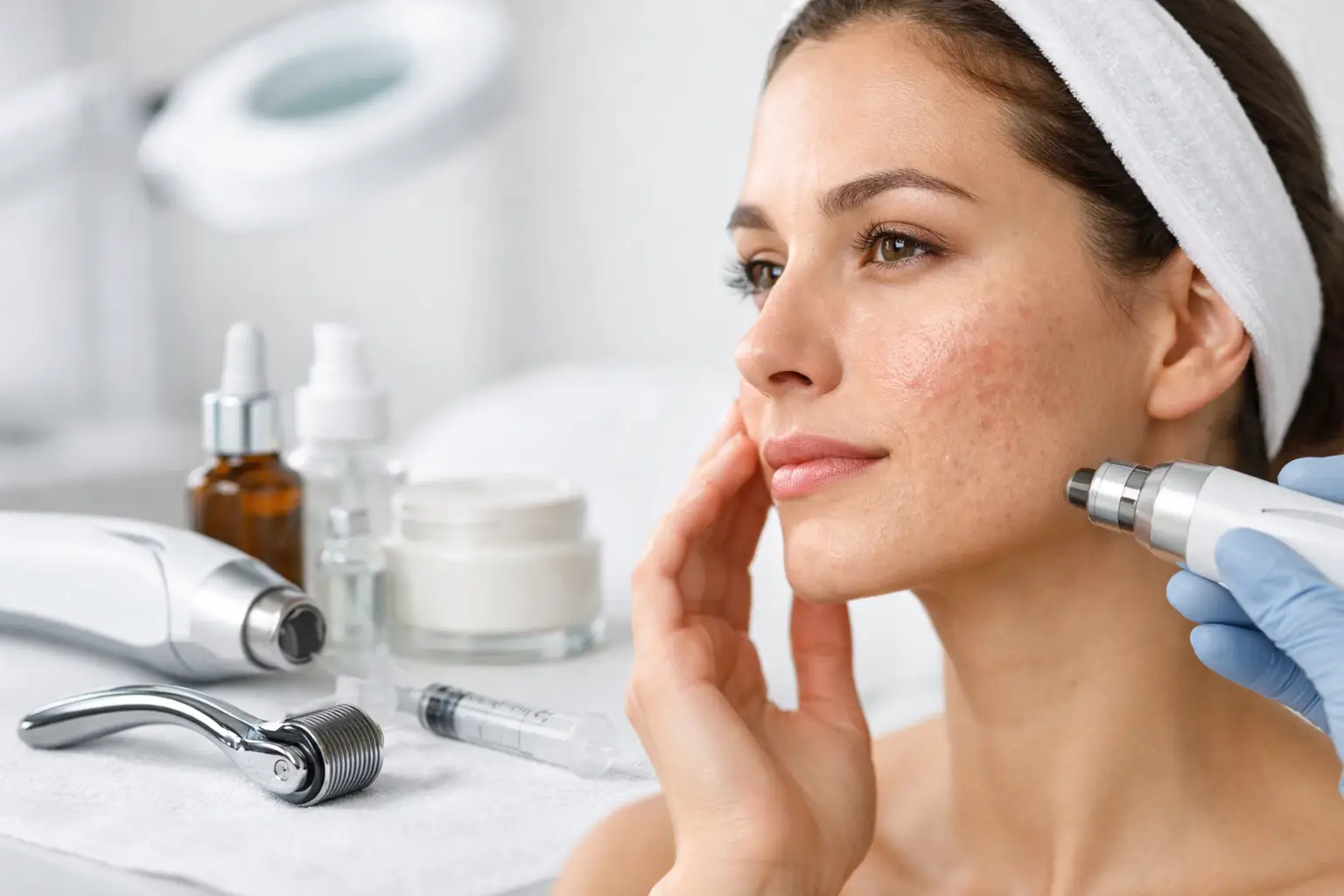
True acne scarring changes the skin’s structure. Some scars sit below the skin’s surface, creating a rolling, boxcar or narrow ice-pick appearance. Others are raised and firm. Each responds differently, which is why choosing a treatment simply because it worked for someone else can be disappointing.
For example, a treatment that improves broad textural irregularities may not fully correct deep, narrow scars. Likewise, treating pigment too aggressively can create irritation or further pigmentation in some skin types. A professional consultation helps match the treatment to the concern rather than chasing a quick fix.
Best treatments for acne scarring: professional options
Fractional CO2 laser resurfacing
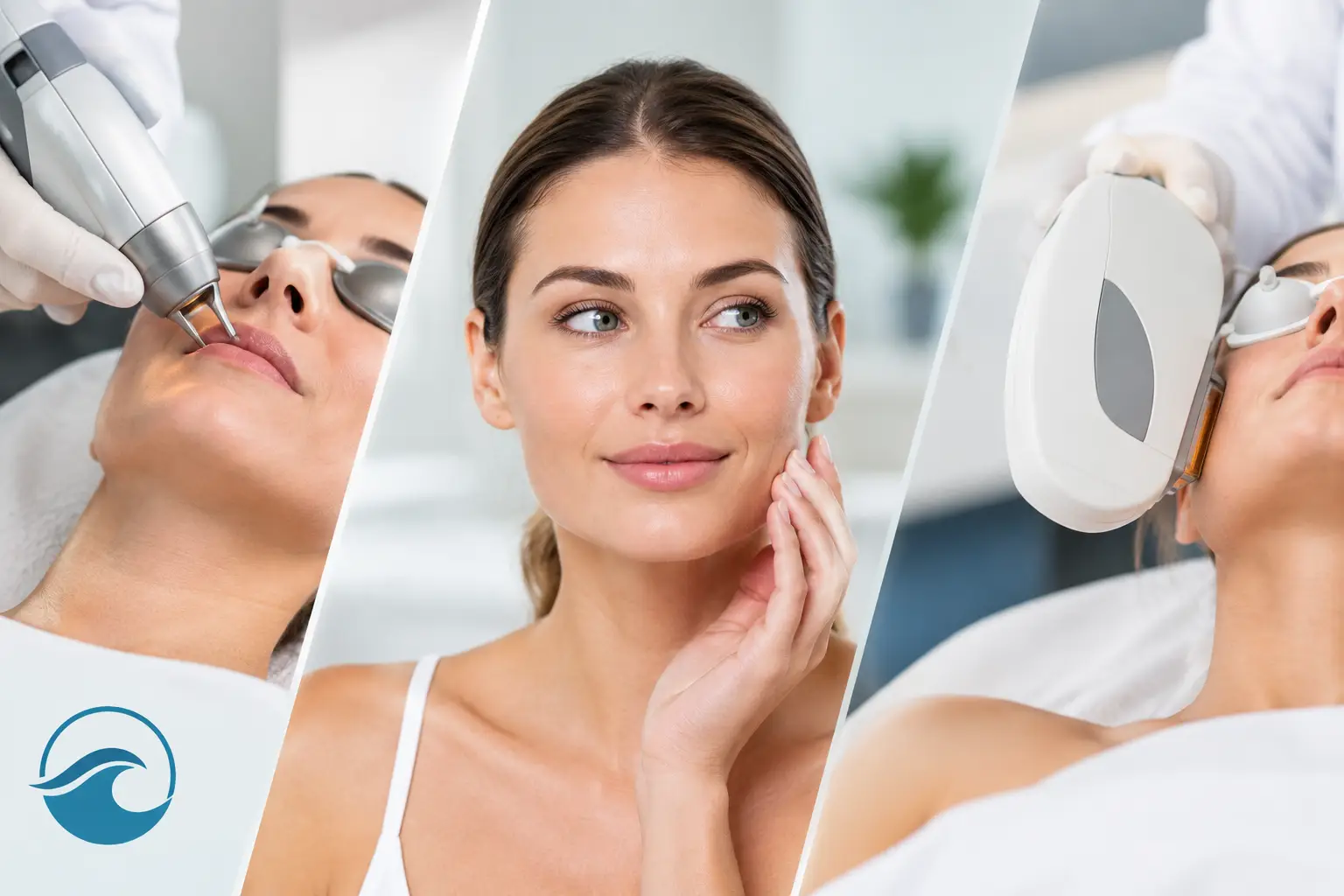
Fractional CO2 laser resurfacing is often one of the most effective options for textural acne scarring. It works by creating tiny, controlled treatment channels in the skin, prompting the body’s natural repair response and supporting new collagen formation. Over a course of treatment, the skin may look smoother, firmer and more even in texture.
This treatment can be particularly valuable for rolling scars, boxcar scars and overall uneven texture. It is not an instant result. Skin renewal takes time, and improvements continue to develop as collagen remodels in the weeks and months following treatment.
CO2 laser treatment does involve downtime. Redness, warmth, swelling and peeling are expected parts of the recovery process, and diligent aftercare matters. Your practitioner will discuss how to prepare, what recovery may look like and how to protect your skin from the Queensland sun while it heals. For many clients, the trade-off of recovery time is worthwhile for the potential improvement in deeper textural concerns.
Medical-grade chemical peels
Medical-grade facial peels can be a useful option for mild scarring, uneven skin tone, congestion and post-acne marks. Depending on the peel selected, treatment encourages controlled exfoliation and skin renewal, helping the complexion appear clearer and brighter.
Peels are generally better suited to superficial concerns than deep pitted scars. They can, however, play an important role in a wider acne-scar plan by improving pigmentation, smoothing the surface of the skin and maintaining results between more intensive treatments.
The right peel strength and formulation matter. A personalised approach is especially important if you have sensitive skin, a history of pigmentation or ongoing breakouts. More intensity is not always better. A carefully timed series of appropriate treatments can be kinder to the skin and deliver more consistent progress.
Skin rejuvenation treatments for tone and texture
Laser rejuvenation treatments may help address the visible effects that often sit alongside acne scarring, including uneven tone, dullness and mild surface texture. The most suitable technology will depend on your skin assessment and the concern being treated.
For clients whose main concern is redness following acne rather than indentations, the treatment conversation may look very different from someone with established pitted scarring. Treating active inflammation, supporting the skin barrier and addressing redness or pigmentation can make a meaningful visual difference, even when no deep scar revision is needed.
It is also worth being clear about what light-based treatments can and cannot do. They may improve the overall appearance of the skin, but deeper tethered scars may require another approach or a combined treatment plan for the strongest result.
Microdermabrasion for very superficial concerns
Microdermabrasion gently exfoliates the outermost layer of the skin and can leave the complexion feeling smoother and fresher. It may be suitable where there is mild surface roughness, congestion or residual dullness after acne.
It is not designed to remove deep acne scars, and it should not be presented as a replacement for laser resurfacing where significant textural scarring is present. Its value is in supporting skin maintenance and addressing minor surface concerns with little to no downtime.
When combination treatment makes sense
Acne scarring is often mixed. You may have broad shallow scars on the cheeks, a few deeper marks around the temples, redness around the jawline and pigmentation from more recent breakouts. In these cases, one treatment may improve part of the picture while leaving another concern largely unchanged.
A combination plan may involve laser resurfacing for texture, professional peels for tone and carefully selected skincare to support recovery and ongoing skin health. The treatments do not necessarily happen all at once. Spacing them correctly gives the skin time to respond and reduces unnecessary irritation.
Some deeper scars may benefit from medical procedures such as scar release techniques or targeted spot treatments performed by an appropriately qualified medical practitioner. If this is relevant to your skin, clear guidance and referral advice are more valuable than promising that every scar can be erased with one device.
What to expect from your acne scar consultation
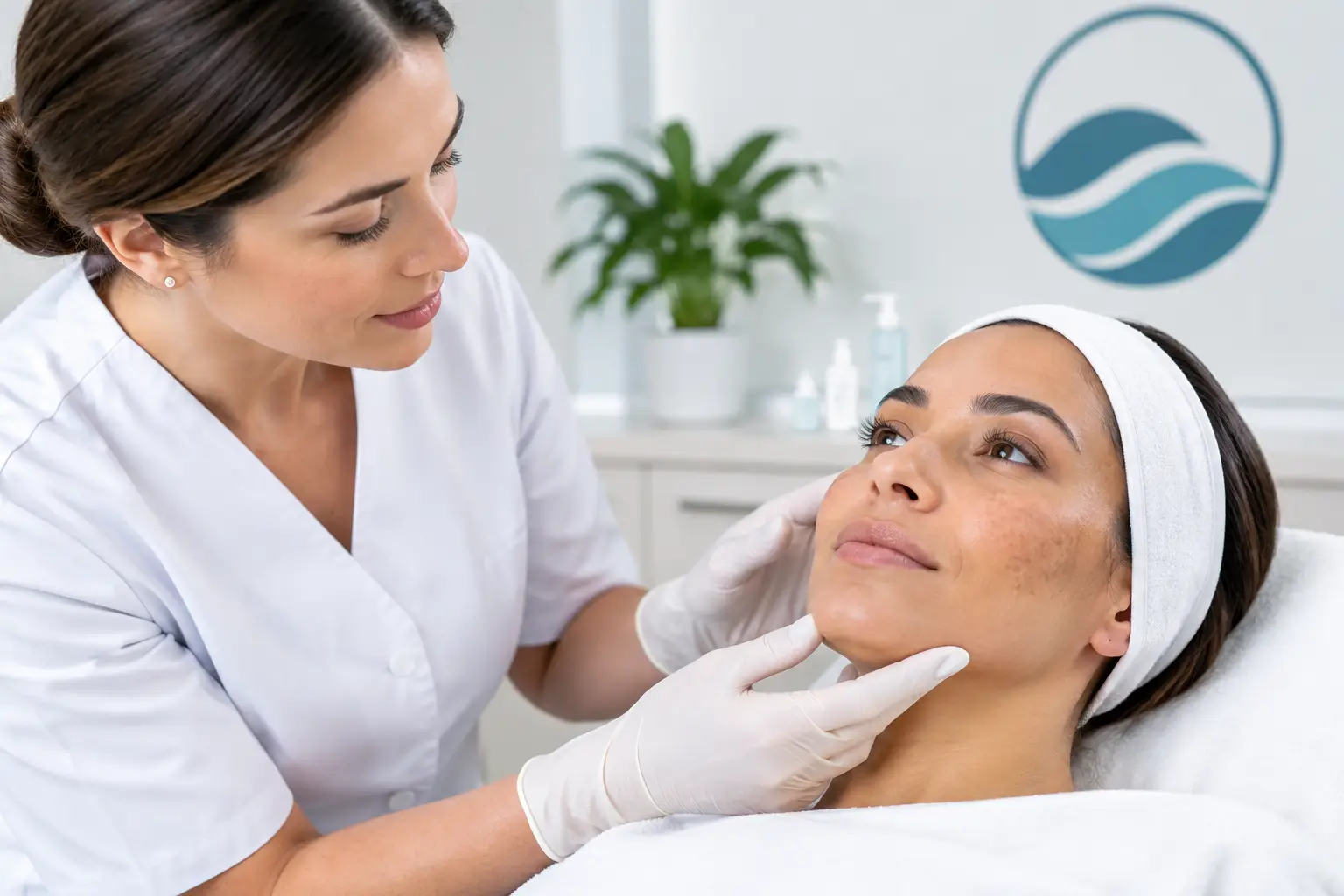
A good consultation should feel calm, informative and honest. Your practitioner will look at the shape, depth and location of scarring, as well as your skin tone, sensitivity, acne history and current skincare routine. If acne is still active, controlling breakouts may be the first priority. Treating scars while new inflammatory lesions continue to form can make progress feel like one step forward and one step back.
You should also discuss lifestyle factors that affect recovery. This includes upcoming events, sun exposure, work commitments, medications, previous treatments and whether you are prone to cold sores or pigmentation. These details help determine whether a treatment is suitable now or whether a gentler preparation phase is the better choice.
Realistic expectations are essential. Professional acne scar treatments can soften edges, improve texture, fade uneven colour and help skin look healthier overall. Complete removal is not always possible, particularly with long-standing or deep scars. The goal is visible, meaningful improvement that helps you feel more confident in your skin.
Supporting results at home
Professional treatments do the corrective work, but home care protects the investment. Daily broad-spectrum sunscreen is non-negotiable, particularly after peels and laser treatments, as sun exposure can worsen pigmentation and compromise healing. A gentle cleanser, moisturiser that supports the skin barrier and practitioner-recommended active skincare can also make a difference.
Avoid picking at blemishes. It is easier said than done, but squeezing and repeated touching can increase inflammation and raise the risk of further marking. If breakouts are persistent, painful or leaving scars, seek professional advice early rather than waiting for them to settle on their own.
The most effective acne scar plan is one you can follow safely, consistently and with confidence. Whether you are considering CO2 laser resurfacing, a course of peels or a gradual combination approach, the right starting point is a personalised assessment that respects both your skin and your goals.