Acne scars can be frustrating for a simple reason – they often stay long after the breakouts have settled. If you are considering a chemical peel for acne scars, the real question is not whether peels can help, but whether the right peel is being matched to your skin, scar type and recovery tolerance.
For some clients, a peel can noticeably soften post-acne marks and improve texture. For others, it is better used as part of a broader treatment plan rather than a stand-alone fix. That is where professional guidance matters most.
How a chemical peel for acne scars actually works
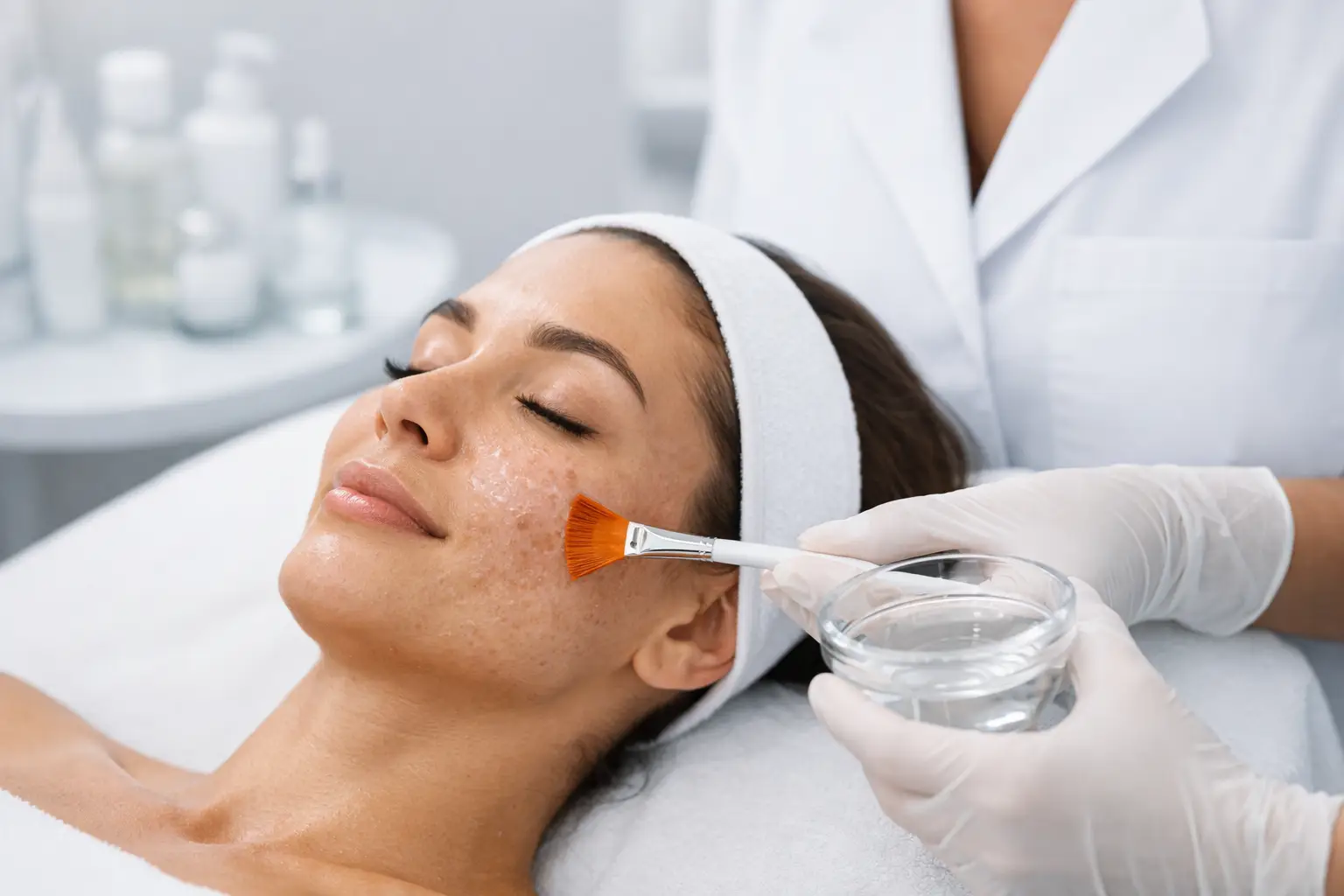
A chemical peel uses a controlled exfoliating solution to remove damaged surface skin and encourage fresh cell turnover. Depending on the peel selected, it may work mainly at the surface or reach deeper into the skin to stimulate renewal.
When acne has left behind uneven texture, shallow indentations or persistent discolouration, this process can help the skin look smoother and more even. A peel is not filling a scar in the way a dermal treatment might. Instead, it supports the skin’s own renewal process, which can gradually reduce the appearance of certain scars and post-inflammatory pigmentation.
That distinction is important. Not all acne scars respond the same way. Flat red or brown marks often improve more readily than deeper pitted scarring. Rolling or shallow boxcar scars may soften with a course of treatment, while ice-pick scars usually need a more targeted approach.
Which acne scars respond best to peels?
Chemical peels tend to be most useful for post-acne pigmentation, mild textural irregularity and more superficial scarring. If your main concern is leftover redness, brown marks or roughness, a peel may be a very reasonable option.
If your scars are deeper, tethered or sharply indented, results from a peel alone may be limited. That does not mean peels have no role. It often means they are best used to improve overall skin quality while other modalities address depth and structure.
This is why a consultation matters. Two people can both say they have acne scars, but one may be dealing mostly with lingering pigment while the other has true atrophic scarring. The treatment plan should reflect that difference.
The types of peels commonly used
Not all peels are created equal, and stronger is not always better. In a clinical setting, peels are chosen based on skin type, concerns, sensitivity and downtime tolerance.
Superficial peels are often used to target dullness, congestion, mild pigment and early textural change. These can be helpful for clients who want gradual improvement with minimal recovery time. You may experience some dryness or flaking, but they are generally well tolerated when professionally selected.
Medium-depth peels work more intensively and may be considered when acne scarring and pigmentation are more established. These usually involve more visible peeling and a longer recovery window, but they can deliver a stronger corrective effect when appropriate.
The best peel for acne scarring may include ingredients such as salicylic acid, glycolic acid, lactic acid, trichloroacetic acid or combination formulations. The right choice depends on more than the scar itself. Skin tone, barrier health, active breakouts, previous treatments and lifestyle all influence what is safe and worthwhile.
What kind of results are realistic?
A chemical peel for acne scars can improve the look of the skin, but realistic expectations are essential. Most clients should think in terms of softening, smoothing and brightening rather than complete scar removal.
Pigmentation often responds faster than texture. You may notice your skin looks clearer and more even before you see much change in indentation. Textural improvement usually takes longer and often requires a series of treatments.
Results also depend on consistency. One peel may freshen the skin, but a planned course tends to deliver more meaningful improvement. This is particularly true when acne scarring has built up over years rather than months.
The most satisfying outcomes usually come from a tailored plan rather than chasing a single dramatic treatment. Safe, effective progress is often built gradually.
Who should be cautious?
Peels are not right for everyone at every time. If you have active, inflamed acne, very sensitive skin, eczema flare-ups, a compromised skin barrier or a tendency to pigment easily after irritation, your clinician may need to adjust the plan or recommend another starting point.
Recent use of certain prescription products, some oral medications and recent cosmetic procedures can also affect whether a peel is appropriate. Skin that has been over-exfoliated at home may need repair before any corrective treatment begins.
This is especially relevant for deeper skin tones, where poorly chosen peels or incorrect aftercare can increase the risk of post-inflammatory pigmentation. That does not mean peels are off the table. It means treatment selection must be careful, conservative and professionally guided.
What to expect before and after treatment
Before treatment, the skin may need preparation. That could include simplifying your skincare, pausing active ingredients or using specific products to support the barrier and reduce the risk of complications. Good preparation often improves both safety and results.
During the treatment, you may feel warmth, tingling or a stinging sensation depending on the peel strength. Most professional peels are quick, and the sensation is temporary. Your clinician will monitor your skin closely throughout.
Afterwards, the skin can feel tight, dry or mildly tender. Some clients peel visibly, while others mainly experience dryness and a sandpapery texture for several days. It is important not to pick or scrub the skin during this period, even if flaking is noticeable.
Sun protection is non-negotiable after a peel. Freshly treated skin is more vulnerable to UV damage, and poor sun habits can undo progress quickly. Gentle skincare, hydration and following aftercare instructions closely all make a real difference.
Chemical peel for acne scars versus other treatments
Peels are one option, not the only option. For mild scarring and post-acne marks, they can be an excellent starting point. They are often appealing because treatment is relatively quick, customisable and less invasive than some resurfacing procedures.
That said, if scarring is moderate to severe, other treatments may offer more structural improvement. Skin needling, fractional laser and other medical skin resurfacing approaches can sometimes target deeper textural change more effectively. In many cases, combining treatments produces the best result.
A good clinic will not force every concern into one treatment category. If a peel is suitable, it should be recommended for clear reasons. If another approach is likely to do more for your skin, that should be explained honestly.
Why personalised treatment matters
Acne scarring is personal. It affects confidence, makeup application, shaving comfort and the way skin looks in everyday light. It also presents differently from one person to the next, which is why generic online advice only goes so far.
At Coastal Skin Clinic, treatment planning is built around your skin rather than a one-size-fits-all package. That means considering the type of scars present, how reactive your skin is, whether you have ongoing breakouts and how much downtime realistically fits your life.
For clients on the Sunshine Coast, that local, professional support can make the process feel far less overwhelming. You should feel informed, looked after and confident that your treatment is being selected for safety as well as results.
Is a peel worth it for acne scars?
If your concern is post-acne pigmentation, uneven tone or mild textural scarring, a peel can absolutely be worth considering. It can refresh the skin, support gradual correction and become a valuable part of a broader skin plan.
If your scars are deep or long-standing, a peel may still help, but expectations need to stay grounded. The goal may be visible improvement rather than total change, or the peel may be one piece of a combination approach.
The best next step is not guessing based on someone else’s before-and-after photos. It is having your skin properly assessed, asking what level of result is realistic and choosing a treatment path that respects both your skin and your long-term outcome.
When acne scars have been bothering you for years, even a measured improvement can feel significant – especially when it is achieved safely, professionally and with a plan that suits your skin.