CO2 laser resurfacing can make a meaningful difference to concerns such as acne scarring, lines, sun damage and uneven texture, but it is not a treatment to choose on convenience alone. CO2 laser safety starts well before the laser is switched on. It comes down to careful assessment, appropriate treatment settings, sterile technique, clear aftercare and a practitioner who takes the time to understand your skin.
For many people, the thought of downtime or discomfort can feel daunting. A professional consultation should replace uncertainty with a clear, personalised plan, including an honest discussion about what the treatment can achieve, how your skin is likely to respond and when it may be better to wait or consider another option.
Why CO2 laser safety needs a personalised approach
CO2 lasers create controlled thermal injury in the skin to trigger renewal and support collagen remodelling. Depending on the device and treatment settings, the laser may treat the full skin surface or target tiny columns of tissue while leaving surrounding areas intact. This precision is why CO2 treatment can be so effective, but it is also why experience and restraint matter.
There is no single setting that is right for every person. Skin tone, skin sensitivity, the area being treated, the concern being addressed, your history of pigmentation, active skin conditions and previous treatments all influence the plan. Stronger treatment is not automatically better. Higher energy or more passes may bring greater improvement for some concerns, yet can also mean more swelling, longer healing and a higher risk of unwanted pigment changes or scarring.
A qualified practitioner should explain that balance clearly. Safe treatment is not about chasing the most aggressive result. It is about selecting settings that suit your skin and your goals, then supporting healing properly.
A thorough consultation comes first
The safest CO2 laser appointments begin with a detailed consultation, not a rushed booking. Your practitioner should ask about your medical history, current medications, allergies, tendency to cold sores, past scarring and any history of post-inflammatory hyperpigmentation. They should also discuss recent tanning, sun exposure, cosmetic procedures and active skincare ingredients.
Some medications and skincare products may need to be paused before treatment. Recent sun exposure can make skin more reactive and can increase the likelihood of uneven pigmentation. If you have an active infection, inflamed acne, broken skin or a flare of a skin condition in the treatment area, postponing may be the safest decision.
Cold sore history deserves particular attention when treating around the mouth. Laser resurfacing can trigger an outbreak in people who are prone to them, so your practitioner may recommend speaking with your GP or prescribing clinician about suitable preventative management before treatment.
This conversation is also the right time to be open about your expectations. CO2 laser rejuvenation may soften scars and improve texture, but it cannot promise perfect skin. A trusted clinic will never oversell a result or overlook a risk simply to proceed with treatment.
What happens during a safe CO2 laser treatment
On the day, your skin should be properly cleansed and prepared. The treatment area may be photographed for clinical records and progress tracking, with your consent. Depending on the treatment depth and area, numbing options may be discussed beforehand to help keep you comfortable.
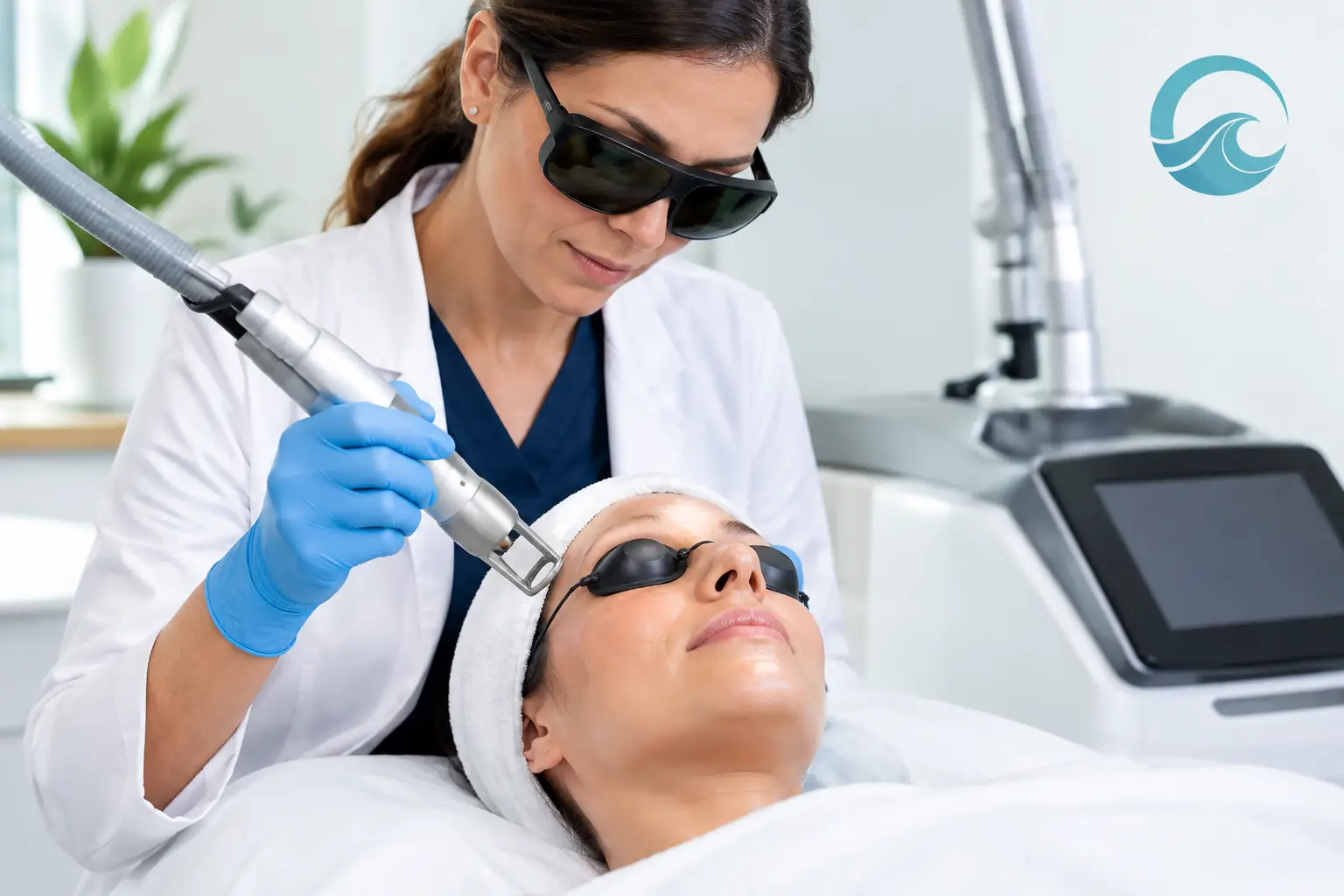
Eye protection is non-negotiable. Both you and the practitioner need appropriate protective eyewear for the specific laser in use. When treatment is performed close to the eyes, specialised eye shields may be required. This is not an optional extra or a detail to skip for a quick appointment.
The treatment environment also matters. A CO2 laser creates a plume of smoke and microscopic particles as it treats the skin. Appropriate smoke evacuation, hygiene procedures and infection-control practices help protect both clients and practitioners. Equipment should be maintained, settings should be checked, and treatment should be delivered by someone trained to use that specific device.
At Coastal Skin Clinic, the focus is on professional guidance and treatment plans that respect both your results and your wellbeing. Feeling cared for includes being able to ask questions at any point, knowing what is happening during treatment and never feeling pressured to continue if something does not feel right.
Skin tone, pigmentation and treatment planning
Any skin type can need careful planning, but those with skin that tans easily or has a history of pigmentation need particularly considered treatment. Heat and inflammation can occasionally lead to temporary or longer-lasting darkening or lightening of the skin. This does not mean CO2 laser treatment is automatically unsuitable, but it does mean a personalised approach is essential.
Your practitioner may recommend skin preparation, conservative settings, a test area or an alternative treatment pathway. They may also advise delaying treatment during periods of high sun exposure, particularly through a Sunshine Coast summer when avoiding UV can be challenging. A good plan needs to fit real life, including whether you can protect healing skin from the sun.
Aftercare is part of CO2 laser safety
The treatment does not end when you leave the clinic. In the first few days, it is common for skin to feel warm, tight, red and swollen. Depending on the depth of treatment, there may be pinpoint bleeding, bronzing, flaking or crusting. These changes can be expected parts of healing, but aftercare helps determine how smoothly recovery progresses.
You should leave with clear written instructions tailored to your treatment. This usually includes advice on gentle cleansing, moisturising or applying a recommended recovery product, avoiding heat and friction, and keeping your hands away from the treated skin. Do not pick, peel or scrub at flaking skin. Removing it early can increase irritation and raise the risk of scarring or infection.
Sun protection is especially important after resurfacing. Healing skin is more vulnerable to UV exposure, so minimise direct sun, wear a broad-brimmed hat when outdoors and follow your practitioner’s advice on when to introduce sunscreen. In most cases, exercise, saunas, swimming and active skincare ingredients such as retinoids, acids and exfoliants should be avoided for a period of time while the skin recovers.
Know when to contact your clinic
Some redness, tenderness and swelling are normal, but you should contact your clinic promptly if pain becomes severe or increases, swelling worsens unexpectedly, blisters develop, or you notice spreading redness, pus, fever or other signs of infection. It is always better to check in early than to wait and hope a concern settles on its own.
A supportive clinic will make follow-up part of the process. Healing can look different from person to person, and reassurance at the right time can prevent unnecessary worry. Follow-up also gives your practitioner a chance to assess progress and guide you on when to return to your usual skincare routine.
Questions worth asking before you book
A consultation should give you confidence, not leave you guessing. Ask who will perform your treatment, what training they have with CO2 laser technology and how they decide on your settings. Ask about likely downtime for your planned treatment, the possible side effects for your skin type and the aftercare support available if you have questions once you are home.
It is also reasonable to ask whether the clinic follows relevant Queensland health and infection-control requirements. Professional standards, a clean clinical environment and clear consent processes are practical signs that safety is being taken seriously.
Most importantly, pay attention to whether you feel heard. If a practitioner does not ask about your health history, dismisses concerns about pigmentation or promises a guaranteed outcome, consider that a reason to seek another opinion.
CO2 laser resurfacing can be a rewarding option when it is chosen for the right reasons and carried out with care. The best next step is a considered consultation where your skin, your lifestyle and your goals are given the same attention as the technology itself.