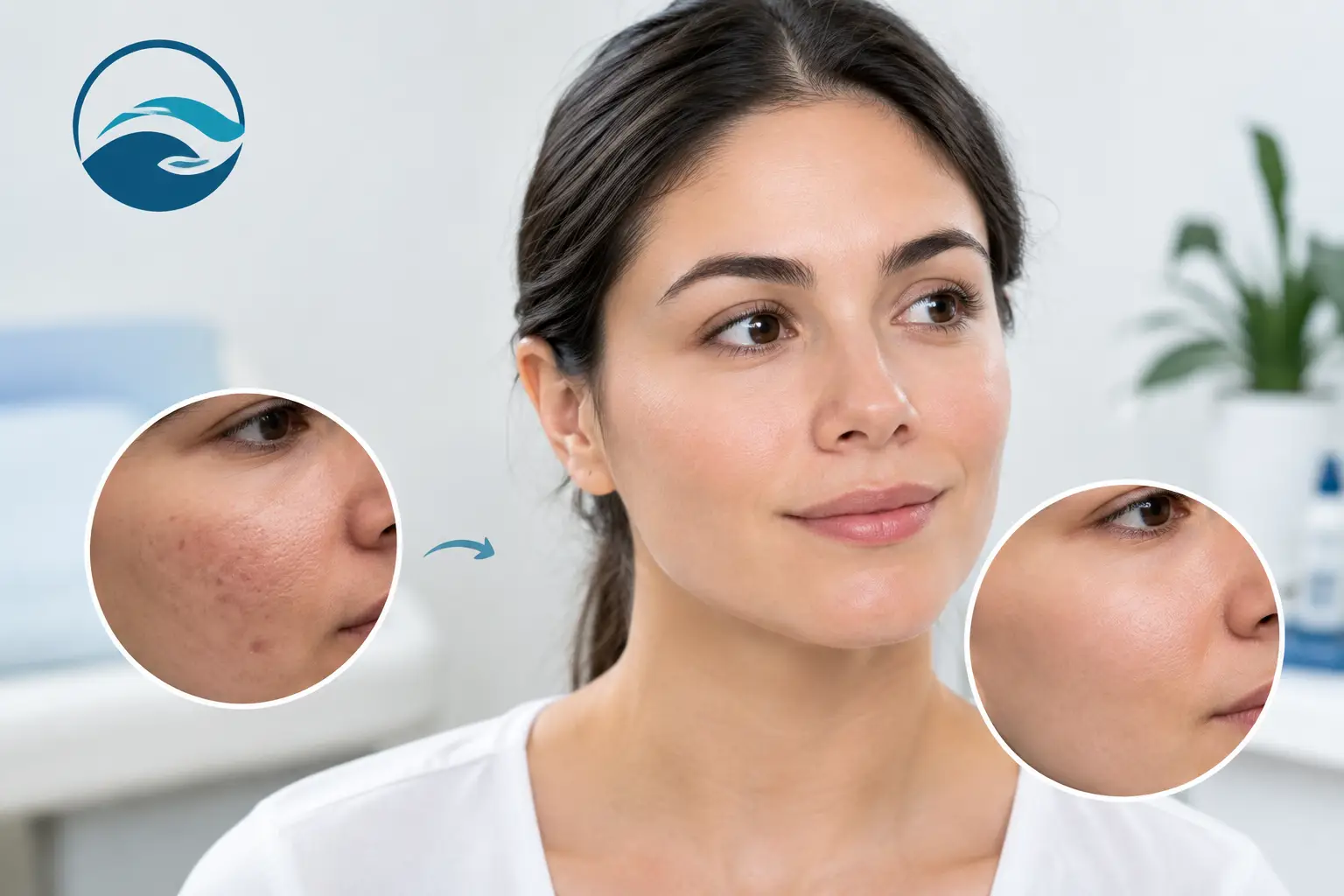
Acne scar results are rarely about making skin look filtered or flawless. For most people, the meaningful change is smoother texture, softer shadowing, more even-looking skin and the confidence to stop thinking about scars every time they catch their reflection. The best outcomes begin with an honest assessment of your scar type, skin condition and what treatment can realistically achieve.
At Coastal Skin Clinic, treatment plans are tailored rather than taken from a one-size-fits-all menu. Acne scarring can be complex, but a considered approach can make a visible difference over time.
What acne scar results look like in real life
Acne scars change the way light sits on the skin. Even when redness has faded and active breakouts are under control, indentations, uneven texture and enlarged-looking pores can remain noticeable in certain lighting. This is why a result that looks subtle in a photo can feel significant in day-to-day life.
Professional scar treatments work by encouraging the skin’s natural repair response and supporting collagen remodelling. As fresh collagen develops, depressed scars may look less deep and the overall surface of the skin can appear smoother. Results tend to build gradually, rather than appearing overnight.
The aim is improvement, not a promise that every scar will disappear completely. This matters because skin responds differently depending on scar depth, age, skin type, healing response and ongoing acne activity. A skilled consultation creates space to discuss what is achievable for your skin, not just what is possible in ideal before-and-after images.
Why every acne scar responds differently
Not all acne scars are the same, even on one person’s face. Some are broad, shallow depressions, while others are narrow and deeper. Raised scars behave differently again. The treatment that suits a rolling scar may not be the most appropriate option for a deep ice-pick scar or an area that is still inflamed.
Scar age can also affect the process. Older scars can still improve, but they may need more patience and a series of treatments. Newer scars may have lingering redness or pigmentation alongside texture concerns, which can influence when treatment begins and how it is staged.
Your skin tone and tendency towards pigmentation are equally important. Treatments need to be selected and performed carefully to minimise unnecessary irritation and support safe healing. This is one reason an in-person assessment is more valuable than choosing a treatment based on social media alone.
Active acne should be addressed first
Treating scars while new breakouts are continuing can be frustrating. New inflammation may create further marks and make it harder to assess the true condition of the skin. In many cases, getting acne calmer first gives scar-focused treatment a clearer path forward.
That does not mean you need to wait for perfectly clear skin before seeking advice. A consultation can help determine whether now is the right time for treatment, whether preparation is needed, or whether a gentler approach should come first.
Treatments that may support scar improvement
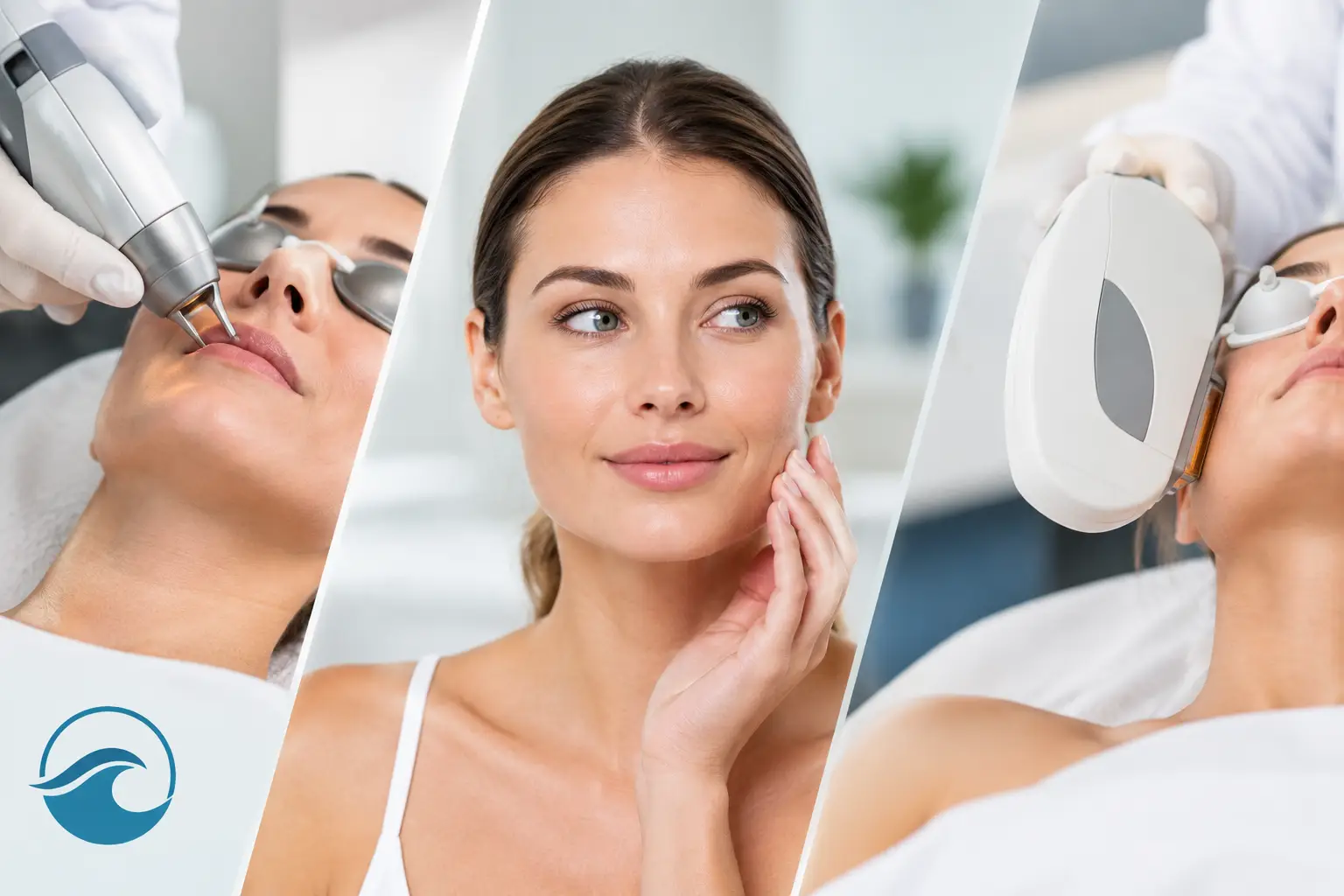
The most suitable option depends on the scar pattern, your skin health, your downtime preferences and your goals. CO2 laser rejuvenation is often considered for textural concerns because it can target the skin’s surface while stimulating deeper collagen renewal. It may be suitable for clients wanting a more intensive approach to established acne scarring.
Medical-grade facial peels can also play a role, particularly where uneven tone, congestion or superficial textural concerns are present. They may be used as part of a broader skin plan rather than as the sole answer for deeper indentations.
Microdermabrasion and professional facials may help maintain smoother-looking skin and support a healthy complexion in appropriate cases. However, they do not produce the same level of change as more intensive treatments for deeper scars. Knowing that difference helps clients invest in options that match their expectations.
A personalised plan may involve one treatment approach or a carefully timed combination. The right choice is not always the strongest treatment. It is the one that balances visible improvement with safety, healing time and your skin’s individual needs.
The timeline: when will you see a difference?
Some clients notice that their skin looks fresher or smoother once initial healing has settled. But collagen remodelling takes time. With laser-based rejuvenation, improvement often continues to develop over the weeks and months following treatment as the skin renews itself.
Redness, dryness, flaking and temporary sensitivity can be part of the recovery period, depending on the treatment performed. The skin may not look its best immediately afterwards, which is why planning around work, events and social commitments is sensible. Your clinician should explain expected downtime clearly before you proceed.
A series of treatments is often recommended for acne scarring. The number and spacing of appointments depend on the treatment selected and how your skin responds. Rushing treatments too close together does not necessarily produce better acne scar results. Giving the skin time to heal and remodel is part of the process.
What helps protect your results
Professional treatment is only one part of scar improvement. The way you care for your skin before and after appointments can influence healing, comfort and the appearance of your final result.
Sun protection is particularly important. Freshly treated skin is more vulnerable to sun exposure, and ultraviolet damage can worsen pigmentation and slow the appearance of even-toned healing. Daily broad-spectrum sunscreen, protective clothing and sensible sun habits support the work being done in clinic.
It also helps to avoid picking at blemishes or healing skin. Picking can prolong inflammation and increase the risk of further marking. Use the aftercare products and instructions recommended for you, and be open about any reactions, medications or changes to your skin between appointments.
Healthy expectations are another form of aftercare. Comparing your progress to someone with a different scar type, complexion or treatment history can make genuine improvement harder to see. Consistent clinical photographs and review appointments provide a much more reliable way to track change.
Choosing treatment with confidence
Acne scarring can feel deeply personal. Many clients have spent years covering texture with makeup, avoiding close-up photos or trying product after product without seeing the change they hoped for. You deserve clear advice, not pressure.
A professional consultation should include a close assessment of your skin, a discussion of your concerns and an explanation of the likely benefits and limitations of each option. It should also cover preparation, recovery, possible side effects and the commitment involved. Safe. Effective. Personalised care means being transparent at every stage.
For Sunshine Coast clients, seeing a trained practitioner in a supportive clinic environment can make the process feel far less overwhelming. The first step does not need to be deciding on a treatment. It can simply be understanding your scars, your options and the realistic progress your skin may be capable of making.
The most encouraging acne scar results are usually built patiently: with the right treatment plan, thoughtful aftercare and a team that sees the person behind the skin concern.