A refreshed appearance should still look like you. For people considering cosmetic injectables Sunshine Coast, the best place to start is not with a trend, a before-and-after image or a particular treatment. It is with a considered conversation about what you would like to change, what is realistic for your face, and how to approach treatment safely.
Cosmetic injectables can be a subtle way to soften selected lines, restore facial balance or support a more rested look. They are not a one-size-fits-all answer, and they do not need to create dramatic change. With a personalised approach, the goal is often to help you look well, confident and recognisably yourself.
What cosmetic injectables can help with
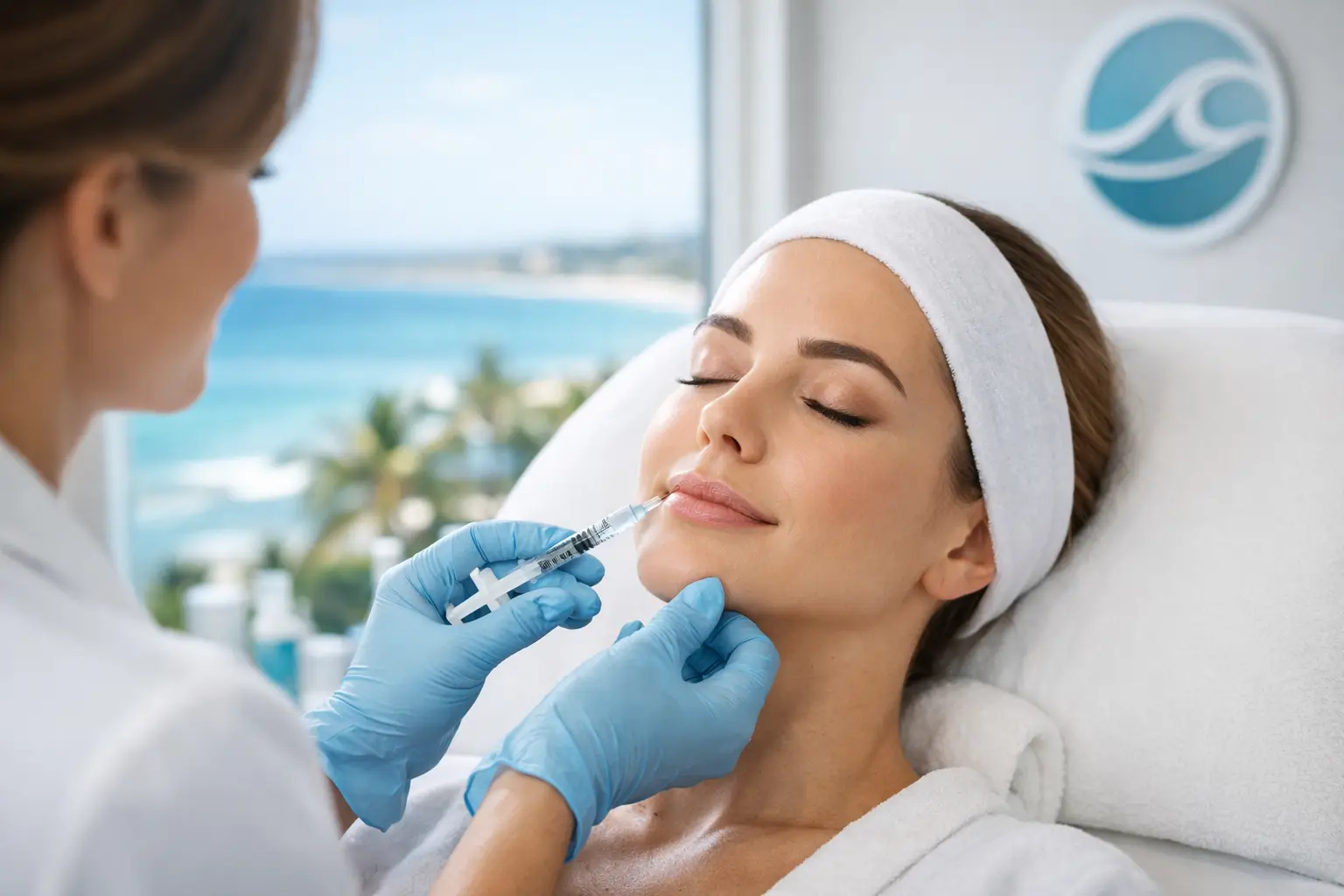
Cosmetic injectables are commonly used to address concerns that develop through natural facial movement, volume changes and the ageing process. Some treatments are designed to relax targeted muscles associated with expression lines, while dermal filler treatments may be considered to restore or enhance volume, contour or proportion in specific areas.
The right option depends on the concern. Fine lines across the upper face, for example, may need a very different approach to a loss of cheek support, lip shape or lines around the mouth. Treating the visible line without considering the surrounding facial structure can lead to a result that feels disconnected from the rest of the face.
This is why a tailored plan matters. A skilled practitioner assesses how your face moves at rest and in expression, along with factors such as skin quality, facial symmetry, existing volume and your preferred level of change. Sometimes the most appropriate recommendation is to begin conservatively. Sometimes it is to focus on skin health first, or to decide that injectables are not the right treatment for your goals at this time.
Why a consultation matters for cosmetic injectables on the Sunshine Coast
The Sunshine Coast lifestyle is wonderful, but regular sun exposure, outdoor activity and busy schedules can show up in the skin over time. Clients often arrive wanting to look less tired, soften a particular expression line or feel more confident in photographs. Those are valid goals, but a consultation helps turn a broad concern into a safe, realistic treatment decision.
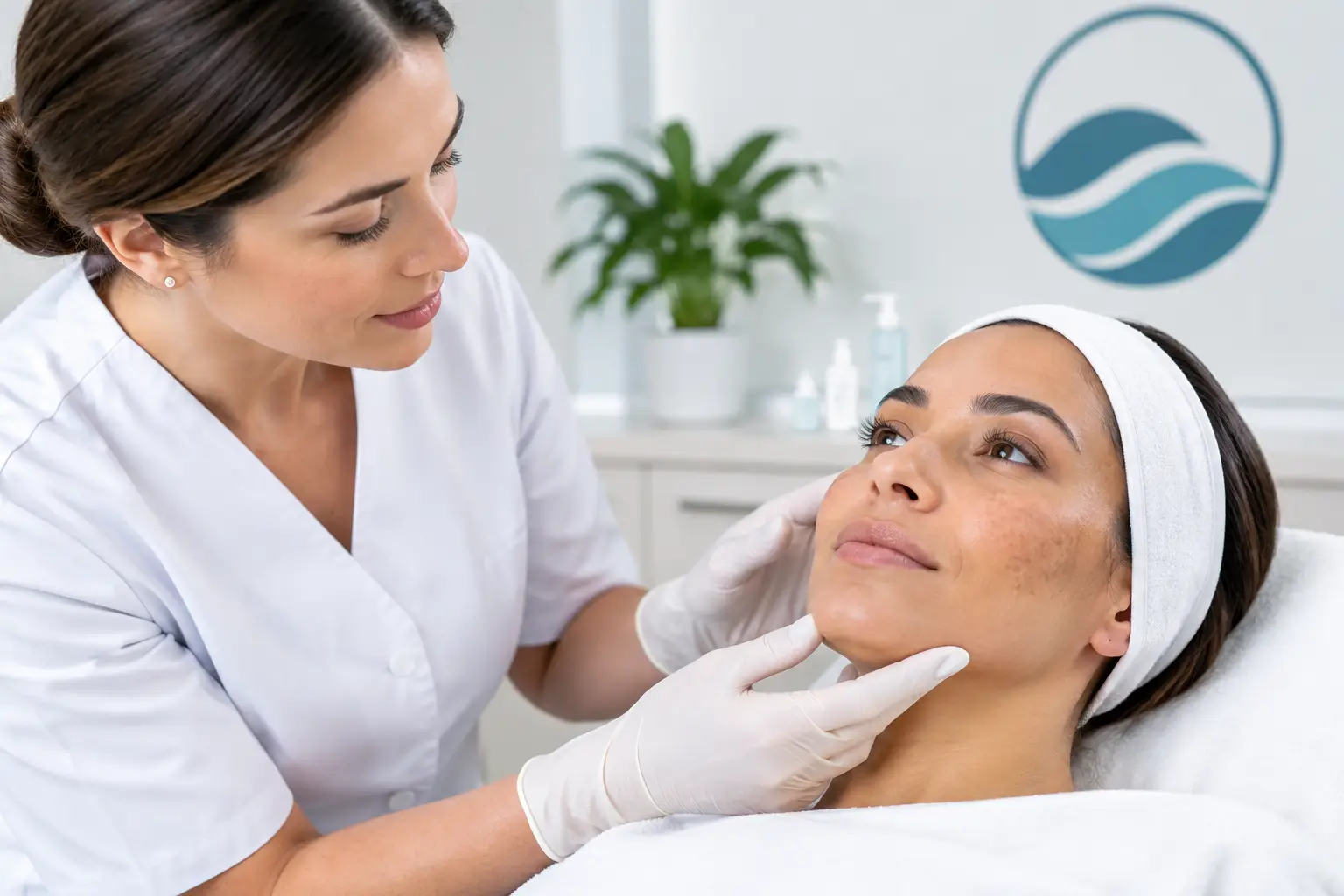
A nurse-led consultation should be a calm, private space to discuss your medical history, previous cosmetic treatments, concerns and expectations. It is also your opportunity to ask direct questions without feeling rushed. You should understand what the treatment is intended to do, what it cannot do, possible side effects, recovery considerations and when you may need to return for review.
Natural-looking results are not about doing the same treatment for every client. They come from careful assessment, appropriate product selection, conservative technique and the willingness to say no when a requested treatment is unlikely to serve the client well.
Your face, goals and lifestyle all count
A treatment plan may look different for someone who wants a barely noticeable refresh before a special occasion than for someone seeking a longer-term approach to facial ageing. Your work, exercise routine, upcoming travel, history of cold sores, skin sensitivity and event calendar can all be relevant to planning.
It is equally useful to be clear about what you do not want. If you are worried about looking overdone, losing too much movement or feeling pressured into treating areas that do not concern you, say so. The right practitioner will welcome that honesty and build the plan around your comfort level.
For first-time clients, it can be reassuring to start with one concern and review the outcome before making any further decisions. Cosmetic treatment is not a race. A measured approach gives you time to see how you feel about the change.
Choosing an experienced cosmetic injector
Your choice of provider matters as much as the treatment itself. Cosmetic injectables are medical procedures and should be approached with the same care you would give any professional treatment. A welcoming clinic environment is valuable, but it should sit alongside clear clinical standards, thorough consultation and appropriately trained practitioners.
Before proceeding, look for a provider who takes time to assess you rather than simply agreeing to a requested treatment. They should explain the rationale for their recommendation in plain language, discuss potential risks and provide clear aftercare instructions. You should never feel that you need to decide on the spot.
It is reasonable to ask about the practitioner’s qualifications, experience and approach to complication management. You can also ask how they assess suitability, what follow-up is available and whether they recommend a staged plan. These are not awkward questions. They are part of making an informed choice.
A safe consultation will also include situations where treatment may need to be delayed or avoided. Pregnancy, breastfeeding, certain health conditions, active skin infections and particular medications can affect suitability. Honest disclosure helps protect your wellbeing and supports a better treatment experience.
Preparing for your appointment and recovery
Your practitioner will provide individual pre-treatment guidance based on your health history and planned procedure. Follow it closely, especially if you have an important event ahead. While many clients return to normal activities promptly, there can be temporary redness, tenderness, swelling or bruising. These possibilities should be factored into your schedule.
After treatment, your practitioner may advise you to avoid certain activities for a period of time and to follow specific care instructions. Do not rely on social media tips or advice from friends, as aftercare can differ depending on the treatment and the area treated.
If something feels unusual after your appointment, contact the clinic promptly for advice. Good care does not stop when you leave the treatment room. Knowing who to speak with and how to access support provides important peace of mind.
Injectables work best alongside healthy skin
Injectables can address selected concerns, but they do not replace a healthy skin routine or treat every aspect of facial ageing. Texture, pigmentation, sun damage, dehydration and uneven tone may respond better to a different approach. For many clients, the most satisfying results come from considering the skin and facial structure together.
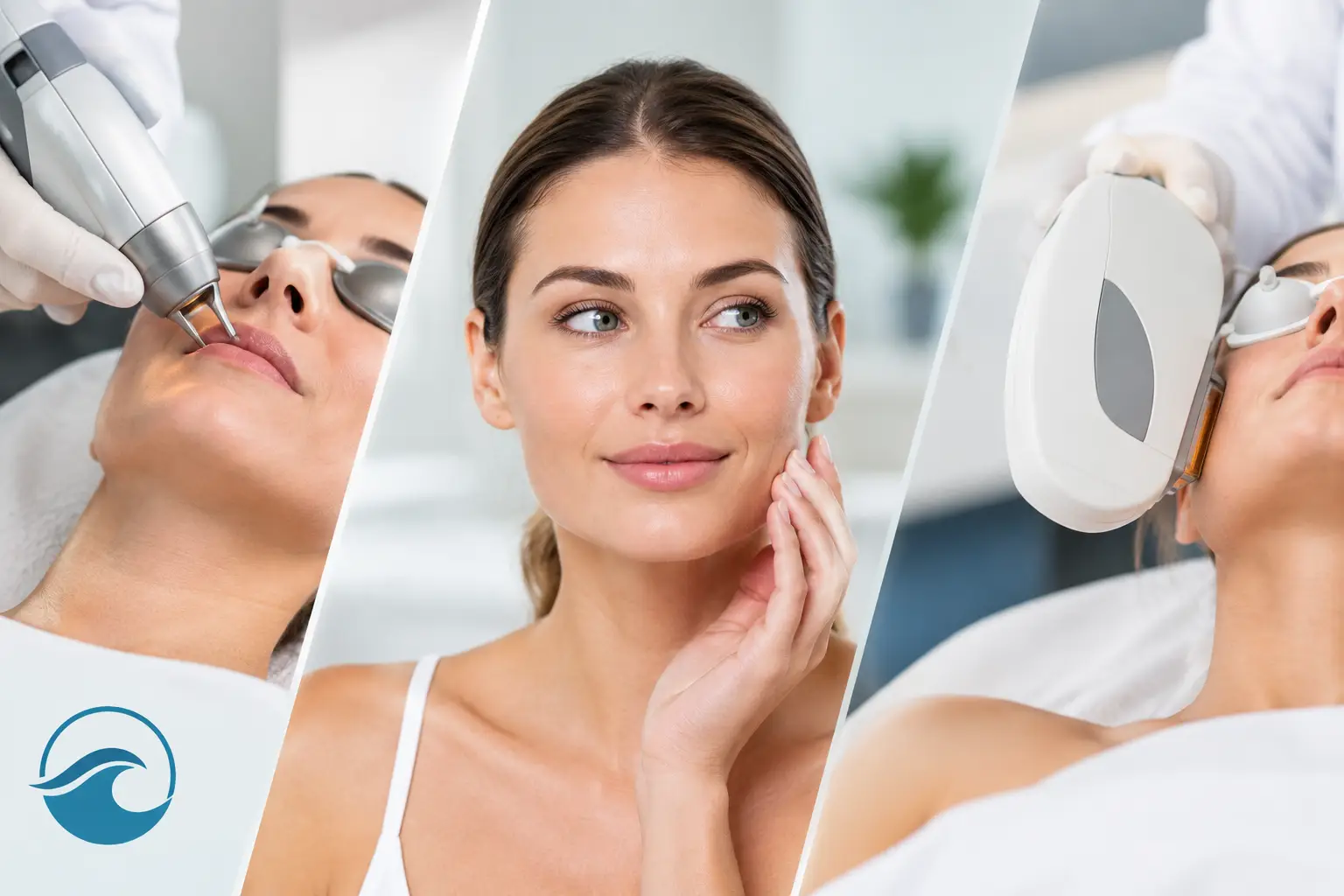
Professional skin treatments may complement an injectable plan by supporting smoother texture, clearer tone and improved overall skin quality. Daily sun protection is particularly valuable on the Sunshine Coast, where incidental exposure can add up quickly during school drop-offs, beach walks, gardening and weekends outdoors.
This combined approach also helps keep expectations realistic. Rather than asking one treatment to solve everything, a personalised plan can address the concern in front of you while supporting the health of your skin over time.
A confident choice starts with good advice
Cosmetic injectables should feel considered, not pressured. Whether you are new to cosmetic treatments or have had them before, take the time to choose a practitioner who listens carefully, explains clearly and respects your boundaries. At Coastal Skin Clinic, the focus is on personalised guidance in a warm, professional setting, so you can make decisions that feel right for you.
The most worthwhile result is often the quietest one: you catch your reflection, look refreshed, and feel a little more like yourself.