An unwanted tattoo can feel like something you have to explain before anyone has even asked. Whether it is a name, an old design, uneven cosmetic tattooing or artwork that no longer feels like you, the first step is not treatment – it is a thoughtful conversation. Understanding how laser tattoo consultations work can make the process feel far less daunting and help you decide whether removal is the right choice for your skin, tattoo and goals.
At Coastal Skin Clinic, the consultation is designed to be warm, private and practical. You will receive honest guidance from a trained practitioner, without pressure to commit before you understand the likely treatment journey.
Why a laser tattoo removal consultation matters
Laser tattoo removal is not a one-size-fits-all service. Two tattoos that look similar at a glance can respond very differently to treatment. The ink colour, how deeply it sits, your skin type, the tattoo’s age, where it is on the body and the way your immune system clears fragmented ink all influence the plan.
A consultation allows your practitioner to assess these factors before a laser is used. It is also your opportunity to discuss the result you want. Some clients hope for complete removal, while others want enough fading to make a cover-up tattoo possible. Those goals can require different treatment approaches and expectations.
Just as importantly, a proper consultation helps identify when it may be best to delay treatment. Recent tanning, irritated skin, certain medical conditions, some medications and a history of unusual scarring can all affect suitability. Safe. Effective. Care begins with making sure treatment is appropriate for you.
How laser tattoo consultations work at your appointment
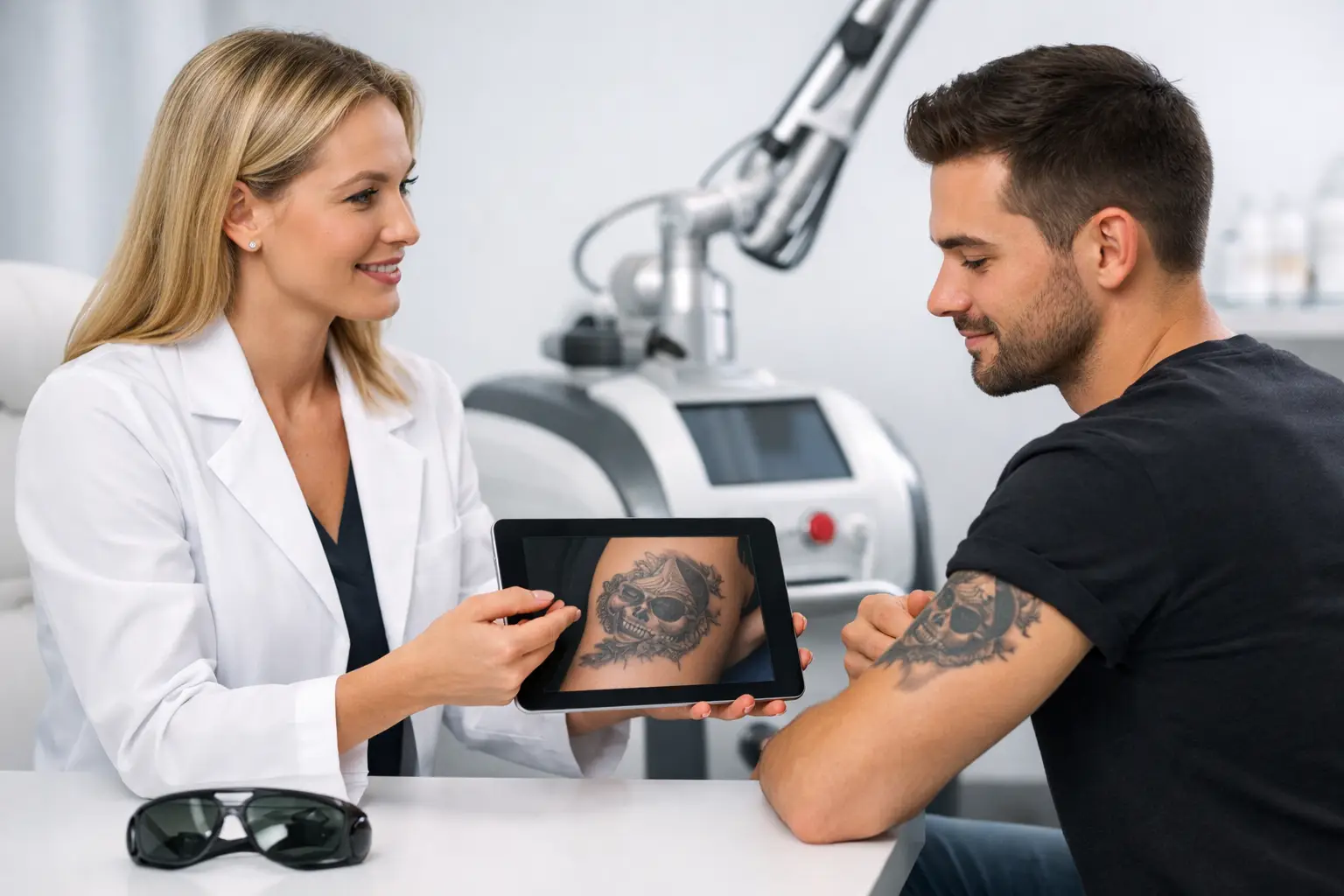
Your appointment usually begins with a conversation about the tattoo itself and why you would like it removed. There is no need to feel embarrassed about the design or the story behind it. Many people arrive feeling nervous, especially if it is their first aesthetic treatment. A supportive practitioner will focus on what you need now, not on judging the choices you made years ago.
You will be asked about your general health, medications, allergies and any skin concerns that could affect healing. Be open here, even if a detail seems minor. This information helps your practitioner make informed recommendations and reduce avoidable risks.
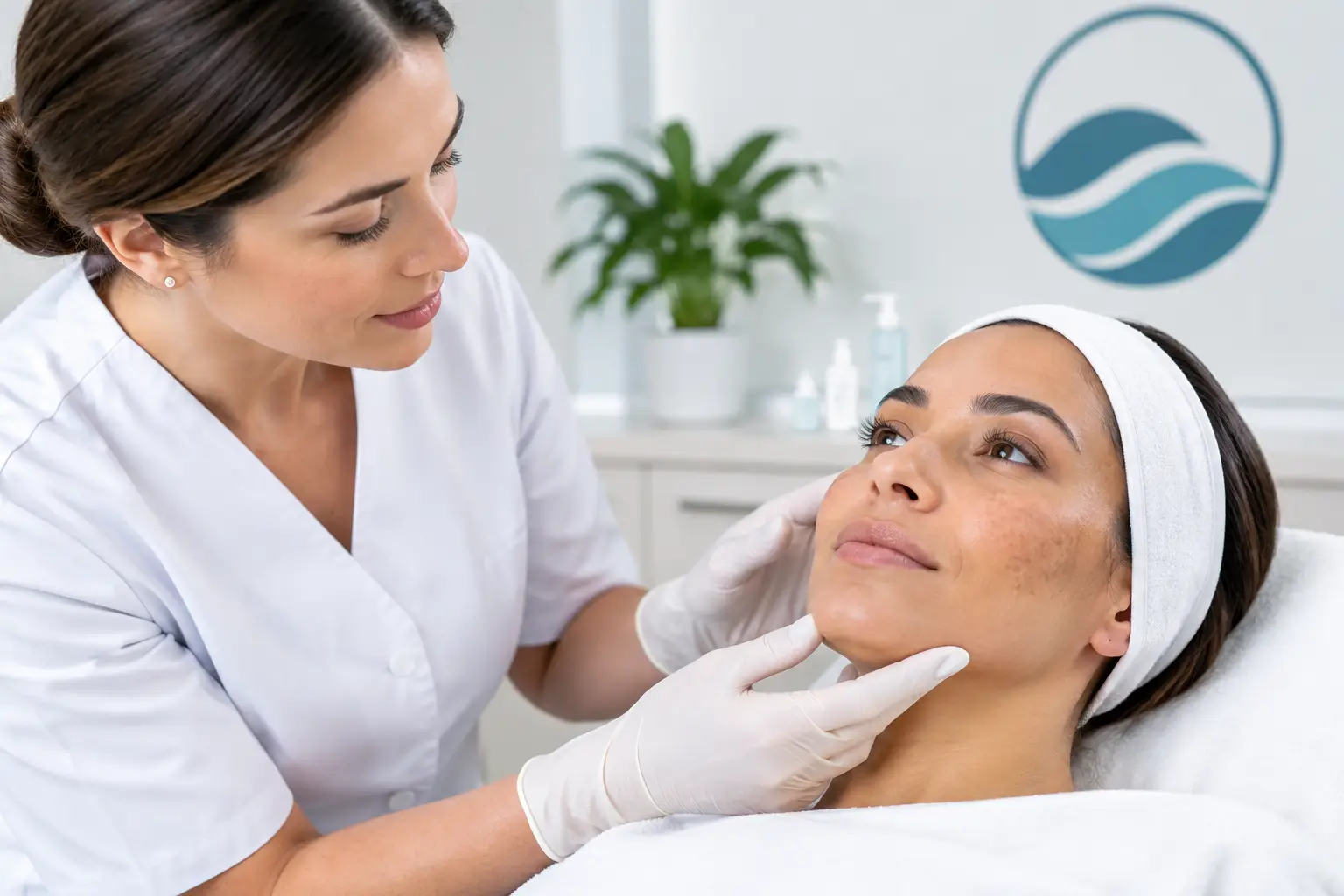
Your practitioner will then examine the tattoo and the surrounding skin. They may assess its size, placement, colours, density and whether the ink appears professionally applied or amateur. Professional tattoos can contain denser, more deeply placed ink, while amateur tattoos may be more variable. Neither automatically means an easy or difficult removal, but both help shape the treatment plan.
Skin tone and recent sun exposure are also considered carefully. Laser energy is attracted to pigment, so treatment settings must be selected with your skin in mind. Protecting the skin and allowing appropriate time between sessions can be particularly important for reducing the chance of unwanted pigment changes.
Looking at ink colours and tattoo location
Black and dark blue inks often respond well to laser tattoo removal, but every tattoo behaves differently. Lighter shades, including some greens, blues, yellows and reds, can be more complex. Certain cosmetic tattoo pigments may also react unpredictably, including darkening before they begin to fade. This is one reason a consultation is especially valuable before treating eyebrow tattooing, lip colour or other cosmetic tattoo work.
Location matters too. Tattoos closer to the heart may sometimes clear more efficiently than tattoos on hands, feet or lower legs, where circulation is different. It is not a guarantee either way, but it is part of the bigger picture your practitioner considers.
Setting realistic treatment expectations
One of the most useful outcomes of a consultation is clarity. Laser removal works by breaking tattoo pigment into smaller particles that your body gradually clears over time. The laser starts the process, but your body does the clearing between sessions. That is why treatments are spaced apart rather than performed week after week.
Your practitioner will discuss a likely session range, but it should always be treated as an estimate rather than a promise. Some tattoos fade steadily, while others reveal unexpected colours or prove more resistant than anticipated. Cover-up tattoos, layered tattoos and designs that have been retouched may take longer because there is often more ink to target.
You should also be told about possible side effects. Temporary redness, swelling, tenderness, whitening of the skin immediately after treatment and blistering can occur. In some cases, changes in skin pigmentation or textural changes are possible. Following aftercare instructions and protecting the area from the sun are important parts of supporting healthy healing.
A credible consultation does not make removal sound effortless. It gives you balanced information, explains the trade-offs and helps you choose with confidence.
Will you need a test patch?
Depending on your tattoo, skin type and treatment history, a test patch may be recommended. This involves treating a small section of the tattoo and allowing time to see how the skin and pigment respond. It can be particularly helpful for cosmetic tattoos, unusual ink colours, darker skin tones or tattoos with an uncertain history.
A test patch may add time before full treatment begins, but it can provide valuable information. It allows the practitioner to observe healing and make a more informed decision about settings and suitability. Taking this careful approach is not a delay for the sake of it – it is personalised care.
Discussing comfort, timing and your treatment plan
Most people want to know one thing early: does laser tattoo removal hurt? Sensation varies by person, body area and tattoo size. Clients commonly describe it as a quick snapping or flicking feeling, followed by warmth in the area. Your practitioner can explain the comfort measures available and what to expect during and after each session.
The consultation is also the right time to talk about timing. If you have a holiday, outdoor work, a wedding or another event coming up, mention it. Sun exposure and healing time can influence when treatment is best scheduled. You may also receive guidance on avoiding tanning, keeping the area free from irritation and arriving with clean skin on treatment day.
Your plan should feel manageable, not overwhelming. It may include the anticipated session spacing, aftercare requirements, an estimated treatment timeline and the next appropriate step, whether that is a test patch or your first full session.
Questions worth bringing to your consultation
You do not need to arrive knowing all the technical language. A few simple questions can help you feel prepared: what result is realistic for my tattoo, is a test patch recommended, how should I prepare, what does healing look like and what should prompt me to contact the clinic after treatment?
It is also reasonable to ask about practitioner training, clinic licensing and the technology used. Choosing a professionally delivered service is about more than the appointment itself. It is about having informed support throughout the removal process, including when your skin needs time, reassurance or a change to the plan.
What happens after the consultation?
If you decide to proceed, you can book the next suitable step in your treatment plan. If you are not ready, that is completely fine too. A quality consultation should leave you better informed, whether you begin treatment straight away or take time to think it over.
For Sunshine Coast clients, the right consultation can turn a big, emotional decision into a clear plan built around your individual skin. Bring your questions, be honest about your medical history and give yourself permission to take the process at your own pace.