Texture changes can be frustrating because they often show up in every kind of light. Makeup may settle into fine lines, acne scars can look more noticeable, and sun damage may leave skin appearing uneven or tired. Laser resurfacing is a professional treatment designed to address these concerns by encouraging the skin to repair and renew itself.
For the right person, it can create meaningful improvements in skin texture, tone and firmness. It is not a quick facial or a one-size-fits-all procedure, though. The best outcomes come from careful assessment, appropriate technology and realistic planning around healing.
What is laser resurfacing?
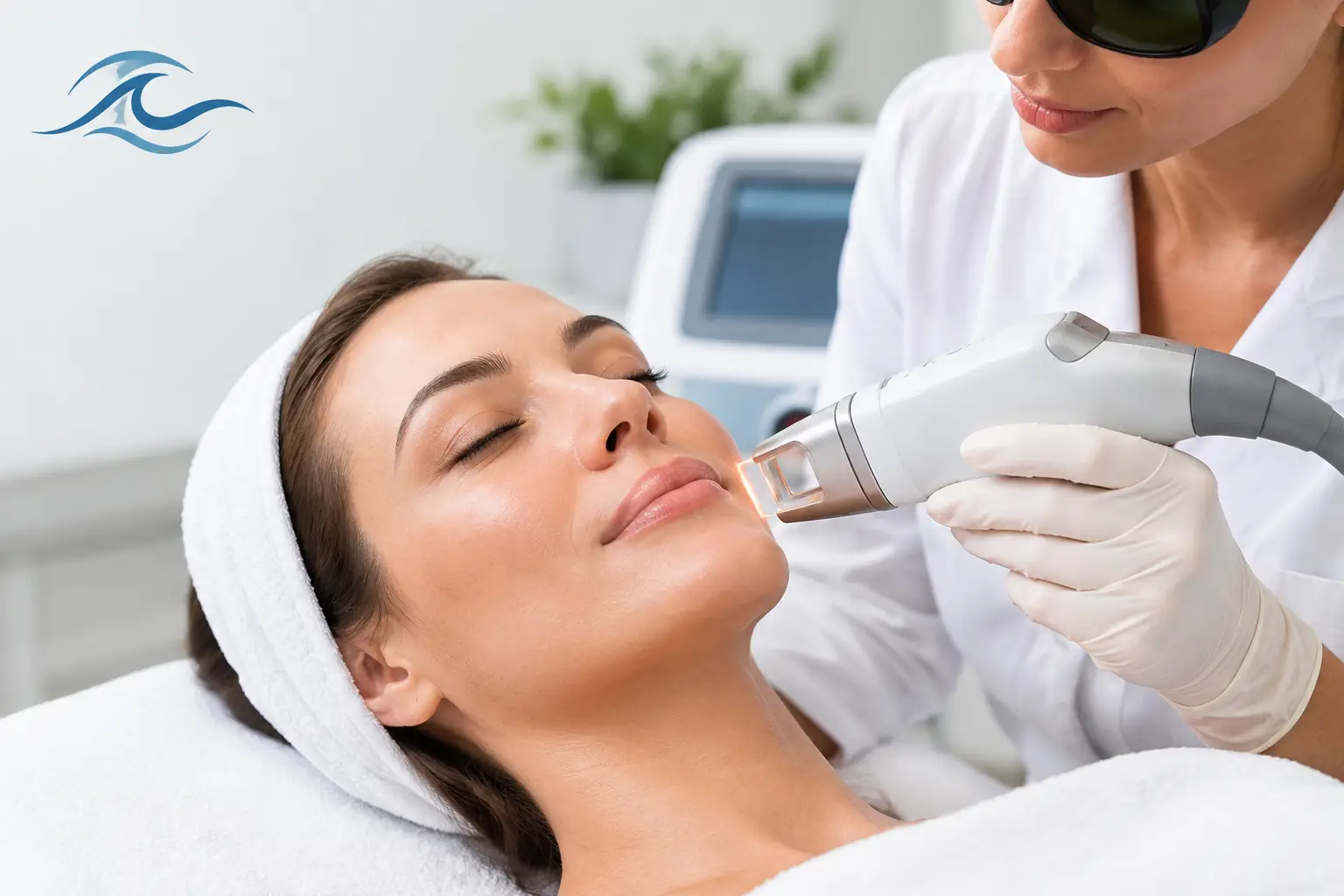
Laser resurfacing uses controlled laser energy to create tiny treatment channels in the skin. This process removes or treats targeted layers of damaged skin while stimulating collagen production below the surface. Collagen is a natural structural protein that helps skin feel firmer, smoother and more resilient.
At Coastal Skin Clinic, CO2 laser rejuvenation may be considered for concerns such as fine lines, rough texture, enlarged pores, acne scarring, sun-related damage and some pigmentation irregularities. CO2 lasers are ablative, meaning they treat the surface of the skin as well as deeper layers. That makes them a more intensive option than many non-ablative treatments, with a recovery period to match.
The goal is not to make your skin look like somebody else’s. It is to support healthier-looking skin that still looks like you, only fresher, smoother and more even.
What can CO2 laser resurfacing improve?
Every skin concern has its own causes, so results vary. However, laser treatment can be particularly helpful when a client is looking to improve overall texture rather than target one small concern alone.
Fine lines around the eyes and mouth, crepey skin, uneven texture and visible pores may respond well as collagen remodels over time. Acne scars can also soften, especially where there are shallow or rolling scars. Deeper scars sometimes need a combination approach, and this will be discussed honestly during consultation.
Sun damage is another common reason clients explore resurfacing. Years of Queensland sunshine can contribute to a rougher skin surface, blotchy tone and a loss of clarity. Laser treatment can help refresh the appearance of photoaged skin, but it does not replace daily sun protection. Protecting your results is part of the treatment, not an optional extra.
Pigmentation needs careful assessment. Some types of pigmentation may improve with laser treatment, while others can worsen if the wrong approach is used or if aftercare is not followed. This is one reason professional skin assessment matters, particularly for clients with darker skin tones, melasma or a history of post-inflammatory pigmentation.
Results develop gradually
It is natural to want to know exactly how much improvement you will see. The most responsible answer is that it depends on your skin, the concern being treated, the intensity of your session and how well you follow the recovery plan.
Initial changes may be visible once the skin has healed, but collagen renewal continues for weeks and often months. Skin may continue to look smoother and more refined as this process progresses. Some clients benefit from more than one treatment, while others may need maintenance-focused treatments later to support their results.
Is laser resurfacing suitable for everyone?
Not every person, or every concern, is best treated with CO2 laser resurfacing. A personalised consultation helps determine whether it is the right choice, whether a gentler option would be more appropriate, or whether your skin should be prepared first with a treatment plan.
Your practitioner will consider your skin type and tone, medical history, current skincare routine, previous treatments and the nature of the concern you would like to address. Active acne, skin infections, cold sore history, impaired healing, recent sun exposure and some medications can affect when or whether treatment is suitable.
Being open in your consultation is important. Bring up any tendency to scar, pigment changes after injury, past cosmetic procedures and products you are using at home. This information is not a barrier to care. It helps your practitioner make the treatment safer and more appropriate for you.
For clients around Maroochydore and the Sunshine Coast, planning is especially important in warmer months. Sun exposure before or after treatment can compromise healing and increase the chance of pigmentation concerns. Your practitioner can help you choose a suitable treatment window and prepare your skin properly.
What happens during treatment?
A laser resurfacing appointment begins with skin preparation and a discussion of the plan for the day. Depending on the treatment area and intensity, numbing may be used to support comfort. You may feel warmth and a prickling sensation during the procedure, but your practitioner will guide you through each stage.
The treatment itself is usually relatively efficient, although the total appointment time depends on the area being treated. Full-face resurfacing takes longer than a small, targeted area such as acne scarring on the cheeks.
Afterward, the skin can feel warm, tight and sensitive, similar to a significant sunburn. Redness and swelling are expected, and treated skin may darken or develop a bronzed, textured appearance before it flakes away. These changes are part of the healing process, not a sign that you should scrub or pick at your skin.
Recovery deserves as much attention as the treatment
Downtime is one of the main trade-offs with CO2 laser resurfacing. More intensive treatment can provide stronger resurfacing benefits, but it also requires more dedicated recovery than a light facial or low-downtime treatment.
Your practitioner will provide individual aftercare instructions, but recovery generally involves keeping the skin clean, hydrated and protected while it heals. You may need to pause active skincare ingredients, avoid heat and strenuous exercise for a period, and stay out of direct sun. Makeup should only be reintroduced when your practitioner advises it is appropriate.
It can help to plan your appointment around work, social events and outdoor commitments. Give yourself permission to have a quiet few days and avoid booking treatment immediately before a wedding, holiday or important event. Skin healing does not work to a calendar deadline.
Contact your clinic if you experience symptoms that feel outside the guidance you have been given, such as increasing pain, unusual discharge or worsening swelling. Professional support should continue after you leave the treatment room.
Your long-term skin habits matter
Laser treatment can improve existing damage, but maintaining your result relies on what happens next. Daily broad-spectrum sunscreen, gentle skincare, good hydration and regular professional guidance all help protect your investment.
For some clients, a structured plan may combine resurfacing with medical-grade peels, targeted facials or other skin rejuvenation treatments at suitable intervals. Combination care should never be rushed. Your skin needs time to respond and recover between treatments.
Choosing a clinic you can trust
Laser treatment is not simply about having access to a machine. It requires an informed assessment, appropriate settings, strict treatment protocols and the ability to recognise when a treatment should be delayed or adjusted.
Choose a clinic where you feel comfortable asking questions about the technology, practitioner training, expected healing and possible risks. In Queensland, ask about appropriate licensing and professional standards. A trustworthy practitioner will be clear about what treatment can achieve and where its limits are.
Before committing, ask to discuss the expected number of sessions, the likely recovery period for your treatment level, and what results are realistic for your particular concern. You should leave feeling informed, not pressured.
Healthy skin is not about chasing perfection. If you are considering laser resurfacing, a thoughtful consultation can give you clarity, a tailored plan and the confidence to take the next step when the timing is right.