Texture that makes foundation sit unevenly. Fine lines that seem more noticeable after a Sunshine Coast summer. Acne scarring that has stayed long after the breakouts have settled. These are common reasons people begin looking for a Maroochydore laser resurfacing guide – but the right treatment is never simply about choosing the strongest laser available.
Laser resurfacing is a professional skin treatment that uses carefully controlled energy to encourage the skin’s natural renewal process. It can improve tone, texture and visible signs of ageing, but the best outcome comes from matching the technology, settings and recovery plan to your skin, lifestyle and goals. A thorough consultation should be the starting point.
What laser resurfacing can help improve
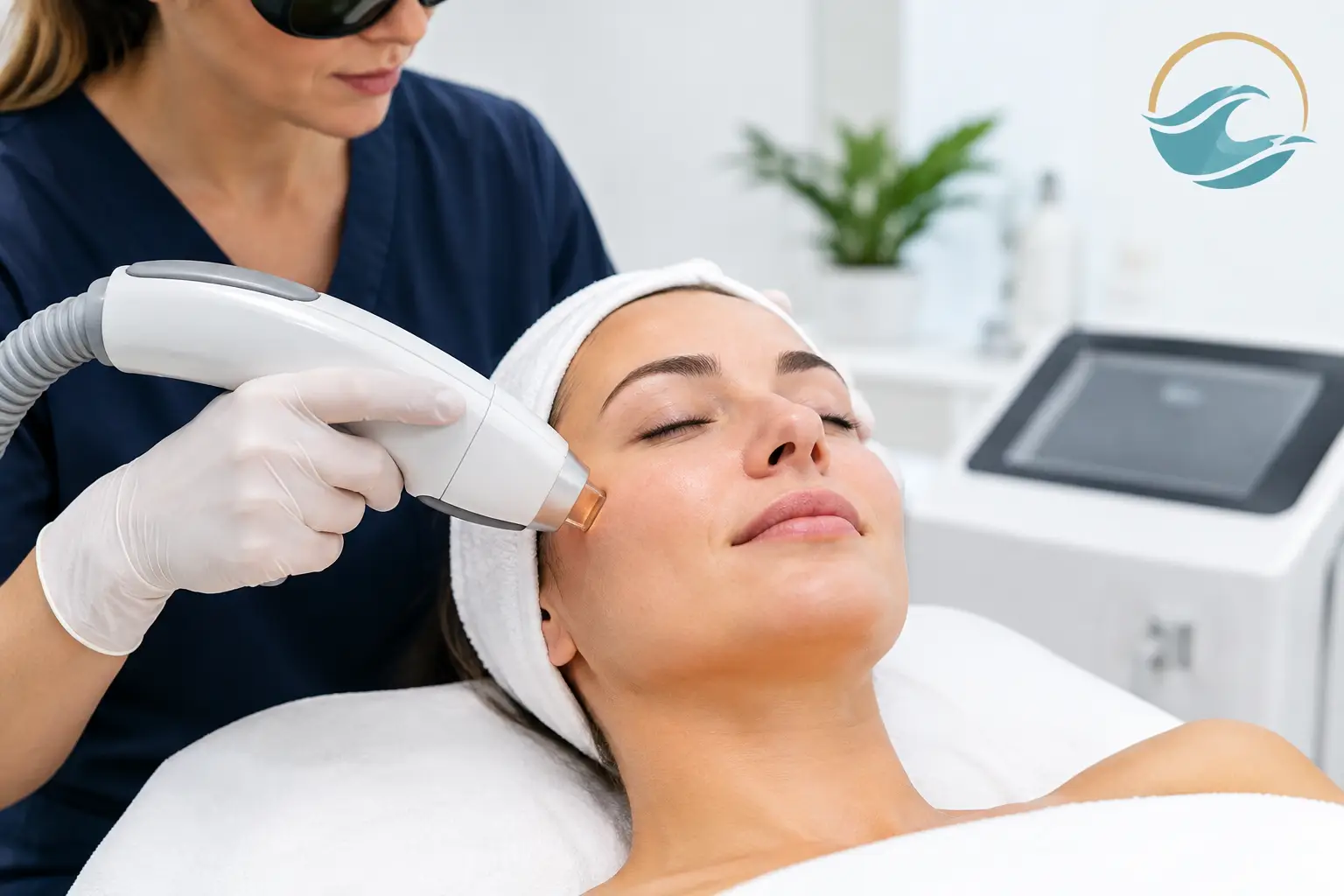
Laser resurfacing works by delivering energy into targeted layers of the skin. Depending on the treatment, this may create controlled micro-injuries or remove a very fine layer of damaged surface skin. In response, the skin begins a repair process that supports fresh collagen formation and healthier-looking skin over time.
Many clients consider resurfacing for acne scars, enlarged-looking pores, rough texture, sun-related pigmentation, fine lines and crepey skin. It can also be a considered option for improving overall skin quality when skincare alone is no longer giving the change you want.
Results are not instant, and that is a good thing to understand from the outset. The visible renewal develops as the skin heals and remodels. Some people see an early improvement once redness and flaking settle, while collagen-related changes can continue to build over the following weeks and months.
Laser resurfacing is not a one-size-fits-all answer for every concern. Deep scars may need a combination approach. Pigmentation may require careful skin preparation and ongoing sun protection. Active acne, certain medical conditions or an impaired skin barrier may mean treatment should be delayed or approached differently.
Understanding your laser resurfacing options
The term “laser resurfacing” covers more than one type of treatment. The key difference is how intensively the laser interacts with the skin, which affects both the likely result and the downtime involved.
Fractional CO2 laser resurfacing
CO2 laser resurfacing is generally a more intensive option for concerns such as more established lines, significant texture changes and acne scarring. Fractional technology treats tiny, precisely spaced columns of skin while leaving surrounding tissue intact. This supports healing while allowing the treatment to reach deeper skin structures.
Because CO2 resurfacing can be more powerful, it usually comes with a more involved recovery period. Redness, warmth, swelling, peeling and crusting can occur as the skin heals. The exact experience varies between people and depends on the treatment settings, area treated and individual skin response.
This option can be worthwhile when a client is prepared for downtime and wants a more significant skin-renewal treatment. It does require careful aftercare and realistic expectations. Stronger does not always mean better if the timing, skin type or recovery capacity is not right for you.
Gentler laser rejuvenation treatments
Less intensive laser rejuvenation treatments may suit people who are focused on mild texture concerns, early signs of ageing or a fresher overall appearance with less downtime. These treatments can support gradual improvement and may be performed as a course, depending on the skin concern.
They are not a shortcut to the result of an intensive CO2 treatment. The trade-off is usually a gentler recovery and a more gradual result. For some clients, that is exactly the right balance, especially where work, family commitments or social plans make extended downtime difficult.
A qualified practitioner can explain whether your concern is better suited to a deeper resurfacing procedure, a lighter laser treatment, medical-grade skin preparation, peels or a tailored combination plan.
Your Maroochydore laser resurfacing consultation matters
A responsible consultation is about far more than looking at a treatment menu. Your practitioner should assess the concern you want to treat, your natural skin tone, previous treatments, current skincare and your history of pigmentation, scarring or cold sores. They should also discuss medications, health conditions and any tendency to heal slowly or form raised scars.
This is particularly important for clients prone to post-inflammatory hyperpigmentation. Skin can produce extra pigment after inflammation, so choosing suitable settings and preparing the skin correctly can make a meaningful difference to safety and outcomes.
Bring an honest picture of your routine to your appointment. Mention recent sun exposure, tanning products, active skincare ingredients and upcoming events. A laser treatment should not be planned immediately before a wedding, holiday or major occasion just because it fits into the calendar. Your skin needs enough time to heal properly.
At Coastal Skin Clinic, personalised guidance is central to the treatment process. The aim is to help you feel informed, comfortable and properly cared for, rather than rushed into a treatment that is not the right fit.
Preparing for laser resurfacing
Preparation helps lower avoidable risk and gives your skin the best possible starting point. Your practitioner will provide instructions specific to your treatment, but this often includes avoiding direct sun exposure and fake tan before your appointment. Tanned or sun-stressed skin is not an ideal canvas for laser work.
You may also be asked to pause certain active skincare products for a period beforehand. Retinoids, exfoliating acids and scrubs can increase sensitivity for some people. Do not stop prescribed medication without advice from the clinician who manages it, but make sure your laser practitioner knows what you are using.
If you have a history of cold sores, tell your practitioner before treatment around the mouth. Laser resurfacing can trigger a flare-up in susceptible clients, and a plan may be needed before your session.
On the day, arrive with clean skin where possible and allow enough time afterward to receive your aftercare instructions without feeling rushed. It is sensible to organise a quiet few days at home after more intensive treatments.
What recovery really looks like
Recovery is the part of resurfacing that deserves plain, practical discussion. With an intensive CO2 treatment, skin can feel hot and tight in the early stage. Redness and swelling are expected, followed by dryness, flaking or peeling as the treated skin renews. You may need to avoid makeup for a period and should not pick at peeling skin.
Gentler treatments may involve temporary redness or a sandpapery texture with less disruption to daily life, although you still need to follow aftercare closely. Even when skin looks settled, it remains more vulnerable to sun exposure while it is healing.
Your aftercare plan may include a gentle cleanser, a suitable recovery product and strict daily broad-spectrum SPF. Avoid heat, intense exercise, swimming, saunas and active skincare for the period recommended by your practitioner. These measures are not optional extras – they are part of protecting your result.
The Sunshine Coast lifestyle can make sun avoidance feel inconvenient, particularly if you spend weekends outdoors. A wide-brimmed hat, shade and consistent sunscreen use are essential. This is especially true after resurfacing, when UV exposure can contribute to pigmentation and compromise the clarity you are working towards.
Safety, risks and realistic expectations
When performed by a trained professional using appropriate technology, laser resurfacing can be an effective treatment. Like any procedure that intentionally stimulates skin repair, however, it has risks. These can include prolonged redness, infection, cold sore activation, pigment changes, scarring and an outcome that is less dramatic than hoped.
The safest path is not to treat these possibilities as frightening or unlikely details to skip over. It is to discuss them openly, understand your individual risk factors and choose a clinic that takes assessment, treatment protocols and aftercare seriously.
Be cautious of deals that promise dramatic results without a consultation or minimise recovery. Skin treatments are personal. A safe plan considers your skin type, your concern, your tolerance for downtime and how consistently you can follow aftercare.
It is also worth knowing that resurfacing can improve the appearance of scars and lines, but it cannot erase every mark or stop natural ageing. The most satisfying outcomes tend to come from clear goals: smoother texture, softer lines, more even-looking skin or greater confidence without relying as heavily on makeup.
How many sessions will you need?
The answer depends on the treatment type and the issue being addressed. Some people choose one more intensive CO2 resurfacing treatment, while others benefit from a series of gentler laser sessions. Acne scarring, for example, often responds best to a staged plan because scar depth and skin response vary across the face.
Your practitioner may also recommend supporting treatments or an ongoing home-care routine. That does not mean the laser has failed. It reflects the fact that healthy, visible skin improvement is often built through a considered plan rather than a single appointment.
A good next step for your skin
If you are considering laser resurfacing in Maroochydore, begin with a consultation that gives you room to ask questions. Share what is bothering you, what downtime you can manage and what kind of change would feel worthwhile. The right plan should feel clear, realistic and tailored to you – with professional support before, during and after your treatment.