A tattoo that no longer fits your life can sit in the background for years before you decide to do something about it. When that moment comes, choosing the right Sunshine Coast tattoo removal clinic matters more than most people expect. This is not just about fading ink. It is about skin safety, realistic planning, and feeling comfortable enough to ask questions about a treatment that often takes time.
For many clients, the first concern is simple – will it work? The better question is whether the clinic can assess your tattoo properly, explain likely results honestly, and treat your skin with care from the first appointment to the last. Good tattoo removal is never one-size-fits-all, and that is exactly why the clinic you choose makes such a difference.
What a good Sunshine Coast tattoo removal clinic should offer
A professional tattoo removal clinic should begin with assessment, not sales pressure. Your tattoo’s age, ink colours, depth, location on the body, and your skin type all influence how treatment is planned. A small black tattoo on the ankle may behave very differently to a newer, multicoloured piece on the forearm. If a clinic promises a fixed number of sessions without a proper consultation, that is usually a sign the process is being oversimplified.
The right clinic will also be clear about safety standards. Laser tattoo removal is a clinical treatment, and the quality of the device, the training of the practitioner, and the clinic’s operating standards all matter. You want a provider that treats tattoo removal as a specialist service, not an add-on squeezed between unrelated appointments.
Just as important is the way the clinic communicates. Clients often arrive feeling embarrassed about an old tattoo, frustrated by a previous removal attempt, or nervous about discomfort. A warm, professional team can make the experience far easier. Expertise builds trust, but reassurance helps people follow through with a treatment plan.
Why technology and practitioner skill both matter
Laser tattoo removal is not only about owning advanced equipment. The practitioner using that technology needs to understand how to adjust treatment for different tattoos and different skin responses. Strong technology in inexperienced hands is not enough. At the same time, even an experienced operator is limited by outdated equipment.
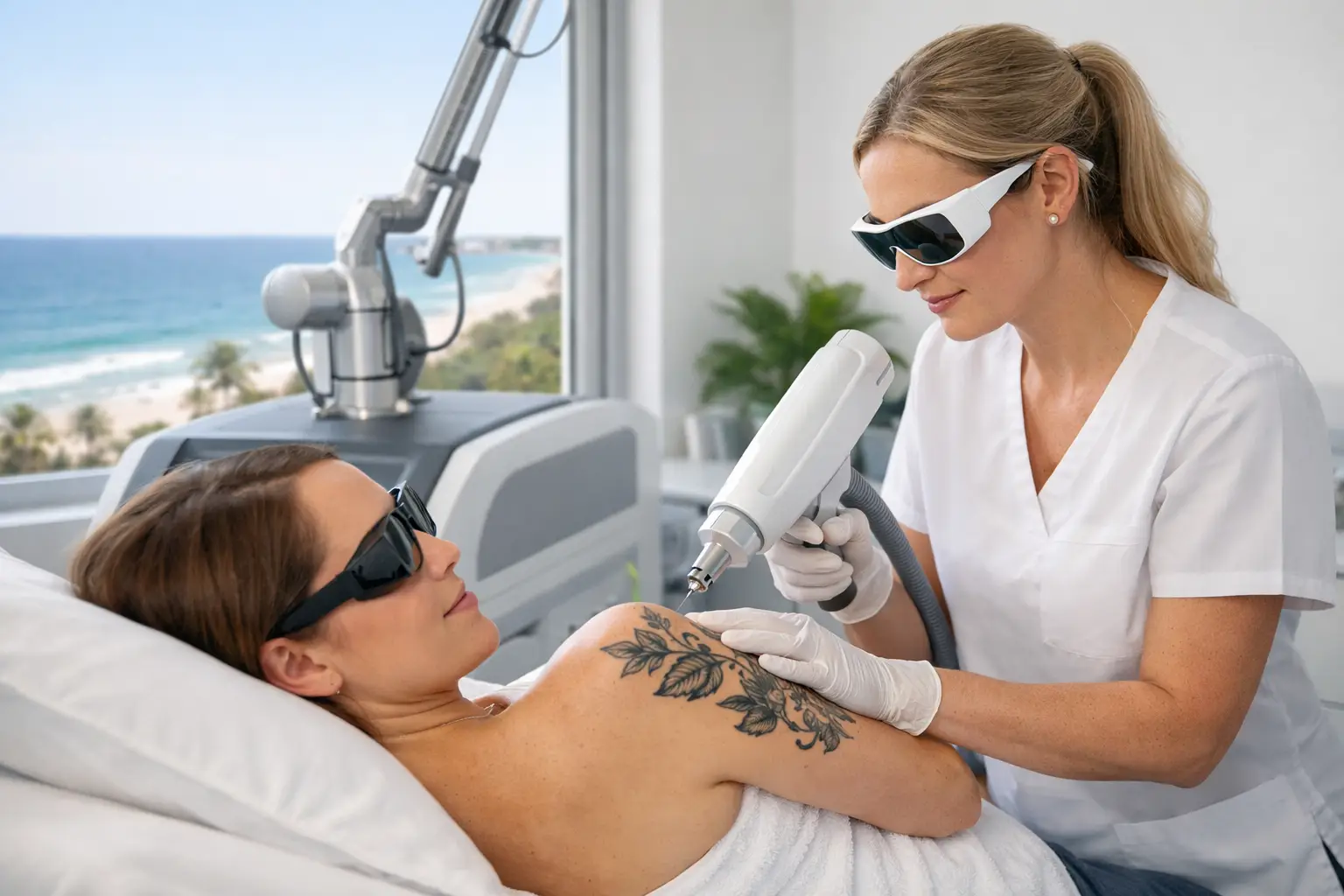
A quality clinic will explain the treatment method in straightforward terms. Laser energy targets tattoo pigment, breaking it into smaller particles that the body can gradually clear. That process sounds simple, but real-world treatment involves judgement. Settings need to be chosen carefully. Sessions need to be spaced appropriately. The skin needs to be monitored over time.
This is where honest guidance becomes valuable. Some tattoos clear exceptionally well. Others fade significantly but may leave traces of ink, shadowing, or mild textural change. Some colours respond faster than others. Black ink often lifts more readily than greens, blues, or mixed tones, although individual results vary. A credible clinic will tell you what is likely, not just what sounds appealing.
Questions worth asking at your consultation
If you are comparing clinics, the consultation should help you feel more certain, not more confused. Ask who performs the treatment, what qualifications or specialised training support the service, and how the clinic determines the likely number of sessions. It is also reasonable to ask about aftercare, expected healing time, and how they manage skin reactions.
Another useful question is whether your tattoo is a good candidate for complete removal or whether fading for a cover-up may be the more practical goal. Not every client wants full clearance. In some cases, softening an existing tattoo enough for a cleaner rework is the smartest path. A clinic that understands this will tailor the plan to your outcome, not force every tattoo into the same endpoint.
You should also pay attention to how realistic the answers are. If everything sounds fast, easy, and guaranteed, that is worth being cautious about. Tattoo removal usually requires patience. The skin needs time to recover between sessions, and the body needs time to process broken-down ink particles. Quick fixes are rarely the mark of careful treatment.
What treatment feels like – and what recovery really involves
Pain is one of the biggest reasons people hesitate. The truth is that laser tattoo removal is uncomfortable, but most clients find it manageable, especially when they know what to expect. The sensation is often described as quick snaps against the skin. The duration depends on tattoo size, and many sessions are shorter than people imagine.
After treatment, the area may feel hot, look frosted or red, and remain tender for a period of time. Healing instructions matter. Proper aftercare supports recovery and reduces the chance of irritation or complications. A reputable clinic will explain what to avoid, how to care for the area, and when you can expect the skin to settle.
This part of the process is often underplayed elsewhere, but it matters. Results do not come from the laser alone. They also come from spacing treatments appropriately, following aftercare closely, and allowing the skin to heal properly between appointments. The most effective plan is usually the one that respects the biology of the skin rather than rushing it.
Why personalised planning leads to better results
The strongest reason to choose a specialist clinic is personalisation. Two people can have tattoos that look similar at first glance but need very different treatment approaches. One may have sensitive skin. Another may have layered cover-up work. One may be preparing for a job change or wedding and want fading within a certain timeframe. Another may prefer a slower plan with more conservative settings.
A personalised approach also creates a better client experience. Instead of being processed through a standard package, you get a treatment schedule and advice based on your tattoo, your skin, and your goals. That matters not only for outcomes, but for confidence throughout the process.
For clients in the region, a local clinic can make long-term treatment easier to maintain. Tattoo removal is rarely a single-visit service, so convenience, continuity of care, and the ability to see the same team over time can make a real difference. Coastal Skin Clinic, for example, reflects the kind of treatment-led model many clients are looking for – professional guidance, modern technology, and a supportive in-clinic experience that does not feel rushed.
Red flags to watch for in a tattoo removal clinic
Not every clinic offers the same level of care. If a provider downplays consultation, avoids discussing risks, or cannot explain why your tattoo may respond a certain way, it is worth looking elsewhere. The same applies if pricing is pushed before suitability is properly assessed.
Another red flag is a lack of transparency around expected outcomes. No responsible practitioner can promise identical results for every tattoo. Skin tone, immune response, ink composition, tattoo density, and treatment history all affect progress. A trustworthy clinic will talk you through those variables, even when the answer is that it depends.
Finally, pay attention to how you feel in the space. Clinical credibility matters, but so does comfort. You should feel listened to, not hurried. Especially for first-time clients, that sense of support can turn a stressful decision into a manageable one.
Making the right choice with confidence
Choosing a Sunshine Coast tattoo removal clinic is not about finding the cheapest session or the boldest promise. It is about finding qualified care, honest advice, and a team that treats your skin with respect. The right clinic will help you understand the process, set realistic expectations, and work with you towards visible improvement in a safe, measured way.
If you are ready to move on from unwanted ink, start with a consultation that feels clear, professional, and personal. Good treatment begins when you feel informed enough to make the decision calmly, and supported enough to see it through.