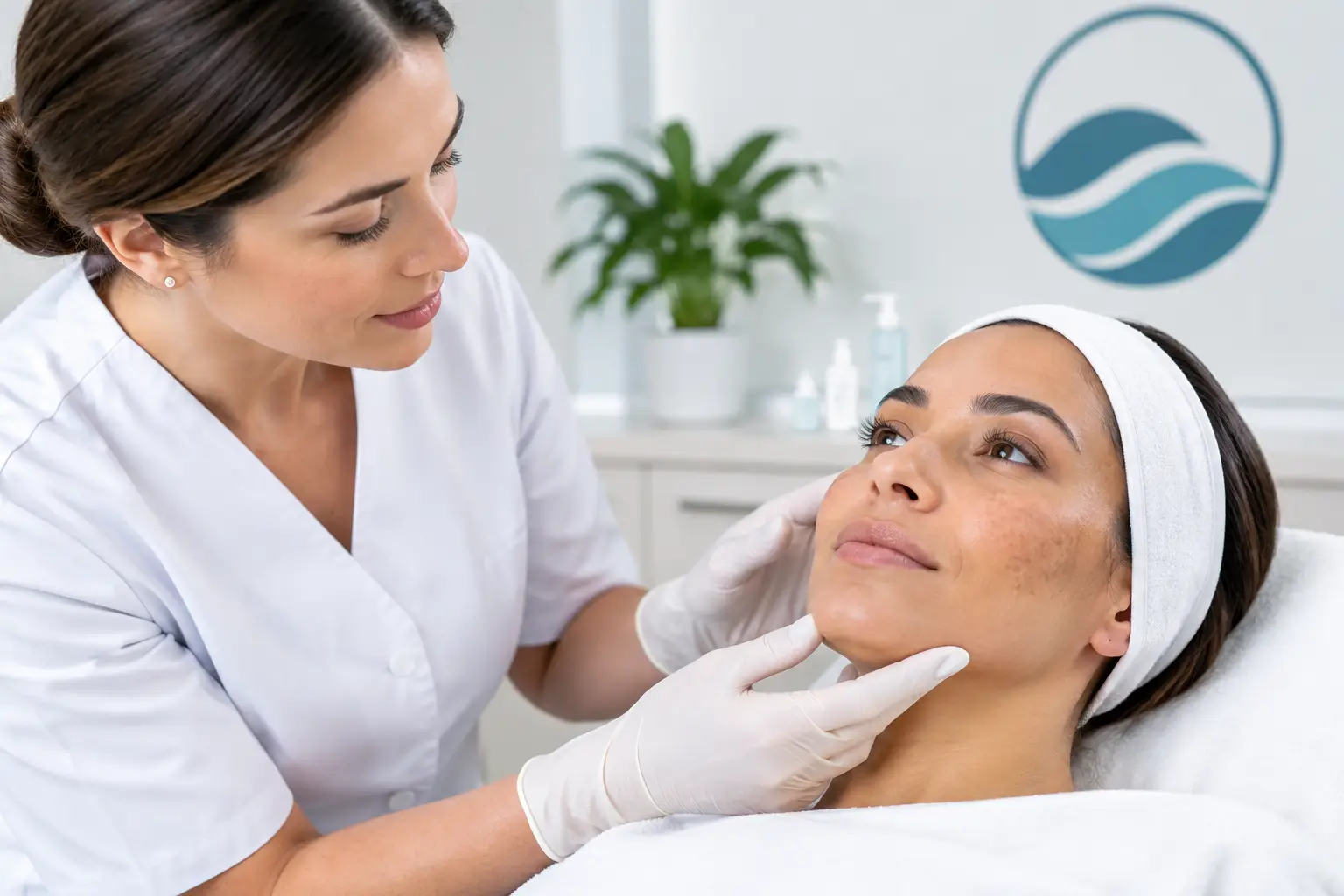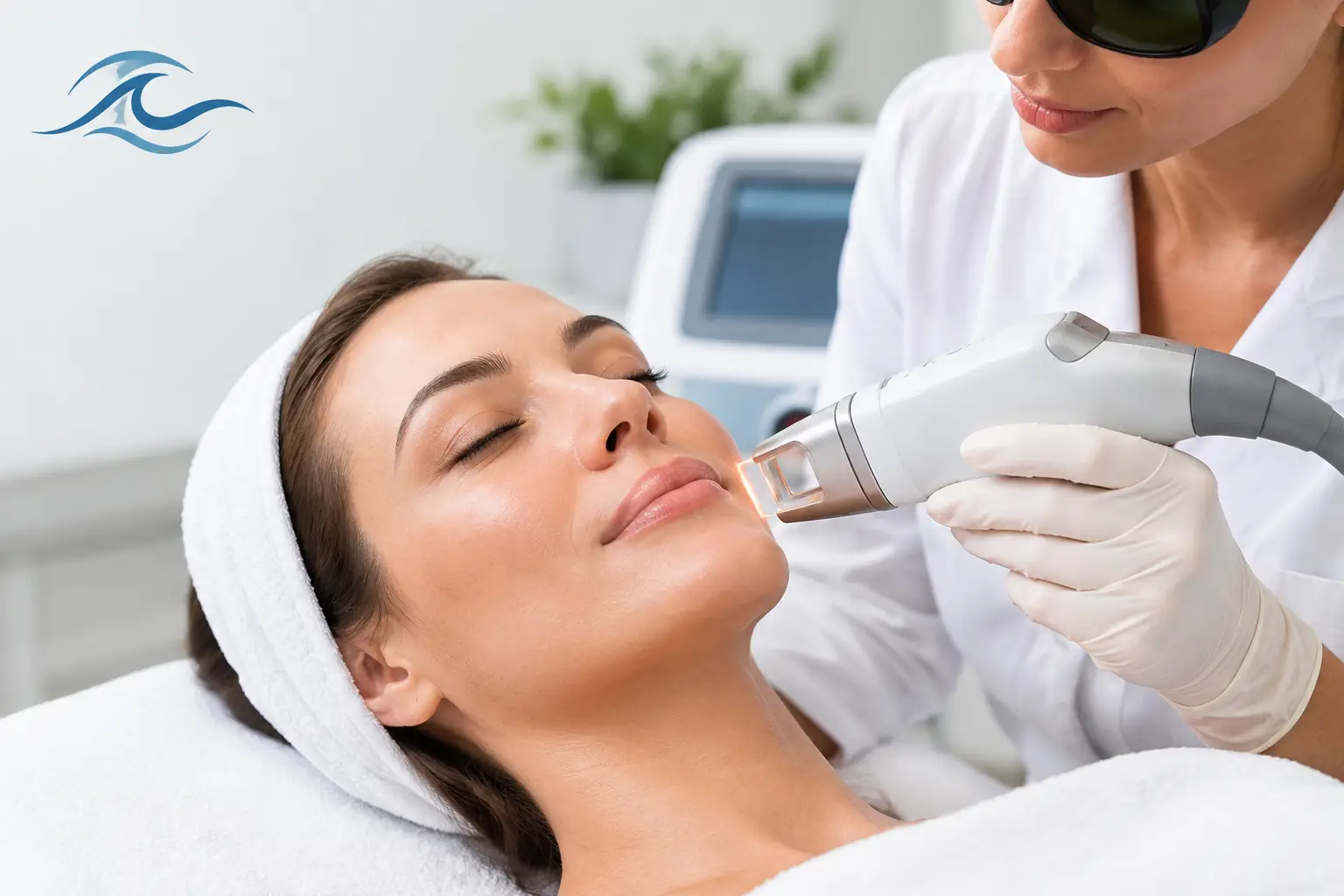
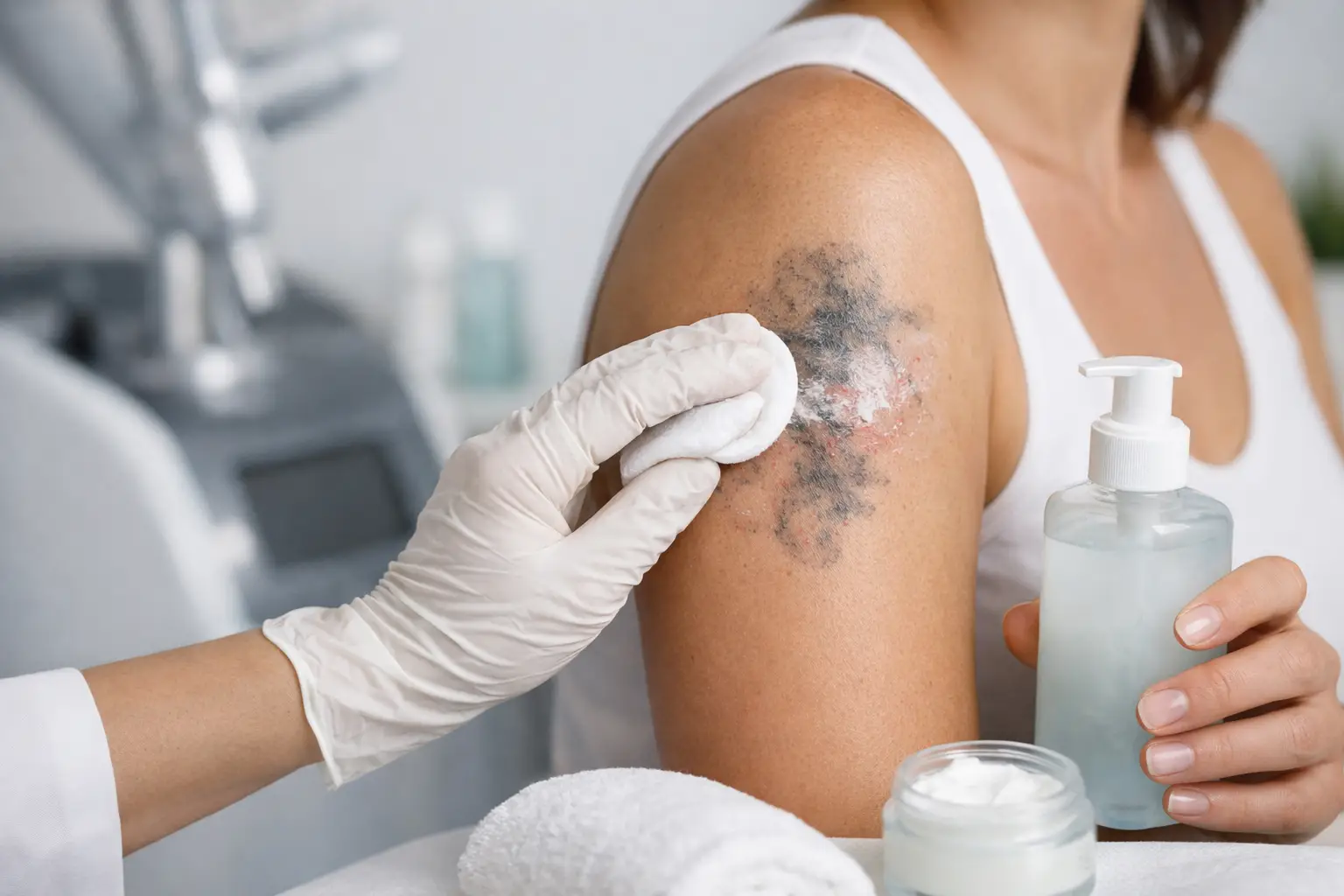
That first day after laser treatment can catch people off guard. Even when the session itself goes smoothly, the skin often feels warm, tender and a little reactive afterwards. Good tattoo removal aftercare advice matters because what you do in the hours and days after treatment can affect comfort, healing and how well your skin responds between sessions.
Laser tattoo removal works by targeting ink in the skin, but your body still needs time to clear the fragmented pigment and repair the treated area. That means aftercare is not an optional extra. It is part of the treatment process. Done well, it helps reduce irritation, lowers the risk of complications and gives your skin the best chance to recover properly before your next appointment.
Why tattoo removal aftercare advice matters
After a laser session, it is normal for the area to look white or frosted for a short time, then become red, slightly swollen or sensitive. Some clients also notice pinpoint bleeding, blistering or a dry, tight feeling over the next day or two. This does not always mean something is wrong. In many cases, it is a standard skin response.
The goal of aftercare is to protect the skin while it settles. That means reducing friction, keeping the area clean, avoiding heat and sun exposure, and not interfering with blisters or scabs if they form. The temptation to over-manage the area is common, but more is not always better. Gentle, consistent care is usually the safest approach.
What to do straight after treatment
The first 24 to 48 hours tend to matter most. If your practitioner has applied a dressing, keep it on for the amount of time they recommend. Once it is removed, clean the area gently with lukewarm water and pat it dry with a clean towel. Avoid scrubbing, hot showers and heavily fragranced products.
A cool compress can help if the skin feels hot or irritated, but keep it light and clean. Do not apply ice directly onto the skin. If your clinic has recommended a specific soothing product, use that rather than guessing with random creams at home. Some products that seem harmless can actually irritate freshly treated skin.
Loose clothing is often overlooked, especially if the tattoo is on an area that rubs throughout the day. A waistband, bra strap, sock line or tight gym gear can aggravate the skin and make blistering more uncomfortable. A little extra care here can make a real difference.
How to care for the area while it heals
Healing is not identical for everyone. Your response can vary depending on the tattoo’s location, ink density, your skin type, your immune response and how aggressively the area was treated. Even so, a few principles stay fairly consistent.
Keep the area clean and dry. You do not need to smother it in product. If a recommended healing ointment has been advised, use a thin layer only. Too much moisture can soften the skin too much and slow the natural healing process.
Avoid picking, scratching or peeling anything that forms on the surface. Blisters and scabs can be unsettling, but they are part of the skin’s repair response for some clients. Interfering with them increases the risk of infection, delayed healing and unwanted textural changes.
It is also wise to avoid swimming pools, spas, saunas and long baths while the area is still open, blistered or actively healing. Submerging the skin too early can introduce bacteria and prolong irritation. Showers are generally fine, but keep them brief and avoid very hot water.
If blistering happens
Blistering can be a normal response after laser tattoo removal, particularly with darker or more heavily saturated tattoos. It often looks worse than it is. The key is not to pop the blister yourself unless your practitioner has specifically advised you how to manage it.
If a blister breaks on its own, keep the area clean, apply any clinic-recommended dressing if needed, and monitor it closely. Fresh skin underneath is vulnerable, so this is the time to be extra careful with rubbing, sweating and sun exposure.
If the area feels itchy
Itching is common as the skin heals. Try not to scratch it. A cool compress or approved aftercare product is usually a better option. If the itch is intense, persistent or comes with worsening redness and heat, check in with your clinic. Sometimes normal healing and irritation can look similar at first.
What to avoid between sessions
The best tattoo removal aftercare advice is often about what not to do. Sun exposure is one of the biggest issues. Recently treated skin is more sensitive, and tanning can increase the risk of pigmentation changes. Keep the area covered where possible, and once the skin is fully healed, use a broad-spectrum sunscreen if it will be exposed.
Heavy exercise straight after treatment can also be unhelpful, especially if it causes excess sweating or friction in the area. You do not necessarily need to stop moving altogether, but high-intensity sessions on the same day may leave the skin feeling more inflamed.
Avoid active skincare ingredients over or near the treated area until your practitioner says it is safe. Exfoliating acids, retinoids and harsh scrubs are not helpful on healing skin. If the tattoo is on an area where you normally use these products, pause them for now.
It is also worth being realistic about timing. More laser sessions, closer together, do not automatically mean faster removal. Skin needs time to recover, and your body needs time to process the disrupted ink. Rushing the schedule can work against both comfort and results.
When to ask for professional advice
Most post-treatment reactions settle with proper care, but there are times when you should not wait it out. Increasing pain, spreading redness, pus, significant swelling, fever or a strong feeling that the area is getting worse rather than better should be assessed promptly.
This is where professional support matters. Aftercare should never feel like guesswork. A qualified clinic will give you clear instructions, explain what is normal for your skin and treatment plan, and tell you when to get in touch. If you are being treated locally, having a supportive team nearby can make follow-up much easier.
Healing well supports better results
Aftercare does not remove the ink for you, but it supports the environment your skin needs to recover and respond well over time. Laser tattoo removal is a process, not a one-off event. Each session builds on the last, and healthy recovery between appointments helps keep that process on track.
This is also why personalised advice matters. A small, older black tattoo on the ankle may heal differently from a newer, colourful piece on the upper arm. Your medical history, skin sensitivity and lifestyle all play a role. Someone who works outdoors, plays sport daily or has reactive skin may need a slightly different aftercare approach from someone with a more predictable healing pattern.
At Coastal Skin Clinic, aftercare is treated as part of safe, effective treatment rather than an afterthought. That level of guidance can be especially reassuring if this is your first laser session and you are not sure what to expect from your skin afterwards.
A simple approach is often the best one
Clients sometimes assume good aftercare means buying a stack of products or constantly checking the area. Usually, the best results come from a calmer approach. Keep it clean, protect it from heat and sun, avoid friction, and let the skin heal without interference.
If you are ever unsure whether what you are seeing is normal, ask. A quick check can save a lot of stress and help you avoid doing too much or too little. The right aftercare is not complicated, but it should be specific to your treatment and your skin.
Healing well is part of getting the outcome you want. Give your skin that time, and it will usually tell you what it needs.