Not all peels are created equal. If you have ever tried an at-home exfoliating mask and wondered why the results felt short-lived, that is usually the difference between a general cosmetic product and medical grade facial peels delivered with professional assessment, controlled strength and a treatment plan built around your skin.
For many clients, a peel is not about chasing a trend. It is about treating acne, softening pigmentation, improving uneven texture, reducing congestion or helping tired skin look clearer and fresher again. When the treatment is chosen properly and performed by trained professionals, it can be a very effective way to support real skin change.
What medical grade facial peels actually do
Medical grade facial peels use active ingredients to exfoliate the outer layers of the skin in a more targeted way than standard scrubs or over-the-counter products. Depending on the formula and strength, they can encourage cell turnover, lift dull surface build-up, refine pores and help improve the look of acne marks, sun damage and fine lines.
The main benefit is precision. A professional peel is selected based on your skin condition, your goals and how reactive your skin tends to be. That matters, because the right peel can improve results while reducing the risk of unnecessary irritation.
Some peels work more lightly, giving the skin a brighter and smoother appearance with minimal downtime. Others are stronger and used as part of a corrective treatment plan. Neither option is automatically better. It depends on what your skin needs and how quickly you want to progress.
Who medical grade facial peels suit best
A peel can be a strong option for people dealing with breakouts, post-acne marks, rough texture, dullness, uneven tone and early signs of ageing. They can also be useful when the skin feels congested or no longer responds well to a basic home routine.
That said, suitability always comes first. Sensitive skin, active inflammation, certain skin conditions and some medications can affect whether a peel is appropriate or whether a gentler approach is the better starting point. This is why a proper consultation matters. Good treatment is not about putting everyone on the same protocol. It is about assessing the skin in front of you and choosing carefully.
For first-time clients, this often comes as a relief. You do not need to know which acid, percentage or treatment category is right for you before you walk in. You just need honest guidance and a plan that makes sense.
Common concerns a peel can help address
For acne-prone skin, peels can help by reducing excess build-up and supporting clearer pores. Some formulations are particularly useful for oily or congested skin, while others are chosen to calm the appearance of post-breakout marking.
For pigmentation, results can be very worthwhile, but this is also an area where professional judgment is essential. Not all pigmentation behaves the same way. Sun damage, post-inflammatory pigment and hormonally influenced pigment each need a considered approach. In some cases, a peel is ideal. In others, it may be part of a broader treatment plan rather than the whole answer.
For ageing concerns, peels can refresh the skin’s surface, soften the look of fine lines and improve overall tone. They are especially popular for clients who want visible improvement without moving straight into more intensive procedures.
Texture is another common reason people book. If the skin feels rough, uneven or tired, a well-selected peel can help create a smoother, more polished appearance over time.
What happens before your peel
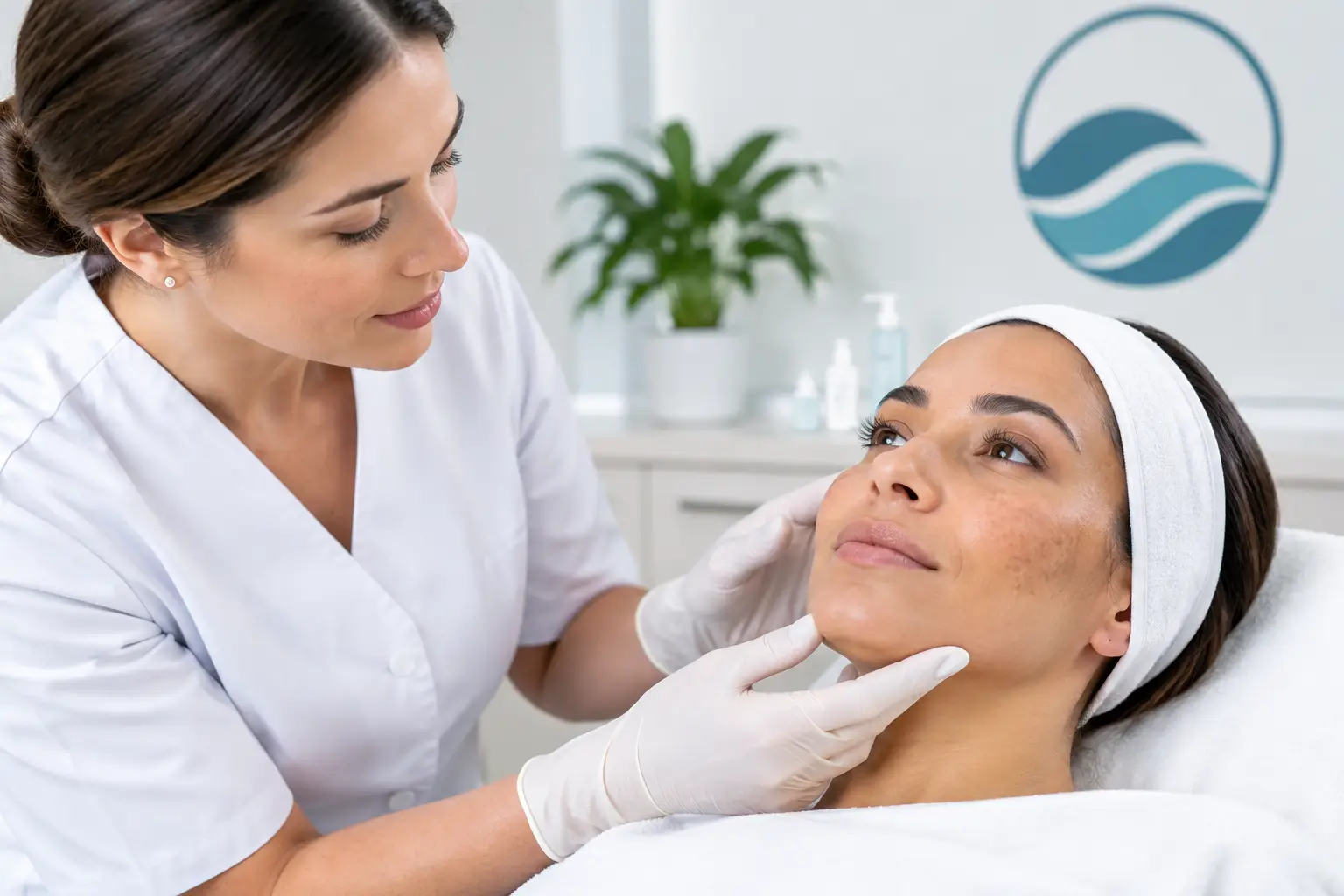
The best results usually start before the treatment itself. A professional consultation helps identify your skin type, current concerns, previous treatments and any factors that may affect safety. That can include recent sun exposure, active breakouts, impaired skin barrier function or the use of strong skincare at home.
In a clinic setting, this stage is just as important as the peel. It shapes the strength of treatment, how many sessions may be recommended and what kind of aftercare will support the best outcome. It also gives you a realistic idea of what to expect.
This is worth emphasising because peels are often misunderstood. One session can absolutely give the skin a fresher look, but more corrective concerns usually need a course of treatments. Clearer acne, more even pigment and smoother texture tend to build gradually rather than overnight.
What treatment feels like
Most clients describe a peel as comfortable to mildly active on the skin. You may notice warmth, tingling or a light prickling sensation while the solution is on. The exact feeling depends on the type of peel and your own skin sensitivity.
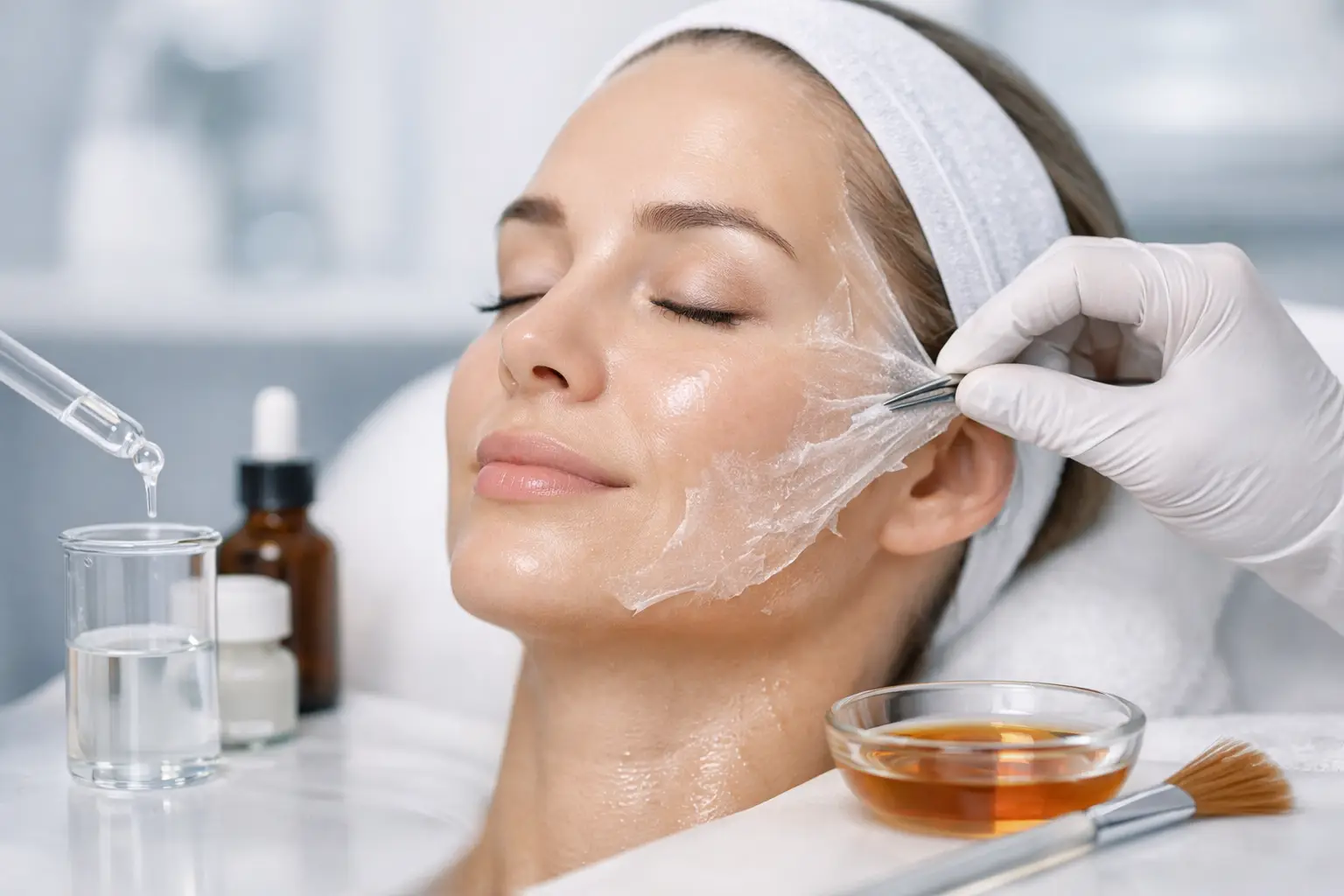
The appointment itself is usually straightforward. The skin is prepared, the peel is applied for a controlled amount of time and then neutralised or removed as needed. Professional application is important because timing, layering and skin response all affect both safety and results.
After treatment, the skin may look slightly pink or feel tighter than usual. Some peels lead to visible flaking over the following days, while others cause very little peeling at all. Despite the name, not every peel means obvious sheets of skin coming away. Sometimes the change is subtle but still effective.
Downtime and aftercare matter
One of the most common questions is how much downtime to expect. The honest answer is that it varies. A lighter peel may allow you to return to normal activities quickly, while a stronger treatment can involve several days of dryness, tightness or visible shedding.
Aftercare is not optional. Freshly treated skin is more vulnerable, so sun protection is essential. You may also need to pause active home products for a period and focus on gentle, supportive skincare while the skin settles. Picking or over-exfoliating can interfere with healing and affect results.
This is one reason many clients prefer peels in a professional clinic environment rather than experimenting on their own. The treatment is only one part of the process. The guidance around it is what helps keep the experience safe and worthwhile.
Why professional assessment makes such a difference
There is a big difference between choosing a peel because it is popular and choosing one because it is right for your skin. Professional assessment helps reduce guesswork. It also helps avoid common mistakes, like using a peel that is too aggressive for a compromised skin barrier or expecting one treatment to solve a deeper concern.
A clinic-led approach also means your treatment can be adjusted over time. Skin changes with the seasons, with stress, with hormones and with age. What suits you now may not be the best choice six months from now. Ongoing review allows your plan to evolve rather than staying fixed.
For clients in the Sunshine Coast area looking for safe, effective skin correction, that personalised guidance can be the difference between skin that feels repeatedly irritated and skin that is genuinely improving.
Are medical grade facial peels worth it?
For the right person, yes. Medical grade facial peels can deliver visible improvements in clarity, brightness and texture, and they can play an important role in more corrective skin programs. They are especially valuable when you want results that go beyond a standard facial but still want a treatment that can be tailored to your comfort level and goals.
The key is having realistic expectations. A peel is not a magic fix, and stronger is not always better. The most effective treatment plan is usually the one that respects your skin, addresses the actual concern and is delivered with consistency.
If your skin has been feeling dull, congested, uneven or difficult to manage, a professional consultation can give you a clearer understanding of whether a peel is the right next step. Sometimes the best decision is treatment straight away. Sometimes it is preparing the skin first. Both are valid when the goal is long-term skin health, not just a quick reaction.
Healthy skin rarely comes from guesswork. It comes from the right treatment, at the right time, with the right support around it.