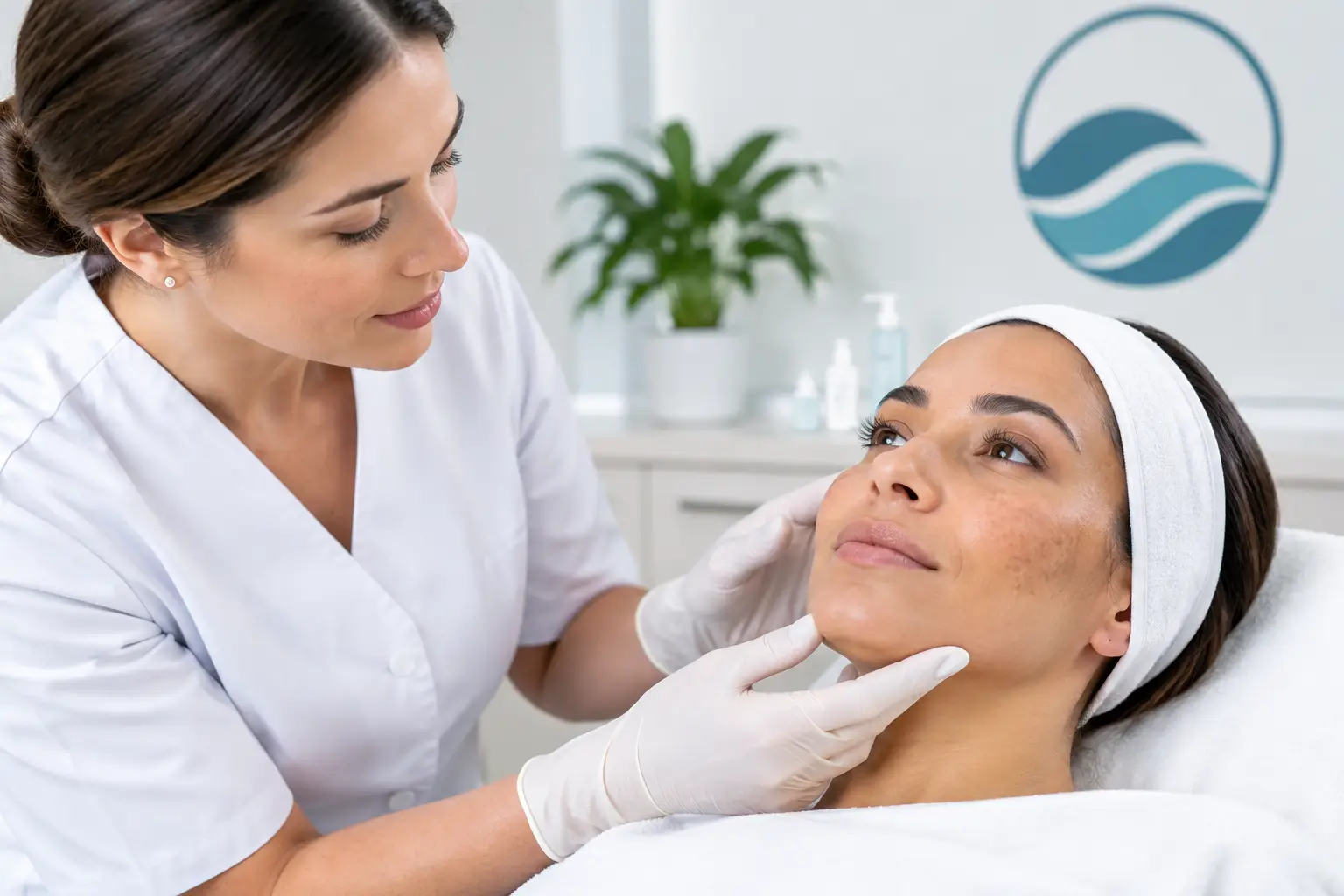
You usually notice sun damage gradually, then all at once. A few brown spots that used to be easy to cover. Skin that feels rougher than it did a year ago. Fine lines that sit differently around the eyes or mouth. If you are looking for the best treatments for sun damaged skin, the right answer depends on what kind of damage you can see, how deep it goes, and how much downtime you are comfortable with.
Sun damaged skin is rarely just one issue. It often shows up as pigmentation, uneven tone, redness, dryness, rough texture, enlarged pores and loss of firmness at the same time. That is why a personalised treatment plan usually gets better results than chasing one concern in isolation. A professional assessment can help separate what will respond well to active skincare from what may need a stronger in-clinic treatment.
What sun damage actually does to the skin
UV exposure affects both the surface and deeper layers of the skin. On the surface, it can lead to freckles, sun spots and a dull, uneven complexion. Deeper down, it breaks down collagen and elastin, which contributes to fine lines, thinning skin and a crepey look over time.
Not all pigmentation is the same, either. Some marks sit closer to the surface and respond well to exfoliating treatments. Others are triggered by heat and inflammation and need a more careful approach. Redness and visible vessels can also be part of sun damage, particularly in fair or reactive skin. This matters because treatment selection should be based on the real cause, not just what appears in the mirror.
Best treatments for sun damaged skin in clinic
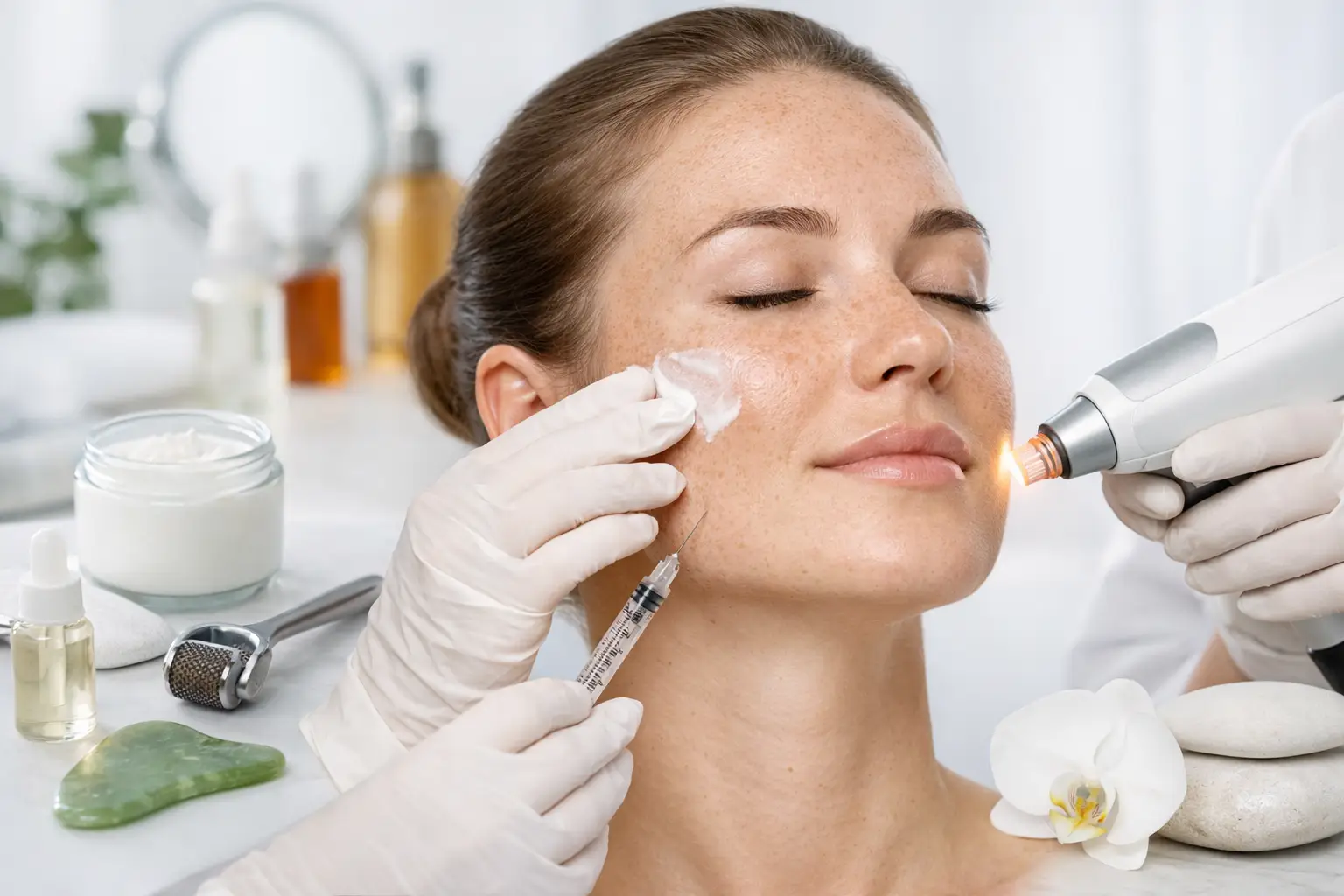
The best treatments for sun damaged skin are usually the ones matched carefully to your skin condition, lifestyle and goals. Stronger treatment is not always better. Safe, effective progress often comes from choosing the right modality at the right time.
Medical-grade chemical peels
Chemical peels work by removing damaged surface cells and encouraging fresh skin renewal. They can be a very good option for mild to moderate sun damage, especially when the main concerns are dullness, patchy pigmentation and rough texture.
A series of peels can help brighten the complexion, improve clarity and soften the look of fine lines. The strength and type of peel matter. A superficial peel may involve very little downtime, while a stronger peel can give a more noticeable result but may also involve peeling, sensitivity and a short social downtime. For many clients, peels are a sensible starting point because they can improve overall skin quality without jumping straight into more intensive treatment.
IPL for pigmentation and redness
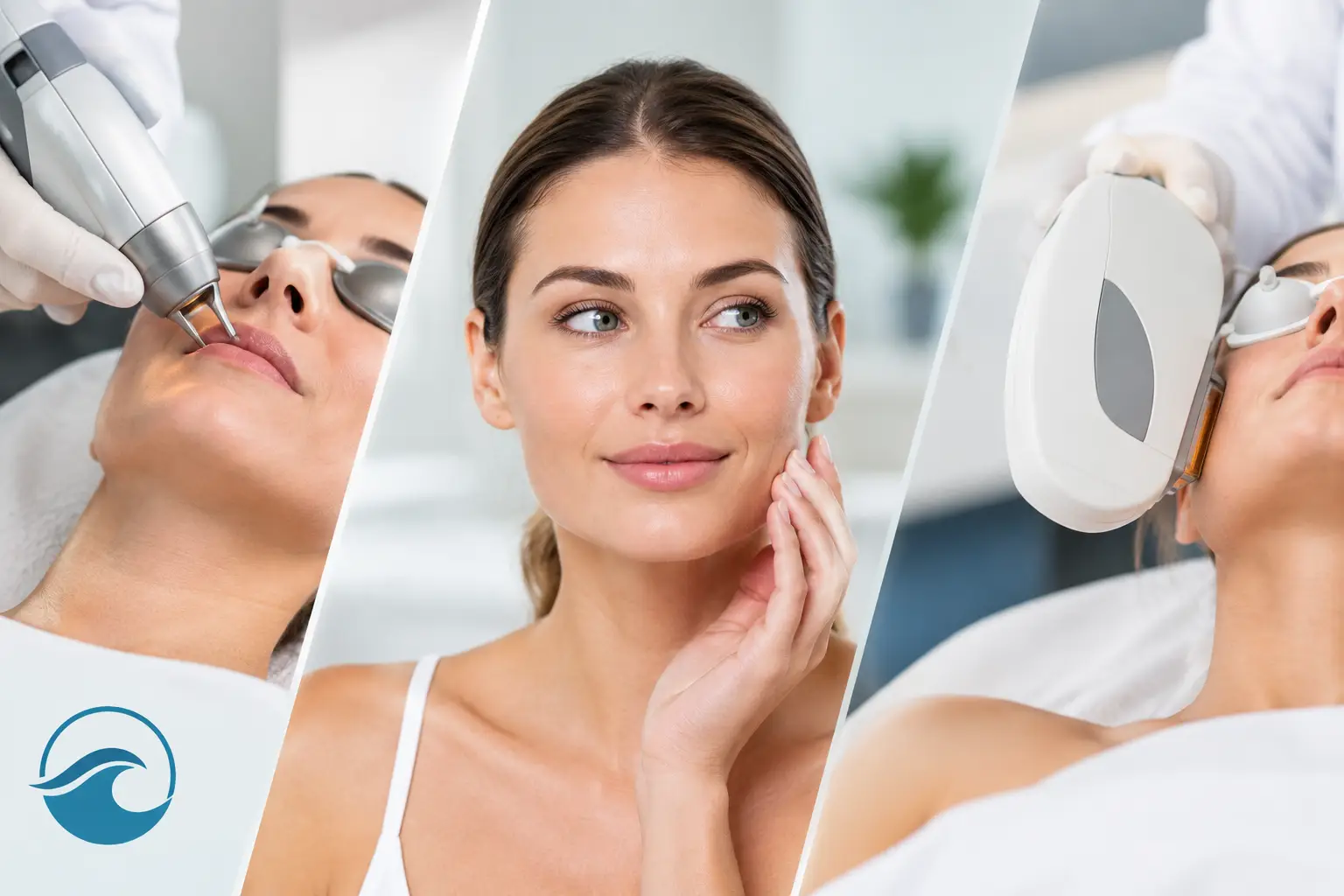
IPL, or intense pulsed light, is commonly used for visible sun damage such as brown spots and diffuse redness. It targets pigment and vascular concerns in a way that can noticeably improve overall skin tone.
This treatment tends to suit clients who want clearer, more even-looking skin and who are prepared for a short course of sessions. After treatment, pigmented spots often darken before they flake away, which is a normal part of the process. IPL can be highly effective, but it is not ideal for every skin type or every pigment condition. That is why a proper consultation is important before treatment begins.
Laser skin rejuvenation
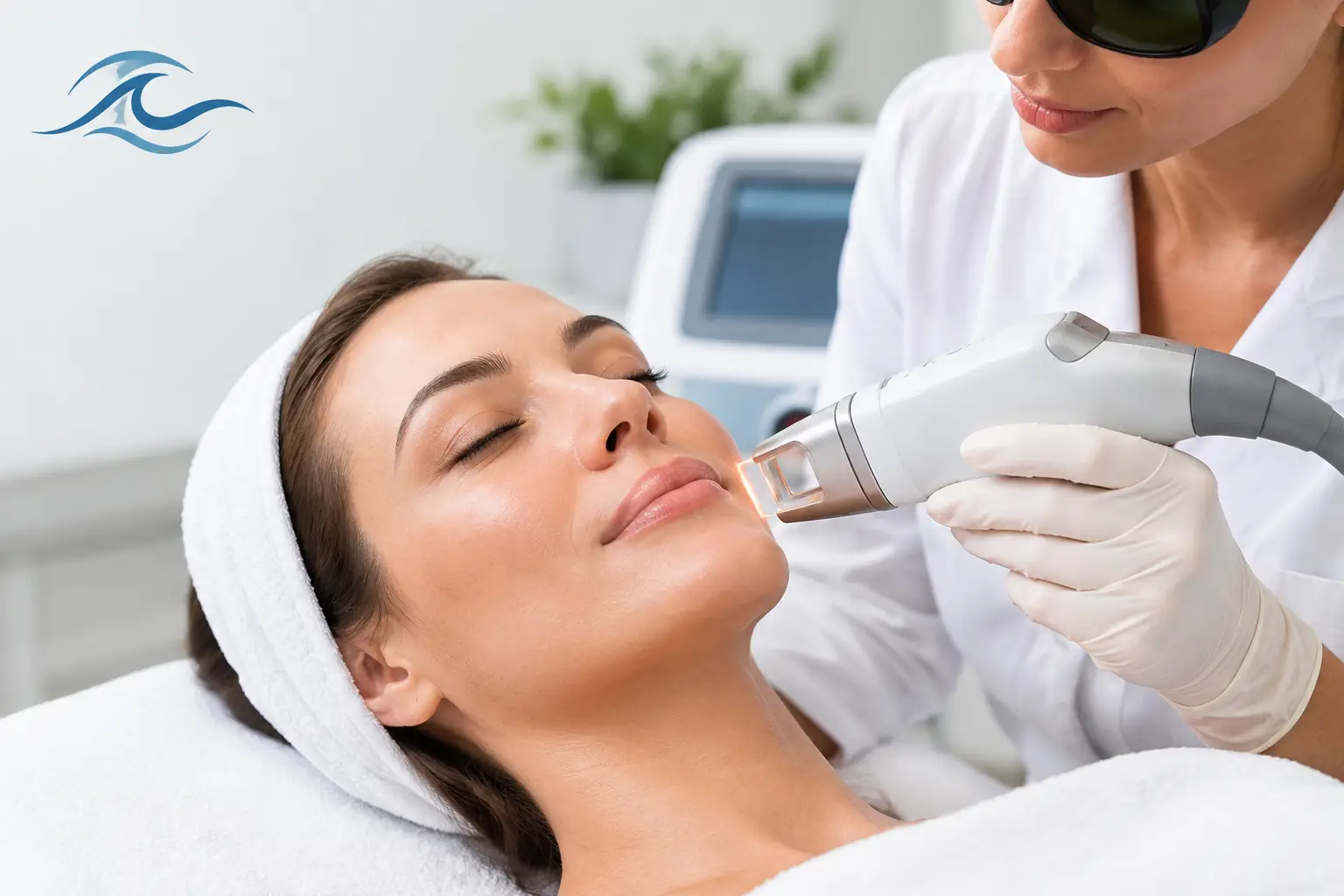
Laser treatments are often chosen when sun damage is more established or when texture and collagen loss are part of the concern. Depending on the technology used, laser rejuvenation can help with pigmentation, roughness, fine lines and overall skin quality.
For some clients, this is where they see the biggest change. Laser can stimulate collagen remodelling and refine the skin in a way that topical skincare cannot. The trade-off is that recovery can be more involved than with lighter treatments. Redness, dryness and a few days of healing are common, and some laser treatments require stricter aftercare. For the right person, though, the result can be well worth it.
CO2 laser resurfacing
When sun damage includes more advanced textural change, deeper lines or significant photoageing, CO2 laser resurfacing can be one of the most effective options available. It works by creating controlled injury in the skin to trigger stronger repair and renewal.
This is not a lunchtime treatment. It generally involves more downtime and more commitment to aftercare, but it can deliver significant improvement in skin texture, wrinkles and visible signs of long-term sun exposure. It is best suited to clients who want a more corrective result and understand that stronger treatments require a careful, clinician-led approach.
Microdermabrasion and supportive skin treatments
For lighter sun damage or maintenance between stronger treatments, microdermabrasion and professional facials can support smoother texture and brighter skin. These treatments are not designed to correct deeper damage on their own, but they can help maintain results and improve how the skin looks and feels.
This is where expectations matter. If your concern is a few dry patches and mild dullness, gentler treatments may be enough. If your concern is long-standing pigmentation, leathery texture or deeper lines, they are better used as part of a broader plan rather than a complete solution.
The role of skincare at home
Even the best in-clinic treatment plan will struggle without good daily skin protection. Ongoing UV exposure keeps triggering damage, which means new pigmentation, more collagen breakdown and slower healing.
At-home care does not need to be complicated, but it does need to be consistent. Daily broad-spectrum sunscreen is non-negotiable if you want to protect your investment in treatment. Beyond that, active ingredients such as vitamin C, retinoids, niacinamide and carefully chosen exfoliating acids can support clearer, smoother skin. The best routine depends on your skin sensitivity and the treatments you are having.
It is worth saying clearly that skincare has limits. Quality products can improve mild sun damage and help maintain professional results, but they will not produce the same level of change as laser, IPL or resurfacing when damage is more advanced.
How to choose the right treatment
The best treatments for sun damaged skin are not chosen by trend. They are chosen by skin type, concern and tolerance for downtime.
If pigmentation is your main issue, a peel or IPL may be enough. If your skin looks rough, lined and tired, laser rejuvenation or CO2 resurfacing may be more appropriate. If you have reactive skin, melasma, or a history of post-inflammatory pigmentation, treatment needs to be selected more cautiously. Pushing too hard, too fast can make some concerns worse rather than better.
This is also where professional guidance becomes valuable. A treatment that worked beautifully for a friend may not be right for your skin. Safe care starts with understanding what you are treating, how your skin heals and what result is realistic.
What results can you realistically expect?
Most clients see the best improvement through a staged approach rather than a single session. You might begin with barrier repair and skin preparation, move into pigment-focused treatment, then follow with collagen-supporting procedures and maintenance. That can sound slower, but it is often the smartest way to achieve visible, lasting improvement without compromising skin health.
Results also depend on how long the damage has been there. Fresh, superficial sun damage usually responds faster than years of accumulated exposure. Some pigmentation can clear well. Some textural changes can be significantly improved but not erased completely. Honest treatment planning matters because realistic expectations tend to lead to happier outcomes.
When to seek professional advice
If your skin has changed noticeably, if pigmentation is spreading, or if you are unsure whether a spot is simple sun damage, it is worth having it assessed before starting cosmetic treatment. Skin health should always come first.
For cosmetic concerns, a consultation gives you clarity on what is possible and what is likely to be the most efficient option. At Coastal Skin Clinic, treatment plans are tailored to the person, not pulled from a standard menu. That means considering your skin condition, your schedule, your comfort level and the kind of result you actually want.
Sun damage can be frustrating because it tends to build quietly over time, but it is also one of the most treatable skin concerns when you choose the right approach. The first step is not finding the most aggressive treatment. It is finding the one your skin will respond to safely and well.