
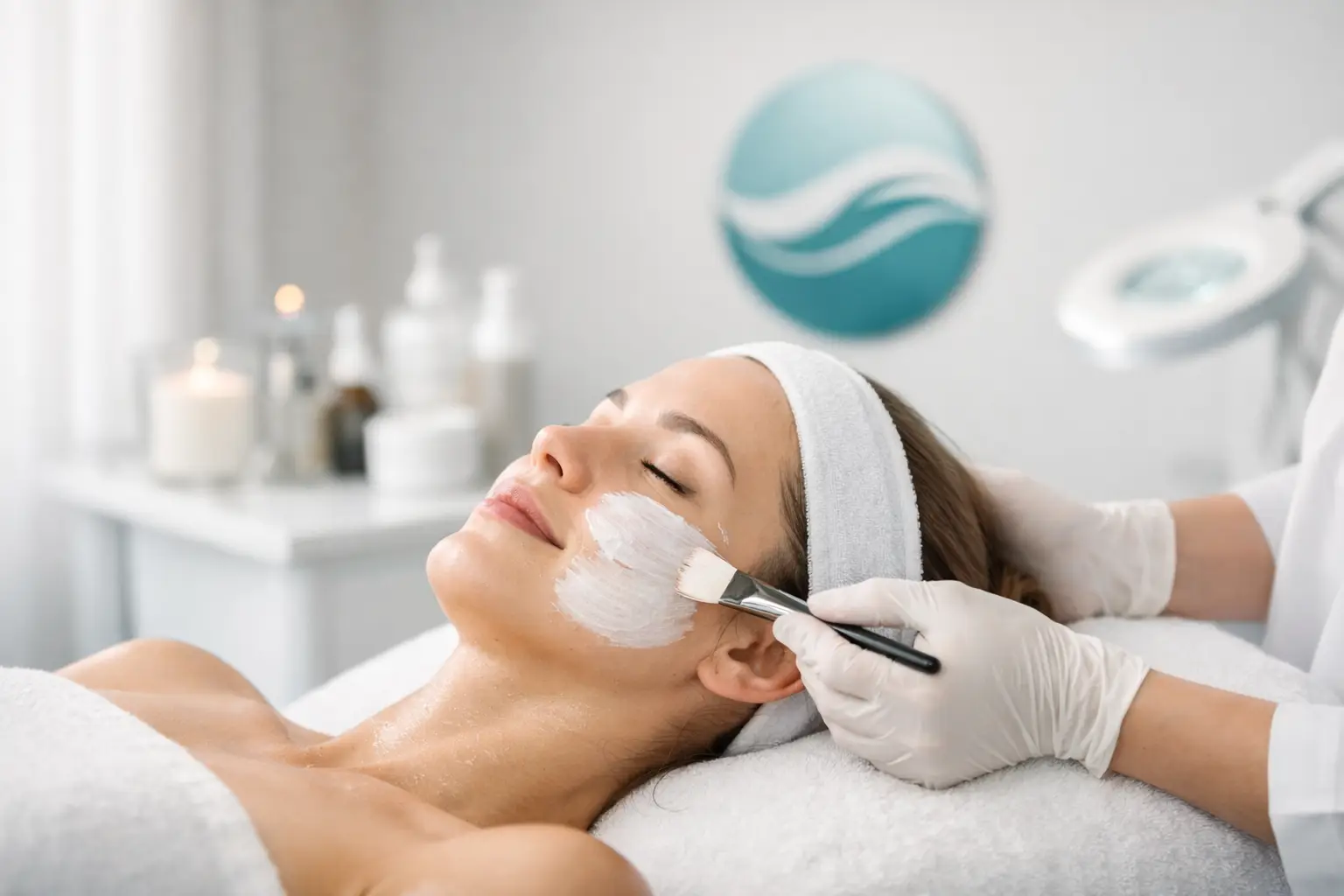
Skin rarely stays the same for long. Weather, stress, hormones, age, work, exercise, and even the products you use at home can all shift how your skin behaves from one month to the next. That is exactly why understanding how facials support skin maintenance matters. A good facial is not simply a relaxing extra. It can be a practical part of keeping skin clear, balanced, hydrated and better prepared for the treatments and skincare you rely on over time.
For many people, skin maintenance sits in the middle ground between doing nothing and chasing a dramatic treatment result. You may not need a corrective procedure every few weeks, but your skin still benefits from regular professional attention. Facials help bridge that gap by giving your skin a reset, while also giving your practitioner the chance to monitor changes and adjust your care as needed.
How facials support skin maintenance over time
Healthy skin maintenance is about consistency, not quick fixes. A facial supports that process by addressing the everyday build-up and imbalance that can gradually affect how your skin looks and feels. Oil, dead skin cells, environmental debris and dehydration do not always create a major problem overnight, but they can slowly contribute to congestion, dullness, rough texture and uneven tone.
Professional facials work on these smaller issues before they become more stubborn. That can mean a deeper cleanse than you are likely to achieve at home, gentle exfoliation suited to your skin type, and targeted hydration where your skin needs support. When done regularly, these treatments can help maintain the results of your home routine rather than replacing it.
This is one of the biggest misunderstandings around facials. They are often seen as occasional treats, when in reality their value is usually highest as part of an ongoing plan. Much like dental cleans or hair trims, the benefit often comes from staying on top of things rather than waiting until there is a noticeable issue.
They clean beyond what home care can do
Even with a solid skincare routine, there are limits to what at-home cleansing and exfoliation can achieve safely. Cleansers remove surface residue, and active products can support cell turnover, but professional facials allow for a more thorough approach under trained supervision.
That matters particularly if your skin is prone to blackheads, congestion around the nose and chin, or a rough, tired-looking surface. A facial can remove build-up more effectively while reducing the risk of over-scrubbing or using the wrong products. For some clients, this also means fewer random product experiments at home, which can be a relief if your skin tends to react easily.
It is worth saying that not every facial should be aggressive. Over-exfoliation can leave skin irritated, sensitive and more reactive. A professionally delivered treatment should be tailored to what your skin can tolerate, not pushed to the point where it feels stripped.
Hydration is not just about dry skin
One of the quieter ways facials support skin maintenance is by improving hydration. Many people assume hydration matters only if they have obviously dry skin, but dehydrated skin can affect almost anyone. Skin can be oily and still lack water. It can be breakout-prone and dehydrated at the same time. It can also become more uncomfortable, dull or reactive when its barrier is under strain.
A well-chosen facial can help restore moisture balance and support the skin barrier. This can improve softness, calmness and overall skin comfort, but it also helps your skin function better day to day. Skin that is properly hydrated often responds more predictably to active products and is less likely to feel tight, flaky or unsettled.
For clients using stronger skincare or having advanced treatments at intervals, hydration-focused facials can play a useful maintenance role between corrective appointments. They help keep the skin in a better condition overall, which can make future treatments more manageable.
Professional assessment is part of the benefit
A facial is not only about what happens on the treatment bed. It also creates an opportunity for regular skin review. This is one of the most valuable and often overlooked parts of maintenance care.
Your skin changes with age, season, medication, stress levels and lifestyle habits. Products that suited you six months ago may no longer be ideal. A trained practitioner can pick up early signs of sensitivity, congestion, dehydration or uneven texture and guide you before those issues worsen.
That personalised advice is often what separates professional care from a generic beauty approach. If your skin is producing more oil than usual, reacting to active ingredients, or looking dull despite your routine, the answer is not always to add more products. Sometimes it is about simplifying, adjusting frequency, or choosing the right in-clinic treatment at the right time.
Facials can support other skin treatments
For clients already investing in skin rejuvenation, peels, microdermabrasion or cosmetic skin services, facials can help maintain momentum between more targeted treatments. They are not a substitute for every corrective concern, but they can support the skin in a practical way.
For example, if your focus is on brightness, texture or healthy skin function, a maintenance facial may help keep your skin clearer and more balanced between treatment milestones. If your concern is ageing, facials can help maintain hydration and surface smoothness, even though they will not replace collagen-focused procedures where deeper change is needed.
This is where expectations matter. A facial can absolutely improve the look and feel of skin, but results depend on the concern being treated. Surface dryness, dullness and mild congestion often respond well. Deeper pigment, scarring or more advanced ageing may need a different treatment plan. Honest guidance matters here, because maintenance is most effective when it sits inside a realistic strategy.
The right frequency depends on your skin
There is no single facial schedule that suits everyone. Some people benefit from monthly appointments, while others may maintain their skin well with treatments every six to eight weeks. It depends on your skin type, goals, budget, lifestyle and whether you are combining facials with other services.
If your skin is generally stable and you follow a consistent home routine, less frequent facials may still be enough to keep things on track. If you deal with persistent congestion, seasonal dehydration or frequent changes in skin condition, regular professional maintenance can be more useful.
This is where personalised planning becomes important. A recommendation should reflect your skin, not a standard booking pattern. At Coastal Skin Clinic, that treatment-led approach helps clients avoid both under-treating and overdoing it.
Not all facials are equal
The word facial can mean very different things depending on who is providing it and what your skin actually needs. Some are relaxation-based, which can still be worthwhile, while others are more results-focused and tailored around skin health.
If your goal is maintenance, look for facials that are built around proper skin assessment, appropriate exfoliation, quality professional products and a clear reason for each step. A one-size-fits-all treatment may feel pleasant, but it is less likely to deliver consistent skin benefits over time.
This is especially important if you have sensitive skin, acne-prone skin, rosacea tendencies or a history of reacting to products. In those cases, a personalised treatment is not a luxury. It is the safer and more effective option.
What facials can and cannot do
Facials support skin maintenance best when they are viewed realistically. They can improve cleanliness, hydration, comfort, brightness and overall skin condition. They can help keep pores clearer, support a healthier barrier and give your practitioner the chance to adapt care as your skin changes.
What they cannot do is permanently solve every concern in one session. They will not erase deep scarring, replace advanced skin rejuvenation where that is needed, or compensate for inconsistent home care. If your routine at home is harsh, minimal or unsuitable, a monthly facial can only do so much.
That is why the strongest results usually come from a combination of professional treatments and sensible daily skincare. The facial supports the maintenance plan. It does not carry the whole plan on its own.
Why consistency usually beats intensity
Many clients are tempted to wait until their skin feels rough, looks tired or starts breaking out before booking a facial. The trouble with that approach is that maintenance becomes reactive instead of steady. By the time the skin is clearly struggling, it often needs more correction than it would have with regular upkeep.
Consistent facials tend to be gentler, more targeted and easier for the skin to handle than occasional intensive treatments. They help preserve balance rather than forcing a reset every time. For busy people who want their skin to stay healthy, comfortable and presentable without constant guesswork, that regularity can make a real difference.
Good skin maintenance is rarely about doing the most. It is about doing the right things at the right time, with advice you can trust. A facial, when chosen well and performed professionally, can be a simple but worthwhile part of that routine – not because it is indulgent, but because your skin responds best when it is cared for consistently.