If your skin has started looking dull, uneven or tired, the good news is you do not always need surgery to see a real change. The best non surgical skin treatments can improve texture, tone, firmness and overall skin quality with far less downtime than invasive procedures. The key is choosing the right treatment for your skin concern, your comfort level and the result you actually want.
For some people, that means softening pigmentation after years in the Queensland sun. For others, it is acne scarring, fine lines, enlarged pores or a general loss of freshness. What works beautifully for one person may be the wrong fit for another, which is why professional guidance matters as much as the treatment itself.
What makes a skin treatment the right choice?
The best treatment is not always the newest one or the most intensive one. It is the option that matches your skin condition, your skin type, your available downtime and your long-term goals. A treatment that stimulates collagen can be excellent for acne scarring and early ageing, but may not be the first step for someone with active irritation or a compromised skin barrier.
That is where a personalised plan becomes valuable. In clinic, we often find that clients come in asking for one treatment by name, but after a proper consultation, a different option makes more sense. Safe. Effective. And tailored to what your skin actually needs.
Best non surgical skin treatments for common concerns
1. Medical-grade skin peels
A professional peel is one of the most versatile ways to refresh the skin. Depending on the formulation and strength, peels can target congestion, uneven pigment, post-acne marks, rough texture and early signs of ageing.
This treatment works by encouraging controlled exfoliation and renewal. The result can be brighter skin, smoother texture and a clearer-looking complexion. Some peels involve only mild flaking, while others create more visible peeling over several days. That is why the right strength matters.
Peels are often a strong choice for clients who want a noticeable improvement without jumping straight into more intensive resurfacing. They also work well as part of a series.
2. Microdermabrasion
Microdermabrasion remains popular for a reason. It is a gentler option that exfoliates the surface of the skin and can leave it looking smoother and more radiant. It is often suited to dullness, mild congestion and rough skin texture.
It will not deliver the same depth of result as laser resurfacing or a stronger peel, so expectations need to be realistic. But for clients wanting a maintenance treatment or a freshen-up before an event, it can be a very good fit.
3. Laser skin rejuvenation
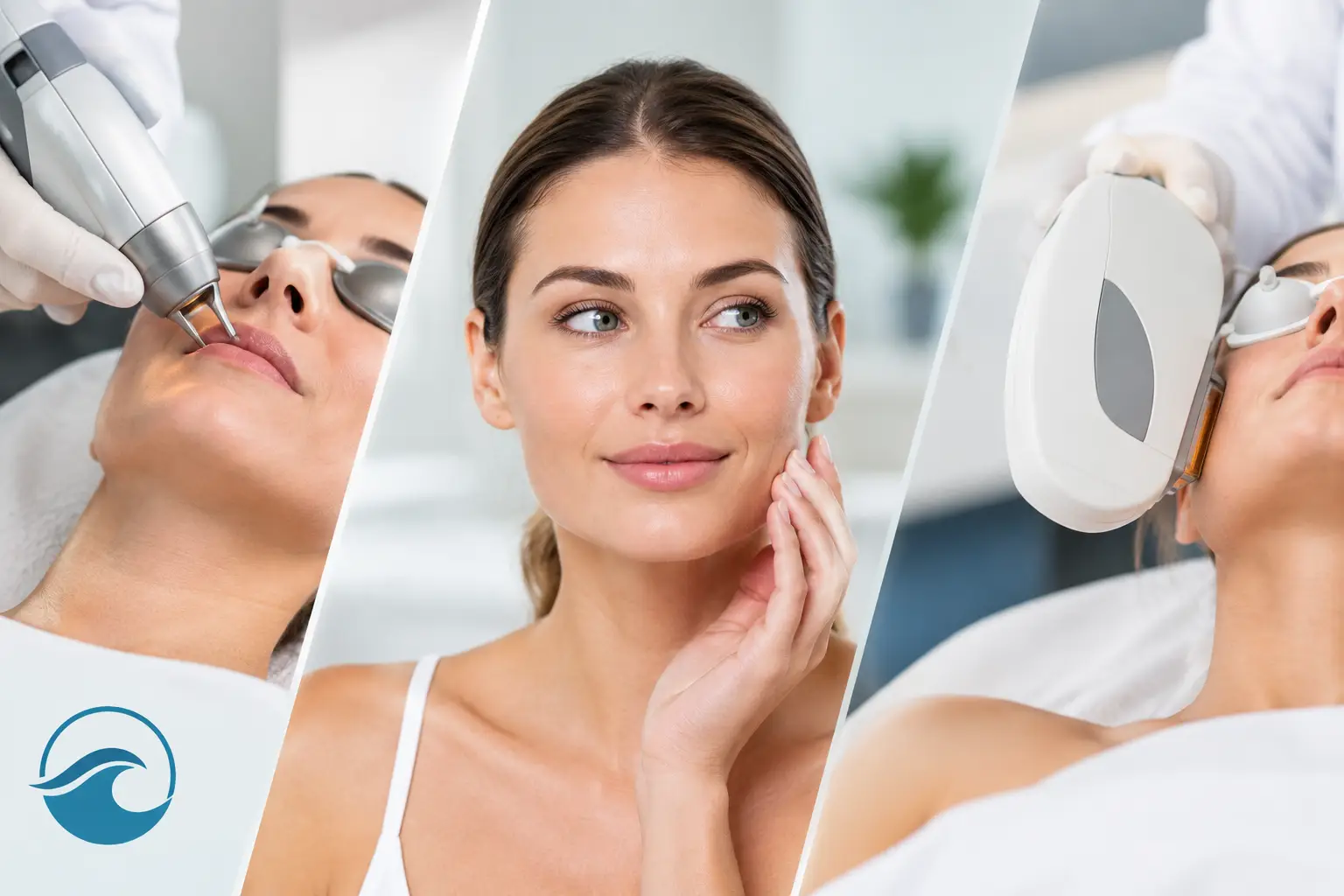
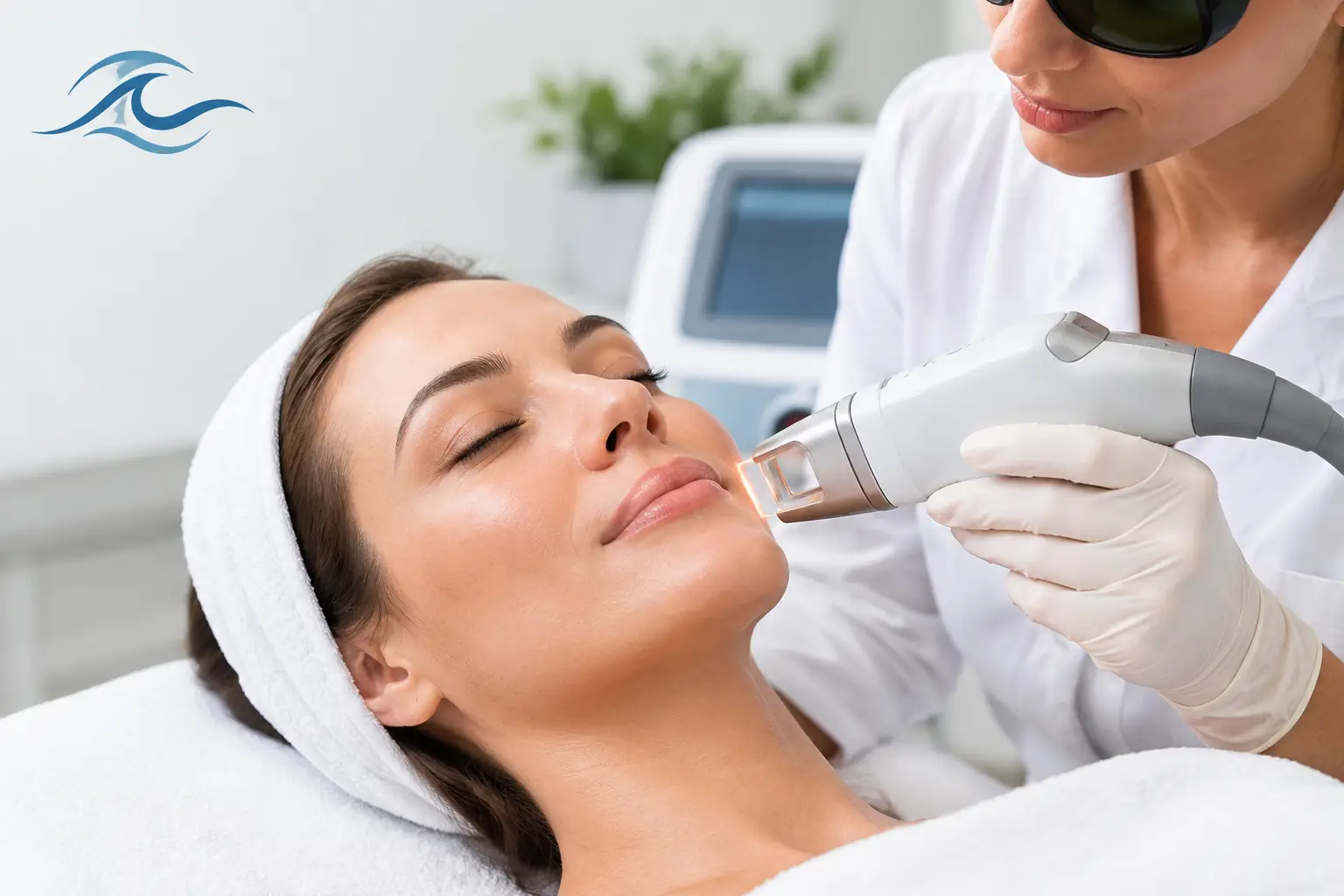
Laser rejuvenation is one of the best non surgical skin treatments when you want to target texture, fine lines, pigmentation and overall skin quality more seriously. Different laser technologies work in different ways, but many stimulate collagen and encourage skin renewal beneath the surface.
This category can range from lighter rejuvenation treatments through to stronger resurfacing options. It is particularly valuable for clients with sun damage, uneven tone or skin that has lost firmness over time. Downtime varies depending on the laser used, which is why a consultation is essential before deciding.
4. CO2 laser resurfacing
For deeper textural concerns, CO2 laser resurfacing can be a standout option. It is often chosen for acne scarring, more advanced sun damage, fine lines and crepey skin texture. This treatment works by creating controlled injury in the skin, prompting a significant repair response and collagen remodelling.
The trade-off is downtime. Redness, peeling and recovery are more involved than with lighter treatments, so it is not a casual lunchtime option. But for the right person, the improvement can be substantial.
This is the sort of treatment where experience, proper assessment and aftercare support make a real difference. Results can be excellent, but only when the treatment is matched carefully to the skin.
5. IPL for pigment and redness
IPL, or intense pulsed light, is commonly used for visible sun damage, redness and uneven pigmentation. It can be especially helpful for clients dealing with brown spots, diffuse redness or skin that looks blotchy rather than clear and even.
IPL is not the same as laser, although people often group them together. It uses broad-spectrum light to target pigment and vascular concerns. It can be an effective option for improving overall clarity, especially on skin that has had a lot of sun exposure.
Not every skin type is suitable for IPL, and timing matters as well. Fresh tan, recent sun exposure and certain skin conditions can affect whether it is the right option.
6. Cosmetic injectables for softening lines
When people talk about skin treatments, they often focus only on resurfacing. But cosmetic injectables can also be part of the conversation, especially if expression lines or volume loss are making the face look tired or tense.
These treatments do not improve skin texture in the same way a laser or peel does, but they can soften lines, support facial balance and create a fresher appearance without surgery. The best result is usually subtle. You still want to look like yourself, just more rested.
Injectables are not the answer to every concern, and they work best when used thoughtfully rather than as a one-size-fits-all fix.
7. Clinical facials
A professional facial can do more than feel relaxing. The right clinical facial can support hydration, calm stressed skin, improve circulation and maintain results between corrective treatments. For clients new to aesthetic treatments, facials can also be a comfortable place to start.
That said, a facial is generally more supportive than transformative. If your main concerns are acne scarring, deep pigmentation or more advanced ageing, you may need something more targeted. Still, as part of a broader skin plan, facials have an important role.
8. Skin needling alternatives and collagen-stimulating treatments
Collagen-focused treatments are often recommended for texture, pores and early scarring. Depending on what a clinic offers, this may include skin needling or laser-based collagen stimulation. The common goal is to encourage the skin to repair and rebuild itself.
These treatments usually require a series rather than a single session. They can be highly worthwhile, but patience matters. Skin remodelling takes time, and the best outcomes tend to come from consistency rather than chasing a quick fix.
9. Combination treatment plans
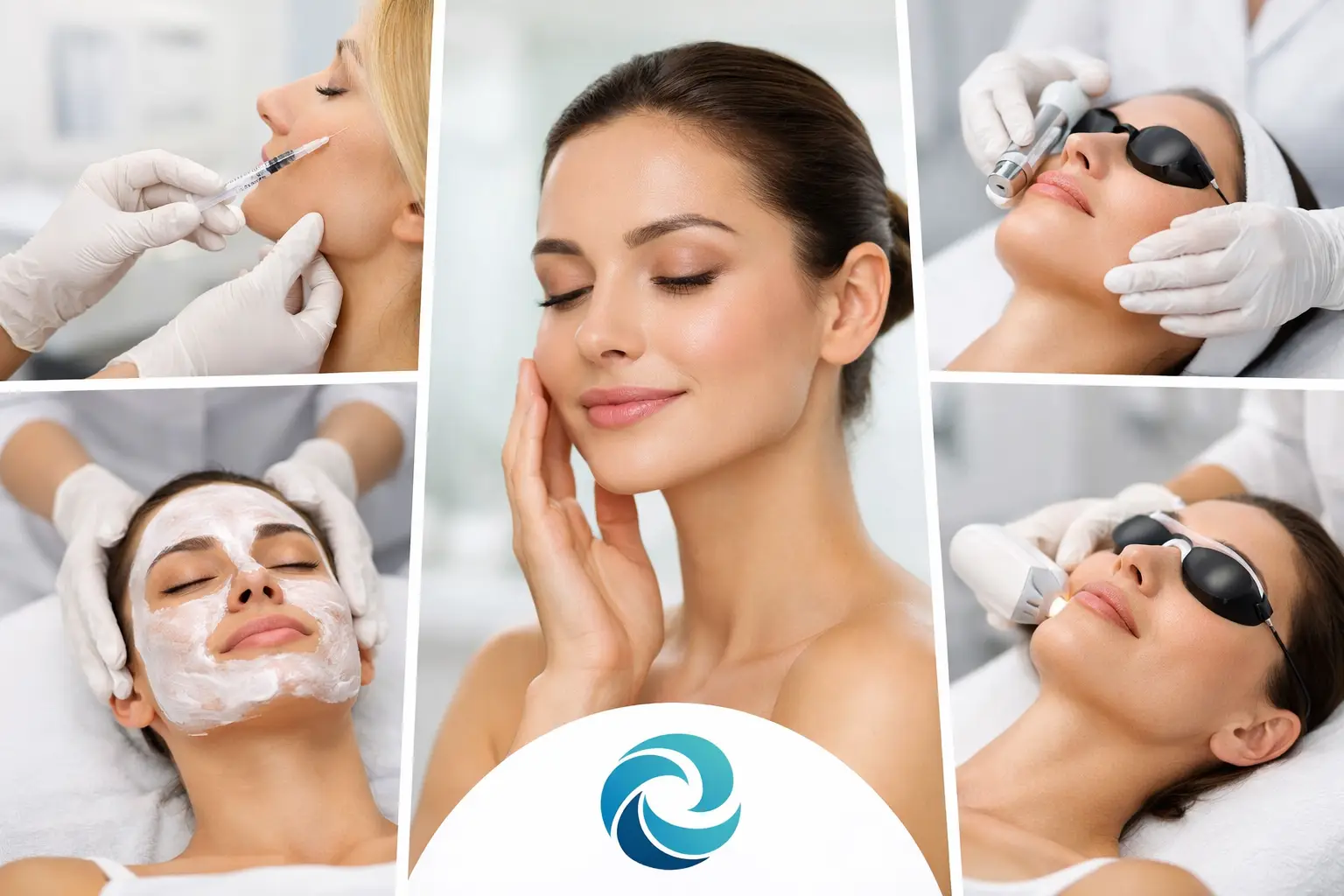
Sometimes the best non surgical skin treatments are not a single treatment at all. A personalised plan might combine peels, laser rejuvenation, facials or maintenance treatments over time. This approach can be more effective because skin concerns rarely sit in neat boxes.
A client with acne scarring may also have pigmentation. Someone wanting anti-ageing support may also struggle with sensitivity or dehydration. Combining treatments in the right order often gives a more balanced and natural-looking result.
How to choose between the best non surgical skin treatments
Start with your main concern. If texture and scarring are the issue, resurfacing or collagen stimulation may be worth discussing. If your skin is blotchy or sun-damaged, IPL or a peel may be more appropriate. If you want a simple refresh with minimal downtime, microdermabrasion or a clinical facial could be enough.
Then think about recovery time. Some clients are happy to plan for redness and peeling if it means stronger results. Others need treatments that fit around work, school pickups or events. Neither approach is wrong. It simply changes what is practical.
Budget also matters, but cheaper is not always better value. A low-cost treatment that does very little can become more expensive in the long run than a properly chosen plan that gets traction sooner. Professional advice should help you spend wisely, not push you into more than you need.
Why consultation matters more than trends
Skin treatments trend quickly, but your skin does not care what is popular on social media. It responds to careful assessment, safe settings, suitable technology and proper aftercare. That is why a consultation is often the most important step.
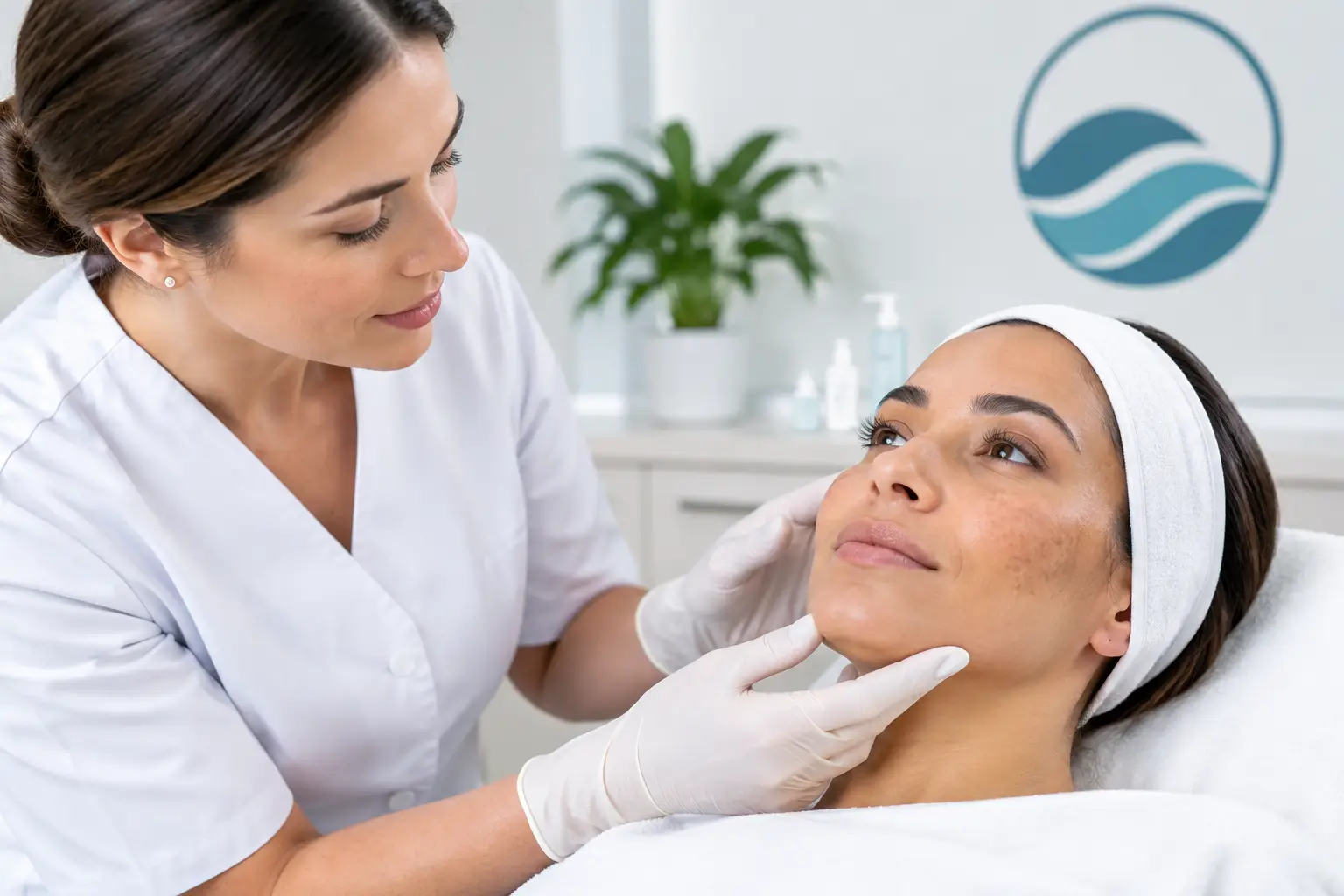
A good clinician will look at your skin history, sensitivity, lifestyle, medical factors and expectations before recommending anything. They should explain what the treatment can do, what it cannot do and how many sessions may be needed. Honest guidance builds better outcomes.
For clients on the Sunshine Coast, this is especially relevant when sun exposure is part of everyday life. Treatment timing, skin preparation and post-treatment care all matter more when UV levels are high.
What results should you realistically expect?
Most non-surgical treatments improve the skin rather than replace it. That means fresher texture, clearer tone, softer lines or smoother scarring – not perfection. The best results usually look natural, as though your skin is healthier and better supported.
Some treatments give a quick glow. Others work gradually over weeks and months as collagen rebuilds. If you are investing in professional skin care, it helps to think beyond one appointment. Real improvement often comes from a well-planned course of treatment and sensible maintenance.
If you are unsure where to start, that is completely normal. The right treatment plan should leave you feeling informed, comfortable and confident that your skin is in experienced hands.