If you are weighing up CO2 laser or skin needling, you are probably trying to solve a specific skin concern – not just book a treatment for the sake of it. Maybe it is acne scarring that makeup never quite softens, crepey texture around the eyes, sun damage, or skin that feels rough, tired and uneven. The right option depends less on what is trending and more on what your skin actually needs.
Both treatments are well-known for skin rejuvenation, but they work in different ways, suit different concerns, and come with different levels of downtime. That is why a proper consultation matters. Good results usually come from matching the treatment to the skin, not forcing the skin to fit the treatment.
CO2 laser or skin needling: what is the difference?
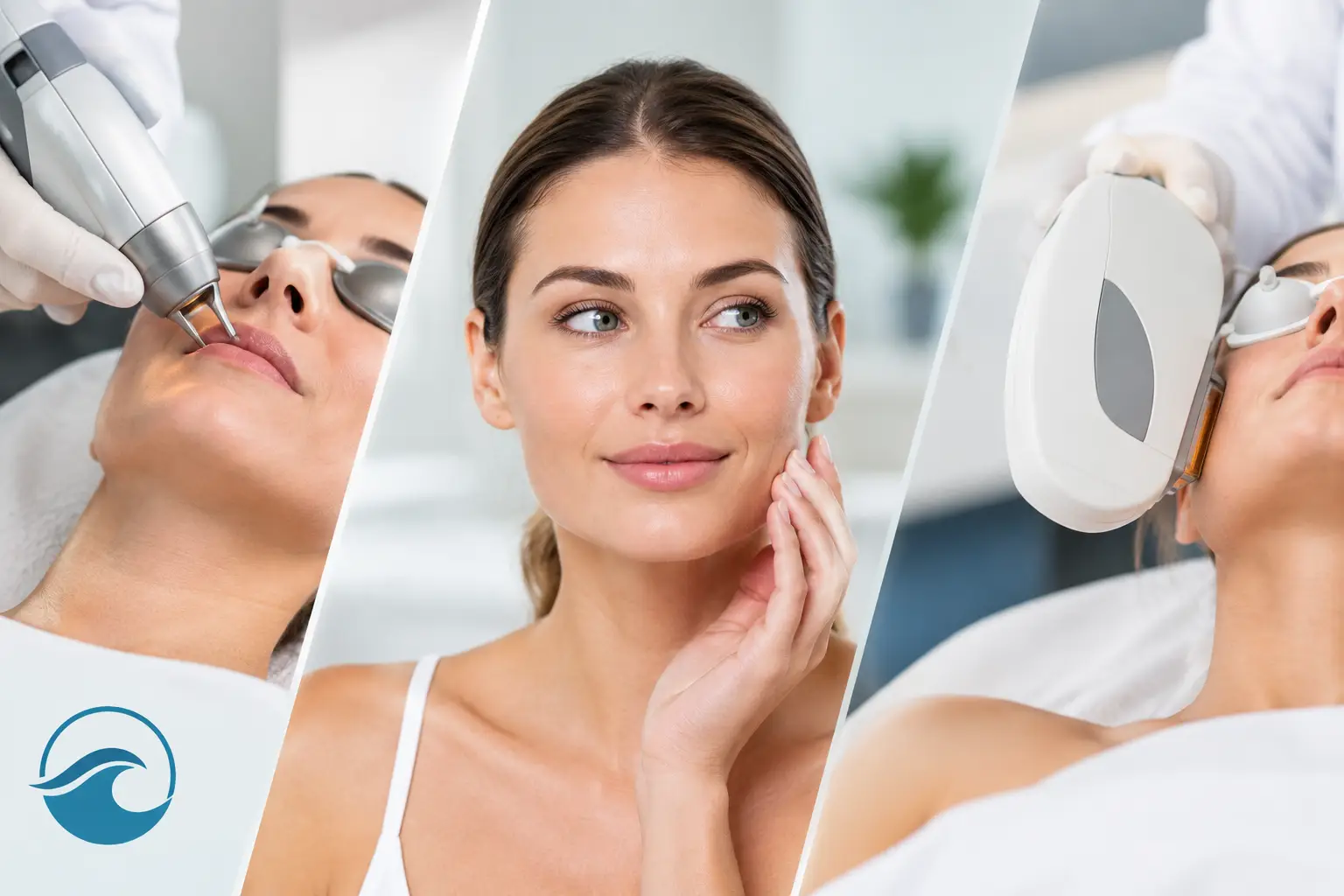
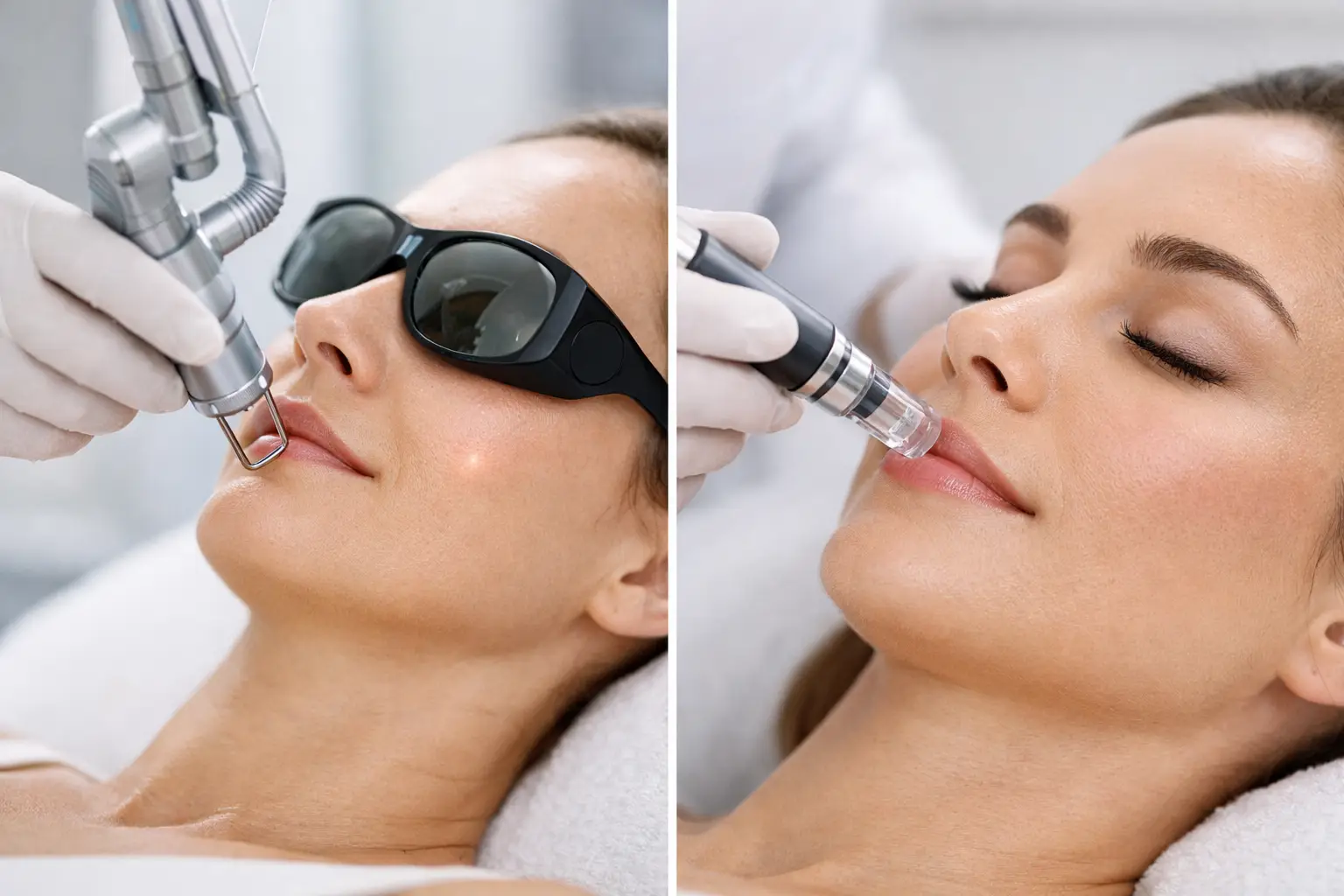
CO2 laser resurfacing uses targeted laser energy to create controlled injury in the skin. This encourages new collagen production and skin renewal while also removing damaged surface layers. Because it works both on the surface and deeper within the skin, it is often chosen for more advanced textural concerns, lines, sun damage and certain types of scarring.
Skin needling, also called microneedling, uses very fine needles to create tiny channels in the skin. These micro-injuries trigger the skin’s natural repair response and stimulate collagen and elastin. Unlike CO2 laser, skin needling does not remove layers of skin. It is generally a gentler treatment and can be a strong option for early signs of ageing, mild scarring, enlarged pores and overall skin refreshment.
In simple terms, CO2 laser is usually the more intensive resurfacing treatment, while skin needling is the more moderate collagen-stimulating treatment. Neither is automatically better. The better choice depends on the result you want, the condition being treated and how much recovery time you can realistically manage.
When CO2 laser may be the better choice
CO2 laser is often recommended when skin change is more visible and more established. If you have deeper acne scarring, moderate to significant sun damage, fine lines that are becoming etched in, or rough texture that has not responded well to lighter treatments, CO2 can deliver a stronger level of correction.
One reason clients choose CO2 is that it targets both texture and tone in a more intensive way. It can improve the appearance of damaged, ageing skin by resurfacing the outer layer while also stimulating new collagen underneath. For some people, that means more noticeable change in fewer sessions compared with gentler options.
That said, stronger treatment also means stronger downtime. Redness, peeling, sensitivity and a recovery period are all part of the process. This is not usually the treatment to squeeze in before a social weekend or a busy work event. You also need to be prepared to follow aftercare carefully, especially with sun protection, as healing skin is more vulnerable.
CO2 laser tends to suit clients who want a more dramatic improvement and are comfortable with the trade-off of extra recovery. It is often less about maintenance and more about meaningful correction.
When skin needling may be the better choice
Skin needling is often ideal for clients who want improvement with less disruption to daily life. It is commonly used for mild to moderate acne scarring, early fine lines, enlarged pores, dullness and general skin rejuvenation. It can also be appealing if you are new to advanced skin treatments and want to begin with something effective but less intensive.
Because the skin surface remains largely intact, recovery is usually easier than with CO2 laser. You may look red for a short period and the skin can feel warm or tight, but most people find the downtime much more manageable. That makes it easier to fit into a busy routine.
Another advantage is flexibility. Skin needling can be used as part of an ongoing skin plan, whether the goal is collagen support, maintenance, or gradual improvement over a series of sessions. Results tend to build over time rather than appearing all at once. For many clients, that slower and steadier approach feels more realistic.
Skin needling may also be a suitable option for people who are not ready for the level of recovery that comes with laser resurfacing. It can still produce visible improvement, particularly when concerns are mild to moderate rather than severe.
CO2 laser or skin needling for acne scars
This is one of the most common comparison points, and the answer is very much dependent on scar type and depth. Shallow acne scarring may respond well to skin needling, especially over a course of treatments. It can help improve collagen support and smooth uneven texture gradually.
For deeper, more pronounced scarring, CO2 laser may offer a stronger corrective result because it works more aggressively on resurfacing and remodelling the skin. If scarring is mixed, a tailored treatment plan may be the most sensible path rather than relying on one treatment alone.
This is why a close skin assessment matters. Acne scars are not all the same, even if they look similar in the mirror. What works beautifully for one person may underdeliver for another.
Downtime, comfort and day-to-day practicality
For many people, the real question is not just which treatment works best, but which treatment fits real life. CO2 laser usually comes with more noticeable healing time. The skin may be red, flaky, sensitive and visibly recovering for longer, depending on the treatment intensity. You need to plan for that.
Skin needling is generally easier to recover from. Redness is common, and the skin may feel a bit dry or tight afterwards, but the social downtime is often shorter. If you have work commitments, family responsibilities or simply do not want a longer recovery period, that may influence your choice as much as the skin concern itself.
Comfort levels differ too. Both treatments can involve some discomfort, but the treatment experience and after-effects are not the same. A professional consultation gives you a clearer picture of what to expect and how the treatment can be adjusted to your skin and tolerance.
Skin type, safety and suitability
Not every treatment suits every skin type in the same way. Skin history, pigmentation tendencies, current skincare, past treatments and overall skin health all need to be considered. This is one of the biggest reasons to avoid self-diagnosing from before-and-after photos online.
CO2 laser can be highly effective, but it needs careful treatment planning and appropriate aftercare. Skin needling also needs professional technique and proper hygiene to be safe and worthwhile. More treatment is not always better, and stronger is not always smarter.
At a clinic level, safe and effective treatment starts with asking the right questions before anything begins. That includes what concerns bother you most, how your skin behaves, how much downtime you can handle and what kind of result feels realistic.
If you are still unsure, start with the outcome
A helpful way to choose between CO2 laser or skin needling is to focus on the result you actually want. If your goal is stronger correction for more advanced texture, scarring or sun damage, CO2 laser may be the better fit. If your goal is collagen support, fresher skin and gradual improvement with less downtime, skin needling may make more sense.
Sometimes the best answer is not one or the other forever. It may be starting with the treatment your skin can tolerate now, then reviewing progress and adjusting the plan as needed. Good skin treatment is rarely about a one-size-fits-all answer.
For clients across the Sunshine Coast who want genuine guidance rather than guesswork, that personalised approach is often what makes the biggest difference. A warm, professional consultation should leave you feeling clearer, not more overwhelmed.
Healthy skin decisions do not have to be rushed. When you understand the trade-offs, the treatment path becomes much easier to trust.