Pigmentation rarely shows up at a convenient time. It can linger after acne has settled, appear after years in the sun, or become more noticeable with hormonal changes. If you are searching for the best ways to fade pigmentation, the first thing to know is this – not all pigmentation is the same, and the right treatment depends on what is causing it.
That matters because a product or treatment that works beautifully for one person can irritate another person’s skin or simply do very little. The safest approach is to combine good daily habits with targeted treatment, and to be realistic about timing. Pigmentation can fade well, but it usually does not disappear overnight.
What pigmentation actually is
Pigmentation is a broad term for darkened patches or spots caused by excess melanin in the skin. Common types include sun spots, post-inflammatory pigmentation left behind after breakouts or irritation, and melasma, which is often linked to hormones and heat as well as sun exposure.
These can look similar at a glance, but they behave differently. Sun spots often respond well to professional treatments and skin-correcting ingredients. Post-inflammatory pigmentation can gradually lift if the skin is kept calm and protected. Melasma is often the most stubborn, because it can be triggered again even when it seems under control.
Best ways to fade pigmentation at home
For many people, home care is where progress begins. It is also what protects the results of any in-clinic treatment.
Daily sun protection is non-negotiable
If there is one step that makes the biggest difference, it is sunscreen. Without it, pigmentation tends to deepen and return. Even the best skin treatment plan struggles if the skin is exposed to UV day after day.
Choose a broad-spectrum SPF 50+ and apply it every morning, even when the weather looks mild. In the Sunshine Coast climate, incidental sun exposure adds up quickly – driving, walking to the car, sitting near a window, or spending time outdoors on weekends. A hat and sunglasses help as well, especially if you are prone to melasma or already treating visible spots.
Use brightening ingredients consistently
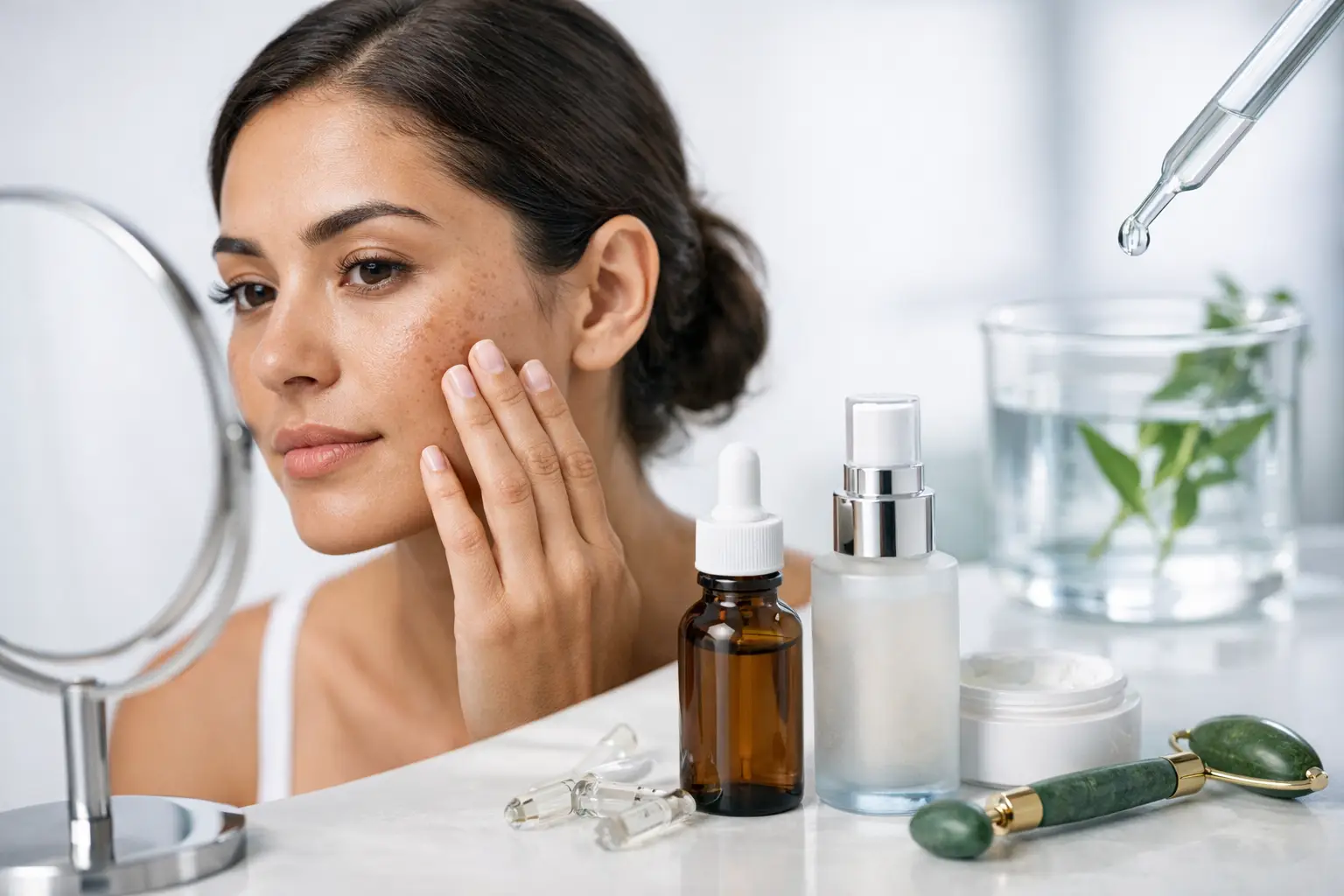
Pigmentation responds best to ingredients that interrupt excess melanin production and encourage clearer, more even skin over time. Vitamin C can help brighten and support the skin against environmental stress. Niacinamide is a useful all-rounder for improving uneven tone while supporting the skin barrier. Azelaic acid is often well tolerated and can be particularly helpful when pigmentation is linked to acne or sensitivity.
Chemical exfoliants can also play a role. Ingredients such as lactic acid or glycolic acid help shed pigmented surface cells, but more is not always better. Over-exfoliating can lead to irritation, and irritation can make pigmentation worse.
Keep the skin calm
This is often overlooked. Picking at breakouts, using too many active products, or scrubbing the skin can all trigger more post-inflammatory pigmentation. If your skin is reactive, a simpler routine is usually more effective than a crowded one.
A gentle cleanser, a moisturiser that supports the barrier, and a few well-chosen corrective products will usually outperform an aggressive routine. Healthy skin tolerates treatment better and recovers more predictably.
When professional treatment makes more sense
Some pigmentation fades slowly with home care. Some does not. If the pigment is deeper, widespread, or has been there for years, professional treatment is often the faster and more effective option.
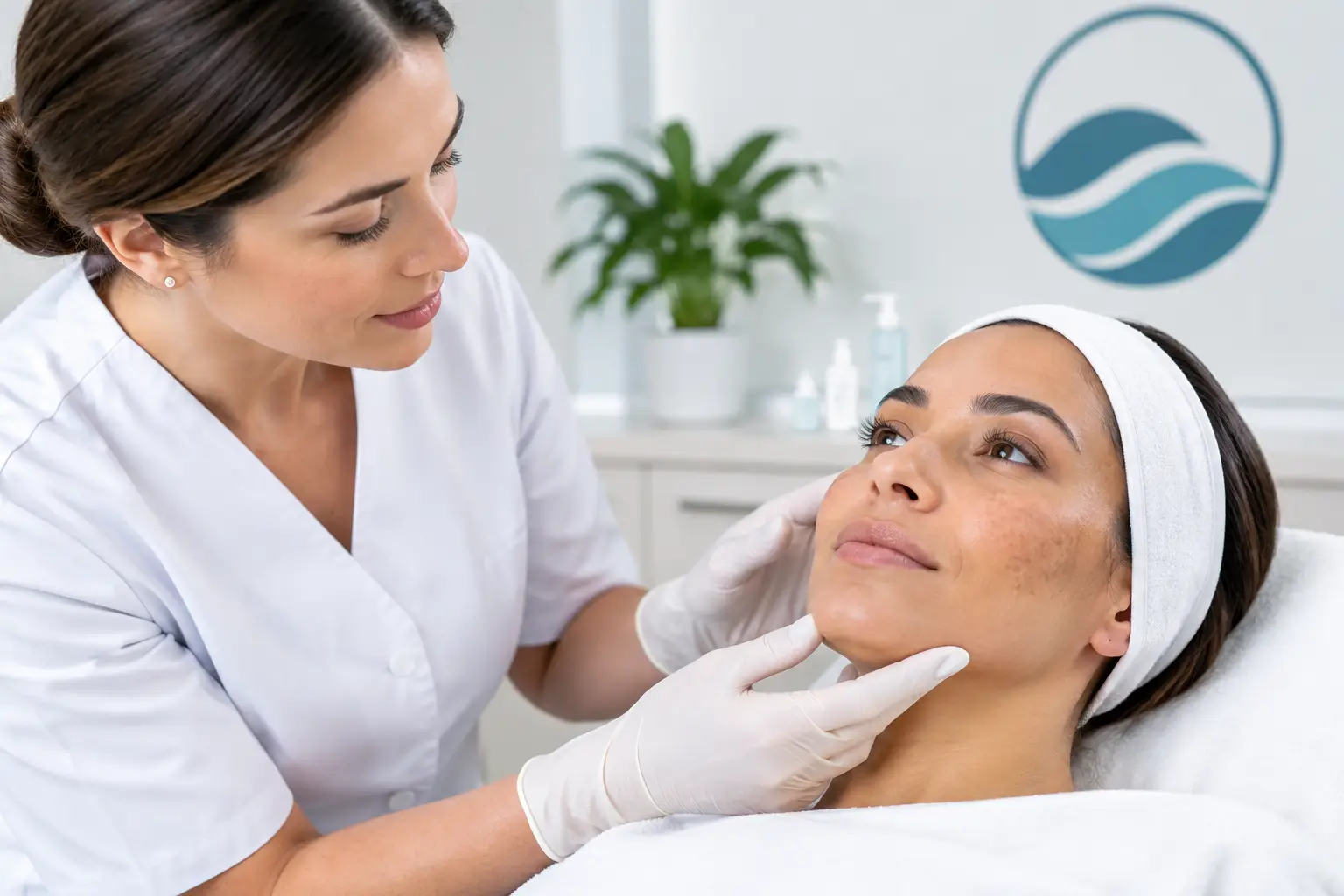
This is where proper assessment matters. A trained clinician can look at the type of pigmentation, your skin tone, your treatment history, and any triggers such as sun exposure, hormones, acne, or previous irritation. From there, the plan can be tailored instead of guessed.
Professional treatments that can help fade pigmentation
Medical-grade skin peels
Professional peels can be very effective for uneven tone, sun damage, and post-acne pigmentation. They work by exfoliating the skin in a more controlled way than home products, helping to lift pigmented cells and improve skin turnover.
The benefit of a clinic-based peel is not just strength. It is the ability to choose the right type, depth, and timing for your skin. For some clients, a lighter series gives better results than one stronger peel, especially if the skin is sensitive or prone to rebound pigmentation.
Laser skin rejuvenation
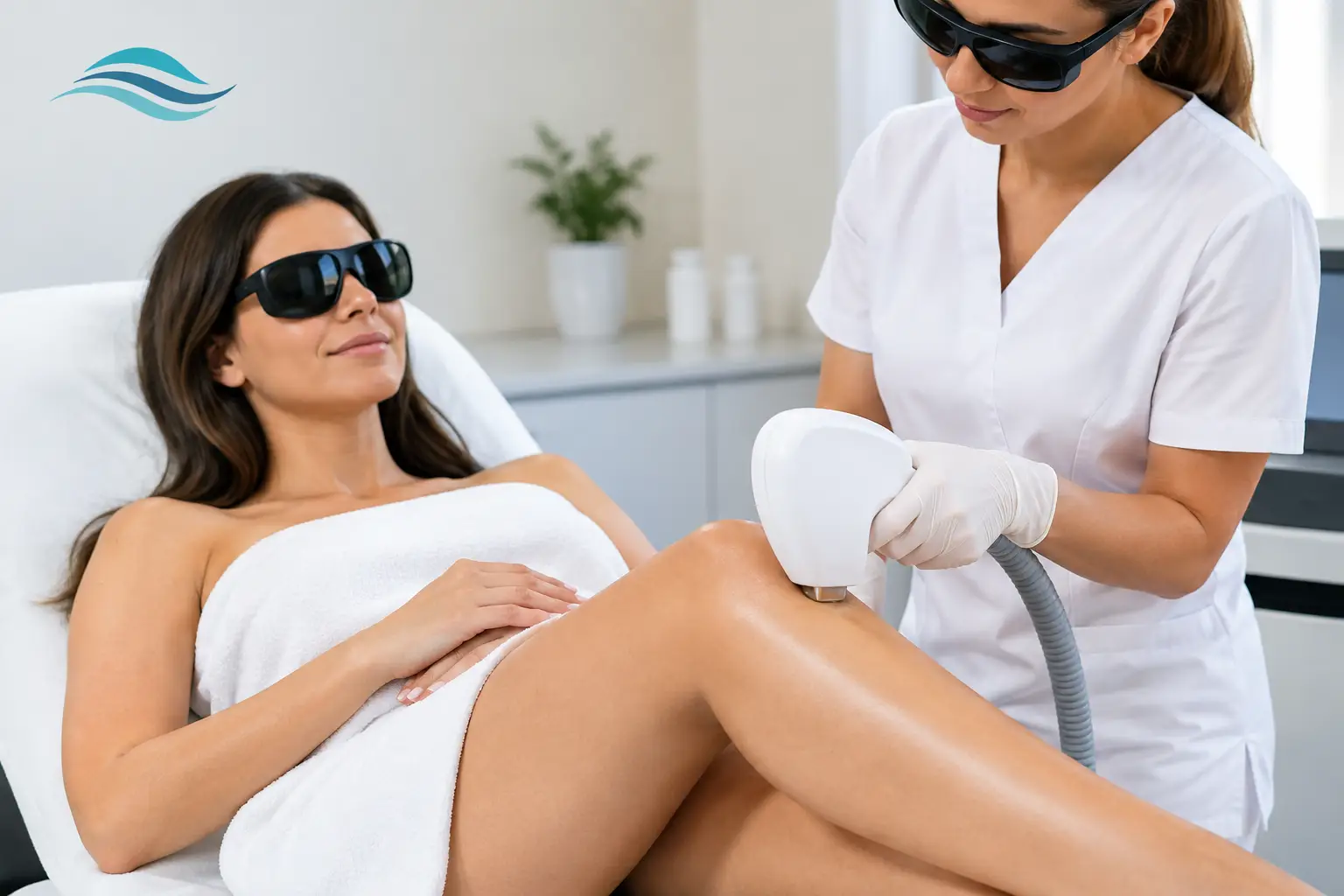
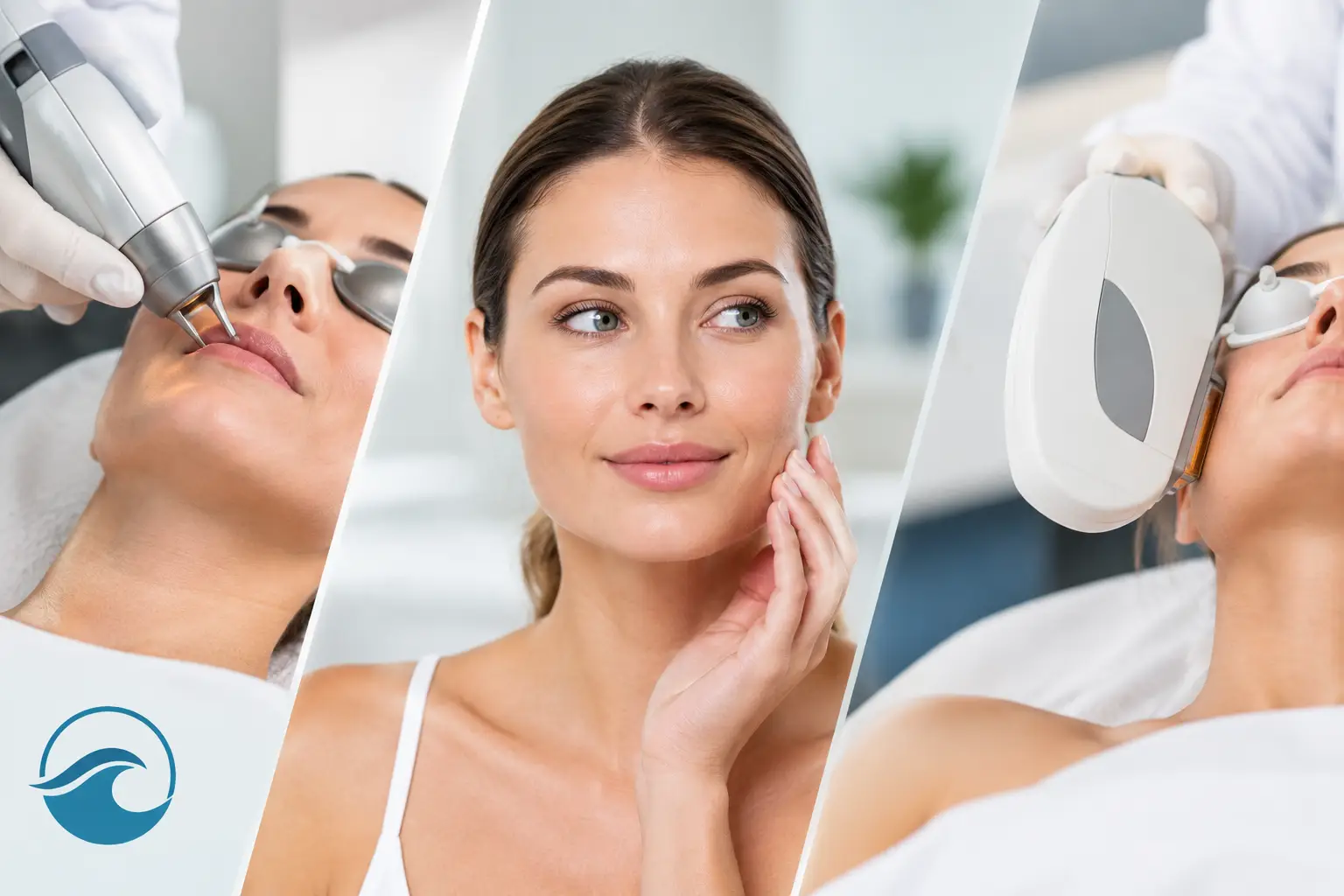
Laser treatments can be one of the best ways to fade pigmentation when the concern is more established or resistant to creams and peels alone. Different laser technologies target different issues, so suitability depends on the kind of pigmentation being treated and your skin type.
For sun damage and visible spots, laser rejuvenation may help break up excess pigment while also improving overall skin quality. That said, laser is not a one-size-fits-all answer. Some types of melasma can flare with heat-based treatments, which is why an experienced assessment is essential before starting.
CO2 resurfacing for broader skin correction
When pigmentation is part of a bigger picture that includes texture, sun damage, and signs of ageing, CO2 resurfacing may be considered in selected cases. This is a more intensive treatment, so it is not the first step for everyone. The trade-off is that downtime is greater, but the level of correction can be significant when the treatment is appropriate and properly managed.
Microdermabrasion and supportive facials
These are not usually the strongest option for deeper pigmentation, but they can support skin renewal, improve product penetration, and help maintain clearer-looking skin. They are often better suited to mild uneven tone or as part of a broader maintenance plan rather than a standalone fix for stubborn pigmentation.
The treatments that work best depend on the cause
This is where people often get stuck. They want one clear answer, but the best treatment depends on whether the pigmentation is caused by sun, inflammation, hormones, or a combination of factors.
If your marks are left after acne, the focus is often on reducing inflammation, preventing new breakouts, and gradually lifting the discolouration. If the issue is sun damage, corrective treatments and strict UV protection usually lead the plan. If melasma is involved, the strategy tends to be more cautious and long-term, with emphasis on managing triggers and avoiding treatments that may aggravate it.
That is why consultation-led care matters. Good treatment is not about choosing the most advanced machine in the room. It is about choosing the right treatment for the skin in front of you.
How long does it take to see results?
Pigmentation can improve within weeks, but more often it takes a few months of consistent care. Superficial pigmentation may respond relatively quickly. Deeper pigmentation and melasma usually take longer and may need maintenance.
It is also normal for improvement to happen gradually rather than all at once. Photos can be useful because subtle changes are easy to miss when you see your skin every day.
Mistakes that can make pigmentation worse
One of the biggest mistakes is chasing fast results with too many active products. Another is treating without protecting the skin from the sun. Even a great treatment plan can be undone by repeated UV exposure.
Trying strong treatments without knowing your skin type is another common problem. Darker or reactive skin tones need particular care, because overly aggressive treatment can trigger more pigmentation instead of less. This is one reason professionally guided treatment tends to be safer than trial and error.
When it is worth booking a consultation
If your pigmentation is spreading, not improving, or returning despite your skincare efforts, it is worth getting professional advice. The same applies if you are unsure whether you are dealing with sun spots, melasma, post-acne marks, or something else entirely.
At a clinic level, the value is not just access to stronger treatments. It is having someone assess your skin properly, explain what is realistic, and map out a plan that balances results with skin safety. For clients around Maroochydore and the wider Sunshine Coast, that local support can make treatment feel a lot less overwhelming.
The best pigment plan is usually a steady one – protect the skin, treat it thoughtfully, and avoid shortcuts that create more irritation than improvement. Clearer, more even skin is often built through consistency, not force. If you are not sure where to start, expert guidance can save you time, money, and a lot of guesswork.