Flat, tired-looking skin usually does not need more products piled on at home. It often needs the right professional treatment. The best facials for dull skin are the ones that match the reason your complexion has lost its glow in the first place, whether that is dryness, congestion, rough texture, sun damage or slower cell turnover.
That is why a good facial should never be a one-size-fits-all experience. Skin can look dull for very different reasons, and the treatment that works beautifully for one person may feel underwhelming, or even irritating, for someone else. A professional assessment matters because it helps separate what your skin actually needs from what is simply trending.
What makes skin look dull?
Dull skin is not a formal diagnosis. It is a visible sign that the skin surface is not reflecting light evenly. In practical terms, that can mean rough texture, dehydration, built-up dead skin cells, congestion, uneven pigmentation or a general lack of vitality.
For some clients, the issue is mostly surface level. Their skin feels dry, makeup sits poorly, and the complexion looks flat even though there is no major acne or pigmentation. For others, dullness is tied to broader concerns such as sun exposure, post-inflammatory marks, ageing skin or persistent congestion. Those differences matter because they influence which treatment path will give the most noticeable result.
Lifestyle can play a role as well. Stress, poor sleep, dehydration and too much sun all affect how fresh skin appears. But even when those factors are present, targeted in-clinic treatments can help reset the skin and improve brightness much more efficiently than home care alone.
Best facials for dull skin: which treatment suits you?
When clients ask about the best facials for dull skin, they are usually hoping for two things – visible brightness and smoother texture. Several treatments can achieve that, but they do it in different ways.
Microdermabrasion for rough, tired skin
Microdermabrasion is often a strong starting point for skin that feels rough, looks flat and needs a refresh. It works by mechanically exfoliating the outer layer of dead skin cells, helping reveal a smoother and more even-looking surface underneath.
This treatment can be a good option if your skin feels congested but not severely acne-prone, or if you want a fresher look with minimal downtime. Many people notice that their skin feels softer straight away and that skincare applies more evenly afterwards. The trade-off is that results are usually best maintained through a series or regular maintenance, rather than as a once-off fix.
It may not be the right choice for very sensitive, highly reactive or inflamed skin. In those cases, a gentler or more targeted option is often safer and more comfortable.
Medical-grade facial peels for uneven tone and sluggish cell turnover
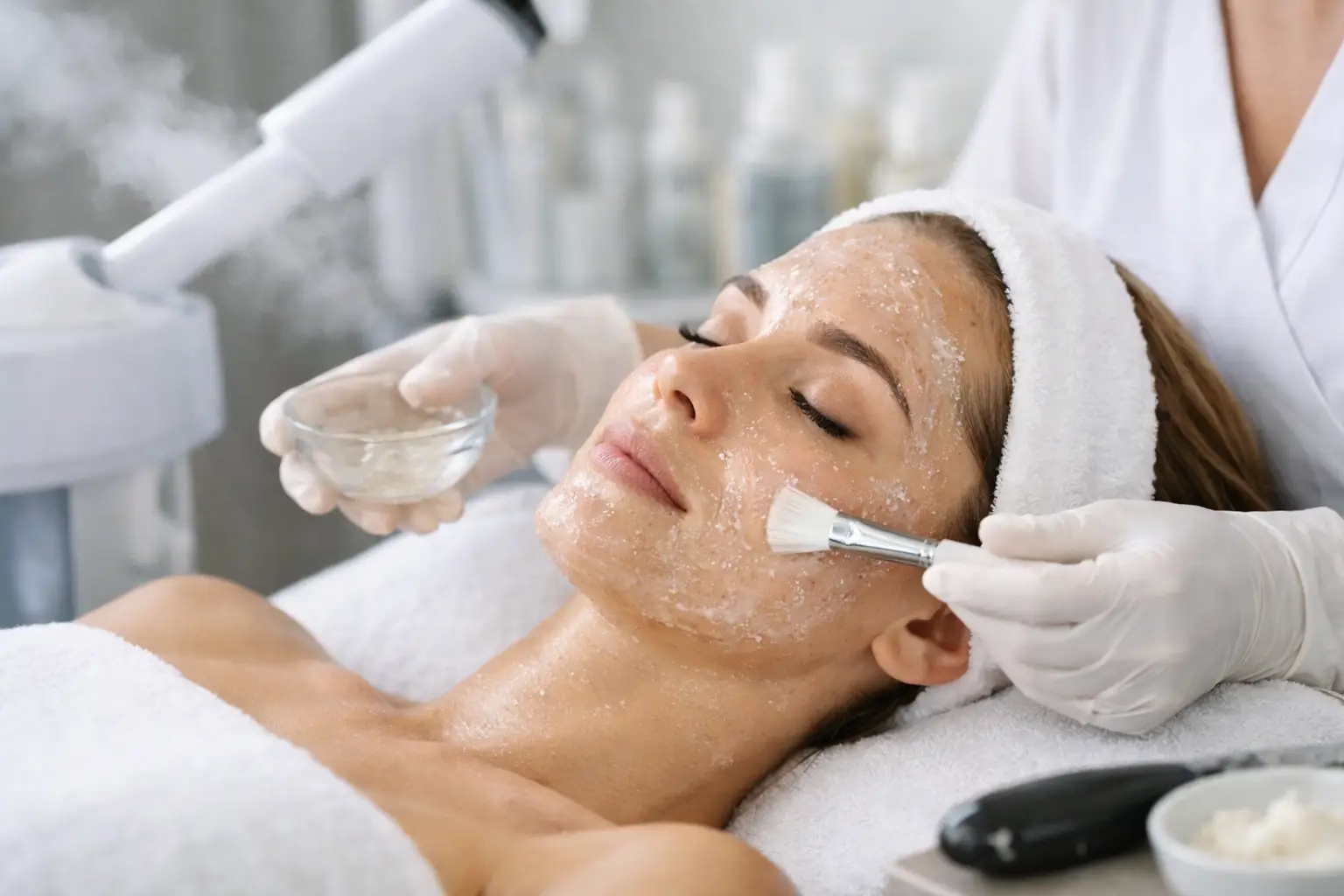
A professional peel is one of the most effective options for dullness linked to dead skin build-up, uneven tone and sun-related damage. Rather than manually exfoliating the surface, peels use active ingredients to loosen and lift away damaged outer cells while encouraging healthier renewal.
The right peel can brighten the complexion, refine texture and help skin look clearer and more luminous over time. Some are lighter and designed for a freshening effect with little disruption. Others are more corrective and may involve visible flaking or a few days where the skin feels tight and dry.
This is where personalised advice matters. Stronger is not always better. If your skin barrier is compromised or you are new to clinical treatments, a gentler peel may produce a better outcome than an aggressive one. Good results come from choosing the right formulation and strength for your skin, not simply the strongest treatment available.
Hydrating facials for dry, dull skin
Sometimes dull skin is less about dead skin cells and more about dehydration. When the skin lacks water, it can lose that healthy plumpness and light-reflective quality that makes it appear fresh.
A hydrating facial can be ideal if your skin feels tight, looks crepey or becomes lacklustre during seasonal changes, after travel or when you have overused active products. These facials focus on restoring moisture, supporting the barrier and improving comfort as well as glow.
Hydrating treatments are especially useful for clients who want a more comfortable, nourishing option or who are not suitable for stronger exfoliating procedures on the day. The limitation is that if your dullness is mainly caused by congestion or pigmentation, hydration alone may not deliver the level of change you are after. In those cases, it may work best as part of a broader treatment plan.
LED-based rejuvenation support
While LED is not always the first treatment people think of for brightness, it can be a valuable add-on or support treatment for skin that looks tired and stressed. Depending on the protocol used, it may help calm inflammation, support healing and improve the overall appearance of the skin.
LED tends to be gentle and suitable for many skin types, including those that need a lower-irritation approach. On its own, it may not create the dramatic resurfacing effect of a peel or microdermabrasion, but it can complement other treatments well and help maintain healthier-looking skin over time.
Laser and advanced rejuvenation treatments
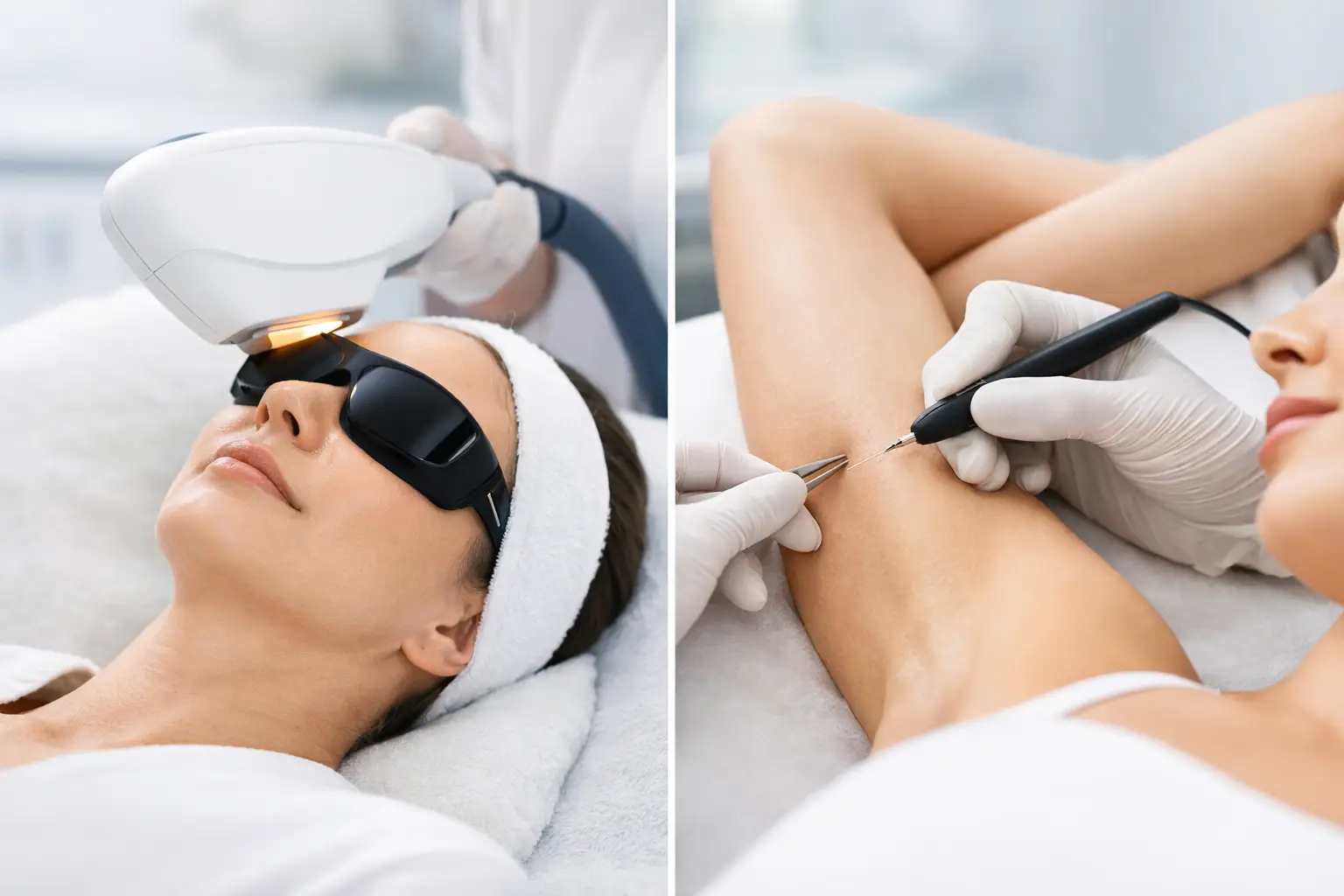
If dullness is tied to deeper concerns such as pigmentation, sun damage, uneven texture or signs of ageing, a standard facial may only take you so far. In these cases, laser or advanced skin rejuvenation treatments can offer more meaningful correction.
These options are generally more treatment-focused than spa-style facials, and they require proper assessment, preparation and aftercare. They are not for everyone, especially if you are after a quick lunchtime glow with no downtime. But for the right candidate, they can address the underlying causes of dullness rather than only freshening the surface.
How to choose the right facial for dull skin
The best choice depends on what your skin is doing now, not what worked for a friend or what looked impressive on social media. If your skin is dry and sensitive, a hydrating or barrier-supportive treatment may be the smarter first step. If it feels rough and congested, microdermabrasion or a professional peel may make more sense. If pigmentation and sun damage are involved, a more corrective treatment pathway may be needed.
Your tolerance for downtime matters too. Some clients are happy to manage a few days of peeling if the result is worth it. Others want to look polished for work or events and prefer treatments with little to no visible recovery. Neither approach is wrong. It simply changes what is realistic.
It is also worth thinking beyond one appointment. A single facial can absolutely improve radiance, but persistent dullness often responds best to a treatment plan. That may mean starting with correction and then moving into maintenance once the skin is brighter and healthier.
What to expect after treatment
Most brightening facials leave skin looking fresher, smoother and more refined, but the exact response depends on the treatment. After microdermabrasion, skin may feel clean and polished with mild temporary pinkness. After a peel, you might notice tightness, dryness or some visible shedding over the following days. Hydrating treatments usually leave the skin comfortable and dewy, though the effect can be subtler if more significant correction is needed.
Aftercare is part of the result. Freshly treated skin needs proper hydration, gentle products and diligent sun protection. If you skip that step, even a very good treatment can be undermined quickly, especially in a climate where UV exposure is a constant factor.
When a facial is not enough
There are times when dull skin is really a symptom of a bigger skin concern. Persistent pigmentation, acne scarring, deeper textural issues and significant sun damage often need more than a standard facial to achieve clear improvement.
That does not mean facials are not worthwhile. It simply means expectations should be realistic. A good clinician will tell you when a facial is likely to help, when it is best used as maintenance, and when a more advanced treatment is likely to give you better value and more visible change.
For many people, that honest guidance is the difference between chasing short-term glow and actually improving skin quality over time.
If your skin has been looking flat no matter what you do at home, the next step is not guessing. It is getting clear advice on why your skin looks dull and which treatment will address it safely, effectively and in a way that suits your comfort level. Fresh, brighter skin is rarely about doing more. It is about doing the right thing for your skin.