When your skin looks tired no matter what you put on it, or breakouts and pigment seem to linger long after the cause has settled, a medical grade facial peel can be a smart next step. It is not simply a stronger facial. Done professionally, it is a treatment designed to improve skin function as well as appearance, with the depth, formula and treatment plan tailored to what your skin actually needs.
What makes a medical grade facial peel different?
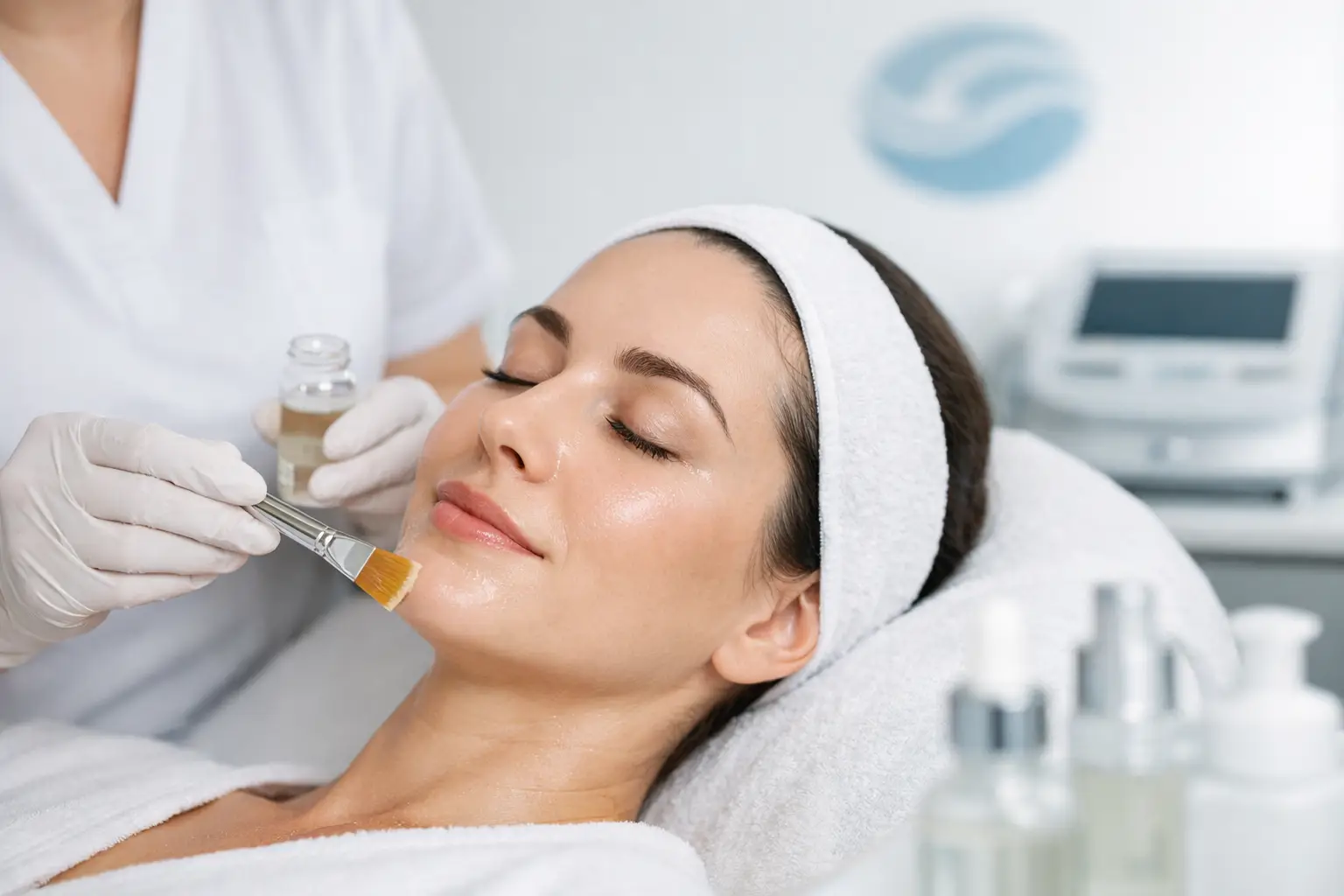
A peel works by applying a controlled chemical solution to the skin to encourage exfoliation and renewal. That part is widely understood. What is less understood is the difference between a professional, medical grade treatment and the lighter peels sometimes offered in general beauty settings.
A medical grade facial peel uses higher strength active ingredients and a more considered treatment approach. The goal is not just to give the skin a temporary glow for a few days. It is to target concerns such as acne, congestion, uneven texture, fine lines, sun damage and post-inflammatory pigmentation with a formula selected for your skin condition, history and tolerance.
That is where professional guidance matters. Stronger does not automatically mean better. The right peel is about matching the treatment to the skin in front of you, not pushing for the most aggressive option.
Who it can help
For many clients, peels sit in that useful middle ground between at-home skincare and more intensive device-based treatments. They can be a very effective option when the skin needs correction but also benefits from a gradual, manageable approach.
A medical grade facial peel may be suitable if you are dealing with recurrent breakouts, rough or dull skin, visible congestion, mild scarring, uneven skin tone or early signs of ageing. It can also be helpful if your skin has plateaued and your current skincare is no longer giving you the results you want.
That said, suitability always depends on the individual. Sensitive skin, compromised barriers, active irritation, certain medications and some underlying skin conditions can change the plan completely. In those cases, preparing the skin first or choosing a gentler treatment may be the safer and more effective path.
What concerns peels are commonly used for
One of the reasons peels remain so popular is that they are versatile. Different formulations can be used to address different concerns, and in many cases several issues at once.
For acne-prone skin, a peel can help reduce excess oil, clear trapped debris and improve the look of post-breakout marks. For clients concerned with pigmentation, the aim is usually to support a more even complexion over time while managing the triggers that keep pigment active. For ageing skin, peels can help refine texture, soften the appearance of fine lines and restore some brightness that everyday stress, UV exposure and skin cell build-up tend to dull.
There is still a trade-off to be aware of. A peel can improve these concerns, but it is rarely a one-off fix. Most people see the best results through a treatment course combined with home care and sun protection.
What happens at a professional consultation
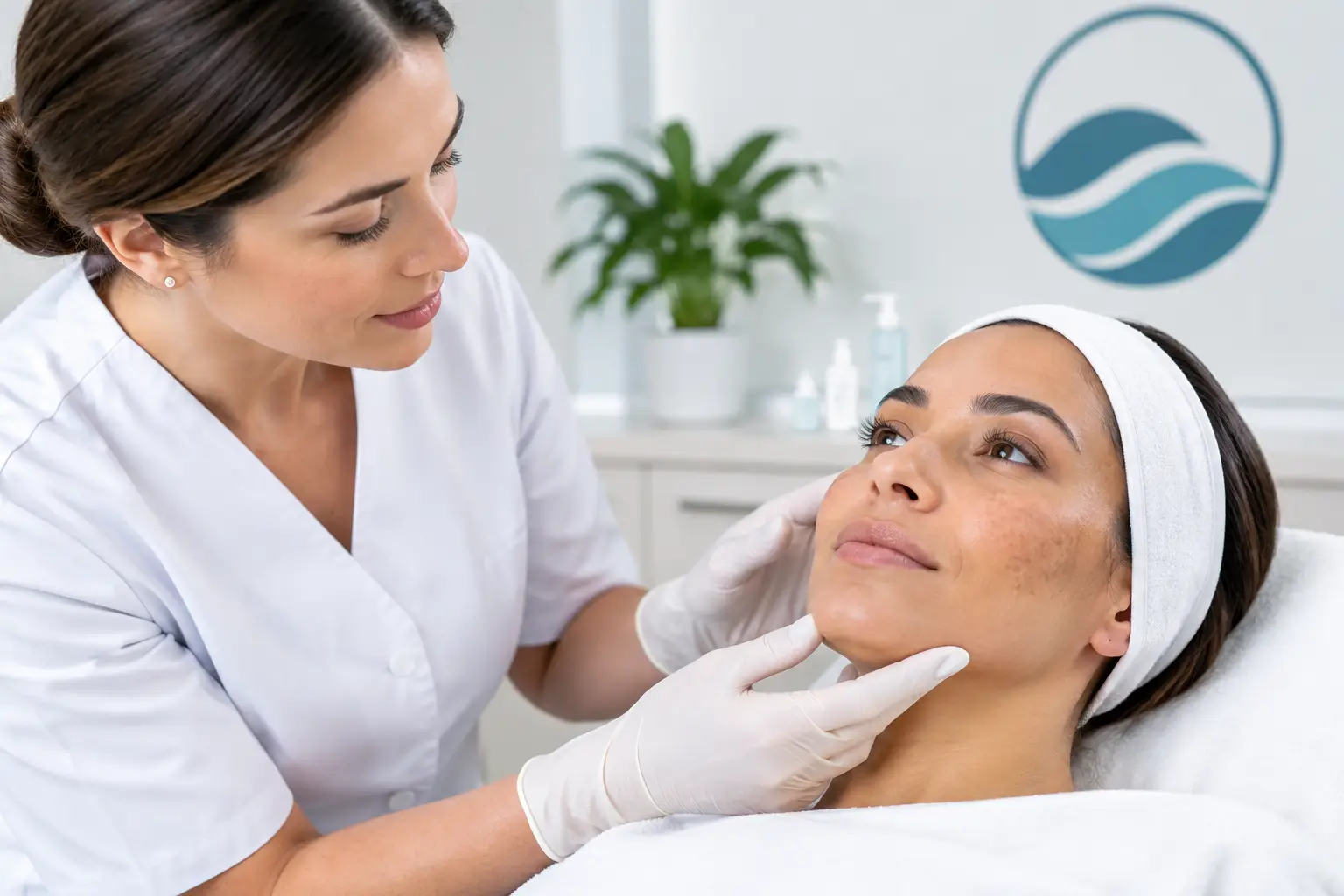
The consultation is where a good peel plan begins. Rather than choosing from a menu based on guesswork, your practitioner should look at your skin behaviour, treatment history, lifestyle factors and goals.
This matters because two people can present with similar concerns and need very different approaches. What looks like simple pigmentation may actually be linked to inflammation. What seems like acne may be barrier disruption made worse by overuse of active skincare. A proper assessment reduces the chance of overtreating the skin and improves the chance of seeing real progress.
At a clinic level, this is also where safety is built in. Your practitioner can identify contraindications, explain likely downtime, discuss realistic outcomes and make sure you know how to care for your skin before and after treatment.
What a medical grade facial peel feels like
Most clients are surprised that a professional peel is usually more manageable than they expected. During treatment, you may feel warmth, tingling, prickling or a mild stinging sensation depending on the formulation and depth. Some peels are very comfortable. Others feel more active for a short period, but still well within what most people tolerate.
Afterwards, the skin may look pink or feel tight. Some peels create visible flaking over the next few days, while others cause very little obvious peeling at all. That is worth clarifying because the old idea that you need to shed heavily for the treatment to have worked is not necessarily true.
The outcome depends on the type of peel used, how your skin responds and what concern is being treated. Sometimes the right peel is subtle on the surface but effective beneath it.
Downtime, aftercare and why timing matters
One of the most practical questions people ask is how much downtime to expect. The honest answer is that it varies. A lighter peel may leave you with a bit of dryness and mild redness for a day or two. A stronger treatment may involve several days of flaking, tightness and visible shedding.
This is why timing matters. If you have a wedding, important work event or holiday planned, it is best to discuss that before booking treatment. A peel can be a great option, but not every peel suits every calendar.
Aftercare is not complicated, but it is important. Skin should be treated gently while it recovers. That usually means avoiding picking, over-exfoliating, heat-based treatments and strong active products unless your practitioner has advised otherwise. Daily SPF is essential. Freshly treated skin is more vulnerable to UV, and unprotected sun exposure can compromise results.
Why professional treatment is safer than trying to self-treat
There is a reason stronger peels are best left to trained professionals. Skin does not always behave predictably, and online advice often ignores the factors that make treatment safe or risky for a particular person.
The biggest mistakes usually come from treating the wrong concern, choosing an inappropriate strength, layering too many actives or repeating treatments too often. Instead of better skin, that can leave you with irritation, prolonged redness, rebound breakouts or pigmentation that is harder to settle.
Professional treatment is not just about access to stronger products. It is about knowing when not to treat, when to prepare the skin first and when another option would deliver a better result.
How many treatments will you need?
This is one of those areas where honesty matters. Some clients notice brighter, smoother skin after a single session. If your concern is deeper pigmentation, congestion, acne scarring or age-related texture, one treatment is unlikely to be enough.
A course of treatments is often recommended because peels work cumulatively. Each session builds on the last, helping the skin respond in a more stable, controlled way. That also allows your practitioner to adjust as your skin changes, rather than locking you into a one-size-fits-all plan.
Maintenance may also be part of the picture. Skin is living tissue influenced by hormones, sun exposure, stress, age and home care. Corrective treatment can achieve a great deal, but maintaining results usually takes some ongoing support.
Is a medical grade facial peel worth it?
For the right person, yes. A medical grade facial peel can be an excellent investment when you want visible improvement without jumping straight to more intensive procedures. It suits people who value a tailored, treatment-led approach and understand that better skin is usually built over time, not bought in a single appointment.
The key is having the treatment selected and delivered properly. That is where a personalised consultation makes all the difference. At Coastal Skin Clinic, treatment planning is centred on safety, skin integrity and realistic results, so clients feel informed as well as cared for.
If you have been wondering whether your skin needs more than a standard facial but you are not sure where to start, that uncertainty is completely normal. The best next step is not guessing. It is sitting down with someone qualified who can assess your skin properly and guide you towards the treatment that makes sense for you.