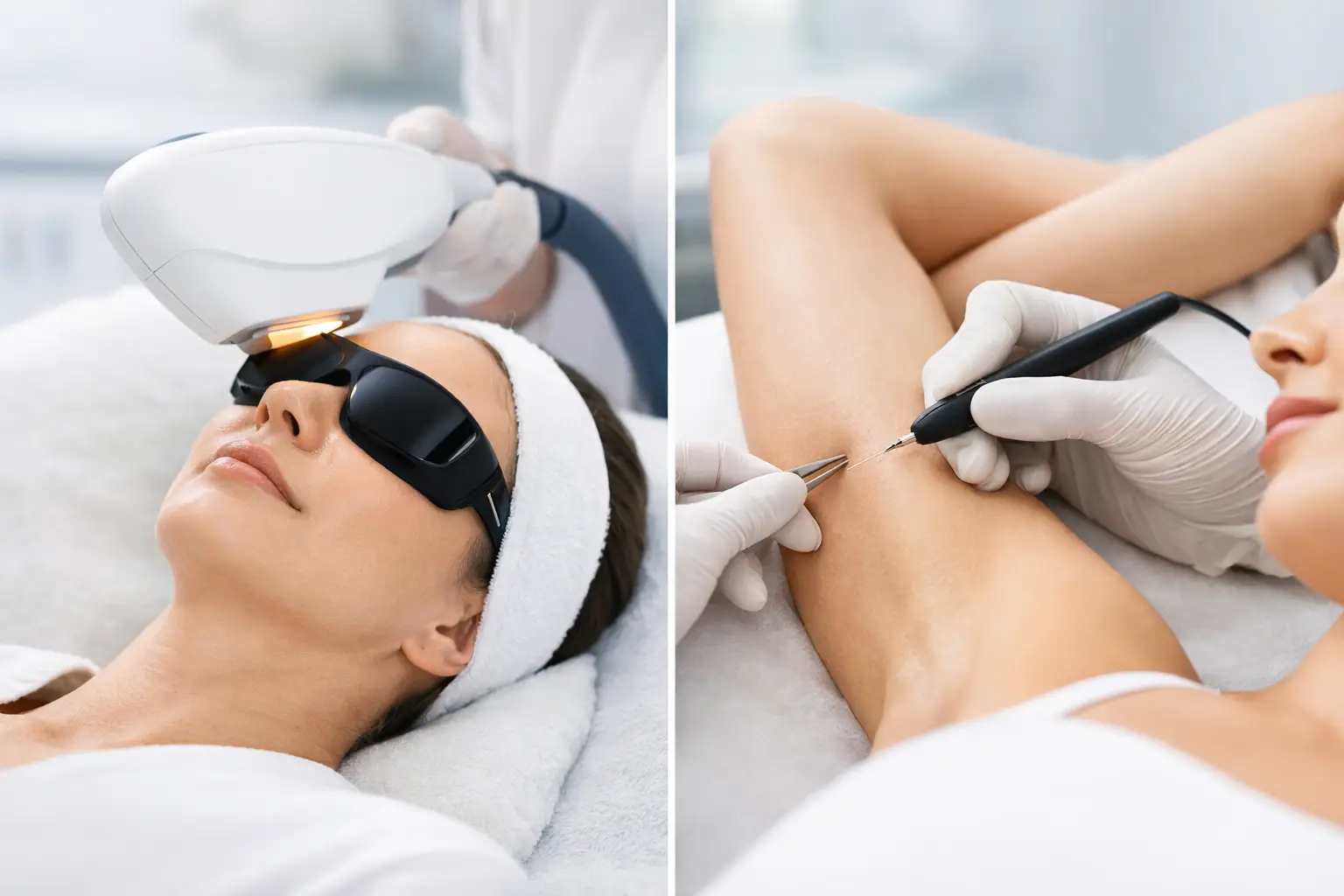
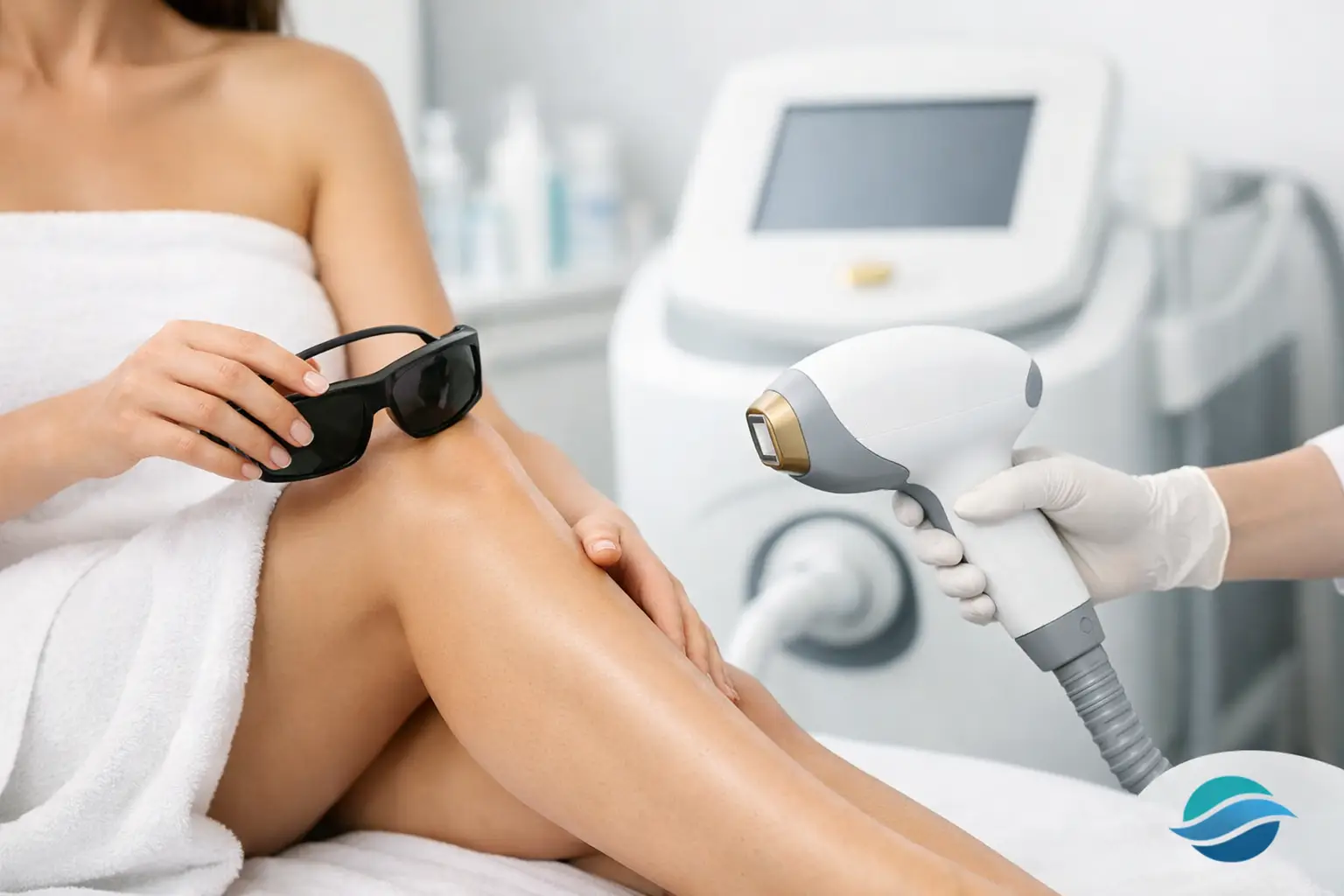
IPL hair reduction works best when your skin is calm, your treatment area is free from tanning products and the hair has been prepared correctly. If you have been wondering how to prepare for IPL, a little planning before your appointment can support a safer, more comfortable treatment and help your practitioner assess your skin accurately.
IPL is not a one-size-fits-all beauty treatment. Your hair colour, skin tone, medical history, recent sun exposure and at-home skincare all matter. A professional consultation gives you clear advice for your individual needs, rather than a generic checklist that may not suit your skin.
What IPL preparation is designed to do
IPL uses controlled pulses of light that target pigment in the hair. For treatment to be appropriate, there needs to be enough contrast between the hair and surrounding skin, while the skin itself needs to be in good condition. Recent tanning, irritation or active skin sensitivity can increase the chance of an unwanted reaction.
Preparation is therefore about more than arriving with shaved legs or underarms. It helps your practitioner select suitable settings, protect your skin and work towards consistent hair reduction over a course of treatments. Results vary from person to person, and hormonal areas can need more ongoing maintenance than others.
How to prepare for IPL hair reduction
Keep sun exposure and tanning to a minimum
Avoid deliberate sun exposure and tanning in the lead-up to your appointment. This includes sunbathing, tanning beds and using fake tan on the area being treated. Even a light tan can change the pigment in your skin and may mean your session needs to be postponed or adjusted.
On the Sunshine Coast, incidental exposure adds up quickly. A walk along the beach, time at weekend sport or a long lunch outdoors can leave skin more exposed than expected. Use broad-spectrum sunscreen daily, cover the treatment area where practical and let your clinician know if you have had any recent sun exposure, redness or peeling.
Fake tan deserves special attention. It can interfere with the treatment assessment and may leave uneven pigment on the skin, even after it appears to have faded. Follow your clinic’s advice on when to stop using it and how thoroughly to remove any residue before your session.
Shave, but do not wax or pluck
For most IPL hair reduction appointments, the treatment area should be shaved shortly before your visit, often the day before or on the morning of treatment. Shaving leaves the hair root in place while removing surface hair that could absorb excess heat.
Avoid waxing, plucking, threading, epilating or using depilatory creams in the weeks before treatment unless your practitioner has specifically advised otherwise. These methods remove hair from the root, leaving no target for the IPL energy. If you are unsure whether a product or hair-removal method is suitable, ask before your appointment rather than guessing.
The ideal shaving timing can depend on the area and how quickly your hair grows. You want the skin to be smooth, without cuts, razor rash or visible long hair. Use a clean razor, take your time and avoid shaving over irritated skin.
Give active skincare a break where needed
Strong exfoliants, retinoids, scrubs and some acne or pigmentation products can leave skin more reactive. They are not automatically unsuitable, but they may need to be paused around your IPL treatment depending on the product, area and your skin’s response.
This is particularly relevant for facial IPL. Let your practitioner know about every product you use on the area, including salon treatments, at-home peels, prescription creams and products that seem harmless because they are sold over the counter. Do not stop prescribed medication without medical advice. Your clinician can instead explain whether treatment should be delayed or whether a different preparation plan is needed.
Avoid trying a new active serum, body scrub or hair-removal product immediately before your session. The days before IPL are not the time to experiment with skincare. Calm, intact skin is the goal.
Be open about your health and medication history
A thorough consultation is a key part of safe, effective care. Tell your practitioner if you are pregnant or breastfeeding, have a history of cold sores for facial treatment, are prone to pigmentation changes or keloid scarring, or have recently had another skin treatment in the same area.
Also disclose all medications and supplements, as some can affect photosensitivity, healing or skin response. This includes recent courses of medication as well as anything you take regularly. There is no benefit in minimising a detail that feels unrelated – your treatment plan can only be as safe as the information it is based on.
If you have had IPL before, share what worked, what did not and whether you experienced prolonged redness, blistering or pigment changes. Your practitioner can use that history when considering whether IPL is appropriate and how to proceed.
Arrive with clean, comfortable skin
On treatment day, come in with the area clean and free from moisturiser, deodorant, perfume, makeup, oils and fake tan. For underarm appointments, this means skipping deodorant beforehand. For facial treatment, arrive without makeup where possible.
Wear loose, comfortable clothing if a larger body area is being treated. Soft fabrics reduce friction afterwards, particularly for areas such as the bikini line, underarms or legs. If you are having a facial area treated, bring sunglasses or a hat for the trip home and avoid planning a long afternoon in direct sun.
It is also wise to leave enough time for your appointment. Rushing in after a workout, a beach visit or a stressful day can make it easier to overlook important preparation details. A short, calm check-in allows your practitioner to reassess your skin before treatment.
Plan for the hours after your appointment
Good preparation includes knowing what your skin may need afterwards. Mild warmth, redness or small bumps around the hair follicles can occur and are commonly temporary. Your practitioner will provide specific aftercare based on the area treated and your skin response.
Generally, it is sensible to avoid heat and friction straight after IPL. That may mean postponing a hot shower, sauna, vigorous exercise or a day at the beach. Keep the area cool, use gentle skincare and protect it from the sun. Do not pick at the skin or exfoliate prematurely, even if hairs begin to shed in the following days.
If you have an event, holiday or outdoor weekend planned, factor that into your treatment timing. IPL courses are usually spaced across several appointments because hair grows in cycles, so there is rarely a need to force treatment into an inconvenient window. Thoughtful timing is often the better choice.
When it is better to reschedule
Sometimes the safest preparation is postponing an appointment. Let your clinic know if you have become tanned, sunburnt, unwell, developed a rash or infection, started new medication, or had a cosmetic or skin treatment on the same area. The same applies if you have cuts, open skin or significant irritation from shaving.
Rescheduling is not a setback. It is a professional decision that protects your skin and helps preserve the quality of your treatment plan. A reputable clinic would rather treat suitable, settled skin than push ahead when conditions are not right.
Personal advice makes the difference
Online preparation tips can be useful, but they cannot see your skin, assess your hair or account for your treatment history. At Coastal Skin Clinic, IPL hair reduction begins with personalised guidance so you know what to do before, during and after your appointment.
The most helpful thing you can bring is honesty about your skin and lifestyle. With the right preparation and a treatment plan tailored to you, IPL can feel less daunting and far more considered from the first appointment onward.