A facial peel or hydrating facial can both leave your skin looking fresher, but they are designed to do very different jobs. One is usually chosen to correct concerns such as congestion, uneven tone and rough texture. The other is about restoring comfort, softness and moisture when skin feels dry, tight or tired.
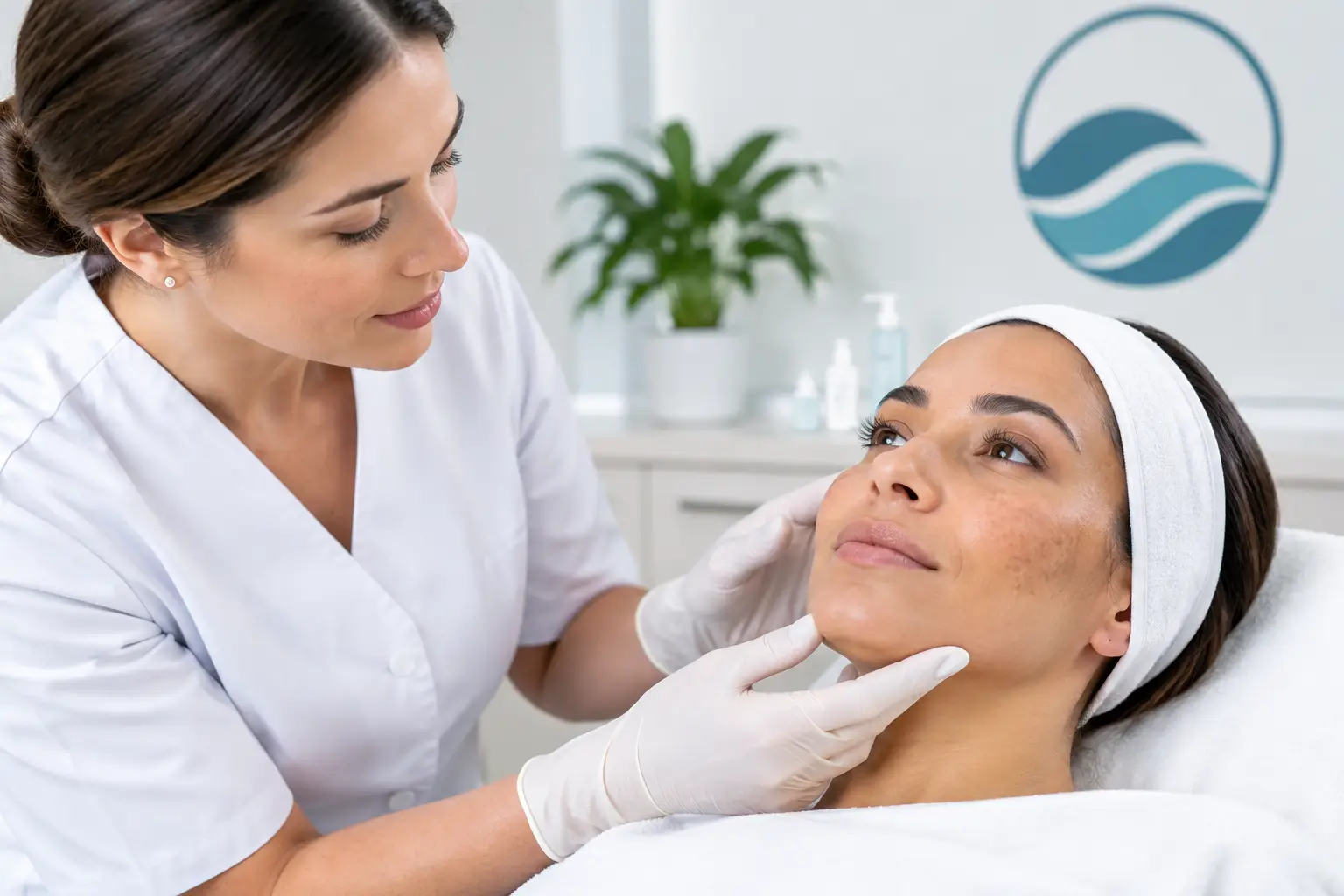
The right choice is not always the treatment that sounds strongest. It is the one that matches what your skin needs now, how sensitive it is, and how much recovery time you can allow. A professional assessment is especially valuable if you are dealing with acne, pigmentation, redness, sun damage or changing skin concerns.
Facial peel or hydrating facial: the key difference
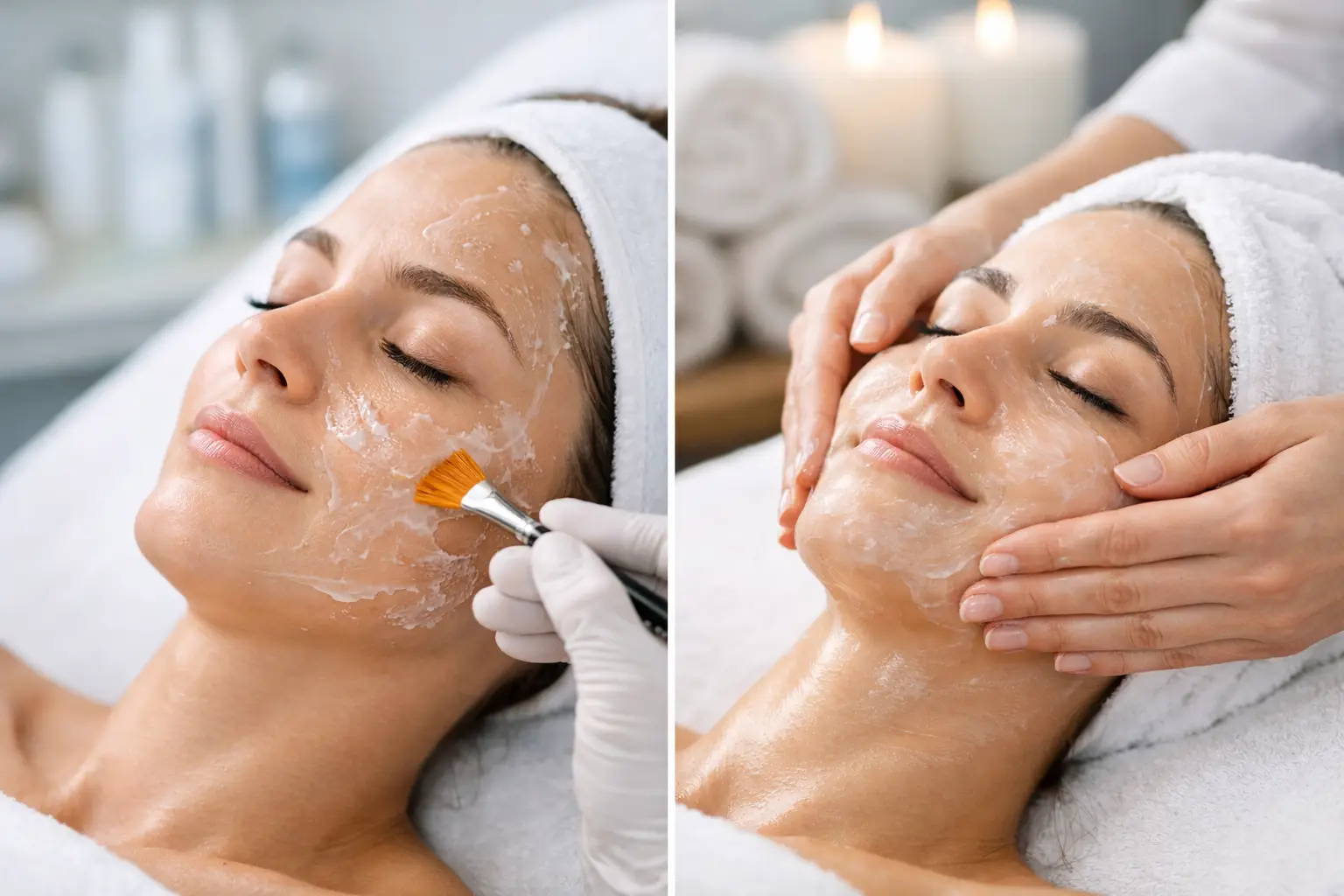
A professional facial peel uses carefully selected active ingredients to encourage the shedding of surface skin cells. Depending on the formulation and strength, it may help improve the appearance of dullness, congestion, uneven texture, breakouts, fine lines and pigmentation. It is a corrective treatment, meaning it is generally selected when there is a specific concern you would like to improve over a course of treatments.
A hydrating facial is focused on replenishing moisture and supporting the skin barrier. It may include a thorough cleanse, gentle exfoliation where appropriate, hydration-focused serums, masks and massage. Rather than creating a peeling response, the aim is to leave skin feeling calm, nourished and comfortable.
Neither is automatically better. A peel can be highly effective for the right concern, while a hydrating facial may be exactly what stressed, sensitised or dehydrated skin needs before any more active treatment is considered.
When a facial peel may be the better choice
A peel may suit you if your main concern is skin texture or clarity rather than dehydration alone. If your complexion looks dull even after using moisturiser, your pores feel congested, or breakouts and post-acne marks linger, controlled exfoliation may help move your treatment plan forward.
Medical-grade facial peels can be tailored to your skin type, concern and tolerance. This matters because a peel for oily, congested skin will not necessarily be the best choice for mature skin with pigmentation, or for skin that is dry and reactive. The formulation, preparation and timing all influence your result.
You may be a suitable candidate for a peel if you are concerned about:
- persistent congestion, blackheads or blemish-prone skin
- dullness and rough or uneven texture
- the appearance of sun damage and uneven skin tone
- post-breakout marks or mild pigmentation concerns
- early signs of ageing, including fine lines and loss of radiance
A peel is not intended to leave your skin feeling raw or overwhelmed. Some people experience light flaking, dryness or temporary redness afterwards, while others have very little visible peeling. The response depends on the peel used, your skin condition and your home care.
When your skin is asking for hydration
Dehydrated skin can happen at any age and with any skin type, including oily skin. It often feels tight after cleansing, looks flat beneath makeup, or shows fine dehydration lines that become more noticeable throughout the day. Air conditioning, sun exposure, active skincare, travel and seasonal changes can all contribute.
A hydrating facial may be a better starting point when your skin feels uncomfortable, looks lacklustre or has become reactive. It can support the protective barrier that helps skin hold onto water and defend itself from everyday irritants. This can be particularly helpful before an event, after a busy period, or when your usual products suddenly start to sting.
For many clients, the appeal is immediate comfort. Skin often feels softer and more supple following treatment, with a healthier-looking glow. It is also a gentler maintenance option between more corrective services, provided it is selected appropriately for your skin.
Hydration does not mean heavy products or blocked pores. A professionally selected facial can be adapted for oily, acne-prone or combination skin, with the focus on restoring water balance without overloading the complexion.
Can you have both treatments?
Often, yes. A skin plan does not have to be limited to a single treatment forever. Some clients benefit from a course of peels to target a concern, followed by hydrating facials to maintain skin comfort and support their results. Others may alternate treatments across the year as their skin changes with the weather, sun exposure and lifestyle.
The order matters. If the skin barrier is compromised, very dry, inflamed or irritated, a peel may not be the sensible first step. Calming and hydrating the skin first can help create a better foundation for future corrective treatments.
Likewise, if congestion and uneven texture are your main concerns, repeated hydration-only facials may feel pleasant but may not deliver the visible improvement you are looking for. This is where honest advice is valuable. Good skin care should be tailored to your goal, not based on a one-size-fits-all menu choice.
What to consider before booking a peel
A facial peel requires a little more planning than a standard hydrating facial. Avoid introducing new active skincare products close to your appointment unless your practitioner has advised otherwise. Let your practitioner know about any prescription skincare, recent treatments, skin conditions, allergies, pregnancy or breastfeeding, cold sores, and any history of sensitivity or pigmentation.
Sun protection is essential. Freshly treated skin can be more vulnerable to sun exposure, and protecting it helps support an even result. If you have a beach weekend, outdoor event or holiday planned, it may be better to schedule your peel with enough time for your skin to settle.
Aftercare is part of the treatment, not an afterthought. You may be asked to keep your routine simple for several days, use gentle products, avoid picking or scrubbing, and apply sunscreen daily. Following this guidance gives your skin the best chance to recover comfortably.
What to expect from a hydrating facial
A hydrating facial generally has little to no downtime, making it a popular choice when you want your skin to look refreshed without planning around recovery. Your treatment may be customised according to whether your skin is dry, dehydrated, sensitive, congested or showing signs of ageing.
The experience should feel restorative, not overly aggressive. You may leave with a temporary glow or mild flush from massage or gentle exfoliation, but skin should feel comfortable. If you have an important occasion, it is still wise to book a little ahead rather than trying a new facial on the same day.
Your practitioner can also help identify whether the dryness you are seeing is truly dehydration, sensitivity, or a sign that your current at-home routine is too active. Sometimes small changes to cleansing, exfoliation and moisturising habits make a meaningful difference between appointments.
Choose treatment based on your skin, not the trend
Social media can make a dramatic peel look appealing, while a relaxing hydrating facial may seem like the safer option. But visible peeling is not a measure of success, and a relaxing facial is not necessarily superficial. The best treatment is the one chosen with a clear understanding of your skin condition and realistic expectations.
At Coastal Skin Clinic, treatment recommendations are guided by your concerns, your skin history and your comfort level. Whether you are hoping to improve texture, manage congestion or simply bring dry skin back into balance, professional guidance helps you choose a treatment that feels safe, effective and right for you.
Your skin does not need to be pushed to its limits to look healthy. Give it the care it needs now, then build a thoughtful treatment plan that supports the results you want to see over time.