Your skin may not need more products. It may need a clearer plan. This guide to professional facial treatments is designed to help you understand what happens beyond a standard salon facial, which options may suit your concerns, and why a personalised consultation matters.
A professional treatment should feel considered from the beginning. Rather than applying the same steps to every face, a trained practitioner assesses your skin, listens to what is bothering you, and recommends a treatment pathway that balances visible improvement with skin health and comfort.
What makes a facial treatment professional?
A professional facial treatment is more than a relaxing appointment, although feeling looked after is certainly part of the experience. It combines a skin assessment, suitable treatment techniques, professional-grade products and clear aftercare advice.
The right treatment depends on the concern in front of you. Congestion, dullness, dehydration, pigmentation, uneven texture, acne-prone skin and early signs of ageing can all require a different approach. Your skin may also change with the seasons, stress, hormones, sun exposure and your at-home routine. A treatment that was ideal six months ago may not be the best choice now.
Professional care also means knowing when to keep things gentle. If your skin barrier is compromised, actively irritated or recovering from another procedure, aggressive exfoliation is not always the answer. Safe, effective results come from matching the intensity of treatment to your skin’s current condition.
A guide to professional facial treatments and what they target
There is no single “best” facial. The most useful option is the one that addresses your goals without asking too much of your skin or your schedule.
Customised facials for maintenance and skin balance
A tailored facial can be a good starting point for first-time clients and for anyone wanting consistent skin maintenance. It may include thorough cleansing, gentle exfoliation, extractions where appropriate, targeted masks and hydration support.
These treatments can help skin look fresher and feel more comfortable, particularly when dryness, mild congestion or surface dullness are the main concerns. They are also valuable between more intensive treatments, helping you maintain a regular routine with professional guidance.
Microdermabrasion for surface texture and brightness
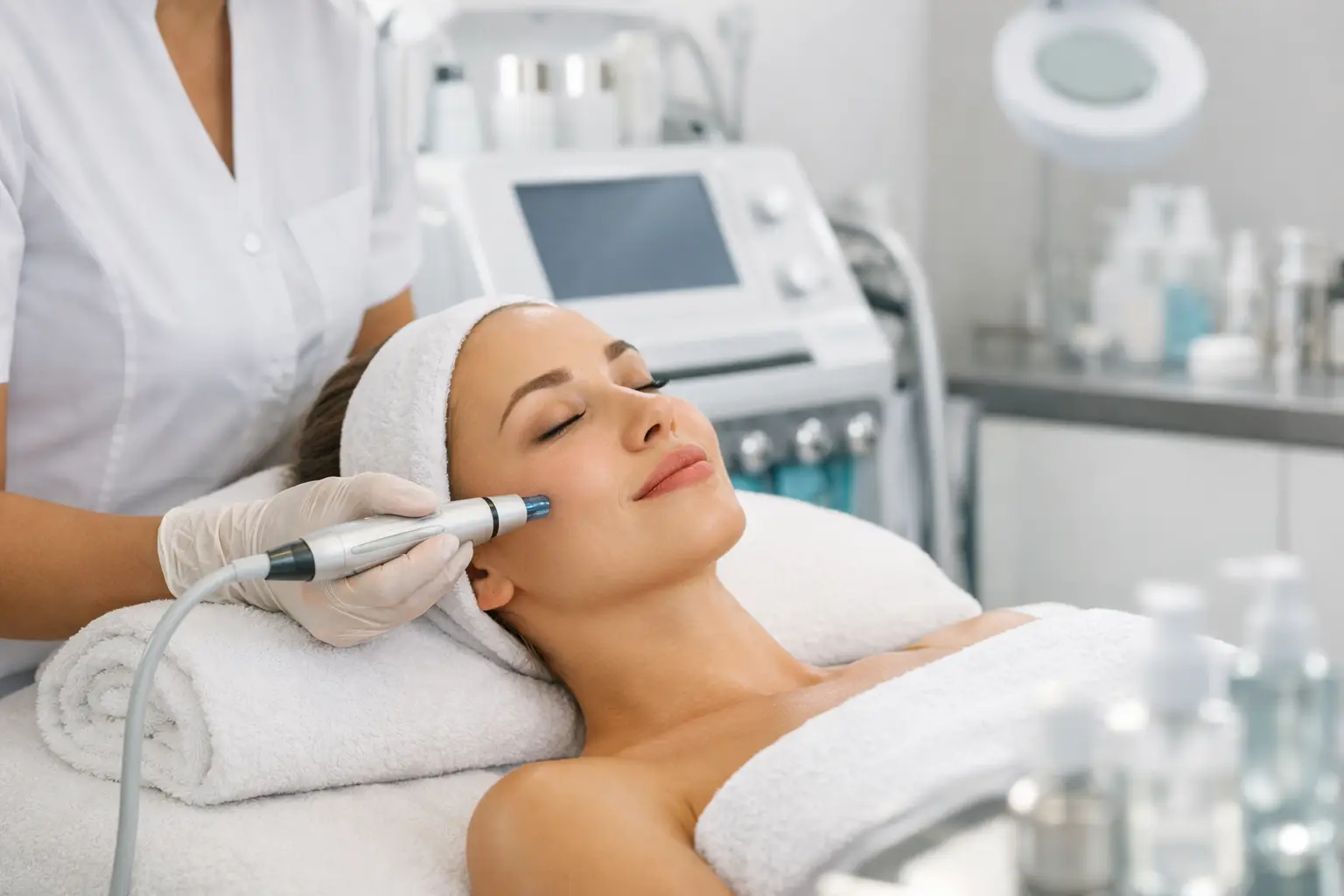
Microdermabrasion is a controlled mechanical exfoliation treatment that removes a layer of built-up dead skin cells from the surface. It is commonly chosen for dullness, rough texture, mild congestion and a skin tone that looks uneven.
The appeal is usually minimal downtime. However, it is not suitable for every skin condition or every moment in your treatment journey. Skin that is inflamed, highly sensitive, sunburnt or actively breaking out may benefit from a different approach first. Your practitioner can advise whether microdermabrasion is appropriate and how often it should be performed.
Medical-grade facial peels for targeted correction
A professional peel uses carefully selected ingredients to encourage skin renewal. Depending on the formulation and strength, peels may be used to support concerns such as pigmentation, congestion, acne-prone skin, texture and visible signs of ageing.
Peels are not one-size-fits-all. The same peel can produce very different results and recovery experiences depending on your skin type, preparation and post-treatment care. Some treatments involve little visible peeling, while others may result in temporary flaking or redness. A good practitioner will explain what is realistic, not promise a dramatic change overnight.
Laser and CO2 skin rejuvenation for deeper concerns
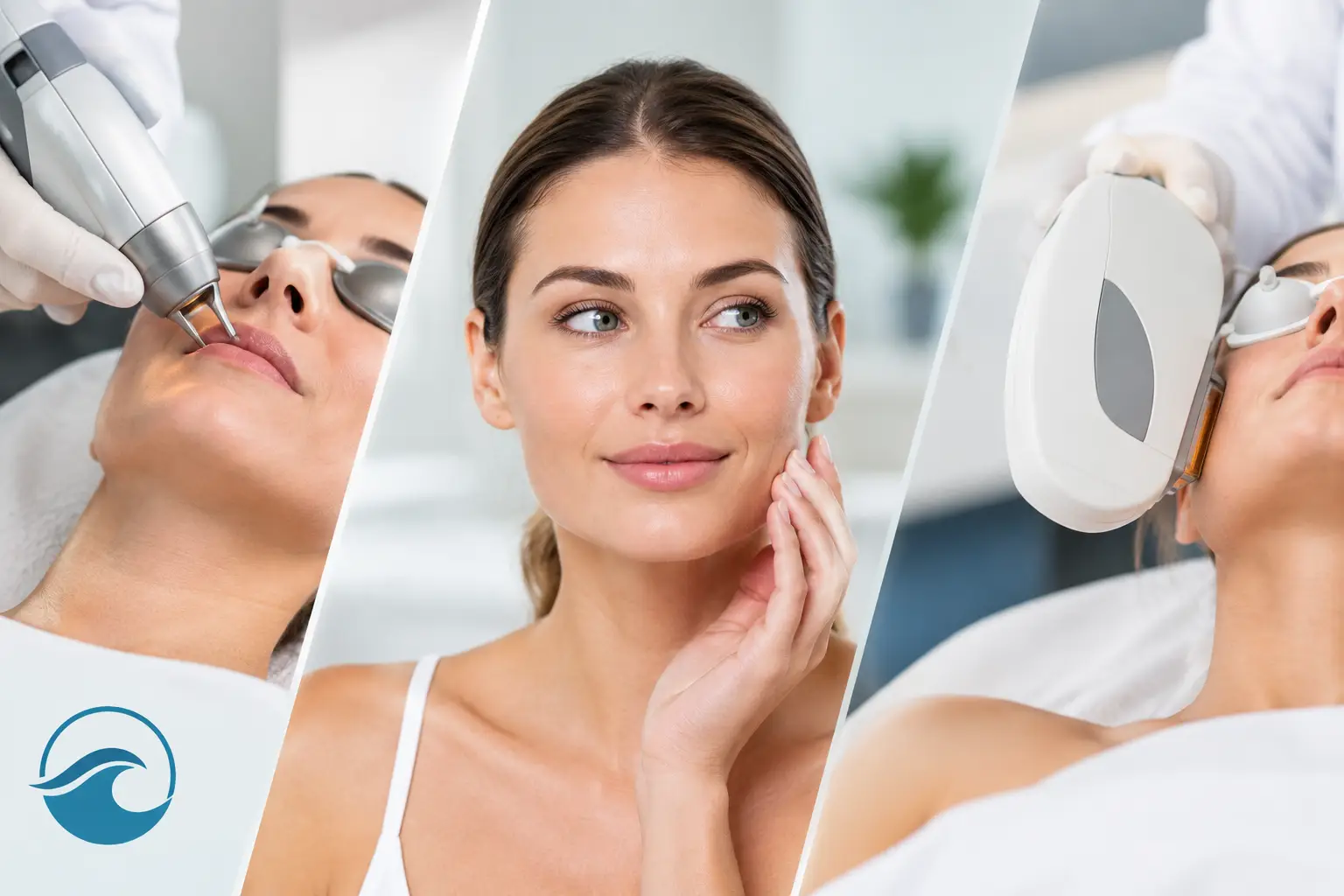
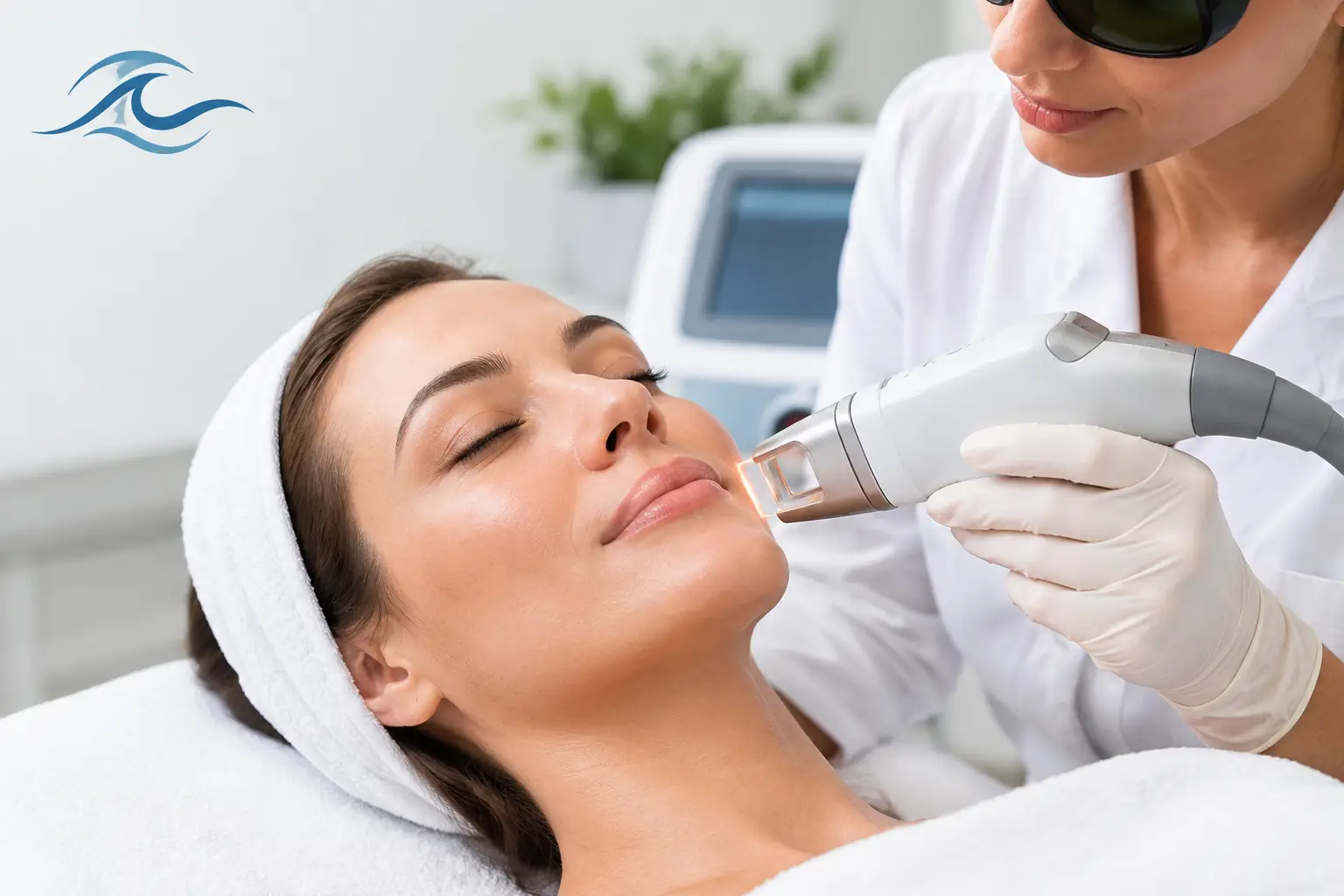
When texture changes, scarring, lines or sun-related skin changes are more pronounced, laser-based rejuvenation may be discussed. These treatments work differently to a facial or peel and can involve more preparation, a more structured recovery period and a series of appointments.
CO2 and laser rejuvenation can be powerful options when clinically appropriate, but stronger is not automatically better. The right recommendation considers your skin type, lifestyle, tolerance for downtime and ability to follow aftercare. Planning treatment around a holiday, outdoor work or a major event can make the recovery period much easier to manage.
Your consultation should shape the treatment plan
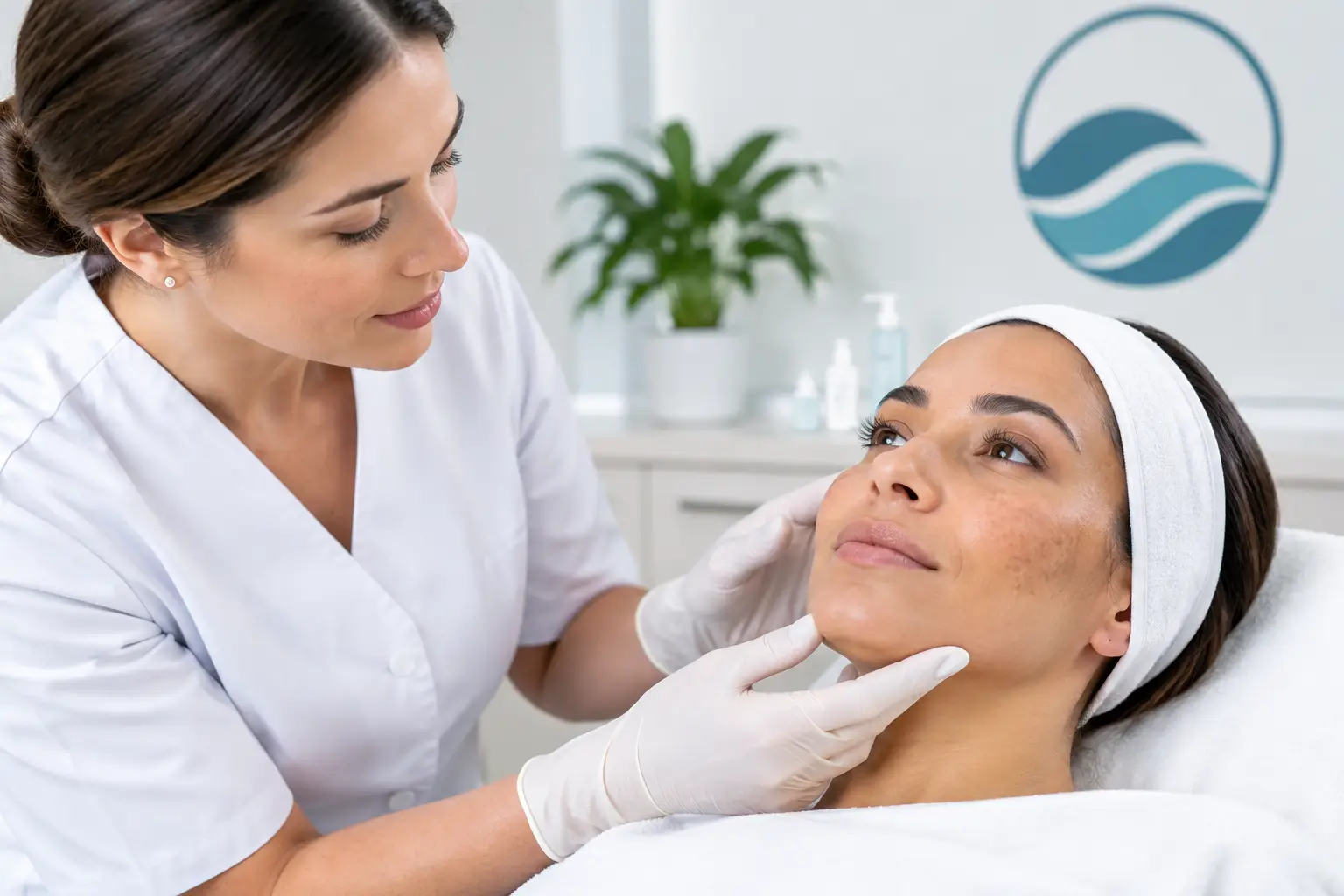
A consultation is where a professional facial treatment becomes personal. You should be asked about your skin concerns, current products, previous treatments, relevant health information, sensitivity and what results you are hoping to see.
Be open about any active skincare ingredients you use at home. Retinoids, exfoliating acids and certain acne products can affect how your skin responds. It is equally helpful to mention recent sun exposure, cosmetic tattooing, waxing, any history of cold sores, or treatments booked elsewhere.
Photos may be used to track progress over time. This can be reassuring because skin changes are often gradual. A client may notice their makeup sitting more smoothly or fewer recurring congested areas before they see a major difference in the mirror.
At Coastal Skin Clinic, the aim is to make this conversation clear and comfortable. You should leave understanding why a treatment has been recommended, what it may feel like, the expected downtime and the steps you need to take afterwards.
How to prepare for your appointment
Preparation is usually simple, but it matters. Arrive with clean skin where possible and let your practitioner know about anything that has changed since your consultation. Avoid experimenting with new active skincare products in the days before your appointment, particularly if you are having a peel or resurfacing treatment.
Sun protection is essential before and after professional skin treatments. Freshly treated skin can be more vulnerable to sun exposure, and too much sun may interfere with results or increase the risk of unwanted pigmentation changes. A broad-spectrum SPF, shade and sensible timing around outdoor activities are practical parts of good aftercare.
If you have an event coming up, do not leave your first intensive treatment until the last minute. Even treatments with low downtime can leave temporary redness or sensitivity. Booking ahead gives your skin time to settle and gives your practitioner room to adjust the plan if needed.
Aftercare is part of the result
The treatment room is only one part of your skin journey. Aftercare supports healing, protects the skin barrier and helps you get the most from your appointment.
For a short period after treatment, you may be advised to keep your routine gentle, avoid heat and strenuous exercise, pause strong active ingredients, and resist picking at any flaking skin. Your practitioner will provide instructions based on the treatment you have received. Follow them closely, even if your skin feels fine the next morning.
It can be tempting to add several new products when you are motivated to improve your skin. Usually, consistency is more helpful than complexity. A simple routine built around cleanser, appropriate treatment products, moisturiser and daily sun protection is often easier to maintain and kinder to the skin.
Choosing a clinic with confidence
When selecting a provider, look beyond a menu of treatments. Ask about practitioner training, consultation processes, hygiene, technology, treatment suitability and aftercare support. A reputable clinic will be comfortable discussing risks, limitations and alternatives as well as potential benefits.
For Sunshine Coast clients, that personal support can make a real difference. You should never feel rushed into a stronger treatment because it is popular, or pressured to commit to a package before you understand your options. The best plan may be a single maintenance facial, a course of targeted treatments, or a gradual progression from gentle skin preparation to more advanced rejuvenation.
Healthy-looking skin is rarely the result of one perfect appointment. It comes from thoughtful treatment choices, realistic expectations and regular care that respects where your skin is now. Start with a professional conversation, ask the questions that matter to you, and choose the path that feels safe, effective and right for your goals.