A treatment menu can tell you what is available. It cannot tell you what your skin needs, what is suitable for your history, or whether the result you want is realistic. That is where a guide to personalised skin consultations becomes useful. A quality consultation turns broad concerns – pigmentation, texture, unwanted hair, ageing changes or an unwanted tattoo – into a considered plan built around you.
For many people, booking is the biggest step. You may be unsure which treatment to ask for, concerned about discomfort or downtime, or simply tired of trying products that have not made a meaningful difference. A professional consultation should replace the guesswork with clear, supportive advice. Safe. Effective. Personal.
Why personalised skin consultations matter
Skin is not static. It changes with age, hormones, sun exposure, stress, climate, medications, lifestyle and the treatments you have already tried. Two people may both describe their concern as “sun damage”, for example, but one may need a gentle approach that supports a sensitive skin barrier, while another may be suited to a more active treatment plan focused on texture and tone.
A personalised consultation looks beyond a single concern. It considers the condition of your skin now, your goals, your comfort level and the practical realities of your routine. If regular appointments or extended downtime do not fit your work and family commitments, that matters. The most effective plan is one you can follow consistently.
It is also an important part of treatment safety. Some skin conditions, health history, medications and recent procedures can affect which treatments are appropriate and when. An experienced practitioner will not rush past these details to sell a particular service. They will explain your options honestly, including when it is better to wait, prepare the skin first or choose a less intensive alternative.
What happens during a personalised skin consultation
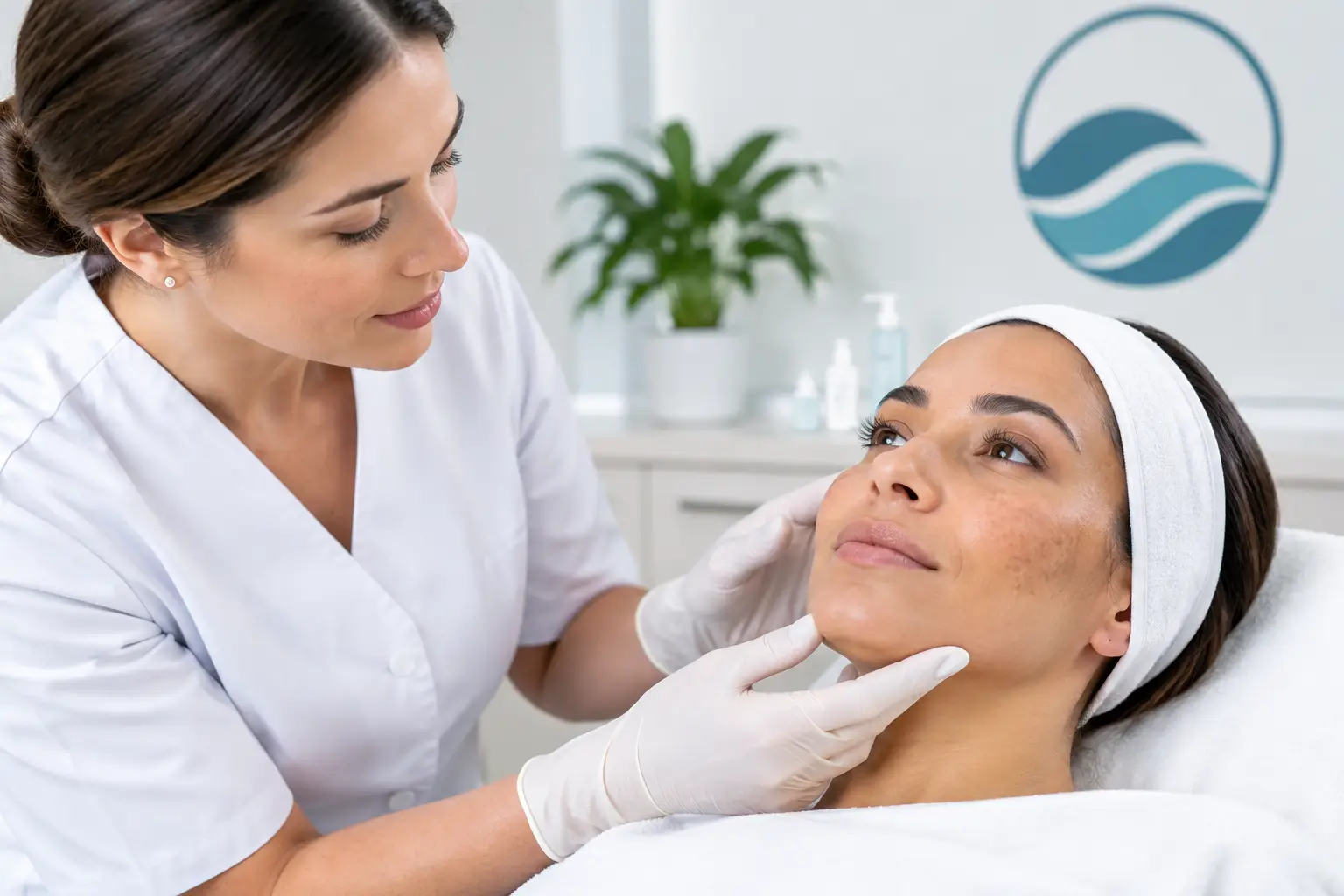
A good appointment should feel like a conversation, not a sales pitch. You will have time to explain what is bothering you, what you have tried and what you would like to change. You do not need to arrive knowing the name of the treatment you want. In fact, being open about your priorities often gives your practitioner a better starting point.
Your concerns, goals and treatment history
Your practitioner may ask when you first noticed the concern, whether it has changed, and how it affects your confidence or everyday routine. They will also discuss previous professional treatments, at-home skincare, allergies, medical history and any medications that could be relevant.
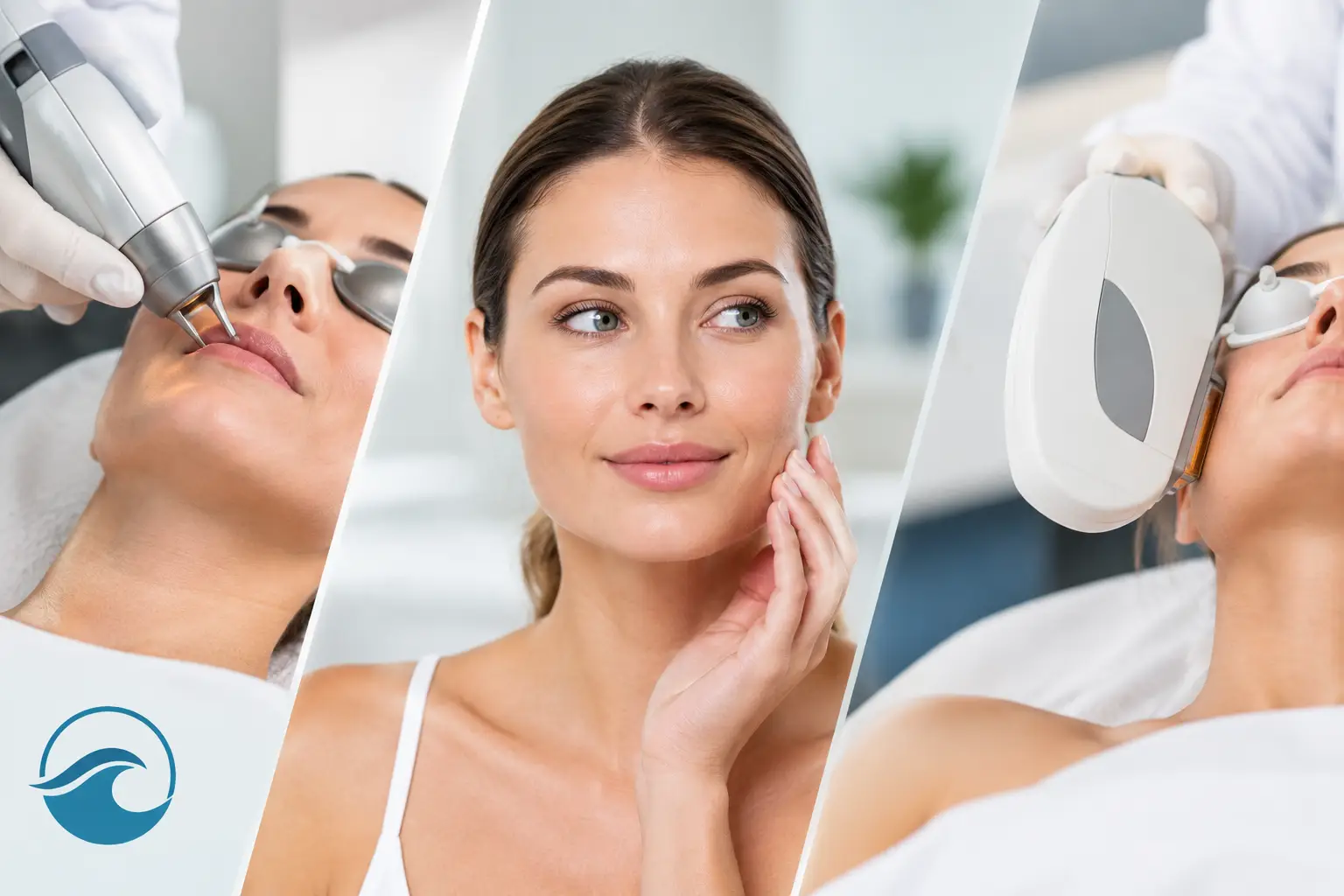
For tattoo removal, this discussion includes the tattoo’s age, colours, placement, size and any previous removal attempts. These details influence how the tattoo may respond and how many sessions may be needed. For skin rejuvenation, the focus may be sun exposure, pigmentation patterns, acne scarring, fine lines, uneven texture and sensitivity. For hair reduction, factors such as hair colour, hair density and skin tone help guide realistic expectations.
Honesty is valuable here. Let your practitioner know about recent tanning, active irritation, cosmetic procedures or skin reactions, even if they seem unrelated. This helps protect your skin and supports better treatment decisions.
A close assessment of your skin
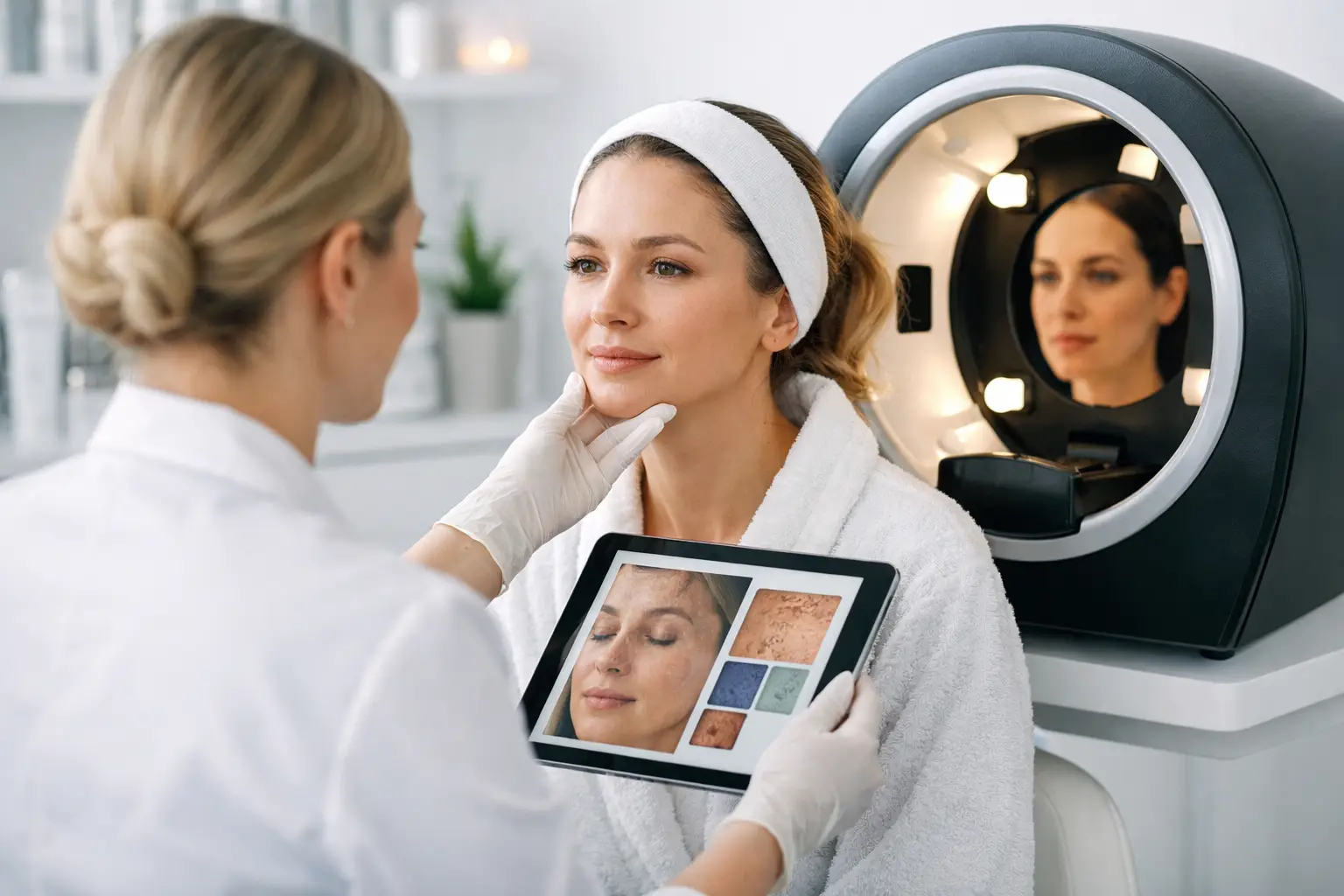
The practitioner will assess the area to understand what is visible beneath the surface concern. This is not about judging your skin. It is about identifying factors that can shape your results, such as dehydration, inflammation, sensitivity, active breakouts, pigment changes or impaired barrier function.
Your assessment may show that the treatment you expected is appropriate. It may also reveal that your skin would benefit from preparation first. For example, a tailored home-care routine or a series of gentler treatments may be recommended before a more intensive laser, CO2 or peel treatment. This can feel slower than jumping straight in, but appropriate preparation can improve comfort, recovery and overall outcomes.
A plan you can understand
Before you leave, you should understand the recommended approach and why it suits you. That includes the likely number and spacing of sessions, expected sensations, recovery requirements, aftercare and the kind of progress that is realistic.
Results are rarely all-or-nothing. Tattoo removal is a gradual process, and some colours or inks can be more resistant than others. Rejuvenation treatments can improve skin quality over time, but ongoing sun protection and skin care remain essential. IPL hair reduction can create a significant reduction in hair growth, although maintenance may be needed. Clear expectations are not discouraging – they are how you make an informed decision with confidence.
Questions worth asking at your consultation
You deserve straightforward answers. Ask which treatment is being recommended and what makes it suitable for your particular skin. Ask what alternatives exist, what the recovery period may look like and what you need to avoid before and after treatment.
It is also helpful to ask how progress will be monitored. Some treatment plans benefit from photographs taken under consistent conditions, particularly where changes are gradual. You may want to know what signs would mean you should contact the clinic after treatment, and whether your regular skincare needs to change while your skin is healing.
If you are nervous, say so. First-time clients often worry that they will be pressured to commit on the spot or that their concerns are too minor to raise. A supportive practitioner will give you the information you need and allow space to decide. Treatment should feel considered, never rushed.
Your role in achieving better results
Personalised care is a partnership. Your practitioner brings professional training, technology and treatment experience. You bring accurate information about your skin and a commitment to the aftercare plan.
This may mean wearing daily broad-spectrum sunscreen, pausing certain active skincare products before a procedure, avoiding heat or sun exposure while the skin recovers, or attending sessions at the advised intervals. These steps can be the difference between simply having a treatment and giving it the best possible conditions to work.
It is equally important to communicate changes. If your skin reacts unexpectedly, you start a new medication, become pregnant, spend time in the sun or have a procedure elsewhere, let the clinic know before your next appointment. A plan can be adjusted. That flexibility is one of the real benefits of ongoing professional care.
Choosing a clinic you can trust
The treatment itself matters, but so does the person and clinic delivering it. Look for a practitioner who takes the time to assess rather than assume, explains risks and aftercare clearly, and is willing to tell you when a treatment is not right for you. Appropriate training, compliant equipment and strong hygiene practices should be non-negotiable.
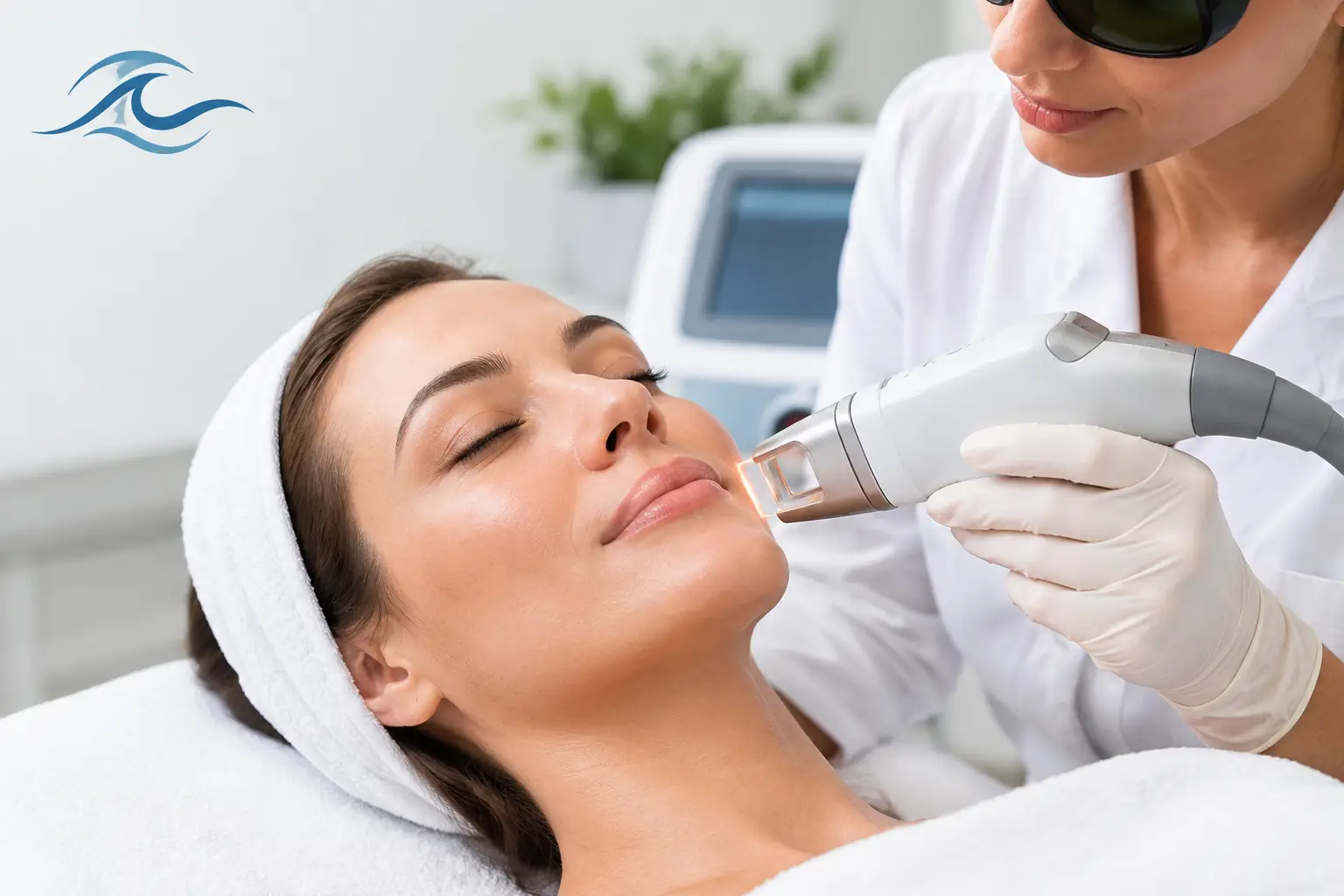
For laser-based treatments in particular, experience and safety standards matter. Your skin tone, the area being treated and the treatment settings all need thoughtful consideration. At Coastal Skin Clinic, consultations are designed to be warm and thorough, so clients across the Sunshine Coast can feel informed rather than overwhelmed.
Avoid choosing solely on a tempting special or a one-size-fits-all promise. A lower upfront cost can be poor value if the treatment is unsuitable, poorly planned or does not include proper support. The right recommendation may not always be the fastest option, but it should be one that respects your skin and your long-term goals.
When should you book a consultation?
Book when you have a concern you would like professional guidance on, even if you are not ready to begin treatment. A consultation is particularly useful before laser tattoo removal, laser or CO2 rejuvenation, IPL hair reduction, medical-grade peels and cosmetic treatments, where suitability and preparation can affect your experience.
You may also benefit from a review when your current plan has stalled. Skin can change, and so can your goals. What worked well a year ago may need refining after a change in season, lifestyle, health or skin condition.
The best consultation leaves you feeling heard, clear on your options and comfortable with the next step. Your skin journey does not need to follow anyone else’s timeline – it simply needs a plan that makes sense for you.