Rough patches that catch your make-up, old breakout marks that seem more noticeable in certain light, and skin that simply looks dull can be frustrating. Understanding how chemical peels improve texture starts with recognising that uneven skin is often caused by a build-up of damaged surface cells, slowed cell turnover, sun exposure, congestion or past inflammation. A professionally selected peel encourages the skin to shed those tired outer layers and begin a more organised renewal process.
A peel is not about aggressively stripping the skin. When it is chosen and applied correctly, it is a controlled treatment designed around your skin concerns, tolerance and recovery time. The goal is clearer, smoother-looking skin that still feels healthy and supported.
How chemical peels improve texture at skin level
Chemical peels use carefully formulated acids or active ingredients to loosen the bonds between older skin cells. Depending on the formula and depth, they work mainly at the surface or reach further into the epidermis. As the skin renews, its surface can appear smoother and light reflects more evenly, which gives the complexion a fresher look.
This process can be particularly helpful when texture concerns come from dryness, congestion, superficial pigmentation, enlarged-looking pores or mild post-acne marks. Removing excess dead skin cells can also help reduce the rough, uneven feel that makes skincare products and make-up sit poorly.
Some peels also support collagen renewal over time. Collagen is one of the structures that helps keep skin looking firm and refined. It does not change overnight, and no treatment can erase every scar or deep line, but a considered series of treatments may soften the appearance of mild textural irregularities as the skin continues to remodel.
The visible result is usually more than “peeling”. Many clients notice smoother-feeling skin, improved brightness and a more even finish before they see obvious flaking. Others experience light dryness or fine shedding for several days. Both can be normal, depending on the peel used.
Texture concerns that may respond well
Chemical peels are versatile, but the best outcome depends on what is causing the texture change. For congested skin, a peel may help clear the surface and reduce the build-up that contributes to small bumps and blocked pores. For sun-dulled or dehydrated skin, a gentler superficial peel can refresh the outer layer and improve luminosity.
Post-acne texture needs a more individual assessment. A peel may improve the look of superficial marks, uneven tone and roughness around previous breakouts. Deeper pitted acne scarring often needs a different approach, or a combination plan that may include other professional rejuvenation treatments. Being honest about what a peel can and cannot do is an important part of safe, satisfying care.
Fine lines can also look softer when dry, compacted surface cells are removed and the skin is better hydrated afterwards. However, deeper wrinkles related to facial movement or significant volume loss will not be corrected by a peel alone.
The right peel matters more than the strongest peel
It is easy to assume a stronger peel will create better results. In reality, the most suitable peel is the one that addresses your concerns without unnecessarily stressing your skin. Skin that is sensitive, reactive, very dry, acne-prone or prone to pigmentation requires particular care.
Superficial peels are often used to refine roughness, brightness, mild congestion and uneven tone with limited downtime. Medium-depth options can offer more intensive resurfacing but involve greater recovery and are not appropriate for everyone. Your practitioner should consider your skin type, current skincare, history of pigmentation, recent sun exposure and how much downtime you can realistically manage.
This is especially relevant for Sunshine Coast clients. Our climate and outdoor lifestyle can mean regular UV exposure, even when you are not intentionally sunbathing. Treating sun-stressed skin without a proper preparation and aftercare plan can increase the risk of irritation or unwanted pigmentation.
What a professional peel appointment involves
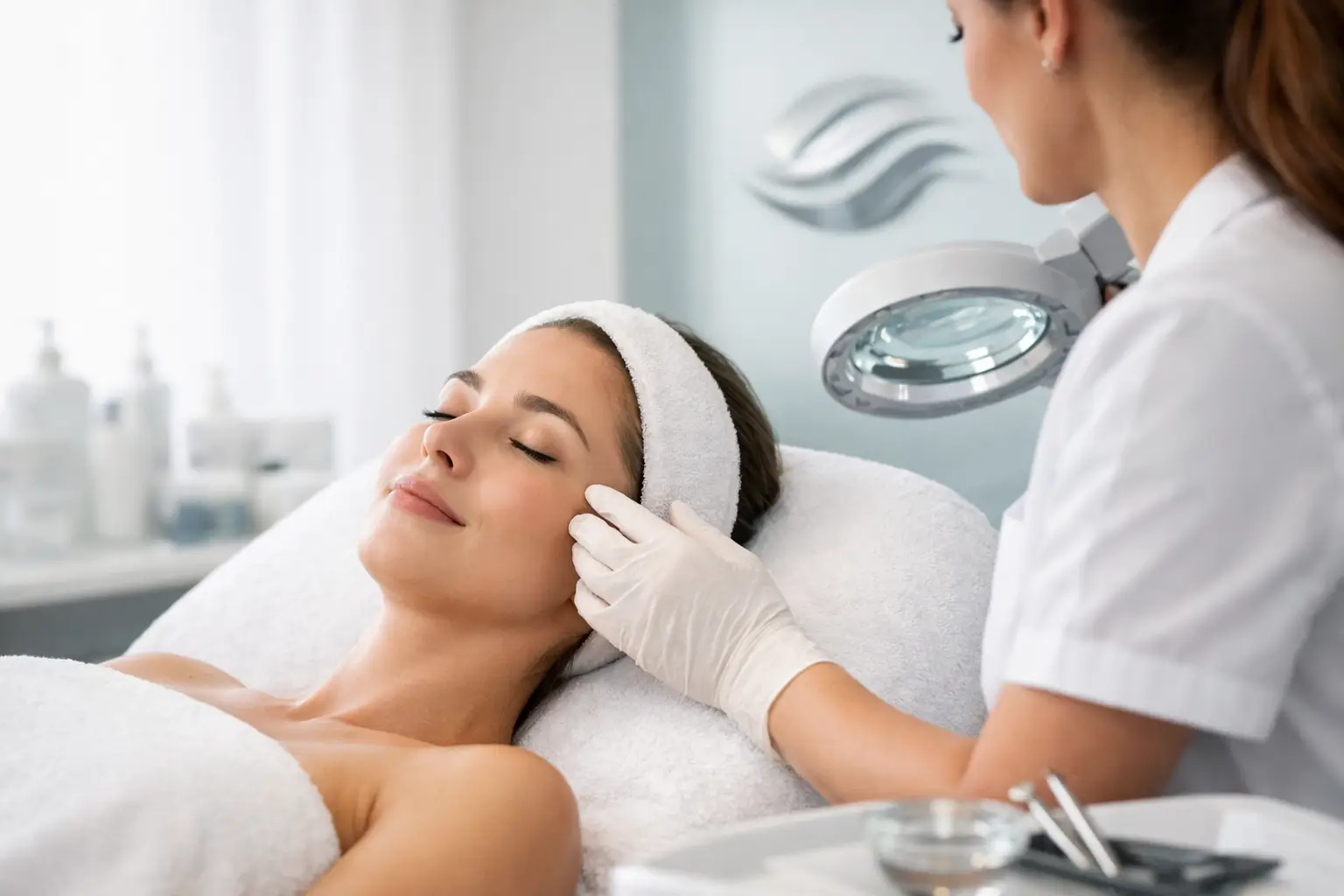
A good peel treatment begins before the product touches your skin. During consultation, your practitioner should ask about your goals, current products, previous treatments, allergies, skin conditions and medications. Certain active skincare ingredients may need to be paused beforehand, while active irritation, infection or a compromised skin barrier may mean delaying treatment.
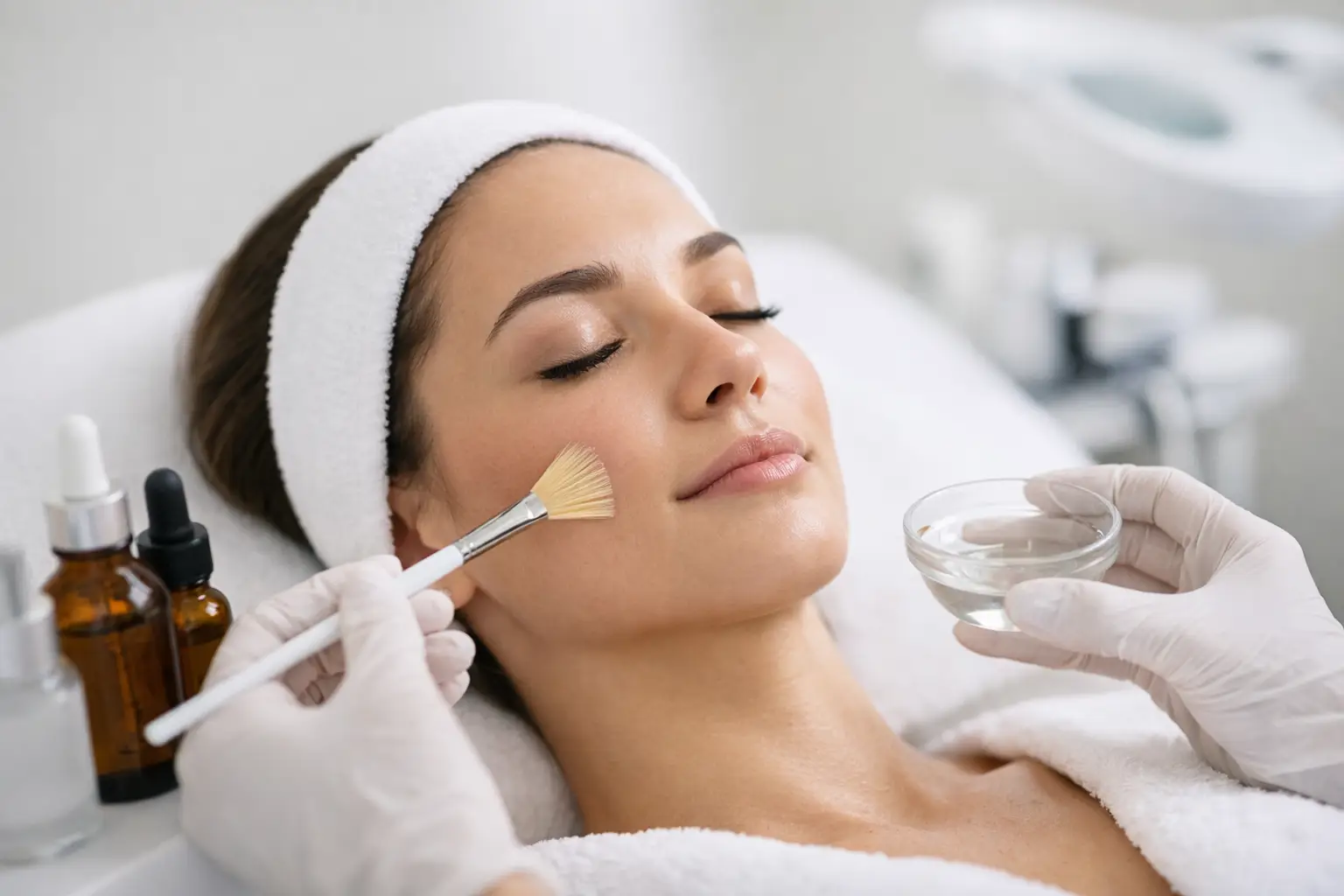
The skin is cleansed and assessed on the day. The peel is then applied in a controlled manner, with the practitioner monitoring your skin response throughout. You may feel warmth, tingling or a light prickling sensation. This should be manageable, and you should always feel comfortable speaking up if it becomes too intense.
Afterwards, your skin may look slightly pink or feel tight. The amount of visible peeling varies widely. Some people experience only a subtle polish, while others have light flaking around the nose, mouth or chin. Avoid picking or rubbing at peeling skin, as this can prolong irritation and interfere with an even recovery.
At Coastal Skin Clinic, treatment recommendations are guided by a personalised consultation rather than a one-size-fits-all protocol. This helps match the treatment intensity to your skin, your lifestyle and the result you are hoping to achieve.
Results build with consistency and good aftercare
One peel can give the skin a welcome refresh, particularly before an event or when your complexion is looking tired. More persistent texture concerns usually respond best to a treatment plan. The spacing and number of treatments depend on the peel, your skin’s response and the concern being treated.
Aftercare protects the investment you have made in your skin. Keep your routine gentle while your skin settles, use the products recommended by your practitioner and avoid exfoliating scrubs, strong actives and unapproved home treatments until advised otherwise. Heat, heavy exercise, saunas and direct sun may also need to be avoided briefly, depending on the peel.
Daily broad-spectrum SPF is essential. Freshly treated skin can be more vulnerable to UV exposure, and sunscreen helps protect both your results and your long-term skin health. A hat and shade are worthwhile additions, particularly during the brighter months.
When a peel may not be the best first step
Chemical peels are effective for many people, but timing and suitability matter. Treatment may need to be postponed if you have sunburn, active cold sores, eczema flare-ups, open lesions or significant irritation. Pregnancy, breastfeeding, certain medications and a history of post-inflammatory pigmentation should also be discussed during consultation so your practitioner can advise appropriately.
If your primary concern is deep acne scarring, pronounced skin laxity or significant redness, another treatment may be more suitable than a peel alone. Sometimes the best plan is a gentle peel to improve surface quality alongside treatments that target deeper skin structures. There is no benefit in forcing one treatment to solve a concern it is not designed to address.
Texture changes gradually, and the most natural-looking improvements often come from respecting that pace. With the right professional guidance, a chemical peel can be a safe, effective way to help your skin feel smoother, look more even and better reflect the care you put into it.