A cosmetic tattoo is meant to simplify your morning routine, not make you second-guess the mirror. When brow pigment turns grey, red or blue, lip blush heals unevenly, or eyeliner no longer suits your features, it can feel frustratingly permanent. This guide to cosmetic tattoo correction explains what can be improved, why a personalised assessment matters, and how to make safe, measured decisions about your next step.
Why cosmetic tattoos sometimes need correction
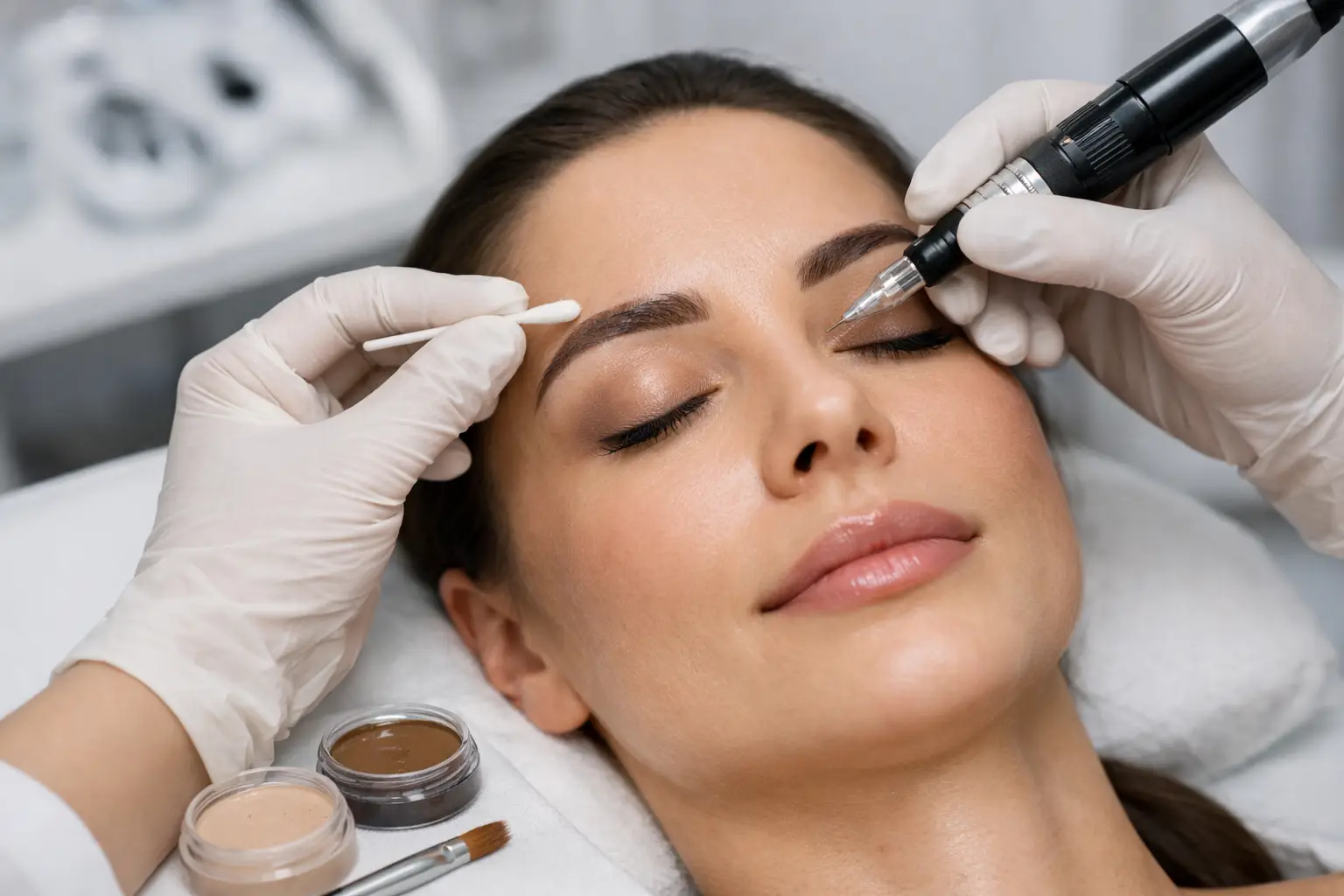
Cosmetic tattooing, also called permanent makeup or PMU, places pigment into the skin to create the appearance of fuller brows, defined eyes or enhanced lips. Results can look beautifully natural, but they are not fixed forever. Pigment fades, skin changes and personal preferences evolve.
A correction may be considered when the shape is too dark, too warm, too cool or no longer balanced with your face. Some clients have had pigment placed too deeply, which can create a blurred or ashy appearance as it heals and ages. Others have experienced colour changes over time, such as brows becoming red, orange, grey or blue.
There is also the simple reality that trends change. A strong brow shape that felt right several years ago may not reflect how you want to look now. Wanting a softer, more natural finish is a valid reason to seek professional advice.
Correction does not always mean complete removal. For some people, the best outcome is careful fading followed by a new cosmetic tattoo. For others, full removal is the safer option before considering any future treatment. The right path depends on the pigment, its depth, the skin’s condition and the result you hope to achieve.
A guide to cosmetic tattoo correction options
The most suitable treatment is determined during a thorough consultation, not by a photograph alone. Cosmetic tattoo pigments vary widely between brands and colours, and the original procedure may have involved more than one pigment mixture. This is why one person’s removal journey can look very different from another’s.
Laser tattoo removal
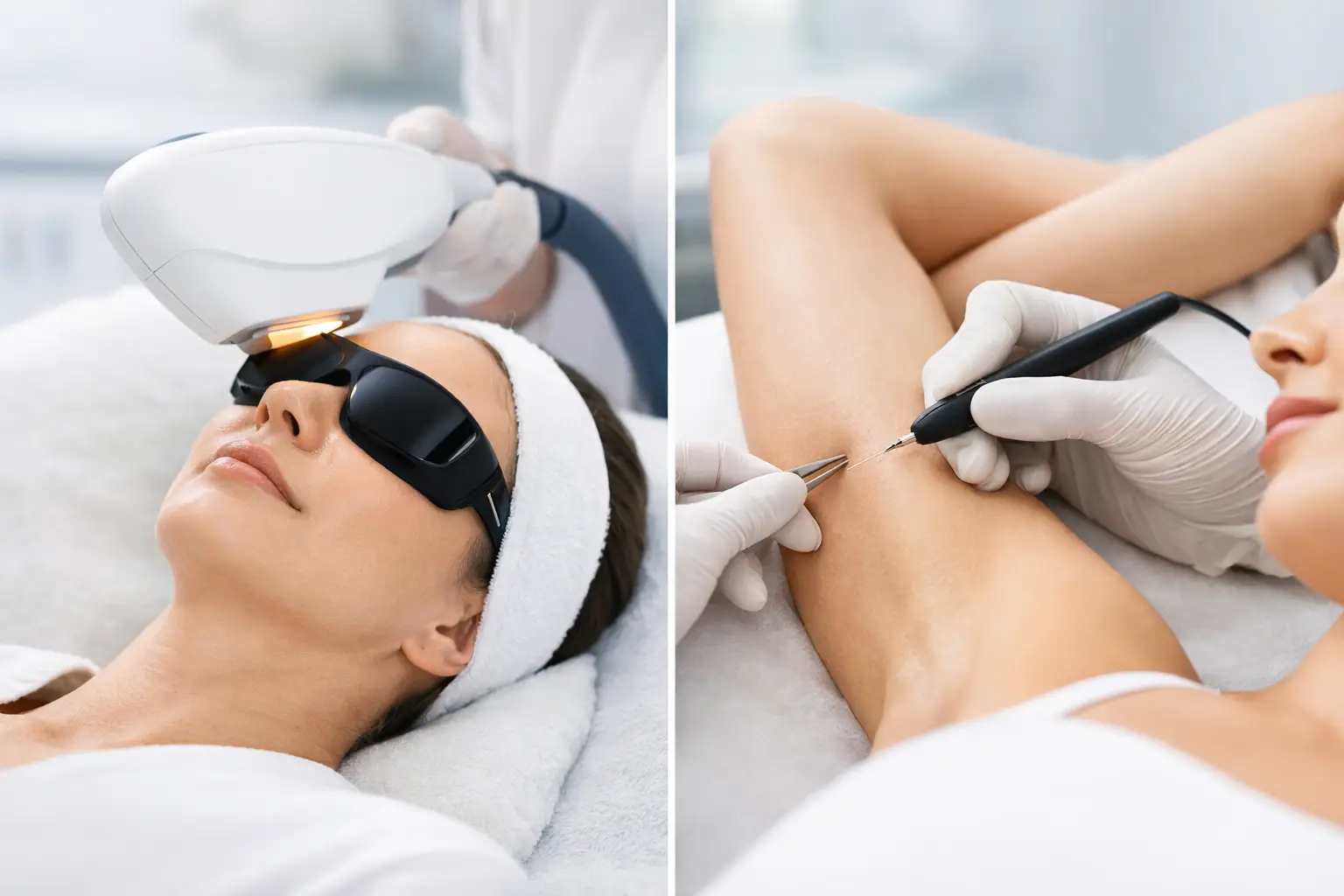
Laser treatment is often used to fade or remove unwanted cosmetic tattoo pigment. The laser targets pigment particles beneath the skin, breaking them into smaller fragments that the body can gradually clear. It can be an effective option for old brow tattoos, microblading, powder brows, lip pigment and some eyeliner tattoos when assessed as suitable.
However, cosmetic pigment needs particularly careful handling. Some pigments contain ingredients that may temporarily darken or shift colour after laser exposure. This does not automatically mean treatment has gone wrong, but it does mean the practitioner must understand the possibility, explain it clearly and create a plan that accounts for it.
A test spot may be recommended before treating a larger area. This allows the practitioner to observe how the pigment responds and helps guide the treatment approach. Patience matters here. Laser removal is normally a course of treatments, spaced apart to give the skin time to recover and the body time to process disrupted pigment.
Fading before a new brow tattoo
If your main concern is an old brow shape or colour, fading may provide enough of a clean canvas for a skilled cosmetic tattoo artist to create a softer new result. This approach can be ideal when there is still some usable structure in the existing tattoo, but the colour is too saturated or the shape needs refinement.
The trade-off is that rushing into a cover-up can make the brows darker and more complex to correct later. Fading first may take longer, yet it often gives the next artist more freedom to work with your natural facial proportions rather than trying to conceal old pigment.
Non-laser methods
Some correction methods involve placing a removal solution into the skin using a tattooing technique. These approaches may be discussed in certain situations, particularly where pigment type, location or response to laser warrants consideration. They are not interchangeable with laser treatment, and suitability should be assessed carefully.
The important point is not to choose a method based on social media before-and-afters alone. Skin type, scar history, pigment composition and the treatment area all influence risk and expected progress.
What happens at a professional consultation
A proper consultation should feel informative, not pressured. Your practitioner will assess the colour, density, placement and age of the cosmetic tattoo, along with your skin tone and skin health. They should also ask about previous treatments, allergies, medications, healing history and any tendency to scar or develop pigment changes.
Bring clear information about your original tattoo if you have it, including the date it was done, pigment brand or colour details, and any previous attempts at removal or correction. Even if you do not have these details, an experienced practitioner can still assess the area in person.
You should leave knowing what outcome is realistic. In many cases, that may mean significant fading rather than a promise of complete clearance. It may also mean accepting a temporary colour shift as part of the process. Clear expectations are part of safe, effective treatment.
For clients considering brow correction, the consultation should also look at your natural brow hair and bone structure. The goal is not simply to erase what is there. It is to make room for a result that sits naturally with your face.
Preparing for cosmetic tattoo removal or fading
Your practitioner will give you instructions specific to your treatment, but good preparation starts with protecting the skin. Arrive with the area clean and free from makeup, fake tan and active skincare products unless you have been advised otherwise. Avoid picking, exfoliating or trying at-home removal methods in the weeks beforehand.
It is also wise to plan around important events. Cosmetic tattoo correction can involve redness, tenderness, swelling or temporary darkening of the pigment. Brows and lips are highly visible areas, so allow time for the skin to settle rather than booking treatment immediately before a wedding, holiday or major work commitment.
Sun exposure deserves special attention on the Sunshine Coast. Tanned or sun-stressed skin may not be suitable for treatment, and sun protection supports more even healing. Your practitioner may need to postpone treatment if the area is sunburnt, irritated or compromised.
Aftercare makes a genuine difference
Aftercare is not an optional extra. The skin needs time to repair itself, and following instructions reduces the chance of irritation and supports a smoother recovery. Depending on the treatment area and method used, you may be asked to keep the area clean, avoid makeup for a period, limit heat and exercise, and stay out of direct sun.
Do not scratch, rub or pick at flaking skin. It can be tempting, particularly when pigment appears darker, patchy or uneven during healing, but interfering with the area can increase irritation and affect the final result.
Contact your clinic if you have concerns about your healing response rather than relying on online advice. A professional can distinguish between expected post-treatment changes and symptoms that need prompt attention.
Choosing a practitioner for correction
Cosmetic tattoo correction is more specialised than treating a standard body tattoo. The treatment area is close to the eyes, lips and delicate facial skin, while cosmetic pigments can behave unpredictably. Choose a clinic that places safety and assessment ahead of quick promises.
Look for a practitioner who can explain the technology being used, discuss likely treatment stages and show an understanding of pigment colour changes. Appropriate licensing, hygiene protocols, detailed consent and realistic before-and-after expectations are all reassuring signs. You should feel comfortable asking questions about experience with cosmetic tattoo pigment specifically, not just tattoo removal in general.
At Coastal Skin Clinic, every correction journey begins with an individual consultation so your treatment plan can reflect your skin, pigment and goals. There is no value in copying someone else’s removal plan when your cosmetic tattoo has its own history.
A cosmetic tattoo that no longer feels like you does not have to dictate your next chapter. Give yourself the time to seek experienced advice, understand the options and choose a plan that puts skin health and confidence first.