A tattoo that no longer feels like you can become a daily frustration. For some people, the goal is complete removal. For others, it is lightening an older piece enough for a cleaner cover-up. If you are weighing up the best treatments for tattoo fading, the right option usually comes down to one question – how much fading do you want, and how safely do you want to get there?
Tattoo fading is not one-size-fits-all. Ink colour, skin type, tattoo age, depth, location on the body and your long-term goal all affect the best path forward. That is why professional assessment matters. A treatment that works beautifully for one person may be slow, patchy or unsuitable for someone else.
What actually fades a tattoo well?
When people talk about fading a tattoo, they often mean very different things. Some want the tattoo softened so it is less obvious. Others want enough pigment lifted to make room for a cover-up tattoo. And some are hoping for near-total clearance over time.
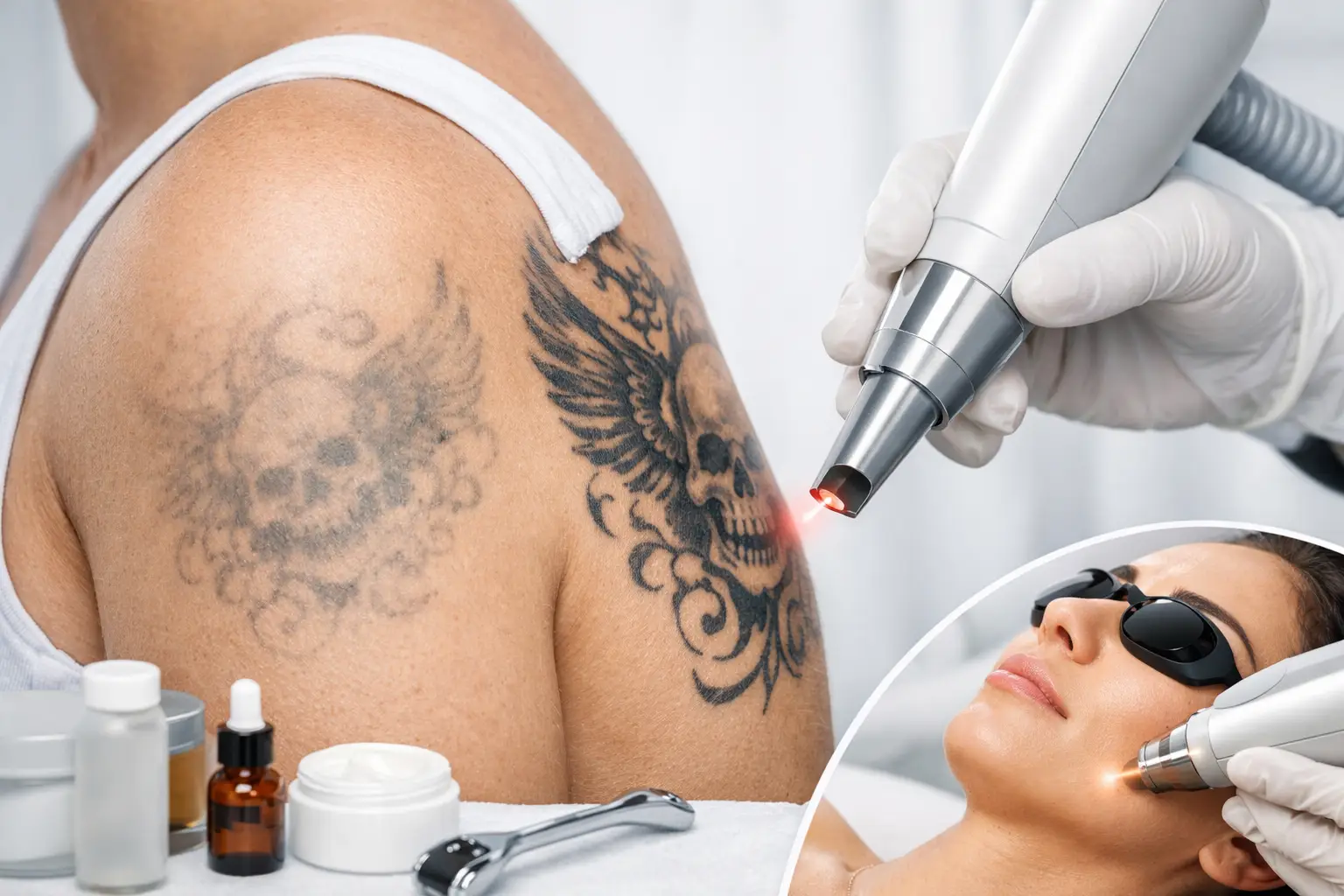
In clinical practice, the most effective fading treatment is usually laser tattoo removal. This is because the treatment targets ink particles beneath the skin rather than simply damaging the surface. The laser breaks the pigment into smaller fragments, and your body gradually clears those fragments away in the weeks that follow.
That process takes time. Good fading is progressive, not instant. A realistic treatment plan focuses on safe improvement session by session, rather than pushing the skin too hard and increasing the risk of irritation or unwanted skin changes.
Best treatments for tattoo fading: what works and what does not
Laser tattoo removal
For most unwanted tattoos, laser treatment is the leading option for visible fading. It is precise, clinically established and suitable for both people who want major lightening and those preparing for a cover-up.
Modern laser systems can target a range of ink colours, although some colours respond faster than others. Black ink generally fades the most readily. Blues and darker pigments often respond well too. Greens, teals, reds and lighter tones can be more variable. Amateur tattoos may fade faster than professional tattoos, but that is not always the case.
The reason laser remains the preferred treatment is simple – it treats the pigment while aiming to protect the surrounding skin. That balance matters. Effective fading is not just about removing ink. It is about doing so safely, with the least possible disruption to skin texture and healing.
Partial fading for a cover-up
Not every client wants a blank canvas. In many cases, partial fading is the smartest option. If your aim is to improve the final look of a cover-up tattoo, a few carefully timed laser sessions can reduce the density of old ink enough to give your tattoo artist far more flexibility.
This often leads to a better cosmetic result than trying to tattoo over a dark, heavy design. It can mean cleaner linework, less need for oversized cover-up pieces and more freedom with colour selection. If you already have a cover-up in mind, it is worth discussing that at consultation stage so your fading plan suits the end goal.
Saline lightening and other non-laser methods
Some people ask about saline tattoo lightening, creams or abrasive treatments. These options are often discussed online, but they are not equal alternatives to medical-grade laser treatment for most body tattoos.
Saline methods are more commonly associated with cosmetic tattoo lightening, such as brows, rather than larger decorative tattoos. Creams marketed for tattoo fading usually deliver poor results because tattoo ink sits too deeply in the skin for a topical product to remove it effectively. Abrasive or at-home methods can create more problems than progress, including irritation, scarring and uneven pigment changes.
If the goal is reliable fading with skin safety in mind, professional laser treatment is generally the stronger and more predictable choice.
Why some tattoos fade faster than others
A common concern is whether a tattoo will respond quickly. The honest answer is that it depends.
Older tattoos may already be somewhat faded, which can help. Black ink is usually more responsive than pastel tones. Tattoos on areas with better circulation can sometimes clear more efficiently than those on hands, feet or lower legs. Layered tattoos and cover-ups usually take longer because there is simply more ink in the skin.
Your immune response also plays a part. Laser breaks down the pigment, but your body does the clearing. That is one reason treatment spacing matters. Rushing sessions does not necessarily speed results and can compromise skin recovery.
What to expect from laser fading sessions
Most clients want to know two things straight away – does it hurt, and how many sessions will I need?
Laser tattoo fading is not usually described as comfortable, but it is generally very manageable. People often compare it to a hot elastic band snap against the skin. The sensation is brief, and session time depends on the size of the tattoo. Smaller tattoos can be treated quite quickly.
As for session numbers, there is no universal answer. Some tattoos fade enough for a cover-up in just a few sessions. Others need a longer course of treatment for significant lightening. A professional consultation is the best way to set realistic expectations based on your tattoo rather than generic estimates.
After treatment, the area may appear white or frosted initially, followed by redness, sensitivity or mild swelling. Proper aftercare supports healing and reduces the risk of complications.
The role of aftercare in tattoo fading
The best treatments for tattoo fading do not stop when the session ends. Aftercare has a direct effect on skin recovery and overall results.
Keeping the area clean, protected and out of harsh sun is essential. Picking at scabs, overexposing the skin to heat or returning to friction-heavy activity too soon can slow healing and increase irritation. Following the advice given by your treating clinician is one of the simplest ways to support a smooth outcome.
Patience matters here too. Fading continues between appointments. It is normal for tattoos to keep lightening in the weeks after a session as the body processes the fragmented ink.
Choosing the safest option for your skin
If you are comparing providers, safety should carry just as much weight as price. Tattoo fading is a clinical treatment, not just a quick cosmetic service. The technology used, the practitioner’s training and the clinic’s approach to assessment all shape your experience and your result.
A proper consultation should look at your skin, your tattoo, your medical history and your end goal. It should also cover possible side effects, likely treatment spacing and whether your expectations are achievable. Clear, honest guidance is a good sign. Promises of instant results are not.
This is especially important for clients who are prone to pigmentation issues, have darker skin tones, have had previous removal attempts or are treating a tattoo in a more delicate area. In these situations, a personalised plan is not a luxury. It is part of safe care.
When tattoo fading is worth it
Tattoo fading is often worth considering when the tattoo affects your confidence, no longer reflects your life or stands in the way of a better design. It can also be the right move when you want a more refined cover-up rather than something larger and darker than you originally planned.
The biggest benefit is not just the fading itself. It is having options again. A tattoo that once felt fixed and frustrating can become something you can change, soften or move on from with the right treatment plan.
For clients wanting expert support, personalised advice makes the process far less overwhelming. At Coastal Skin Clinic, that means looking at the tattoo properly, explaining what is realistic and tailoring treatment around your skin and goals rather than offering a generic answer.
Is there a “best” treatment for everyone?
Not really. But there is usually a best treatment for your tattoo.
For most people, laser is the strongest option because it offers the most effective balance of fading and skin preservation. That said, the best outcome still depends on the quality of assessment, the suitability of the technology and the care taken across the full treatment journey.
If you are unsure whether to fully remove a tattoo or simply lighten it, that uncertainty is normal. You do not need to have every detail sorted before seeking advice. Starting with a professional consultation can give you a clearer sense of timing, likely progress and what is actually possible for your skin.
A tattoo may have been a permanent decision at the time, but that does not mean you are stuck with it exactly as it is. With the right treatment and the right guidance, change is possible – and often more achievable than people expect.